
Amazing New Face Blog
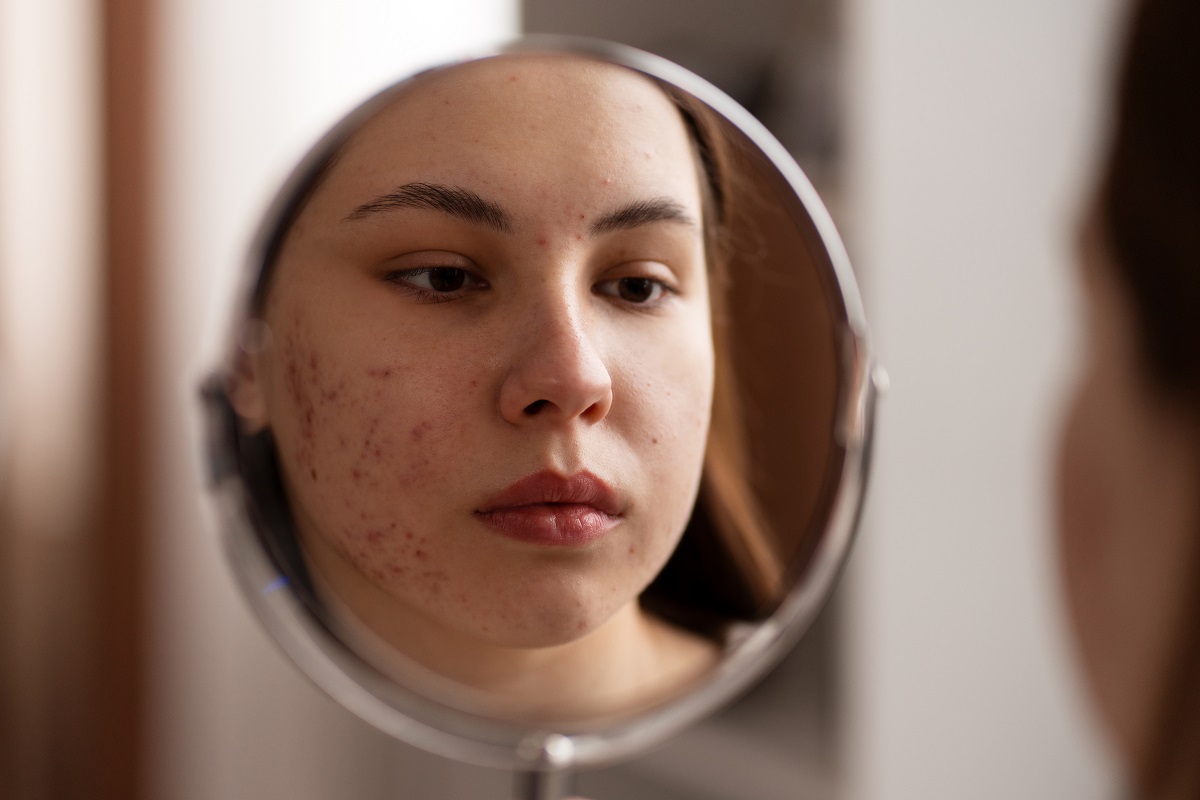
Can PRP Therapy Help with Acne Scars and Uneven Skin Tone?
Hits: 405
Have you ever wished for a solution to stubborn acne scars or uneven skin tone that doesn’t involve invasive procedures or harsh chemicals? If so, platelet-rich plasma (PRP) therapy might be the skin-saving solution you’ve been searching for. This cutting-edge treatment, often referred to as a “Vampire Facial,” is making waves in the world of beauty and aesthetics for its ability to rejuvenate the skin using your body’s natural healing powers.
In this article, we’ll dive deep into the science behind PRP therapy, its effectiveness in addressing acne scars and uneven skin tone, and what you can expect during the process. Whether you’re curious about trying PRP or want to learn more about its benefits, we’ve got you covered.
What Is PRP Therapy?
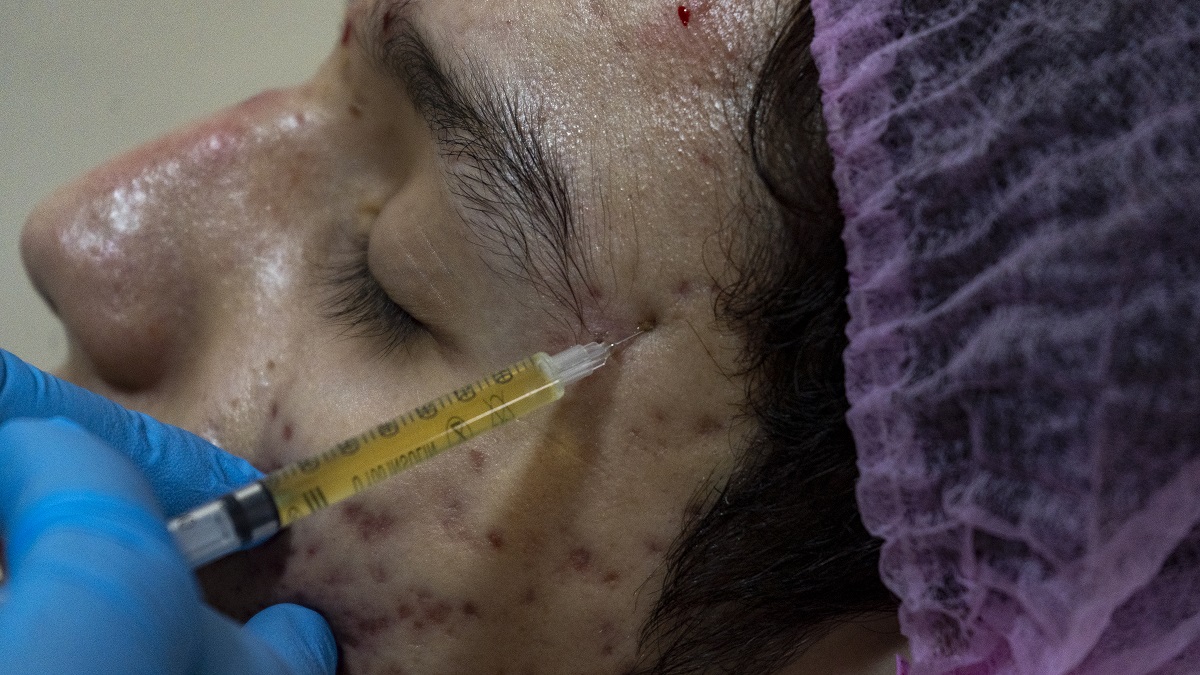
PRP, or platelet-rich plasma therapy, is a minimally invasive treatment that uses your body’s platelets—a component of your blood—to stimulate cell regeneration and collagen production. By injecting or microneedling concentrated platelets into targeted areas, the skin can heal and rejuvenate naturally. But how does it work, and why is it effective for acne scars and uneven skin tone?
The Science Behind PRP Therapy
- Blood Draw and Platelet Separation:
- A small amount of blood is drawn from your arm.
- The blood is placed in a centrifuge, which separates the platelets from other blood components.
- Platelet Activation:
- These concentrated platelets are rich in growth factors that trigger tissue repair and collagen production.
- Application to Skin:
- PRP is either injected into the skin or applied topically during a microneedling session to enhance absorption.
By harnessing your body’s natural ability to heal, PRP therapy addresses a variety of skin concerns without the need for synthetic chemicals or fillers.
How Does PRP Therapy Help with Acne Scars?
Acne scars can be stubborn, making them a major source of frustration for many people. PRP therapy offers a unique approach to minimizing their appearance by targeting the underlying skin structures.
Types of Acne Scars PRP Can Treat:
- Ice-pick scars: Deep, narrow scars that penetrate the skin.
- Boxcar scars: Wide, shallow depressions.
- Rolling scars: Wavy skin textures caused by tethering of the skin.
How PRP Works for Acne Scars:
- Collagen Stimulation: Growth factors in PRP boost collagen production, which helps fill in and smooth out scar depressions.
- Skin Resurfacing: When combined with microneedling, PRP can accelerate skin renewal, improving texture and tone.
- Improved Healing: PRP enhances your skin’s ability to heal itself, reducing redness and inflammation associated with scars.
Can PRP Therapy Even Out Skin Tone?
Uneven skin tone, caused by hyperpigmentation, sun damage, or aging, can make your complexion appear dull or patchy. PRP therapy is an excellent option for revitalizing the skin and restoring a more balanced tone.
Benefits for Uneven Skin Tone:
- Reduces Hyperpigmentation: Growth factors encourage the regeneration of healthy skin cells, diminishing dark spots over time.
- Brightens Skin: PRP therapy enhances blood circulation and cellular turnover, giving your skin a radiant glow.
- Minimizes Pores: By tightening the skin, PRP reduces the appearance of large pores that can contribute to an uneven look.
What to Expect During a PRP Therapy Session
If you’re considering PRP therapy, knowing what to expect can help you feel more confident about the process. Here’s a step-by-step breakdown:
-
Consultation:
- Discuss your skin concerns and goals with a trained professional.
- They’ll evaluate your suitability for PRP therapy and may recommend combining it with other treatments for optimal results.
Ready to experience the benefits of PRP therapy? Contact us today to book your consultation and take the first step toward radiant, rejuvenated skin.
-
Preparation:
- A small blood sample is drawn from your arm.
- Your skin is cleansed, and a numbing cream is applied to minimize discomfort.
-
Platelet Application:
- The extracted PRP is either injected into targeted areas or applied during a microneedling procedure.
-
Post-Treatment Care:
- Mild redness or swelling is normal and typically subsides within a day or two.
- Use gentle skincare products and avoid direct sun exposure for a few days.
-
Results:
- Initial results become visible within a few weeks, with continued improvements over the next few months as collagen rebuilds.
FAQs About PRP Therapy
- Is PRP Therapy Painful?
Most people find the treatment tolerable, especially with the use of numbing cream. You may feel slight discomfort during the microneedling or injection process.
- How Many Sessions Are Needed?
For best results, most professionals recommend 3-4 sessions spaced 4-6 weeks apart.
- Are There Any Side Effects?
Since PRP uses your own blood, the risk of allergic reactions is minimal. Common side effects include mild redness, swelling, or bruising.
- Can PRP Be Combined with Other Treatments?
Absolutely! PRP is often paired with microneedling, chemical peels, or laser treatments for enhanced results.
- Who Should Avoid PRP Therapy?
PRP may not be suitable for individuals with blood disorders, active skin infections, or those taking certain medications. Always consult a medical professional before proceeding.
Tips for Maximizing PRP Results
To get the most out of your PRP therapy, follow these actionable strategies:
- Prep Your Skin:
- Avoid exfoliants and harsh skincare products a week before your appointment.
- Stay hydrated and eat a balanced diet to support healthy blood production.
- Follow Aftercare Instructions:
- Use a gentle cleanser and moisturizer.
- Apply sunscreen daily to protect your healing skin.
- Be Patient:
- Collagen rebuilding takes time, so results may take a few weeks to months to fully appear.
- Maintain a Skincare Routine:
- Incorporate serums with vitamin C and hyaluronic acid to complement PRP’s effects.
- Consider Maintenance Sessions:
- Annual or bi-annual treatments can help maintain your results over the long term.
Conclusion
PRP therapy offers an innovative, natural way to tackle acne scars and uneven skin tone, making it a popular choice for those seeking healthier, more radiant skin. By harnessing your body’s healing powers, PRP delivers results that are both effective and long-lasting.
If you’re ready to transform your skin, consult a qualified professional to see if PRP therapy is right for you. Don’t let acne scars or uneven skin tone hold you back—take the first step toward a brighter, more confident you today!
Why Choose Amazing New Face?
Searching for a trusted professional in cosmetic treatments? With over 20 years of experience, I specialize in Botox, fillers, PRP, and mesotherapy. As a proud graduate of Tehran University of Medical Sciences and former expert at Iran's top beauty clinic, I customize each treatment to your unique needs, achieving natural, beautiful results. Your safety, satisfaction, and confidence are my top priorities. Ready to refresh your look and boost your confidence? Book your consultation today and experience expert care tailored just for you!
