
Amazing New Face Blog
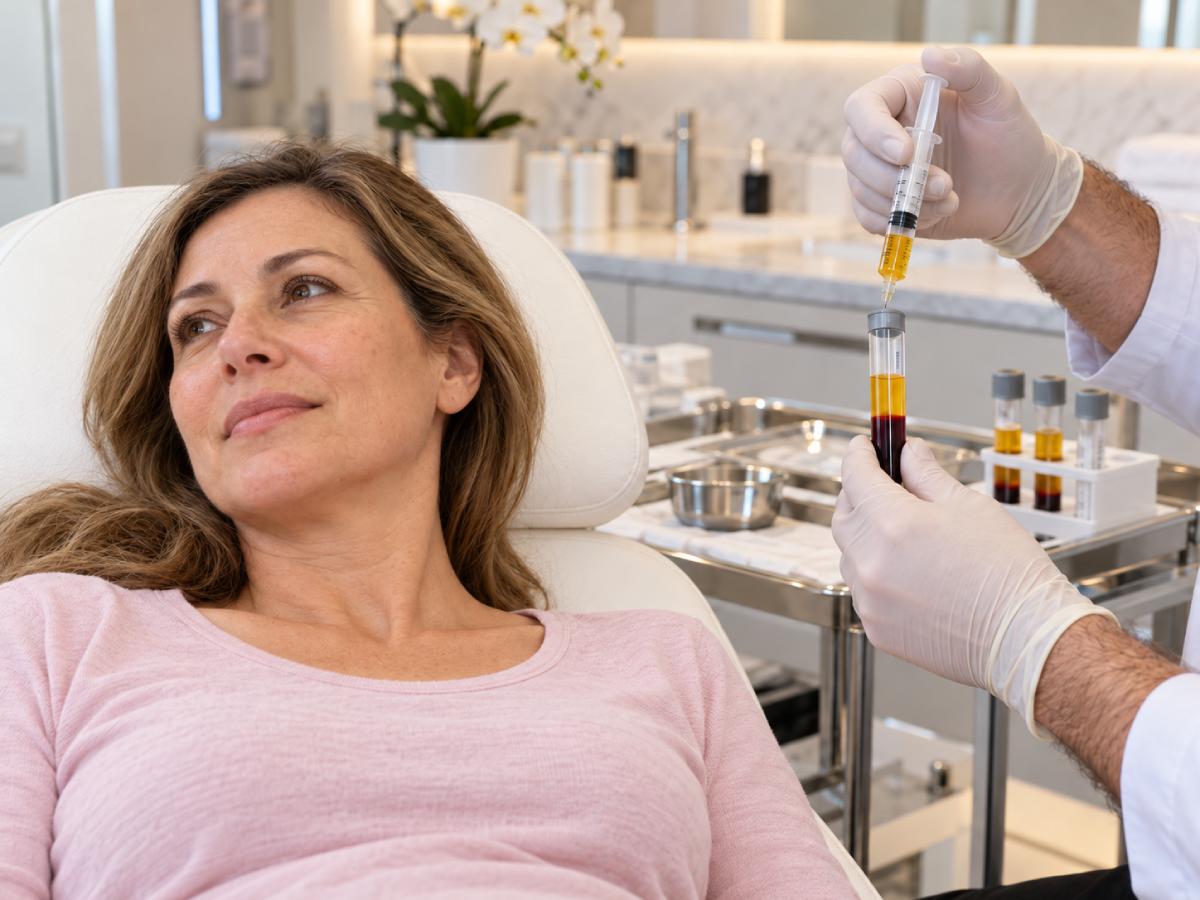
You are over 40 and noticing changes in your facial skin, but you are unsure whether PRP is worth considering. Perhaps fine lines or uneven texture concern you, or you simply want to understand your options before deciding on treatment.
A PRP consultation should help clarify your concerns, explain the procedure, and explore realistic expectations without assuming you are a suitable candidate.
For adults in Thornhill, Whitby, and the GTA, knowing what to ask can support a more informed decision.
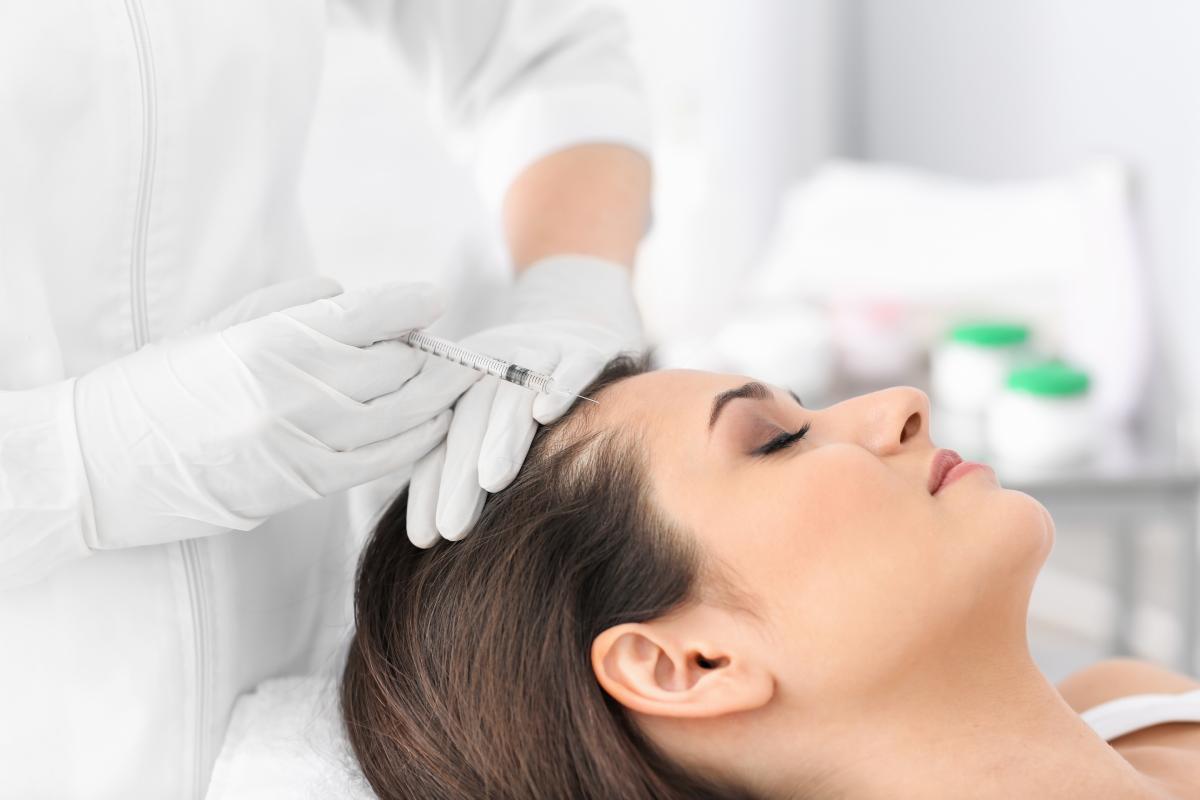
If you are considering a mesotherapy consultation in Thornhill, the first question should not simply be, “What does mesotherapy do?”
A better question is: What are we trying to address, and what exactly would be used for that goal?
Mesotherapy is a technique rather than one standard treatment with one fixed formula. The substances used, the treatment goal, and the plan may vary from one person to another. That makes the consultation an important part of deciding whether the proposed approach makes sense for you.
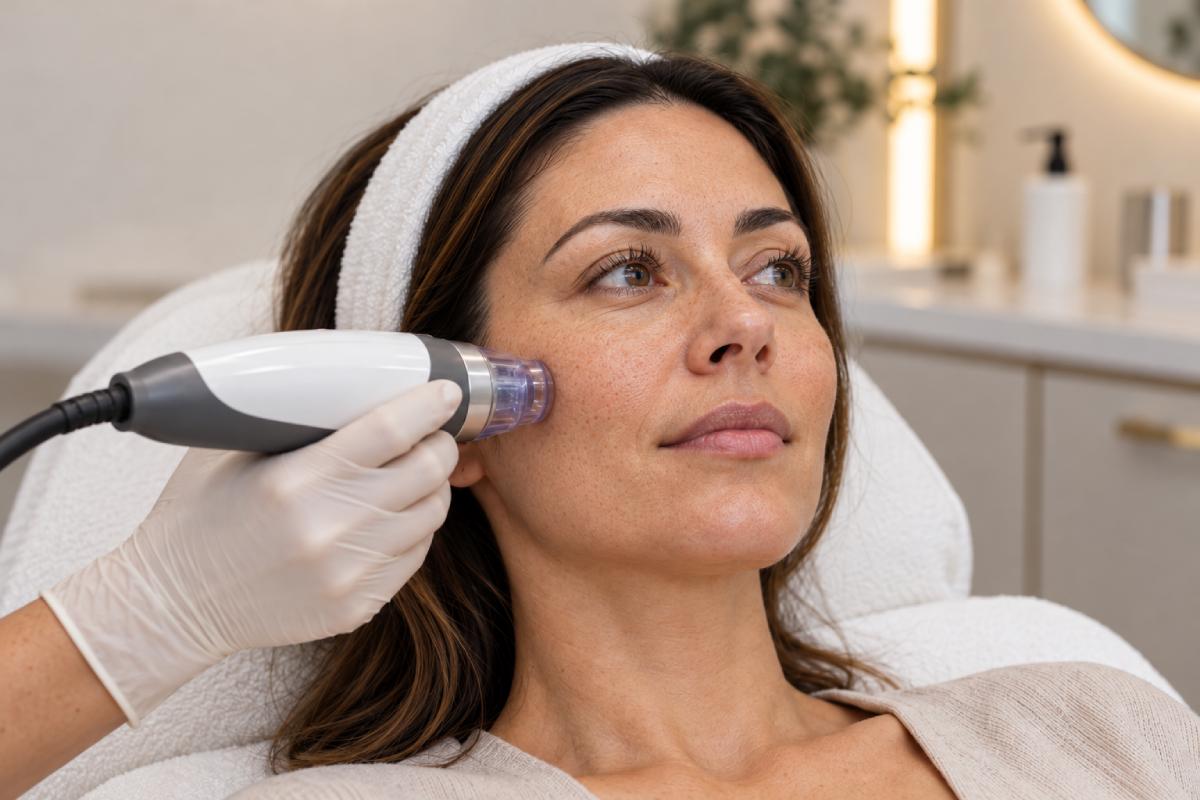
Enlarged pores can make your skin look uneven, especially around the nose and cheeks. If you're considering RF microneedling, you may wonder whether it can make those pores less noticeable or if the results are often overstated.
RF microneedling may improve the appearance of enlarged pores by supporting changes in skin texture. However, it cannot eliminate pores, and results vary from person to person.
Understanding what influences those results can help you decide whether treatment is worth considering.
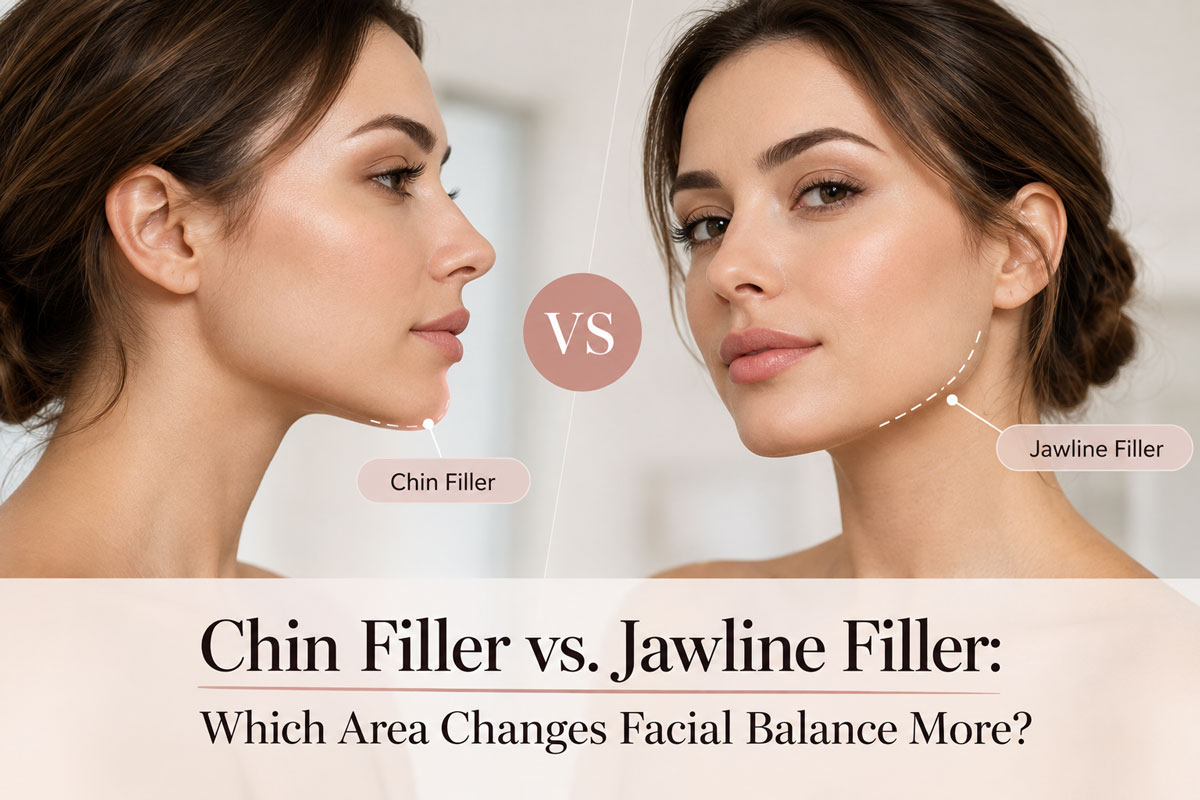
If you are comparing chin filler vs jawline filler, the key question is not which treatment creates a bigger change. It is which area is affecting the facial proportion you want to address.
The chin and jawline are closely connected, but they play different roles. Chin projection can influence the side profile and the relationship between the lower face and surrounding features. Jawline treatment is more focused on the contour of the lower facial border.
Which area matters more depends on anatomy, skin, soft tissue, previous treatment, and personal goals.
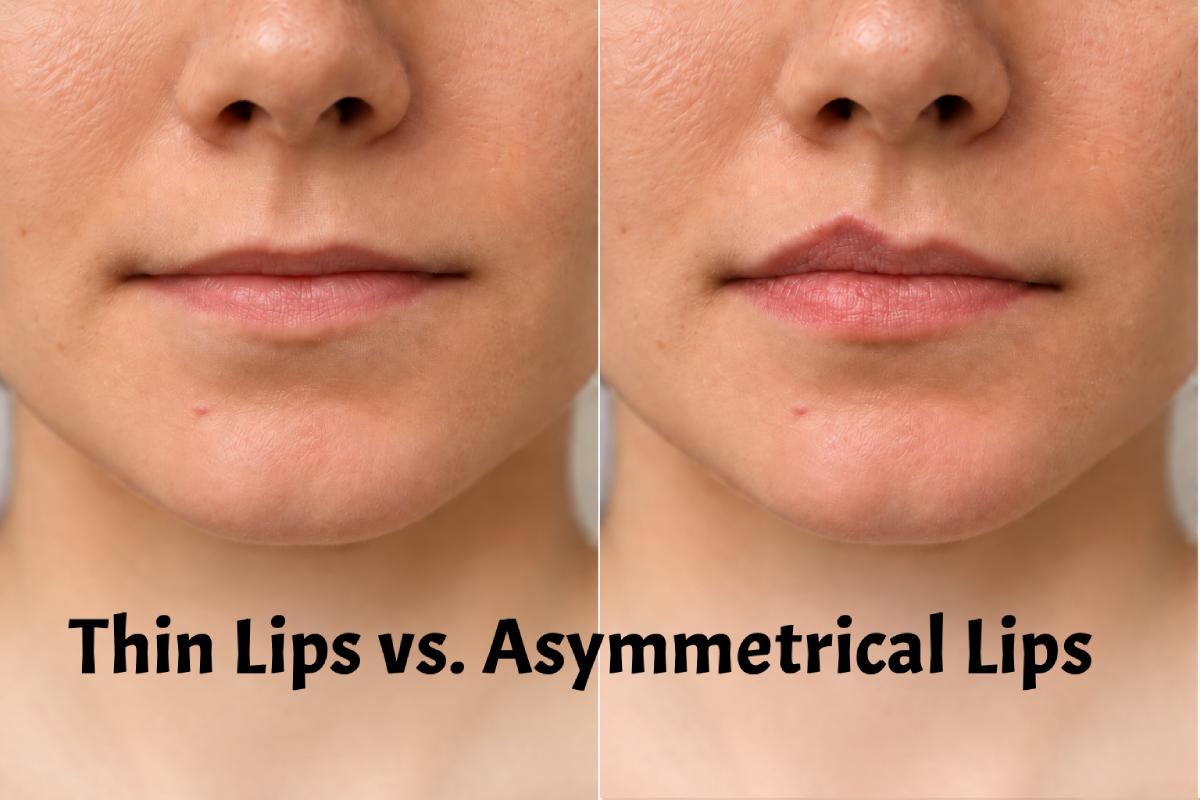
You may want slightly fuller lips without changing their natural shape. Someone else may be happy with their lip size but notice that one side looks different from the other.
Both concerns might lead to a lip filler consultation, but they require different questions.
Thin lips often involve volume and definition. Asymmetrical lips may involve differences in volume, shape, structure, or movement. Sometimes, both concerns exist together.
Understanding these differences matters because adding filler does not automatically create balance. A thoughtful assessment should consider natural anatomy, individual preferences, and realistic limitations before recommending treatment.
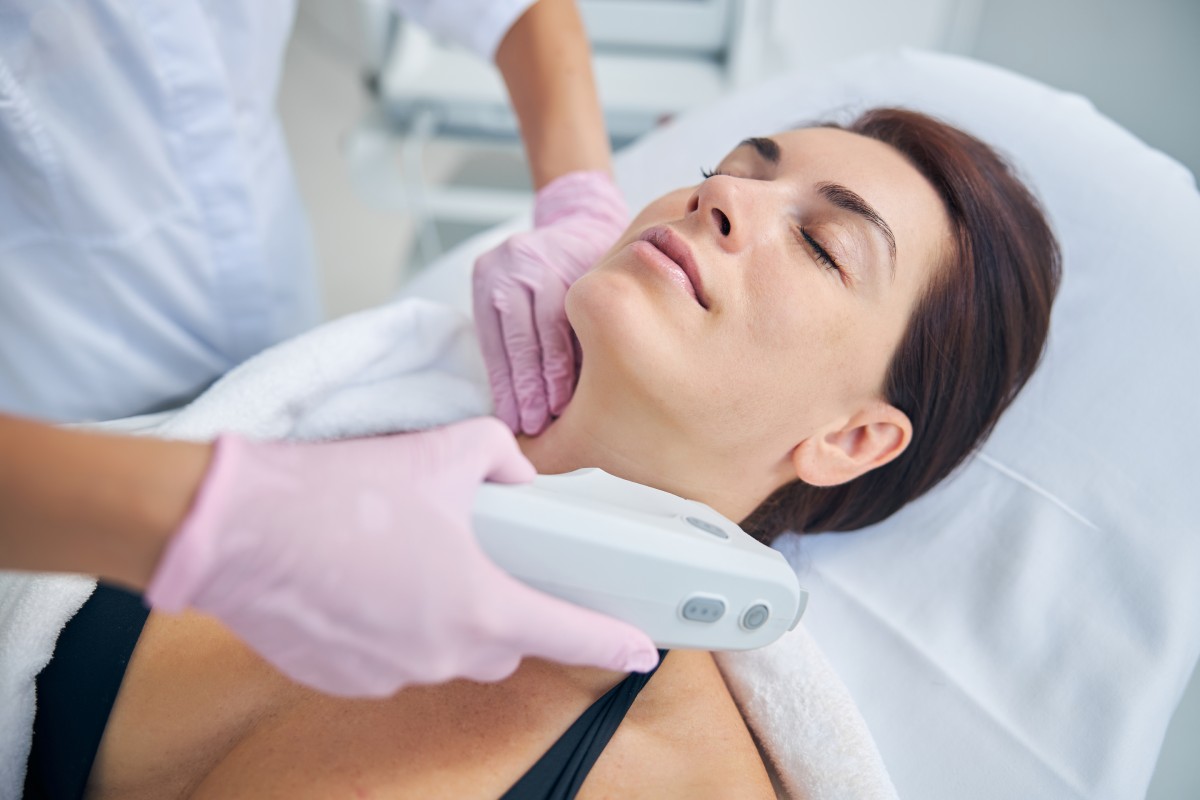
If you are considering a HIFU treatment, one practical question probably matters almost as much as the treatment itself:
What should you expect afterward?
Can you return to work? Could your skin look red or feel tender? Should you avoid booking HIFU right before an important event?
There is no single recovery experience that applies to everyone. HIFU does not involve surgical recovery, but temporary reactions can still occur.
The best approach is to understand what may happen and plan your schedule with some flexibility.
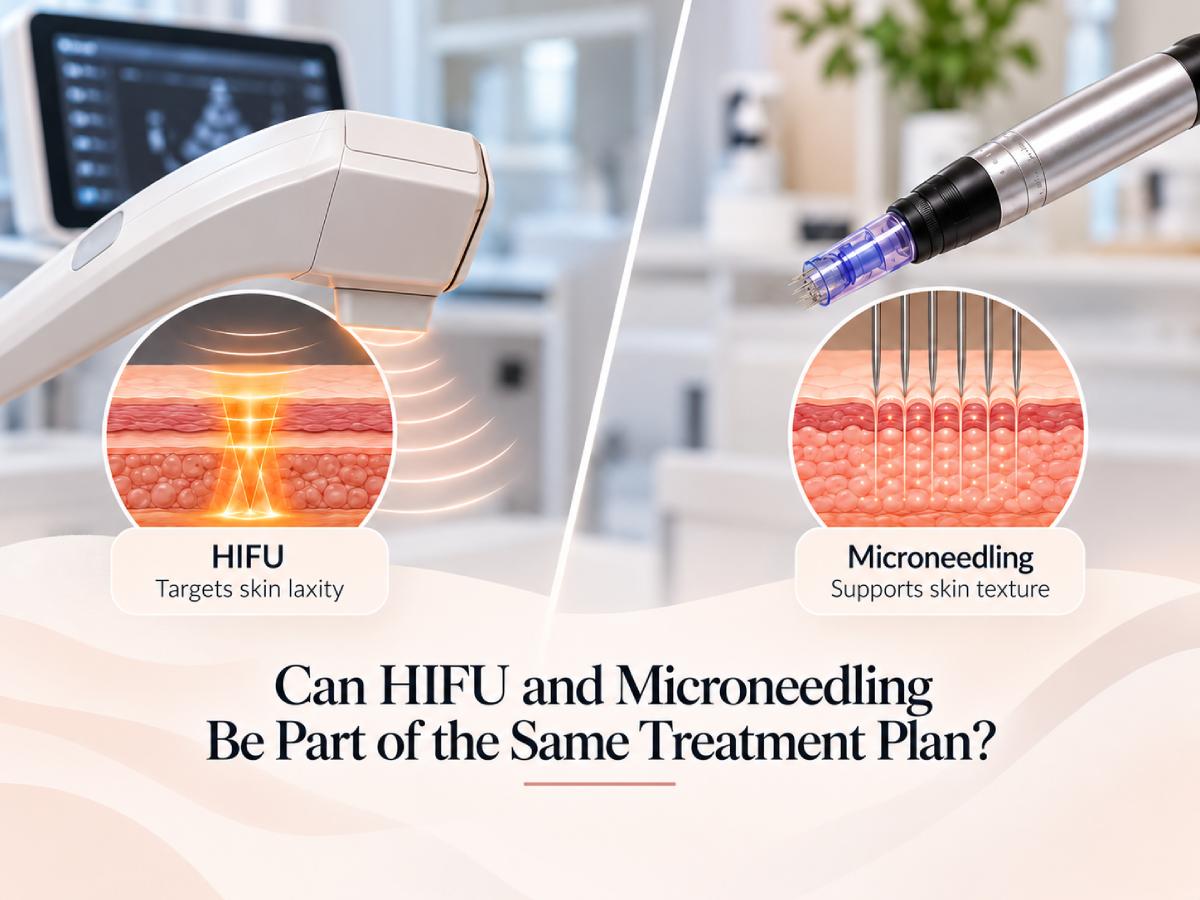
If you are considering HIFU and microneedling, you may wonder whether they can be part of the same treatment plan- or whether combining them simply means doing more treatment than you need.
The answer depends on what you want to address.
HIFU and microneedling are different procedures that work in different ways. In some cases, both may be discussed as part of a broader plan. In others, one treatment—or a completely different approach- may make more sense.
The goal is not to combine treatments for the sake of doing more. It is to identify the main concern first, then decide which option fits it most reasonably.

When people search for laugh line filler, they often expect the solution to focus only on the lines around the mouth. However, facial appearance is not created by one area working alone. The relationship between facial proportions, volume, skin quality, and surrounding features can influence how laugh lines appear and how they are assessed during a consultation.
A thoughtful filler treatment plan is not always about adding volume directly where a line is visible. Instead, an aesthetic consultation may look at the overall balance of the face and the factors contributing to the appearance of laugh lines. Understanding this approach can help you ask better questions and set realistic expectations before making a decision.

When you visit a new aesthetic clinic, your previous treatments matter.
A good aesthetic consultation should consider what you have had done before, what you liked or disliked, your current goals, and what you want to avoid. This helps the practitioner understand your starting point instead of assuming every area is untreated or that an old treatment should simply be repeated.

Choosing an aesthetic clinic is not always about finding the lowest price or the most impressive before-and-after photos. Many people considering non-surgical aesthetic services want to understand a more important question: how can they compare clinics and decide which approach matches their goals, expectations, and personal situation?
An aesthetic clinic consultation gives you an opportunity to ask questions, understand available options, and learn how a clinic approaches assessment and treatment planning. The goal is not to choose the most aggressive option, but to find a clinic that values communication, realistic expectations, and personalized planning.
