
Amazing New Face Blog
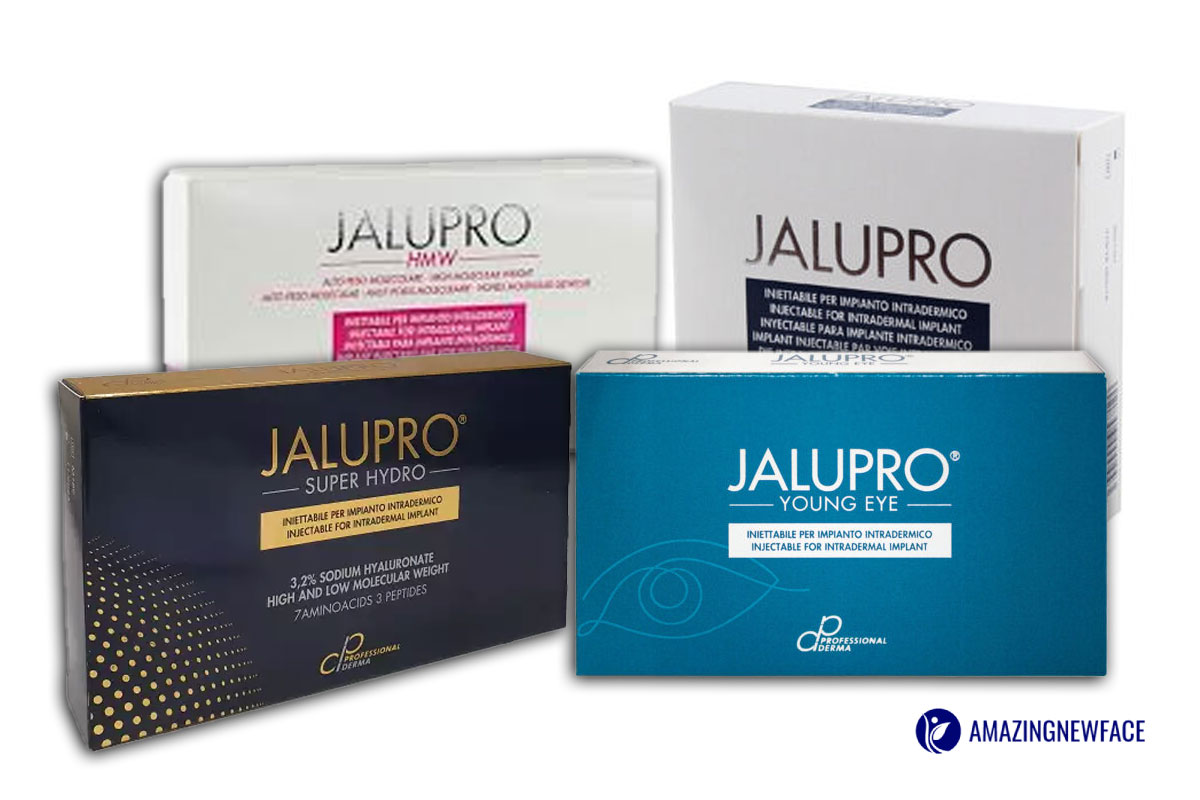
As we age, our skin naturally loses some of its firmness, elasticity, and hydration, leading to wrinkles, fine lines, and sagging. While many people are familiar with treatments like Botox or dermal fillers, there’s another treatment that’s gaining attention for its ability to restore youthfulness: Jalupro Mesogel. But what exactly is it, and how does it work? More importantly, in which areas of your face and body can it be injected to achieve optimal results?
In this article, we’ll provide a comprehensive breakdown of Jalupro Mesogel, its benefits, and the areas where it can be used. Whether you're considering this treatment or just curious about the latest beauty innovations, this guide will help clear up any questions you have about Jalupro and its transformative effects.
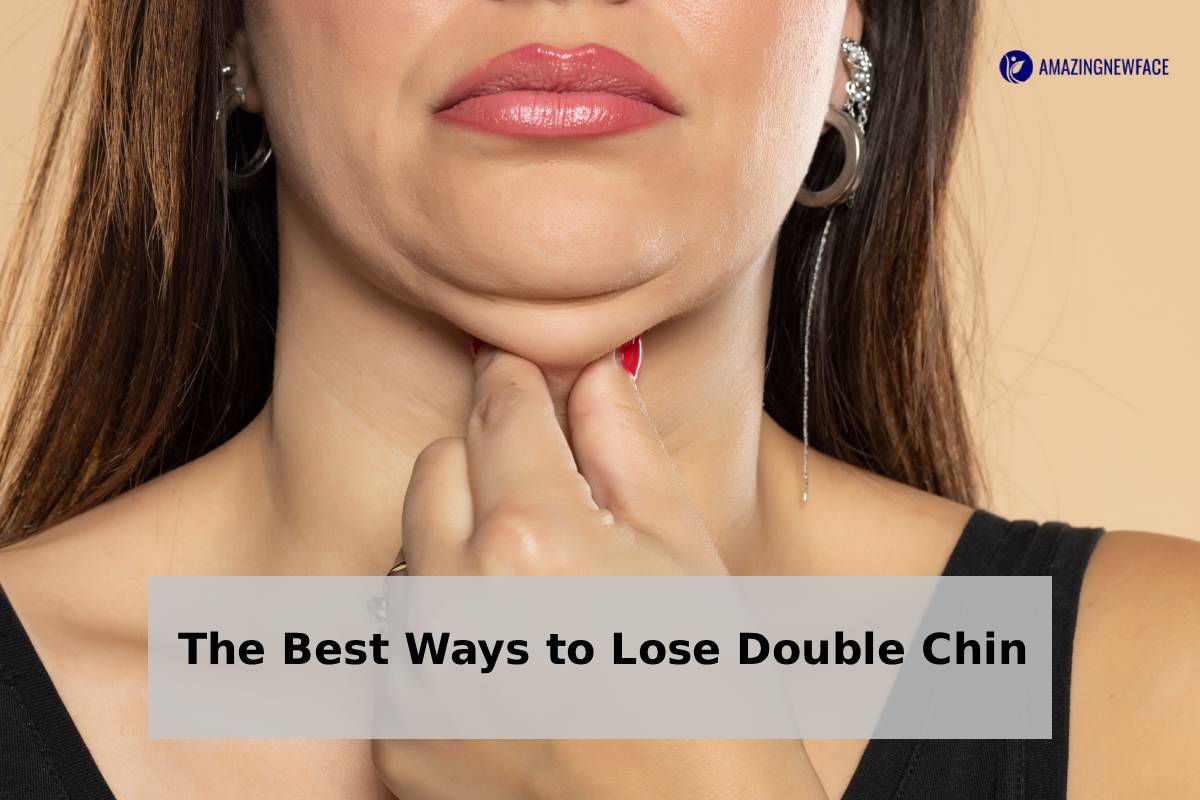
A double chin rarely shows up because you “did something wrong.” For many people, it appears gradually, sometimes even when their weight hasn’t changed at all. One day, you notice it in selfies, video calls, or certain angles-and once you see it, it’s hard to ignore.
If you’re searching for the best ways to lose double chin, chances are you’re asking very specific questions:
If you’ve just had a frown line injection-or you’re thinking about it-you probably have one big question:
“What should I do now so I don’t mess this up?”
That’s a smart question.
Because aftercare is where most confusion, anxiety, and misinformation live.
This article answers all common question and hidden concern women have after frown line injections-clearly, calmly, and without medical jargon. No sales talk. No scare tactics. Just honest guidance so you feel informed and confident.

You can have the smoothest skin-care routine, the most thoughtful wardrobe, and a face that looks refreshed and rested-yet your hands may still quietly give your age away. That’s where rejuvenation of the back of the hand with filler injections comes in.
Hands age faster than most people expect. They’re constantly exposed to the sun, water, chemicals, and daily wear, often with little protection. Over time, volume loss, visible veins, tendons, and crepey skin can make hands look older than the rest of you. The good news? Modern aesthetic medicine offers subtle, effective ways to restore a youthful appearance without surgery.
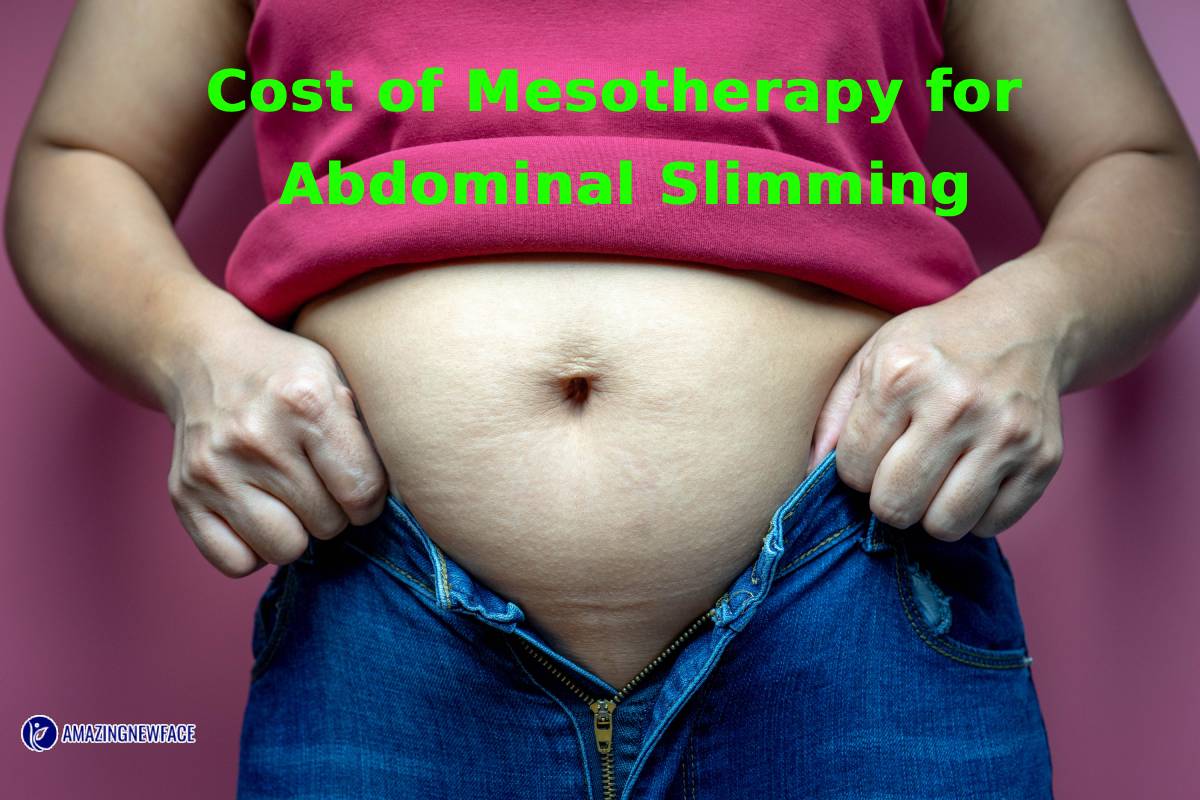
If you’ve been Googling “mesotherapy belly fat cost” or “abdominal slimming injections price,” chances are you’re not just curious - you’re trying to make a smart, informed decision.
You want to know:
- Does it actually work?
- How much does it really cost?
- Is it worth it compared to other options?
- And most importantly… is it right for me?
This guide breaks it all down in plain, honest language, without hype or pressure - just clear answers you can trust.
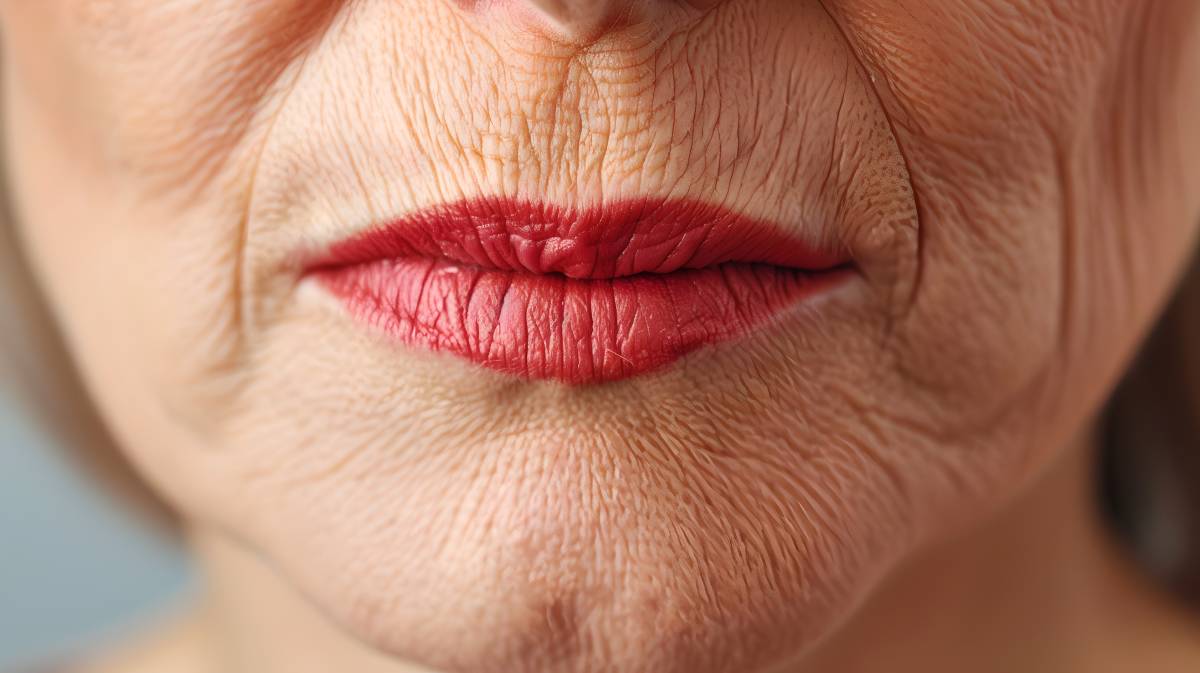
It’s common to notice fine lines or deeper wrinkles around the lips as we age. These lines, often called "smoker’s lines" or "lipstick lines," can be one of the first signs of aging. They often become more noticeable as collagen and elastin production in the skin decreases, resulting in a loss of firmness and elasticity. Factors like sun exposure, smoking, repetitive facial expressions, and even genetics can contribute to the formation of these lines.
While these wrinkles are a natural part of the aging process, it’s completely understandable if you want to address them. After all, a youthful appearance isn't just about your face as a whole, but the little details, like smooth skin around the lips, that make a big difference. Fortunately, there are plenty of solutions available to help reduce and eliminate these lines, from professional treatments to natural remedies you can try at home.
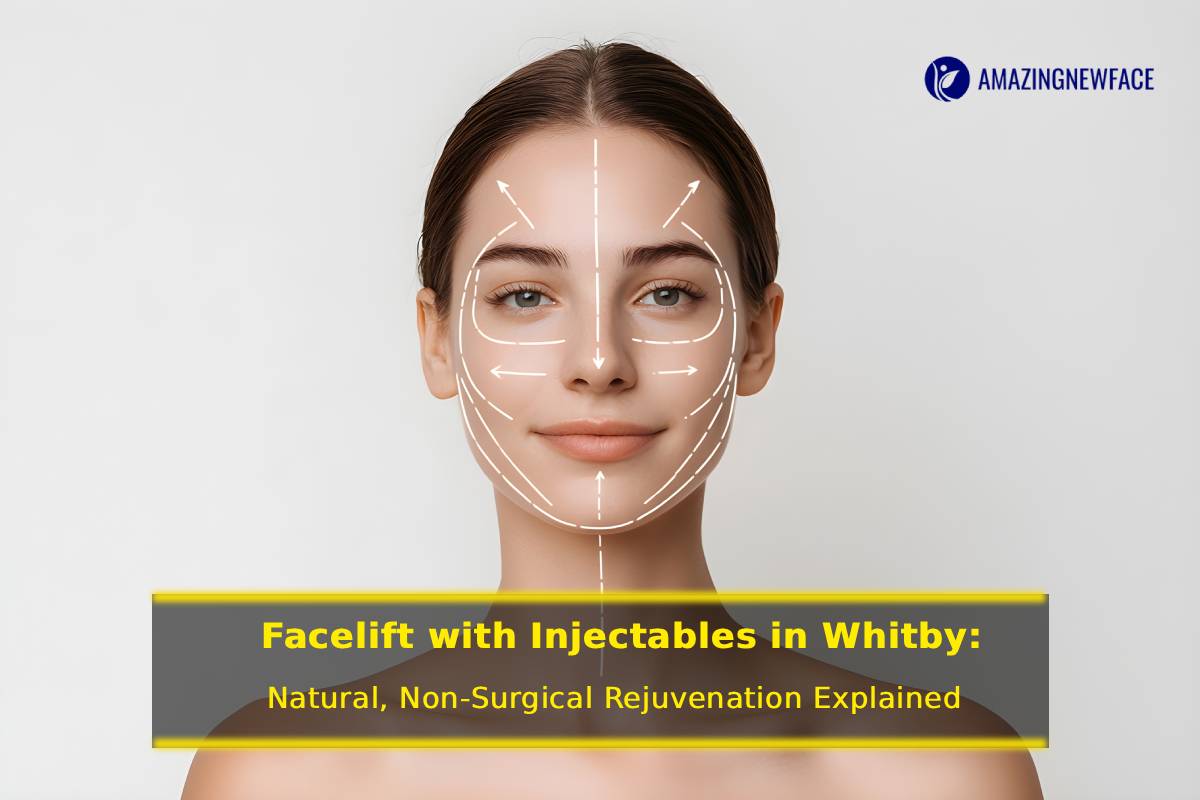
Most people don’t wake up one day and suddenly feel older. Instead, it’s gradual. Your face still looks like you, but something feels off. Maybe your cheeks don’t sit the way they used to. Maybe your jawline looks softer. Or maybe people keep asking if you’re tired when you’re not.
This is where confusion usually starts.
You hear terms like non-surgical facelift, injectables, fillers, skin boosters, and anti-aging treatments. Some people swear by them. Others warn you to stay away. And in between, there’s a lot of misinformation.
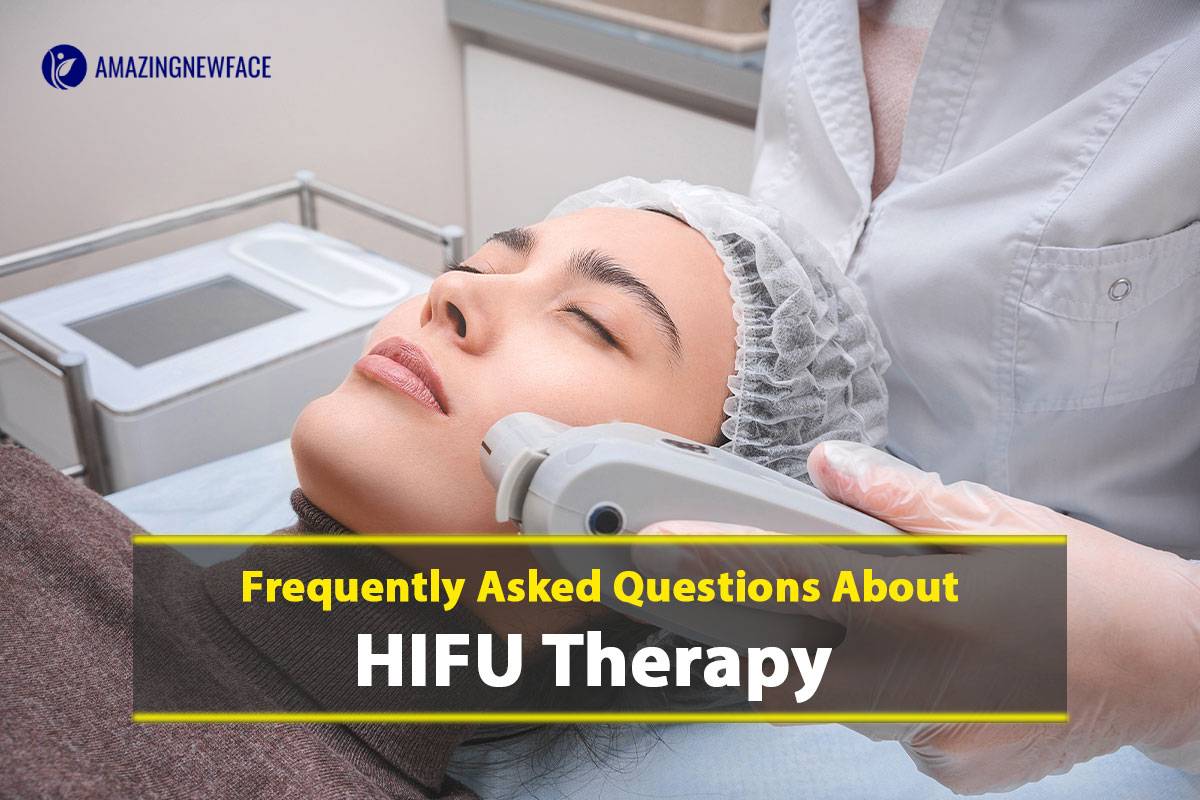
If you’ve ever typed “Does HIFU really work?”, “How long do HIFU results last?”, or “Is HIFU better than Botox?” into Google or asked an AI tool late at night, you’re not alone.
HIFU therapy is one of the most searched non-surgical skin tightening treatments today. Yet despite its popularity, many people walk into clinics feeling confused, overwhelmed, or unsure about what’s realistic.
We will also touch on real-world clinical experiences, including what patients commonly ask in cosmetic clinics, where education and realistic expectations are as important as results.
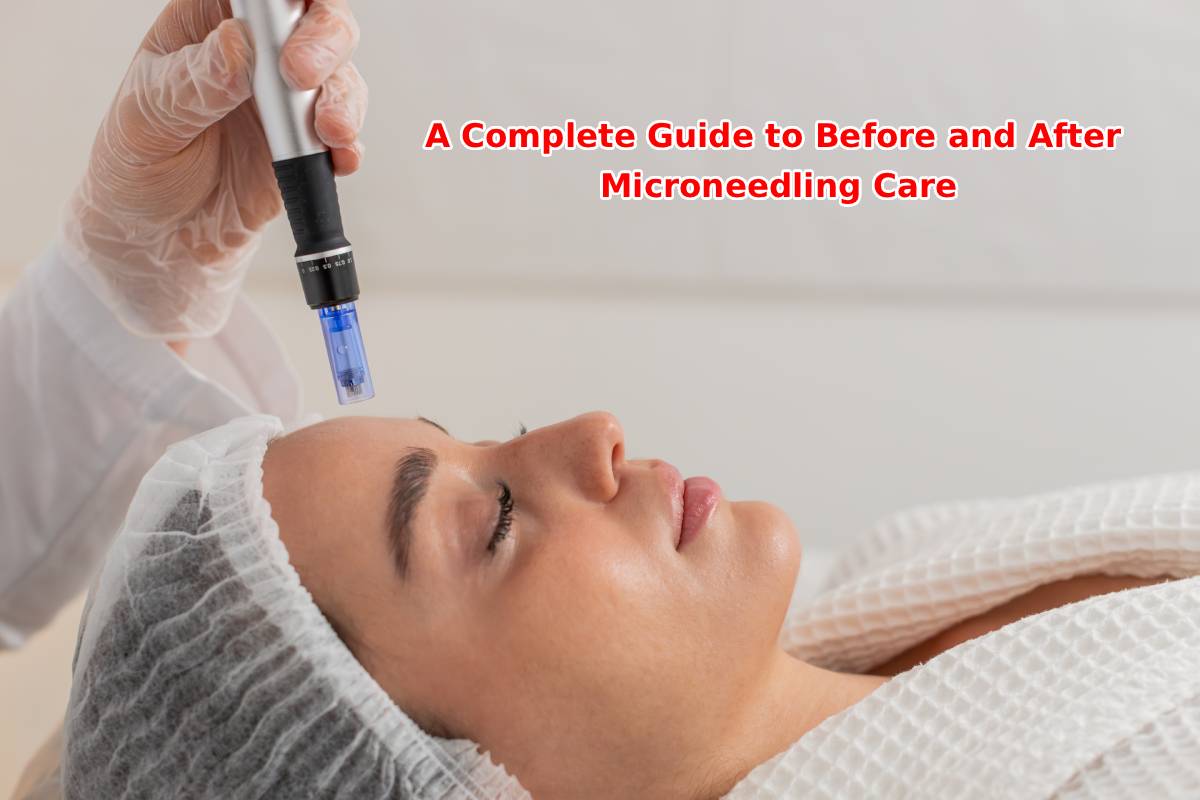
Microneedling has become one of the most talked-about skin treatments in recent years-and for good reason. When done properly and cared for correctly, it can dramatically improve skin texture, tone, and overall radiance.
But here’s the part many people overlook: microneedling results depend just as much on what you do before and after the treatment as the procedure itself.
If you’ve ever wondered why one person glows after microneedling while another struggles with irritation or slow healing, the answer often lies in preparation and aftercare.
Whether you’re planning your first session or refining your routine, this guide is designed to help you get the best possible outcome-without confusion or overwhelm.
You finally treated yourself to Botox-amazing. Whether you wanted softer forehead lines, smoother crow’s feet, or a refreshed expression, good aftercare is what makes the results look natural and long-lasting.
But the most common question people ask right after treatment is:
“How do I wash my face after Botox? Am I allowed to touch it? Will I ruin anything?”
