
Amazing New Face Blog
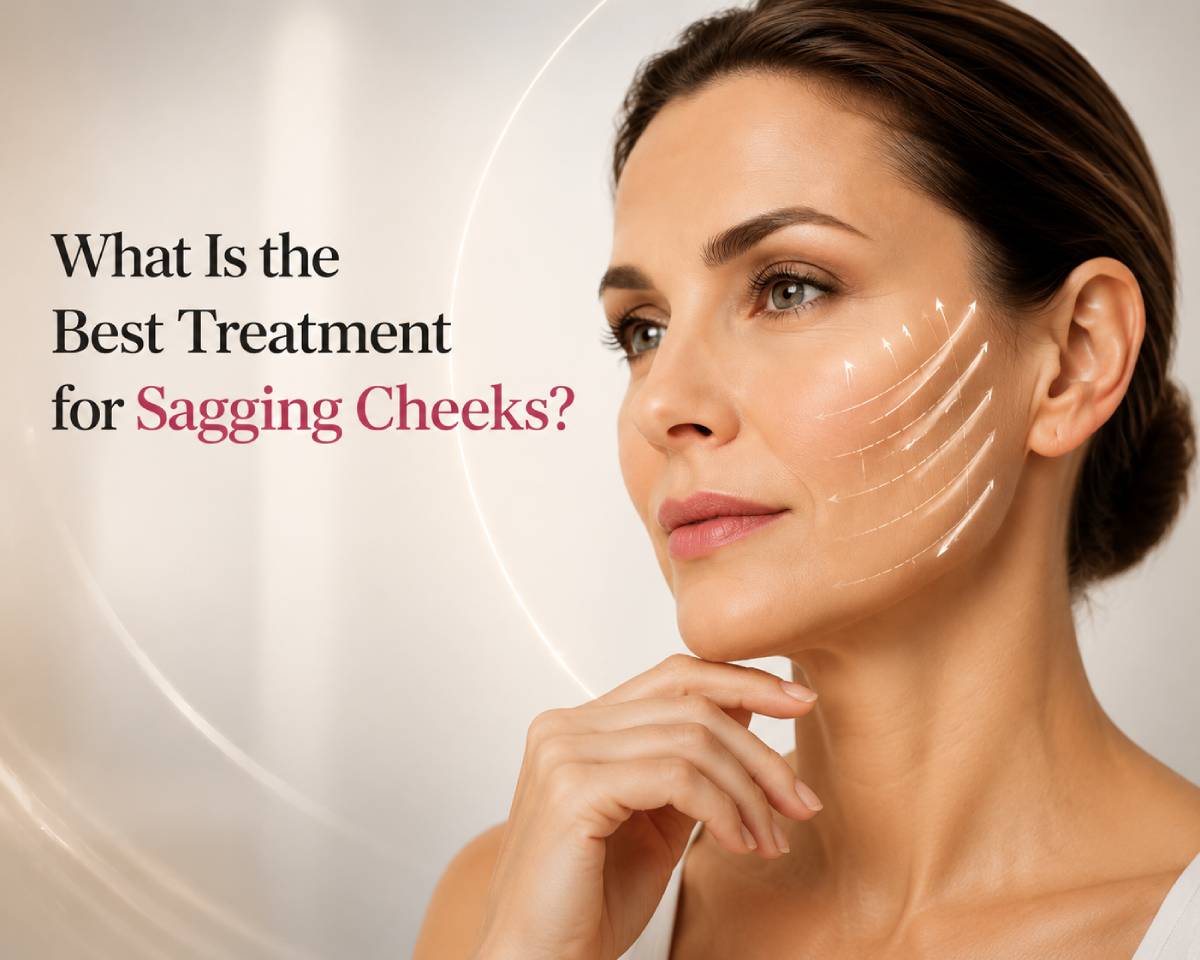
What Is the Best Treatment for Sagging Cheeks?
Hits: 134
Have your cheeks started looking flatter, your smile lines deeper, or your face less defined than it used to? These are some of the earliest and most common signs of facial aging. While many people assume surgery is the only solution, today's aesthetic medicine offers several non-surgical treatments that can restore facial contours with natural-looking results and little downtime.
The challenge is that there isn't a single treatment that's best for everyone. Sagging cheeks can result from volume loss, collagen depletion, skin laxity, or a combination of all three. Choosing the right treatment begins with understanding what's actually causing the change.
Whether you're exploring your options for the first time or comparing treatments before booking a consultation, this guide explains the most effective non-surgical solutions, how they work, and what kind of results you can realistically expect.
Quick Answer
The best treatment for sagging cheeks depends on the underlying cause of facial aging. If your cheeks have lost volume, dermal fillers or Sculptra may provide the most noticeable improvement. If loose skin is the primary concern, collagen-stimulating treatments such as RF Microneedling or Ultherapy may be more appropriate. Many patients achieve the most balanced, natural-looking outcome through a personalized combination of treatments rather than relying on a single procedure.
Why Do Cheeks Sag as We Age?
Sagging cheeks are not caused by loose skin alone. Facial aging is a gradual process involving several layers of the face, including the skin, fat, muscles, and even the underlying bone.
Beginning in our late twenties, collagen production naturally slows by approximately 1% each year, making skin less firm and elastic over time. At the same time, the fat pads that create youthful facial volume gradually shrink and shift downward. Bone remodeling also reduces structural support, contributing to a flatter mid-face and softer facial contours.
These combined changes can lead to:
- Flatter cheeks
- Less facial definition
- Deeper nasolabial folds
- Early jowls
- A tired or older appearance
Several lifestyle factors can accelerate this process, including:
- Excessive sun exposure
- Smoking
- Significant weight fluctuations
- Chronic stress
- Poor skincare habits
- Genetics
While aging cannot be stopped, understanding why these changes occur makes it much easier to choose the most effective treatment.
At What Age Do Cheeks Usually Start to Sag?
Many people believe facial sagging begins in their fifties, but subtle changes often appear much earlier.
For many women, collagen production begins declining during the late twenties. By the late thirties and forties, gradual volume loss often becomes noticeable around the cheeks, temples, and jawline. During the fifties and beyond, reduced skin elasticity and the effects of gravity usually make sagging more pronounced.
The timeline varies significantly from person to person. Genetics, sun exposure, skincare habits, smoking, and overall health all influence how quickly facial aging develops.
In our experience, many patients visiting aesthetic clinics across Toronto, Richmond Hill, and the Greater Toronto Area are surprised to learn that restoring lost facial volume, not simply tightening the skin, is often the key to achieving a naturally refreshed appearance.
Can You Lift Sagging Cheeks Naturally?
Healthy lifestyle habits play an important role in maintaining skin quality, but they cannot restore lost facial volume or significantly tighten loose skin once aging changes have developed.
Supporting your skin with healthy daily habits can help slow future aging:
- Wear broad-spectrum sunscreen every day.
- Stay well hydrated.
- Eat a balanced diet rich in antioxidants.
- Avoid smoking.
- Get sufficient sleep.
- Follow a medical-grade skincare routine recommended by a qualified professional.
Facial massage and facial exercises are frequently promoted online as alternatives to cosmetic treatments. While they may temporarily improve circulation or reduce facial tension, current scientific evidence does not show that they can meaningfully lift sagging cheeks caused by collagen loss or structural aging.
If noticeable sagging has already developed, professionally performed non-surgical treatments generally provide more predictable, longer-lasting, and evidence-based results.
What Is the Best Treatment for Sagging Cheeks?
There isn't a universal answer because every face ages differently.
Some individuals primarily lose facial volume, while others experience skin laxity or declining collagen production. Most people actually experience a combination of these changes.
Instead of asking:
"What is the best treatment for sagging cheeks?"
a more helpful question is:
"What treatment is best for my facial anatomy and aging pattern?"
An experienced aesthetic provider should evaluate several factors before recommending treatment, including:
- Facial proportions
- Degree of volume loss
- Skin quality
- Collagen health
- Medical history
- Personal aesthetic goals
This personalized approach typically produces results that look refreshed rather than overdone.
Not Sure Which Treatment Is Right for You?
Every face ages differently, which means there is no one-size-fits-all solution. A personalized consultation allows an experienced provider to assess your facial structure, skin quality, and aesthetic goals before recommending the most appropriate treatment.
Book a consultation with Amazing New Face to discover whether Dermal Fillers, Sculptra, RF Microneedling, Ultherapy, or another approach is the best fit for your facial rejuvenation goals.
Who Is a Good Candidate for Non-Surgical Cheek Rejuvenation?
You may be a good candidate if you:
- Have mild to moderate cheek sagging
- Notice loss of facial volume
- Want natural-looking improvement without surgery
- Have realistic expectations
- Are in generally good health
- Prefer minimal downtime
Individuals with advanced skin laxity may still benefit from non-surgical treatments, although surgical facial rejuvenation may provide more dramatic correction in certain cases. A comprehensive consultation is the best way to determine the most appropriate treatment plan.
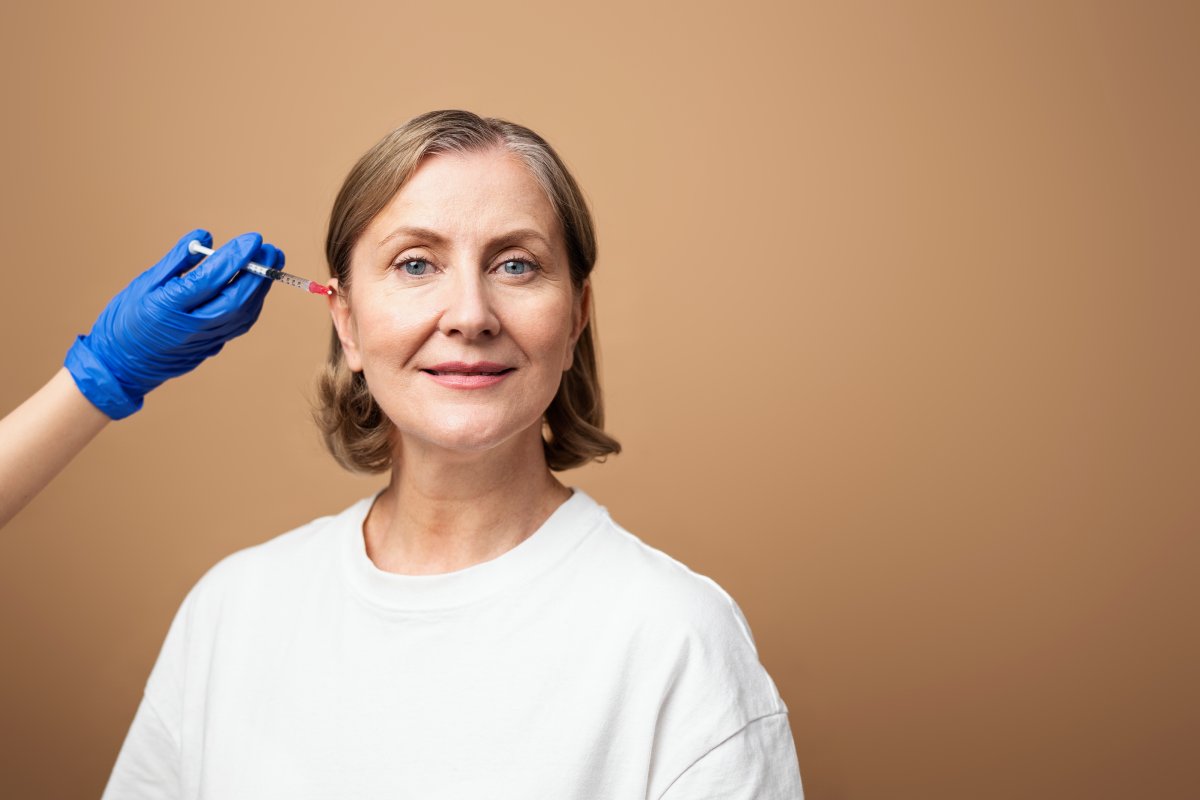
Dermal Fillers: Restoring Youthful Facial Volume
Dermal fillers remain one of the most popular non-surgical treatments for sagging cheeks because they directly replace the volume lost through aging.
Rather than simply making cheeks larger, modern injection techniques focus on restoring facial structure and supporting the mid-face.
Strategically placed dermal fillers can:
- Restore cheek projection
- Lift the mid-face
- Reduce the appearance of smile lines
- Improve jawline definition
- Create balanced facial contours
- Refresh the overall appearance without changing facial identity
When performed conservatively by an experienced injector, fillers should enhance your natural features, not create an artificial or overfilled appearance.
How long do cheek fillers last?
Most hyaluronic acid cheek fillers last between 12 and 24 months, depending on the product used, treatment area, and individual metabolism.
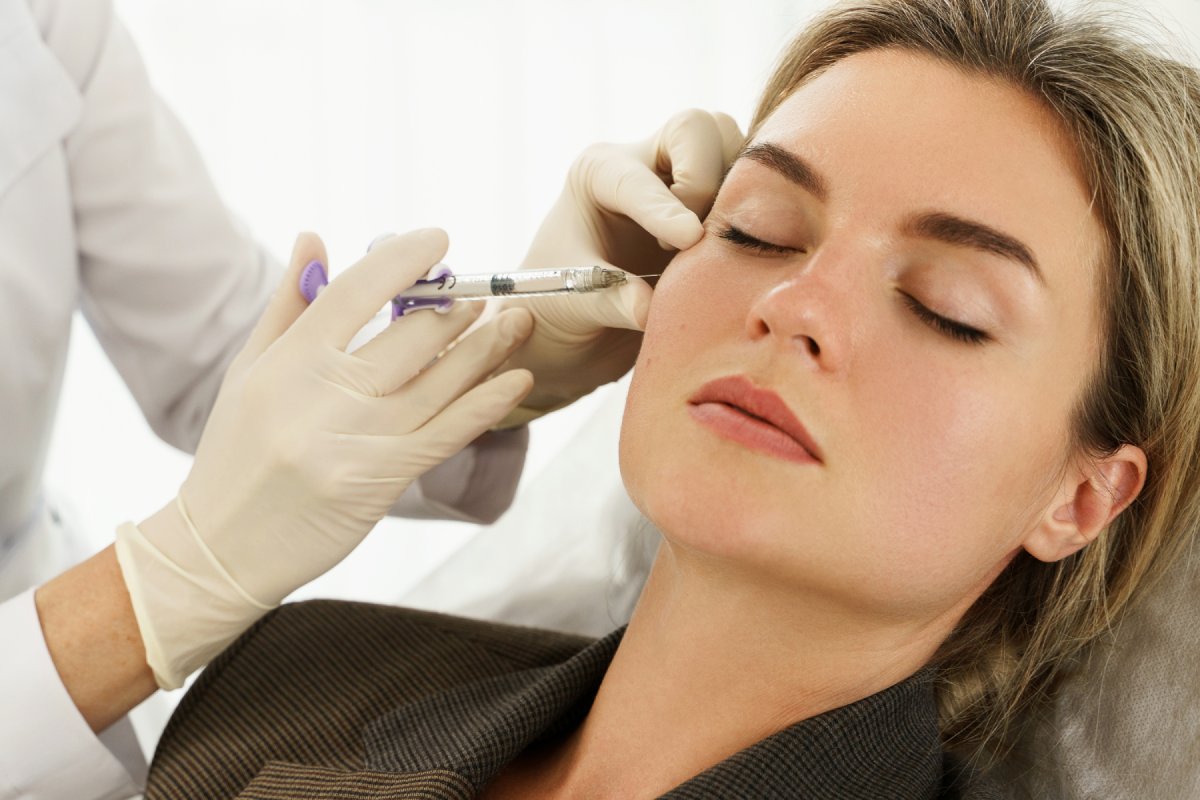
Sculptra: Rebuilding Collagen Naturally
Unlike traditional dermal fillers, Sculptra works by stimulating your body's own collagen production rather than providing immediate volume.
This makes it an excellent option for individuals seeking gradual, subtle facial rejuvenation.
Benefits include:
- Progressive improvement over several months
- Natural-looking facial volume
- Better skin quality
- Long-lasting collagen stimulation
- Softer, healthier-looking skin
Many patients appreciate that friends often notice they look more refreshed without realizing they've had an aesthetic treatment.
Because collagen remodeling takes time, improvements continue developing gradually for several months after each treatment session.
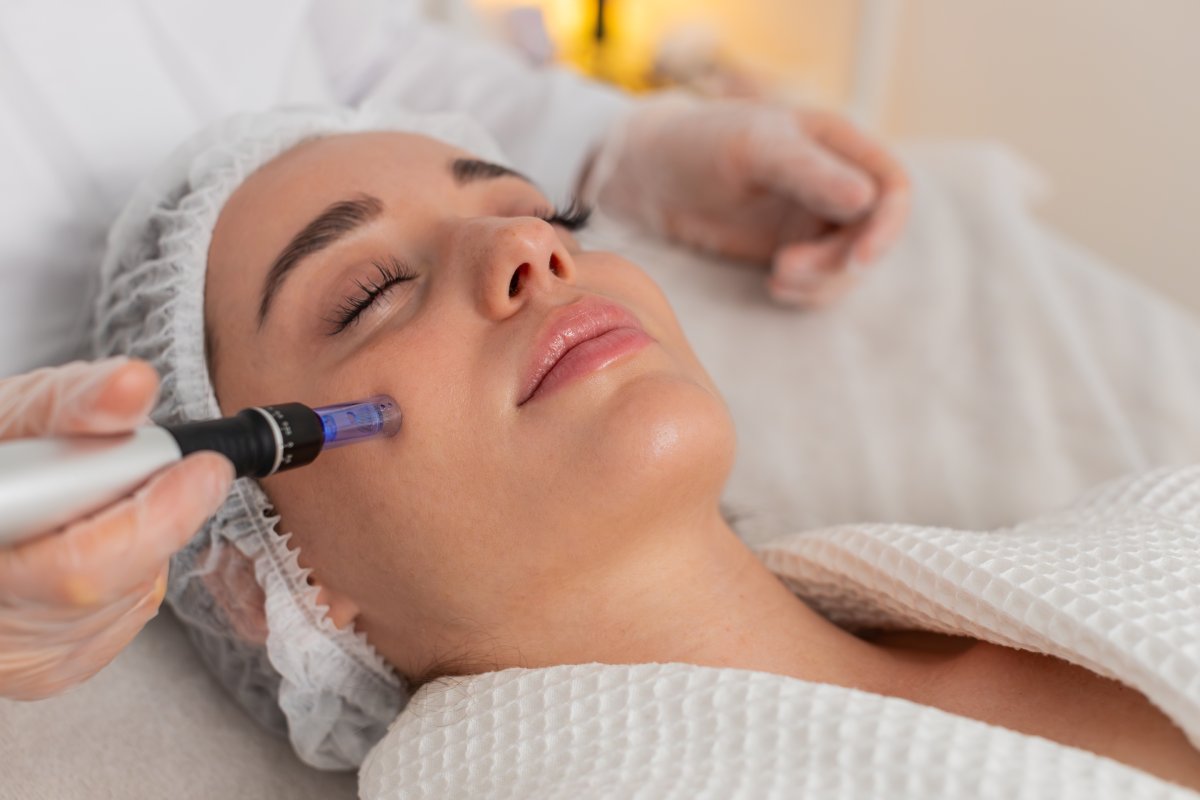
RF Microneedling: Tightening Skin from Within
If loose skin is one of your primary concerns, RF Microneedling is among today's most effective collagen-building treatments.
By combining tiny microneedles with radiofrequency energy, the treatment stimulates new collagen and elastin production deep beneath the skin's surface.
It can improve:
- Mild to moderate skin laxity
- Fine lines
- Uneven skin texture
- Enlarged pores
- Acne scars
- Overall skin firmness
Unlike treatments that simply tighten the surface, RF Microneedling encourages long-term skin remodeling from within. Results continue improving for several months as collagen develops, making it an excellent option for patients seeking gradual, natural-looking rejuvenation.
Ultherapy: Lifting with Focused Ultrasound
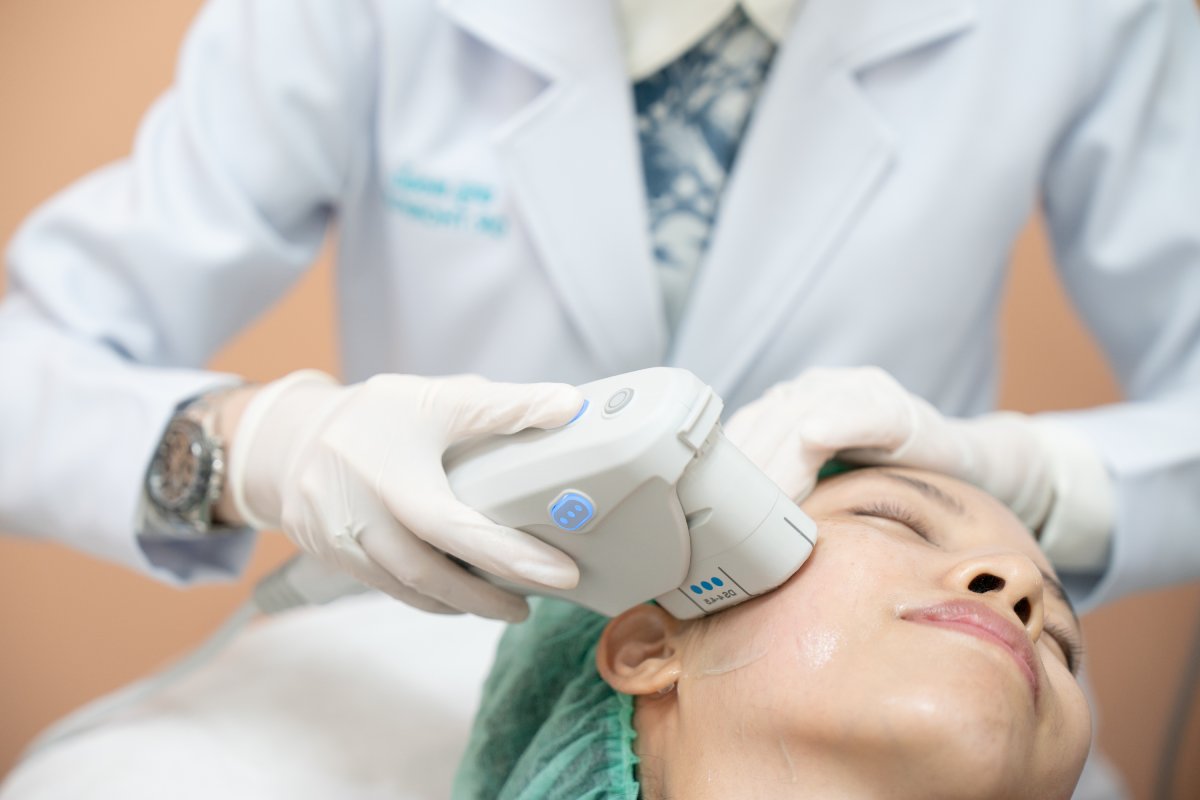
Ultherapy is a non-surgical treatment that uses focused ultrasound energy to stimulate collagen production deep beneath the skin. Unlike treatments that mainly improve skin texture, Ultherapy targets the foundational support layers of the face, helping to create a subtle lifting effect over time.
It is commonly recommended for people experiencing:
- Mild to moderate cheek sagging
- Early jowl formation
- Reduced jawline definition
- lose skin around the neck
- Mild brow drooping
One of Ultherapy's biggest advantages is that it works without incisions or significant downtime. Because collagen remodeling is a gradual biological process, improvements usually become visible within two to six months and continue developing afterward.
For patients looking for gentle facial lifting without surgery, Ultherapy may be an excellent option.
PDO Thread Lift: Immediate Support with Long-Term Benefits
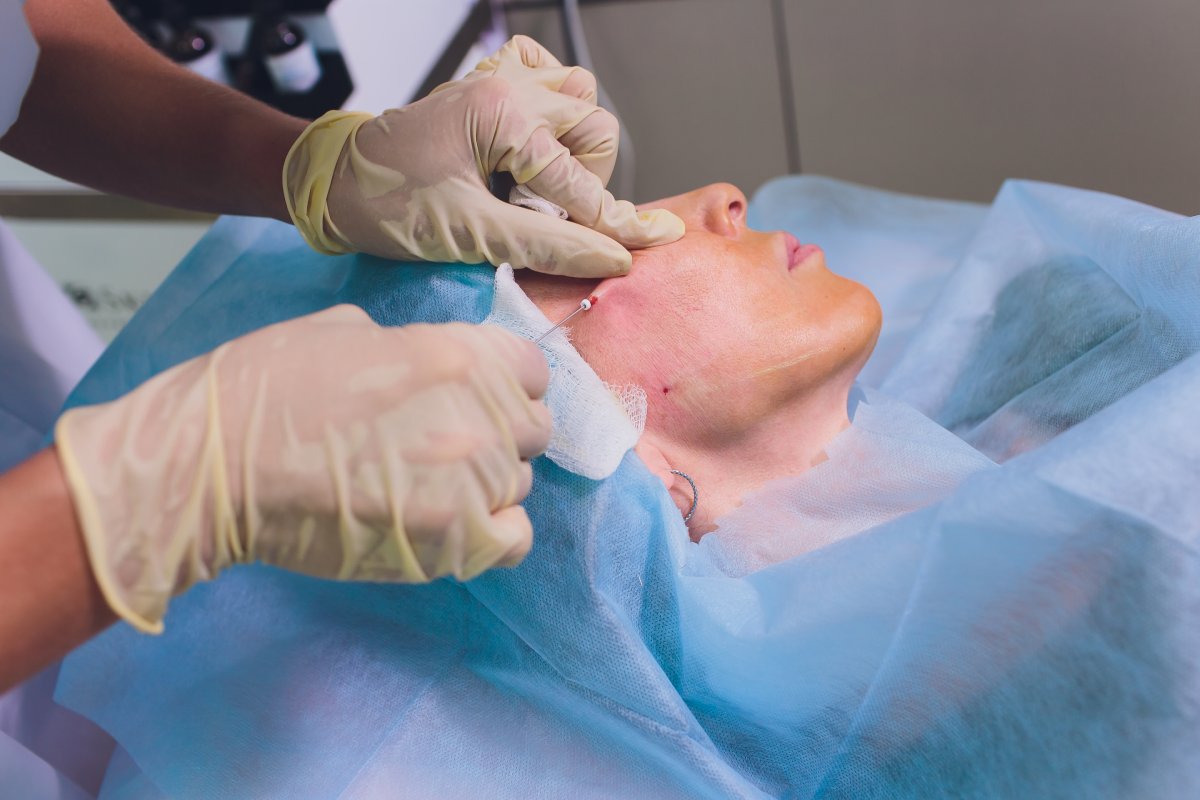
PDO Thread Lifting offers a unique approach to facial rejuvenation by combining an immediate lifting effect with ongoing collagen stimulation.
During treatment, dissolvable medical-grade threads are carefully placed beneath the skin to reposition soft tissue while encouraging new collagen formation as the threads naturally dissolve.
Patients often choose PDO Threads because they offer:
- Immediate lifting
- Minimal recovery time
- Improved facial definition
- Gradual collagen stimulation
- Natural-looking results
Although thread lifts can produce noticeable improvements, they are generally most suitable for individuals with mild to moderate skin laxity rather than advanced facial aging.
Are Combination Treatments Better?
In many cases, yes.
Facial aging rarely has a single cause. Most people experience a combination of volume loss, collagen depletion, skin laxity, and changes in skin texture. Addressing only one of these concerns may produce incomplete results.
That is why experienced aesthetic providers often recommend personalized treatment plans that combine different procedures.
For example:
- Dermal Fillers restore lost facial volume.
- Sculptra stimulates long-term collagen production.
- RF Microneedling improves skin firmness and texture.
- Ultherapy provides deeper collagen stimulation and lifting.
- Medical-grade skincare helps maintain healthier skin between treatments.
Rather than dramatically changing your appearance, combination treatments aim to restore facial harmony while preserving your natural features.
Many patients treated throughout Toronto, Richmond Hill, and the Greater Toronto Area achieve their best results through carefully customized treatment plans rather than relying on a single procedure.
Treatment Comparison
|
Treatment |
Best For |
Downtime |
When Results Appear |
Typical Longevity |
|
Dermal Fillers |
Restoring cheek volume |
Minimal |
Immediate |
12–24 months |
|
Sculptra |
Gradual collagen stimulation |
Minimal |
2–4 months |
Up to 2 years or longer |
|
RF Microneedling |
Skin tightening and texture improvement |
1–3 days |
Gradual |
Several months with maintenance |
|
Ultherapy |
Mild lifting and collagen stimulation |
Minimal |
2–6 months |
Around 1 year or longer |
|
PDO Threads |
Mild to moderate lifting |
A few days |
Immediate with continued improvement |
Approximately 12–18 months |
Every treatment has unique strengths and limitations. The most appropriate option depends on your facial anatomy, skin condition, and long-term aesthetic goals.
Still Comparing Your Options?
Choosing the right treatment isn't about finding the newest procedure, it's about finding the one that's best suited to your face.
At Amazing New Face, every treatment plan is personalized based on facial anatomy, skin quality, and your long-term goals.
Schedule a consultation to receive a customized recommendation designed specifically for you.
How Long Do Results Last?
One of the most common questions patients ask is how long they can expect their results to last.
The answer varies depending on several factors, including:
- Your age
- Skin quality
- Lifestyle habits
- Metabolism
- Sun exposure
- The specific treatment performed
Treatments that stimulate collagen, such as Sculptra, RF Microneedling, and Ultherapy, produce gradual improvements because your body needs time to build new collagen.
Dermal fillers typically provide immediate enhancement, while maintenance appointments can help preserve results over time.
Daily sunscreen use, a healthy lifestyle, and an effective skincare routine all contribute to longer-lasting outcomes.
Is There Any Downtime?
Most non-surgical cheek rejuvenation treatments involve little interruption to your daily routine.
Depending on the procedure, you may experience temporary:
- Mild swelling
- Redness
- Bruising
- Tenderness
These effects generally resolve within a few days.
Your provider will give you personalized aftercare instructions based on your treatment and individual skin needs.
What Should You Avoid After Treatment?
Proper aftercare can help minimize side effects and optimize your results.
Depending on the treatment performed, your provider may recommend avoiding:
- Vigorous exercise for 24–48 hours
- Alcohol immediately after treatment
- Direct sun exposure
- Saunas or hot tubs
- Touching or massaging the treated area unless instructed
- Sleeping face-down during the first few nights
Following professional aftercare advice helps ensure the best possible healing process.
Are These Treatments Safe?
When performed by qualified medical professionals, modern non-surgical facial rejuvenation treatments have well-established safety profiles.
However, every cosmetic procedure carries potential risks.
Possible side effects may include:
- Temporary swelling
- Bruising
- Redness
- Mild tenderness
- Temporary asymmetry
- Rare complications specific to individual treatments
Before recommending any procedure, your provider should carefully review:
- Your medical history
- Current medications
- Previous cosmetic treatments
- Allergies
- Personal goals
- Expected benefits and potential risks
A thorough consultation remains one of the most important steps in achieving safe, natural-looking results.
Additional resources
- Cheek Fillers vs Jawline Fillers: Which Gives the Best Lift?
- Cheek Fillers: Lift, Volume, or Both?
- Thread Lifts vs. HIFU: Which Non-Surgical Facelift is Right for You?
- HIFU vs. RF Microneedling: Which Non-Surgical Lift Is Best?
Frequently Asked Questions
Can sagging cheeks be improved without surgery?
Yes. Mild to moderate cheek sagging can often be improved using treatments such as dermal fillers, Sculptra, RF Microneedling, Ultherapy, or PDO Threads. More advanced skin laxity may require surgical options for the most dramatic correction.
Which treatment looks the most natural?
Natural-looking results depend more on proper assessment and conservative treatment planning than on any single product. A personalized approach generally creates the most balanced outcome.
Are dermal fillers better than PDO Threads?
Not necessarily. Fillers primarily restore lost volume, while PDO Threads provide structural lifting. In some cases, combining both treatments produces superior results.
Can collagen really be rebuilt?
Although collagen production naturally declines with age, treatments such as Sculptra, RF Microneedling, and Ultherapy can stimulate your body's natural collagen-building process, gradually improving skin firmness and quality.
At what age should I consider treatment?
There is no ideal age. Some individuals seek treatment in their thirties to address early volume loss, while others wait until later. Treatment decisions should always be based on your facial anatomy and concerns rather than age alone.
Will people notice I've had cosmetic treatment?
Modern aesthetic medicine focuses on helping you look refreshed, not noticeably treated. Conservative treatment plans typically create subtle improvements that enhance your natural appearance.
Final Thoughts
Sagging cheeks are a normal part of the aging process, but they don't have to define how you look or feel.
Today's non-surgical treatments provide more options than ever before for restoring facial volume, stimulating collagen, and improving skin firmness without surgery. Whether your primary concern is volume loss, loose skin, or a combination of aging changes, there are effective solutions that can deliver natural-looking results.
The most successful outcomes don't come from choosing the newest treatment or following social media trends. They come from understanding why your face has changed and selecting a personalized treatment plan based on your unique anatomy, skin quality, and long-term goals.
Your Facial Rejuvenation Specialist at Amazing New Face
Choosing the best treatment for sagging cheeks isn't simply about selecting a popular procedure, it's about understanding why your face has changed and creating a treatment plan tailored to your unique anatomy.
At Amazing New Face, we take a personalized, evidence-based approach to facial rejuvenation. Led by Dr. Alireza Hashemnejad, who has more than 20 years of experience in aesthetic medicine, our team focuses on restoring facial volume, improving skin quality, and stimulating your body's natural collagen production while preserving the features that make you uniquely you.
Whether you're considering Dermal Fillers, Sculptra, RF Microneedling, Ultherapy, PDO Thread Lift, PRP, Skin Boosters, or Botox, every treatment begins with a comprehensive facial assessment to determine the most appropriate solution for your concerns and long-term goals.
Our clinics proudly serve patients in Thornhill and Whitby, welcoming clients from Toronto, Richmond Hill, North York, Markham, Vaughan, Pickering, Ajax, and communities throughout the Greater Toronto Area (GTA).
Not sure which treatment is right for your face?
Simply
At Amazing New Face, our goal isn't to change how you look, it's to help you achieve a naturally refreshed, balanced, and confident appearance.
Book a consultation with Amazing New Face and discover which non-surgical treatment is the best choice for restoring naturally lifted, youthful-looking cheeks.
