
Amazing New Face Blog
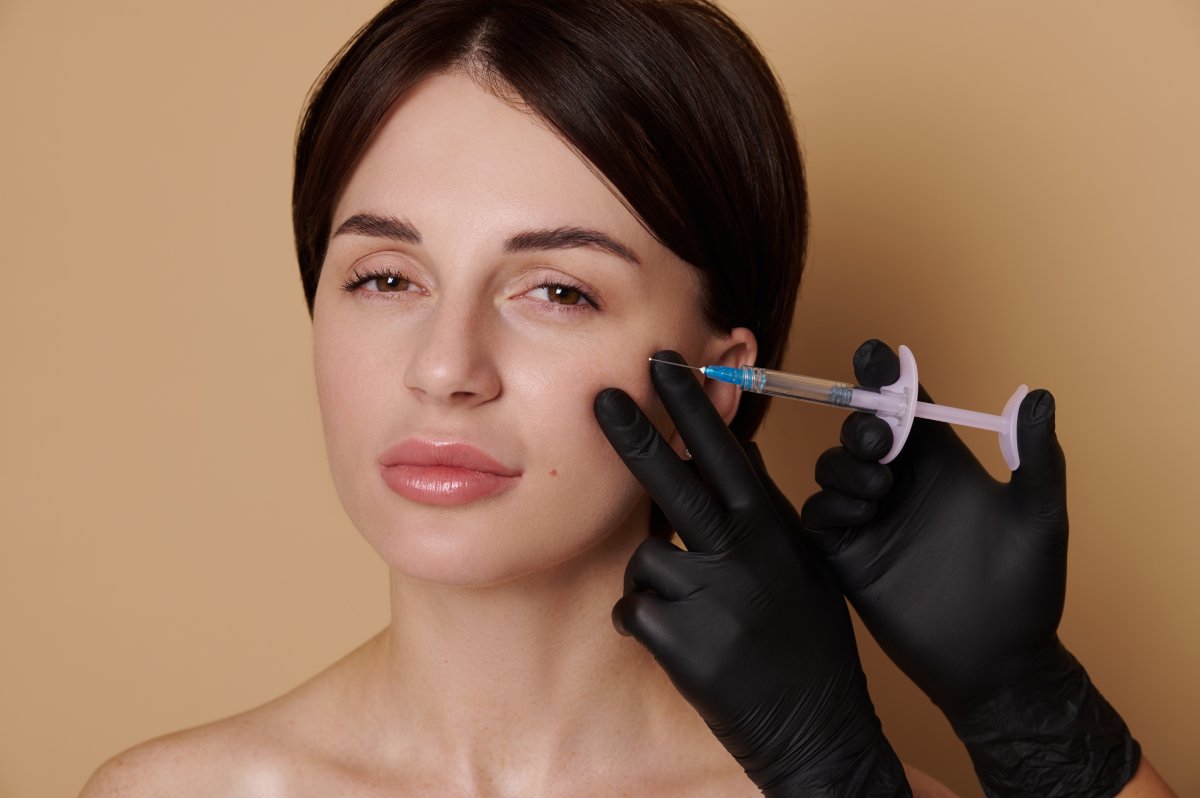
Cheek Fillers: Lift, Volume, or Both?
Hits: 346
You can change nothing about your sleep, diet, or stress… and still wake up one day thinking, “Why do I look tired?”
For many people, that moment starts in the midface, specifically the cheeks.
Cheeks aren’t just “the apple of your face.” They’re a structural support system. When the cheek area loses support or fullness, the rest of the face can look heavier, flatter, or more shadowed. That’s why cheek fillers have become one of the most requested treatments: they can restore lift, add volume, or (very often) do both.
Why Cheeks Matter More Than You Think
Cheeks sit in the midface, and midface shape influences:
- Your under-eye area (tear trough shadows)
- Your smile lines (nasolabial folds)
- The overall “upward” or “downward” impression of your face
- The balance between your eyes, nose, lips, and jawline
In other words, cheeks don’t exist in isolation. They’re like the support beam of a tent. If the beam drops, the fabric shifts everywhere.
What Actually Changes in Your Cheeks Over Time?
Aging in the cheek area isn’t one change its multiple layers changing at once:
1) Bone support gradually decreases
The cheekbone (zygomatic area) can lose projection over time. Even small changes in bone support affect how soft tissue sits on the face.
2) Facial fat pads shift and shrink
Your face has distinct fat compartments. Some areas lose volume, and others can descend. This is why you might feel like your cheeks are “lower,” while the area near the mouth looks heavier.
3) Skin quality changes
Collagen and elastin decline with time. Skin becomes less resilient, so it drapes differently.
4) Lifestyle accelerators
Weight fluctuations, high stress, smoking, and excessive sun exposure can make volume loss and laxity appear sooner.
The takeaway: when your cheeks change, it’s rarely just “you need more volume.” Sometimes you need support (lift), sometimes soft fullness (volume), and sometimes a combination.
What Are Cheek Fillers?
Most cheek fillers are hyaluronic acid (HA) fillers—a gel made from a molecule your body naturally produces. HA attracts water and provides structure.
Cheek fillers can be placed at different depths to achieve different effects:
- Deep placement (near bone): more support and lift
- Mid-depth placement: shape, contour, transition smoothing
- Superficial placement: subtle softening (used carefully to avoid puffiness)
Some clinics also use biostimulators (like fillers that stimulate collagen rather than simply adding gel volume). Whether that’s appropriate depends on your anatomy, goals, and comfort with longer-term changes.
At clinics like Amazing New Face, a careful approach typically starts with a facial assessment (front view, profile, and three-quarter angles), because cheeks can’t be planned properly from a single mirror angle.
Lift vs. Volume: The Most Important Distinction
This is the part people often miss, so let’s make it crystal clear.
Cheek Fillers for Lift
Lift means restoring structural support-not making the cheeks “bigger.”
A lift-focused plan usually involves:
- Placing filler deep, close to the bone
- Using a product that provides firm support
- Targeting areas that act like facial “scaffolding”
What lift can improve:
- A tired or slightly droopy midface
- Shadowing under the eyes (in some cases)
- Early jowling appearance (by improving midface support)
- A “pulled down” look that’s more about structure than weight
The vibe of lift: you look more awake and refreshed, not noticeably “filled.”
Cheek Fillers for Volume
Volume means restoring or enhancing fullness, often in the softer part of the cheek.
A volume-focused plan usually involves:
- Placing filler, a bit more superficially (still safely)
- Prioritizing smooth contour and roundness
- Using a product that blends naturally
What volume can improve:
- Naturally flat cheeks
- A hollow or “deflated” look
- Facial imbalance (one side flatter than the other)
- A desire for more cheek presence in photos
The vibe of volume: you look more youthful, softer, or more sculpted depending on your goal.
So… Is It Lift, Volume, or Both?
For many people, it’s both, but not necessarily at the same time or with the same technique.
A well-designed cheek filler plan often follows a logic like this:
- Support first (lift), placed deep
- Refine shape (a little volume or contour)
- Blend transitions (so the result looks like your natural anatomy)
This layered method tends to look more natural than “dumping volume” into one spot.
Cheek Filler Goals: What Do You Actually Want?
Here are the most common goals and what they usually require:
“I want to look less tired.”
Often a lift-first plan. This may also reduce shadows that create tiredness.
“I want cheekbones.”
Usually contour + support, placed strategically (not necessarily a lot of volume).
“I lost volume after weight loss.”
Often volume restoration, but still anchored with structural support.
“I want symmetry.”
Sometimes you need only a small amount on one side, but symmetry work requires a careful eye. Your face is naturally asymmetrical-so the goal is balance, not perfection.
“I want a snatched look.”
This is where nuance matters. A “snatched” look can be achieved with structure, not overfilling. Overfilling can backfire and look puffy or wide.

Placement Nuance: Not All Cheeks Are the Same
Cheek filler planning usually considers two broad zones:
Lateral cheek (outer cheek / cheekbone area)
This is often the “lift zone.”
Supporting the outer cheek can create a subtle upward vector in the midface.
Medial cheek (inner cheek / closer to nose)
This is more of the “fullness zone.”
It’s also where poor placement can cause heaviness, so injectors tend to be conservative.
Natural results often come from prioritizing the lateral cheek first and adding medial volume only if needed.
How “Natural” Is Defined in Real Life
People say “I want natural,” but they may mean different things.
Natural can mean:
- Nobody notices you had anything done
- You look better in photos without looking different
- You still look like yourself, just fresher
- Your face stays expressive and soft
A good injector clarifies what you mean by natural and tailors accordingly.
At Amazing New Face, a “natural” result isn’t something we rush or force in a single visit. The approach is intentionally thoughtful: conservative dosing, precise placement, and allowing time for swelling to settle before deciding what’s next. If you’re considering cheek fillers and want guidance that prioritizes balance, safety, and long-term results, booking a personalized consultation is often the best first step. It gives you space to ask questions, understand your facial needs, and move forward only when it feels right for you.
The Biggest Mistakes People Make with Cheek Fillers
1) Treating cheeks like a trend
What looks good on someone else’s face (or online) may not suit your anatomy.
2) Chasing “more” instead of “better”
More filler doesn’t automatically mean better results. Sometimes the most flattering cheek filler is subtle.
3) Ignoring facial proportions
Cheeks must balance with:
- Under-eyes
- Nasolabial folds
- Jawline
- Chin projection
Cheek filler without considering the rest of the face can look mismatched.
4) Overfilling the medial cheek
Too much inner cheek volume can:
- Create puffiness
- Make the face look wider
- Add heaviness near the nose
- Flatten the natural cheek contour
5) Not respecting swelling and timing
Swelling can make people panic early. The best results are judged after the filler has settled.
Cheek Fillers and Under-Eye Hollows: What’s the Relationship?
Many people think tear trough filler is the answer to under-eye hollowness. Sometimes it is—but in many cases, midface support is the missing piece.
When cheeks lose support, the under-eye area can look deeper because the cheek isn’t “holding up” that transition.
A cheek-first strategy can sometimes improve under-eye shadows without placing filler directly under the eye (which can be a tricky area).
Cheek Fillers and Smile Lines: Can They Help?
Smile lines (nasolabial folds) are influenced by cheek support. If your midface has descended or flattened, the fold can look deeper.
Cheek filler won’t erase folds completely (and it shouldn’t aim to), but restoring cheek structure can soften the fold naturally.
What Product Choice Means (Without the Jargon)
You don’t need to memorize brand names to understand this part.
Cheek fillers vary in:
- Firmness (how much “support” they provide)
- Flexibility (how they move with your face)
- Cohesiveness (how well the gel stays together)
- Integration (how naturally it blends into tissue)
Lift-focused treatments often use a firmer product placed deeper.
Volume-focused treatments often use a softer or more integrating product to avoid a “bumpy” look.
How Much Filler Do You Need?
This depends on your starting anatomy and your goal, but here’s a realistic framework:
- Subtle lift: sometimes under 1 syringe total (split between both sides)
- Visible contour: often 1–2 syringes total
- Restoring significant volume loss: can be 2+ syringes total, sometimes staged
Most ethical injectors prefer a staged approach:
- Do a conservative amount first
- Let it settle
- Reassess in 2–4 weeks
What to Expect at Your Cheek Filler Appointment
A typical process looks like this:
- Consultation and facial assessment
- Your injector checks symmetry, proportions, and movement.
- Plan: lift, volume, or both
- Cleansing + optional numbing
- Injection
- Often with a needle or cannula depending on technique.
- Immediate review
- You’ll see results right away, but remember swelling.
- Aftercare instructions
- Optional follow-up appointment
Recovery and Downtime: The Honest Truth
Most people can return to normal life quickly, but you should expect some temporary changes.
Common
- Mild swelling (24–72 hours)
- Tenderness or pressure feeling
- Small bruises (sometimes)
Less common
- Asymmetrical swelling (one side bruises more)
- Temporary firmness at injection points
Helpful tips
- Avoid heavy workouts for 24–48 hours
- Don’t massage the area unless instructed
- Avoid major events for about a week if you bruise easily
How Long Do Cheek Fillers Last?
Cheeks often hold filler longer than high-movement areas like lips.
Typical range:
- 12 to 24 months, depending on:
- Product type
- Injection depth
- Your metabolism
- Lifestyle (intense exercise can speed breakdown for some people)
Maintenance is usually lighter than the initial treatment.
Is Cheek Fillers Safe?
When performed by qualified professionals using reputable products, cheek fillers are considered safe. However, “safe” is not the same as “risk-free.”
Potential risks (rare but important)
- Vascular occlusion (blocked blood vessel)
- Infection
- Nodules or uneven texture
- Prolonged swelling
That’s why injector training and anatomy knowledge matter. A good clinic takes your medical history, explains risk realistically, and has protocols for complications.
Who Is a Good Candidate for Cheek Fillers?
Cheek fillers may suit you if:
- You notice flattening or sagging in the midface
- You want a fresher look without surgery
- You want improved facial balance and cheek definition
- You’re open to subtle, natural enhancement
You might need a different plan (or no filler) if:
- Your cheeks are already full and heavy (filler could add weight)
- Your main issue is skin laxity (you may need tightening treatments instead)
- You have certain medical conditions (your injector will screen)
Additional resources
- Cheek Fillers 101: Which Type Gives the Best Lift?
- How Long Do Cheek Fillers Last? Maintenance Tips & Costs
- The Best Fillers for Under-Eye Hollowing: What Works and What Doesn’t
- How to Maintain Filler and Botox Results for 6 Months or More?
What If You’re Afraid of Looking Puffy or “Overfilled”?
That fear is valid and it’s often why people delay treatment.
Here’s how you reduce that risk:
- Choose conservative dosing
- Prioritize lift/structure over medial volume
- Avoid chasing Instagram “trend cheeks”
- Reassess after swelling settles
- Work with a clinic that values restraint
This is one of the reasons clinics are turning to clients who want to improve without the “obvious appearance of filler.”
The best results come from a customized approach that respects your anatomy and your definition of natural. If you’re considering cheek fillers and want guidance that feels grounded and realistic, a consultation at Amazing New Face can be a helpful next step especially if your priority is looking refreshed, not “done.”
If you’re ready, book a consultation and come with your questions. The right plan should feel clear, calm, and tailored to you not like a sales pitch.
FAQ: Cheek Fillers (Lift, Volume, and Everything In Between)
1) Do cheek fillers hurt?
Most people describe discomfort as mild. Many fillers contain numbing medication, and sessions are usually quick.
2) How soon will I see results?
Immediately, but your true result is best judged after swelling settles (usually 1–2 weeks).
3) Can cheek fillers migrate?
Poor technique, wrong product choice, or repeated overfilling can increase this risk. Conservative, well-placed filler is less likely to look migrated.
4) Will cheek fillers make my face look wider?
They can if too much volume is placed in the wrong area. A lift-focused approach often avoids widening.
5) Can cheek fillers help under-eye hollows?
Often yes, indirectly, by restoring midface support. Your injector will decide if cheeks alone are enough.
6) Can cheek fillers be dissolved?
If you receive hyaluronic acid filler, yes there is a dissolving enzyme option when appropriate.
7) How do I maintain results?
Maintenance is usually lighter than the first session. Many people do small touch-ups rather than full re-treatment.
8) What age is “right” for cheek fillers?
There’s no perfect age. The right time is when your anatomy and goals align not based on a number.
9) How do I choose the right clinic?
Look for a consultation style that feels educational, not pushy. You want clear planning, safety protocols, and a natural-result philosophy.
10) What should I avoid after cheek fillers?
Avoid intense exercise, alcohol, heavy heat exposure (sauna), and unnecessary touching/massaging for the first 24–48 hours unless told otherwise.
Conclusion: Lift, Volume, or Both?
Cheek fillers are not just about adding fullness. Done properly, they can restore structure, refresh your expression, soften shadows, and rebalance the face sometimes with surprisingly subtle changes.
- If your face looks “pulled down,” you may need lift
- If you look “deflated,” you may need volume
- If both are happening (common), you may need a layered plan
Why People Trust Amazing New Face
When you’re considering treatments like microneedling or other advanced aesthetic procedures, results matter-but so does how you’re cared for along the way. Feeling informed, supported, and understood can make all the difference. At Amazing New Face, the emphasis is never on rushed treatments or one-size-fits-all beauty trends. Instead, each treatment is approached with intention, safety, and a clear understanding of your individual goals.
Leading the clinic is Alireza Hashemnejad, whose work is shaped by more than two decades of hands-on experience across a wide range of skin types and concerns. With a medical education from Tehran University of Medical Sciences and his role as a board member of the Canadian Academy of Facial Esthetics, he brings a thoughtful balance of medical knowledge and aesthetic judgment to every consultation. Clients often appreciate his calm, detail-focused approach-especially for treatments like Botox, dermal fillers, PRP, HIFU, and microneedling, where precision truly matters.
With locations in Thornhill and Whitby, Amazing New Face serves clients throughout the Greater Toronto Area, including North York, Richmond Hill, Markham, Pickering, and Ajax. Whether you’re exploring aesthetic treatments for the first time or refining a routine you already trust, the goal is always the same: honest guidance, realistic expectations, and results that feel like you.
Our Treatment Focus Includes:
- Dermal Fillers – Restore subtle volume and enhance natural facial balance
- Botox Injections – Soften expression lines while preserving movement
- HIFU Facial Treatments – non-surgical tightening and lifting
- PRP Therapy – Support skin renewal using your body’s own healing response
- RF Microneedling – Stimulate collagen with targeted radiofrequency energy
- Skin Boosters – Improve hydration and overall skin quality
- Hair Regrowth Mesotherapy – Encourage healthier, fuller-looking hair
- Fat-Dissolving Injections – Refine contours without surgery
- Non-Surgical Facelifts – Gentle rejuvenation with minimal downtime
- Personalized Consultations – One-on-one planning based on your needs
Start From Anywhere
If you prefer to begin from home, you can.
Whether you’re researching microneedling in Thornhill, considering a non-surgical facelift in Whitby, or simply looking for an experienced, honest opinion, Amazing New Face is here to help you take the next step-comfortably and confidently.
