
Amazing New Face Blog
PRP vs Exosomes vs PDRN: Which Skin Rejuvenation Treatment Is Right for You?
Hits: 136
If you have been looking into skin rejuvenation treatments, you have probably seen three names appear again and again: PRP, Exosomes, and PDRN.
They all sound promising. They all are connected to healthier-looking skin, improved texture, glow, collagen support, and natural repair. But they are not the same treatment.
And that is where many people feel confused.
Is PRP better because it uses your own blood? Are exosomes more advanced? Is PDRN the same as “salmon DNA”? Which one is best for fine lines, dull skin, acne scars, or overall skin quality?
The truth is simple: there is no one-size-fits-all answer. Each treatment works differently, and the right option depends on your skin concerns, your goals, your health history, and how your provider recommends using it.
This guide explains PRP, Exosomes, and PDRN in clear, simple language so you can understand what each treatment does, how they compare, and what to expect before booking a consultation.
Quick Answer: PRP vs Exosomes vs PDRN
Here is the easiest way to understand the difference:
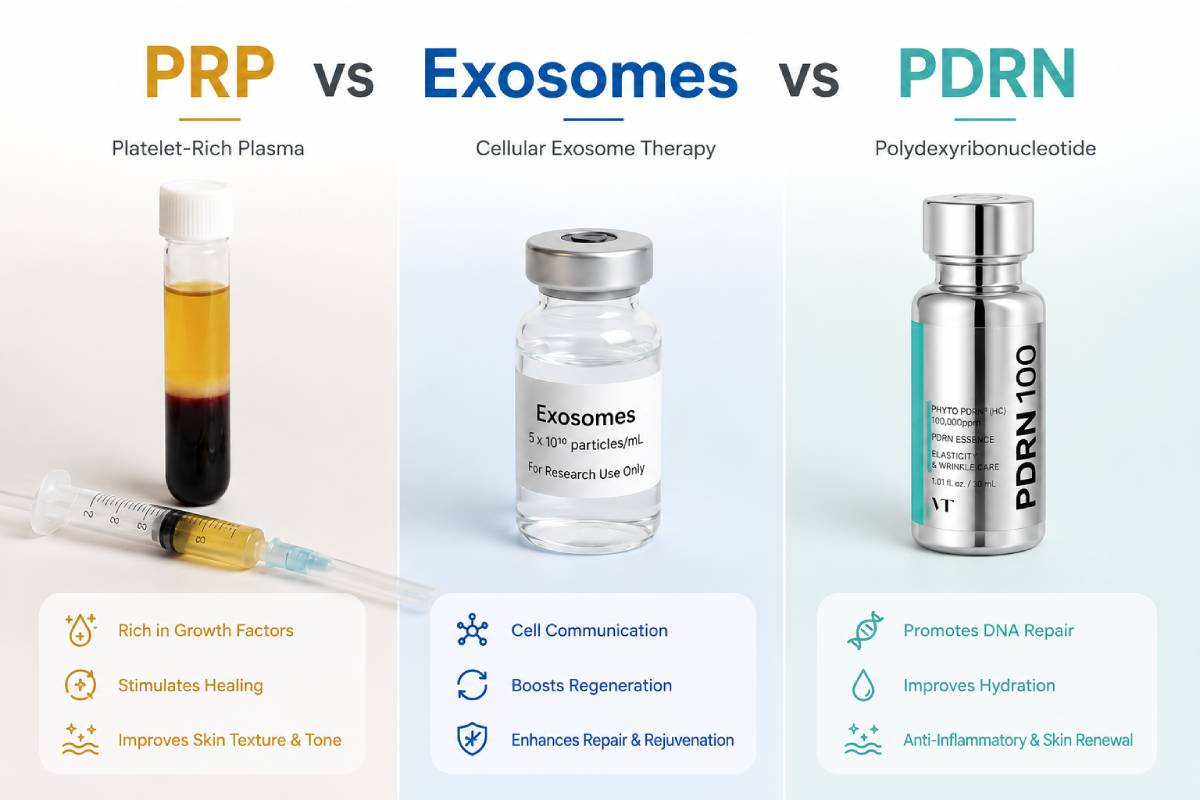
PRP uses your own blood to support natural healing and collagen production.
Exosomes use cell-derived messengers to support communication between skin cells and encourage regeneration.
PDRN uses purified DNA fragments to support tissue repair, hydration, and skin quality.
In simple terms:
PRP tells your body: “Start healing.”
Exosomes tell your cells: “Communicate and repair better.”
PDRN tells your skin: “Recover, hydrate, and rebuild.”
All three can support healthier-looking skin, but they are usually chosen for different reasons.
Still unsure which option fits your skin best? At Amazing New Face, we help you understand your skin first, then recommend the treatment that truly matches your goals. Book a personalized consultation and find out whether PRP, Exosomes, PDRN, or a combination approach is right for you.
Why Regenerative Skin Treatments Are So Popular
For many years, cosmetic treatments were mostly about filling lines, relaxing wrinkles, or resurfacing the skin.
Those treatments still have their place. But today, many people want something more natural-looking. They do not always want to look “done.” They want to look fresher, healthier, and more rested.
That is why regenerative aesthetics has become so popular.
Instead of only covering signs of aging, regenerative treatments aim to support the skin’s own repair process. The goal is to improve skin function, collagen activity, hydration, texture, and elasticity over time.
This is where PRP, Exosomes, and PDRN come in.
They are not traditional fillers. They are not meant to dramatically change your facial structure. They are designed to help improve the quality of the skin itself.
What Is PRP?
PRP stands for Platelet-Rich Plasma.
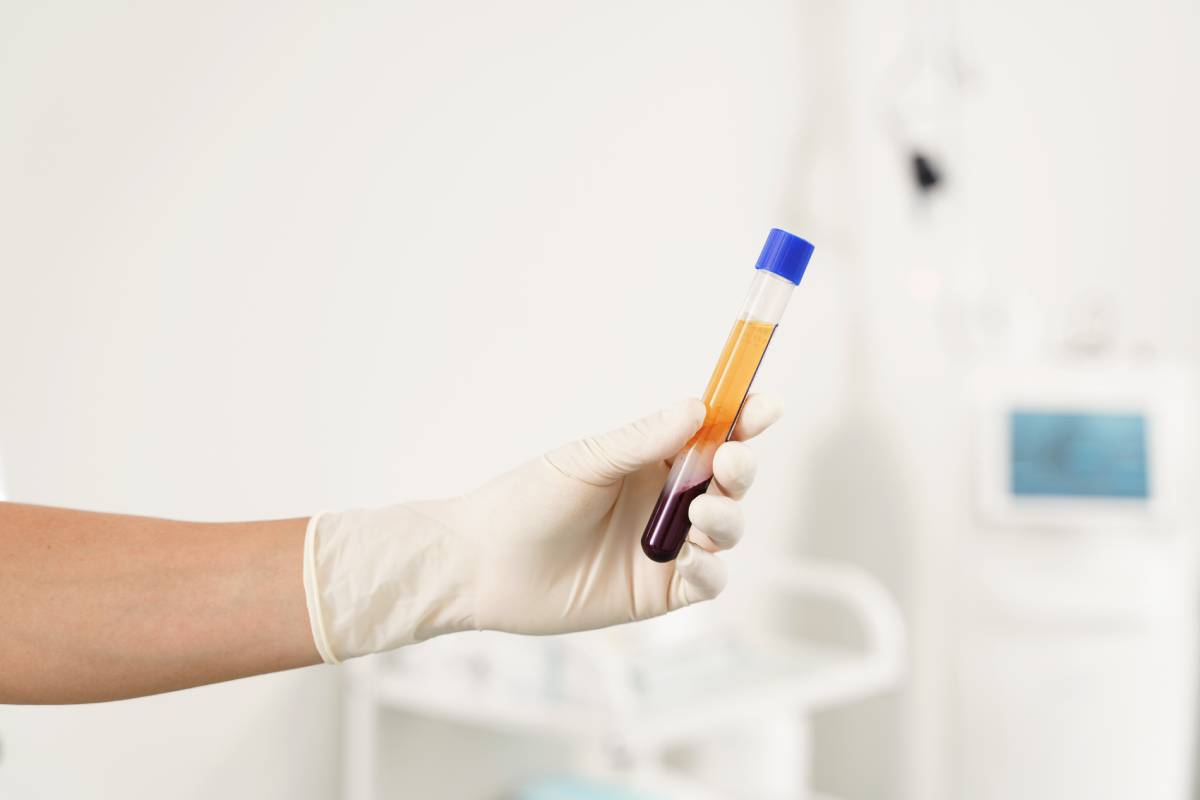
This treatment starts with a small blood draw, similar to a routine blood test. Your blood is then placed in a centrifuge, a machine that spins it quickly to separate the platelet-rich plasma from other blood components.
Platelets are important because they contain growth factors. These growth factors play a role in healing, tissue repair, and collagen stimulation.
Once prepared, PRP can be injected into targeted areas or applied to the skin during treatments such as microneedling.
Because PRP comes from your own body, many people like it for its natural approach.
How Does PRP Work?
Think of platelets as your body’s natural repair team.
When you get a cut, scrape, or injury, platelets rush to the area and release signals that help begin the healing process.
PRP uses this same idea, but in a controlled aesthetic treatment. By concentrating platelets and placing them into the skin, the goal is to encourage repair, renewal, and collagen production.
PRP may help support:
Collagen production
Skin repair
Improved texture
Better tone
Natural-looking rejuvenation
Mild skin firmness
Under-eye freshness
Hair restoration support
PRP is often used for people who want gradual, natural improvement rather than an instant dramatic change.
What Can PRP Help With?
PRP is commonly used for:
Fine lines
Dull skin
Uneven texture
Acne scars
Mild skin laxity
Under-eye rejuvenation
Hair thinning support
post-treatment healing
It is also often combined with microneedling because microneedling creates tiny channels in the skin, allowing PRP to be applied more effectively while also stimulating collagen.
Benefits of PRP
One of the biggest advantages of PRP is that it uses your own blood. This makes it appealing for people who prefer treatments based on their own biology.
PRP also has a long history of use in different areas of medicine, including sports medicine, wound healing, and aesthetics.
Another benefit is that PRP results usually look natural. It does not add volume like filler. Instead, it helps the skin gradually improve in quality, texture, and radiance.
PRP can also be combined with other treatments, such as microneedling, laser treatments, or skin resurfacing, depending on your provider’s recommendation.
Limitations of PRP
PRP is helpful, but it is not magic.
Results can vary from person to person because PRP depends on your own platelet quality. Age, health, lifestyle, and certain medical conditions may affect the outcome.
PRP also usually requires patience. Improvements appear gradually because collagen production and tissue repair take time.
In many cases, more than one session may be recommended for best results.
PRP may not be ideal for everyone, especially people with certain blood disorders, platelet issues, or medical conditions. This is why a professional consultation is important.
What Are Exosomes?
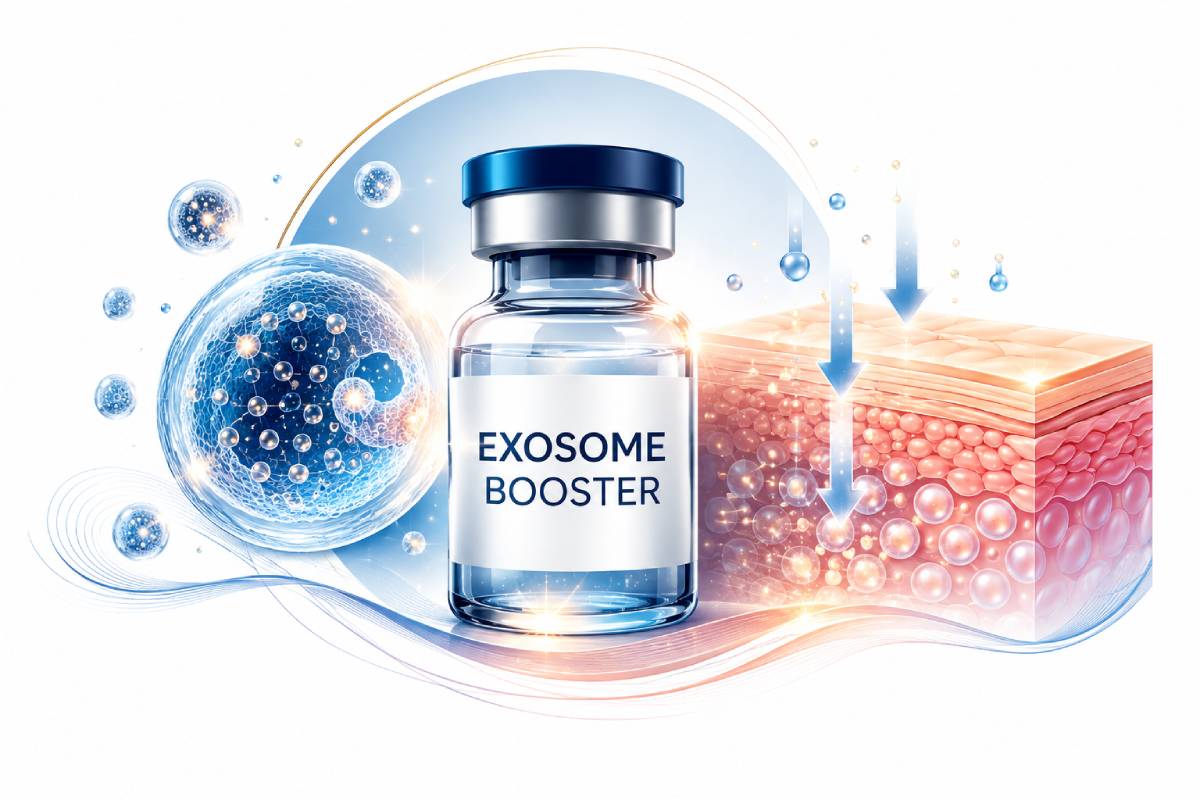
Exosomes are tiny particles released by cells. You can think of them as microscopic messengers.
Their job is to carry information from one cell to another. This information may include proteins, growth factors, lipids, and other signaling molecules that help cells communicate.
In aesthetics, exosomes are used to support skin repair, regeneration, and recovery.
They do not replace your skin cells. Instead, they help deliver signals that may encourage your existing cells to function better.
How Do Exosomes Work?
Your skin cells are always communicating.
When you are younger, this communication tends to be more efficient. Your skin repairs faster, collagen production is stronger, and recovery is usually smoother.
As we age, cellular communication can slow down. Environmental damage, stress, sun exposure, inflammation, and lifestyle factors can also affect how well the skin repairs itself.
Exosomes are used to support this communication process.
They may help encourage:
Collagen support
Tissue repair
Reduced visible redness
post-procedure recovery
Improved skin texture
Healthier-looking skin
Regenerative activity
Many providers use exosomes after treatments like microneedling or laser resurfacing to support recovery and enhance skin rejuvenation.
What Can Exosomes Help With?
Exosomes are often used for:
Fine lines
Wrinkles
Uneven texture
Dull skin
Redness after treatments
post-laser recovery
Microneedling enhancement
Hair restoration support
Overall skin rejuvenation
They are often chosen by people who want advanced regenerative support and are interested in newer aesthetic technology.
Benefits of Exosomes
The main advantage of exosomes is their ability to support cellular signaling.
Instead of simply creating injury to trigger repair, exosomes help send messages that may guide the skin toward regeneration and recovery.
Another benefit is that exosome treatments usually do not require a blood draw. This can be appealing for people who do not like blood-based procedures.
Exosomes are also commonly used with other skin treatments. For example, after microneedling or laser treatments, they may help calm the skin and support the healing process.
They are considered one of the most exciting areas in regenerative aesthetics, but product quality and provider expertise matter a lot.
Limitations of Exosomes
Exosomes are newer than PRP in aesthetic medicine, so long-term cosmetic data is still developing.
Another important point is product quality. Not all exosome products are the same. Their source, processing, storage, and quality control can vary.
Exosome treatments may also be more expensive than PRP or PDRN.
Regulations can differ depending on the country or region, so patients should only receive treatment from qualified medical professionals using reputable products.
What Is PDRN?
PDRN stands for Polydeoxyribonucleotide.
The name sounds technical, but the idea is easier to understand than it seems.
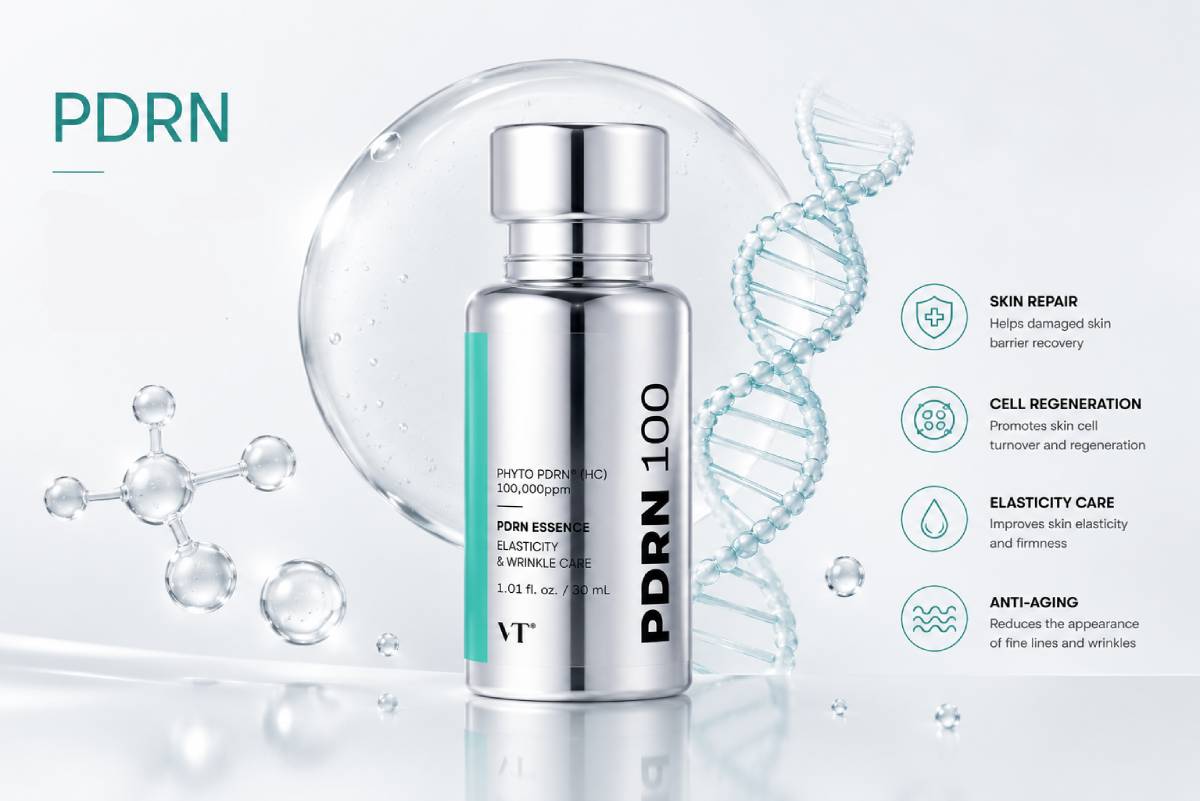
PDRN is made of purified DNA fragments that support tissue repair and skin regeneration. In aesthetics, it is often used to improve hydration, elasticity, recovery, and overall skin quality.
Many people know PDRN as “salmon DNA” treatment because some PDRN products are derived from purified DNA sources connected to salmon. However, the final product used in treatment is processed and purified for medical or aesthetic use.
PDRN has become especially popular for people who want smoother, more hydrated, healthier-looking skin.
How Does PDRN Work?
PDRN works differently from PRP and exosomes.
PRP uses growth factors from your own blood.
Exosomes support cellular messaging.
PDRN provides DNA fragments that may help support repair, regeneration, and tissue recovery.
In simple terms, PDRN helps create a better environment for skin repair.
It may support:
Skin hydration
Tissue repair
Improved elasticity
Smoother texture
Recovery after procedures
Healthier-looking skin
Radiance and glow
PDRN is often chosen for skin quality rather than dramatic lifting or volume.
What Can PDRN Help With?
PDRN is commonly used for:
Dry skin
Dehydrated skin
Crepey texture
Fine lines
Sensitive-looking skin
post-treatment recovery
Overall skin quality
Loss of glow
Mild elasticity concerns
It is especially popular among people who want their skin to look refreshed, soft, hydrated, and naturally healthy.
Benefits of PDRN
One of the biggest benefits of PDRN is its focus on skin quality.
It is not trying to change the shape of your face. It is not a filler. It does not create major volume.
Instead, it supports the skin itself.
Many people like PDRN because the results are subtle, fresh, and natural-looking. It can be a good choice for people who feel their skin looks tired, dry, dull, or thin.
PDRN is also often used after other aesthetic treatments to support recovery and comfort.
Downtime is usually minimal, depending on how the treatment is performed.
Limitations of PDRN
PDRN is not a replacement for dermal fillers, Botox, laser resurfacing, or surgical treatments.
If your main concern is deep volume loss, sagging, or strong facial folds, PDRN alone may not be enough.
Like other regenerative treatments, results usually appear gradually. Multiple sessions may be recommended for best results.
It is best for improving skin health and quality, not for creating dramatic structural changes.
PRP vs Exosomes vs PDRN: Side-by-Side Comparison
PRP is derived from your own blood. It is best for natural collagen stimulation, mild rejuvenation, acne scars, texture concerns, and under-eye freshness.
Exosomes are cell-derived messengers. They are best for advanced regenerative support, recovery after procedures, texture improvement, and skin rejuvenation.
PDRN is made of purified DNA fragments. It is best for hydration, tissue repair, skin quality, fine lines, and tired-looking skin.
When comparing them, the better question is not “Which one is best?”
The better question is:
What does your skin need most right now?
If your skin needs collagen stimulation, PRP may be a good option.
If your skin needs stronger regenerative signaling and recovery support, exosomes may be worth discussing.
If your skin needs hydration, repair, and overall glow, PDRN may be a strong choice.
Which Treatment Is Best for Aging Skin?
Aging skin is not caused by one single issue.
It can involve collagen loss, slower healing, dehydration, sun damage, inflammation, texture changes, and reduced elasticity.
That is why the best treatment depends on your specific skin condition.
For early signs of aging, PRP may help stimulate collagen and improve texture naturally.
For more advanced regenerative support, exosomes may be recommended, especially when combined with microneedling or laser treatments.
For dry, dull, thin, or tired-looking skin, PDRN may be helpful because it focuses on repair, hydration, and skin quality.
Some people may benefit from a combination plan instead of choosing only one treatment.
Your skin may not need the trendiest treatment; it needs the right treatment. A professional skin assessment can help identify whether your concerns are related to collagen loss, dehydration, texture, or overall skin quality. Schedule a consultation with Amazing New Face to explore your best options with confidence.
Can PRP, Exosomes, and PDRN Be Combined?
In some cases, yes.
A skilled provider may combine regenerative treatments depending on your goals, skin condition, and treatment history.
For example, PRP may be combined with microneedling to support collagen production.
Exosomes may be applied after laser or microneedling to support recovery.
PDRN may be used to improve hydration and skin quality after other procedures.
However, combination treatments should always be personalized. More is not always better. The right treatment plan should match your skin, your comfort level, and your desired results.
What Results Can You Expect?
One of the most important things to understand is that regenerative skin treatments take time.
These treatments are not like makeup, where you see the full result immediately. They work by supporting biological processes, and those processes need time.
You may notice:
A healthier glow
Smoother texture
Better hydration
Softer fine lines
Improved skin quality
More radiance
Better recovery after treatments
A fresher overall appearance
Results vary depending on age, skin condition, lifestyle, treatment type, and how many sessions are recommended.
Good sleep, hydration, sun protection, and a healthy skincare routine can also help support better results.
Additional resources
- Examining the Difference Between PRP and Skin Boosters in Facial Rejuvenation
- Hair Loss Treatment with PRP and Hair Regrowth: The Complete Guide You Wish You Had
- The Best Time to Start Skin Boosters for Anti‑Aging
- Which Whitby Clinic Uses HIFU, Microneedling, and PRP-all Under One Roof?
Are These Treatments Safe?
PRP, Exosomes, and PDRN are generally considered well-tolerated when performed by trained professionals using proper protocols.
However, every treatment has possible risks, including redness, swelling, tenderness, bruising, irritation, or temporary sensitivity.
The safety of your treatment depends on several things:
The provider’s training
Product quality
Clean technique
Your medical history
Your skin condition
Aftercare instructions
This is why consultation matters. A qualified provider can explain whether you are a good candidate and what results are realistic.
Frequently Asked Questions
Is PRP better because it uses my own blood?
PRP is appealing because it uses your own biological material. However, that does not automatically make it the best option for everyone. Your skin goals and health history matter.
Are exosomes better than PRP?
Not necessarily. Exosomes and PRP work differently. Exosomes focus on cellular signaling, while PRP focuses on your body’s natural healing factors.
Is PDRN the same as filler?
No. PDRN is not a filler. It does not add volume. It supports skin repair, hydration, and quality.
Which treatment gives the fastest results?
Some people may notice hydration and glow from PDRN sooner, while PRP and exosome results often develop gradually as the skin repairs and regenerates.
Can younger people get these treatments?
In some cases, yes. Younger patients may choose regenerative treatments for prevention, glow, texture, acne scars, or skin recovery. A consultation is still important.
How do I know which one is right for me?
The best way is to have your skin assessed by an experienced aesthetic provider. Your treatment should be based on your skin type, concerns, goals, and medical background.
The Bottom Line
PRP, Exosomes, and PDRN are all part of the growing world of regenerative aesthetics, but they are not identical.
PRP uses your own platelet-rich plasma to support healing and collagen production.
Exosomes use powerful cellular messengers to support communication, recovery, and regeneration.
PDRN uses purified DNA fragments to support tissue repair, hydration, and skin quality.
If you want natural collagen stimulation, PRP may be a good fit.
If you are interested in advanced regenerative support, exosomes may be worth exploring.
If your main goal is smoother, more hydrated, healthier-looking skin, PDRN may be an excellent option.
The best treatment is not always the trendiest one. It is the one that matches your skin’s needs.
About Amazing New Face
At Amazing New Face, we help clients make informed and confident decisions about regenerative skin treatments, including PRP, Exosomes, PDRN, skin boosters, Botox, dermal fillers, and natural-looking facial rejuvenation.
Our treatments are led by Alireza Hashemnejad, a graduate of Tehran University of Medical Sciences with more than 20 years of experience in cosmetic and facial rejuvenation treatments, including PRP, mesotherapy, skin boosters, RF microneedling, HIFU, dermal fillers, Botox, and other advanced aesthetic procedures.
If you are unsure whether PRP, Exosomes, PDRN, or another skin rejuvenation treatment is right for your age, skin type, or aesthetic goals, our team can guide you with honest recommendations and a personalized treatment plan.
Whether your concern is dullness, dehydration, fine lines, uneven texture, acne scars, loss of glow, or early signs of aging, we focus on natural-looking results that support healthier, fresher, and more radiant skin.
With clinic locations in Thornhill and Whitby, we proudly serve clients throughout Toronto and the GTA, including Richmond Hill, North York, Markham, Vaughan, Pickering, Ajax, and surrounding communities.
Not ready to visit the clinic yet? Upload a photo and share your concerns through our free virtual consultation service. We will review your skin concerns, discuss your goals, and provide personalized recommendations to help you better understand your options before making any decisions.
Book a consultation with Amazing New Face today and discover whether PRP, Exosomes, PDRN, or another facial rejuvenation treatment may be right for your skin, face, and confidence.
