
Amazing New Face Blog
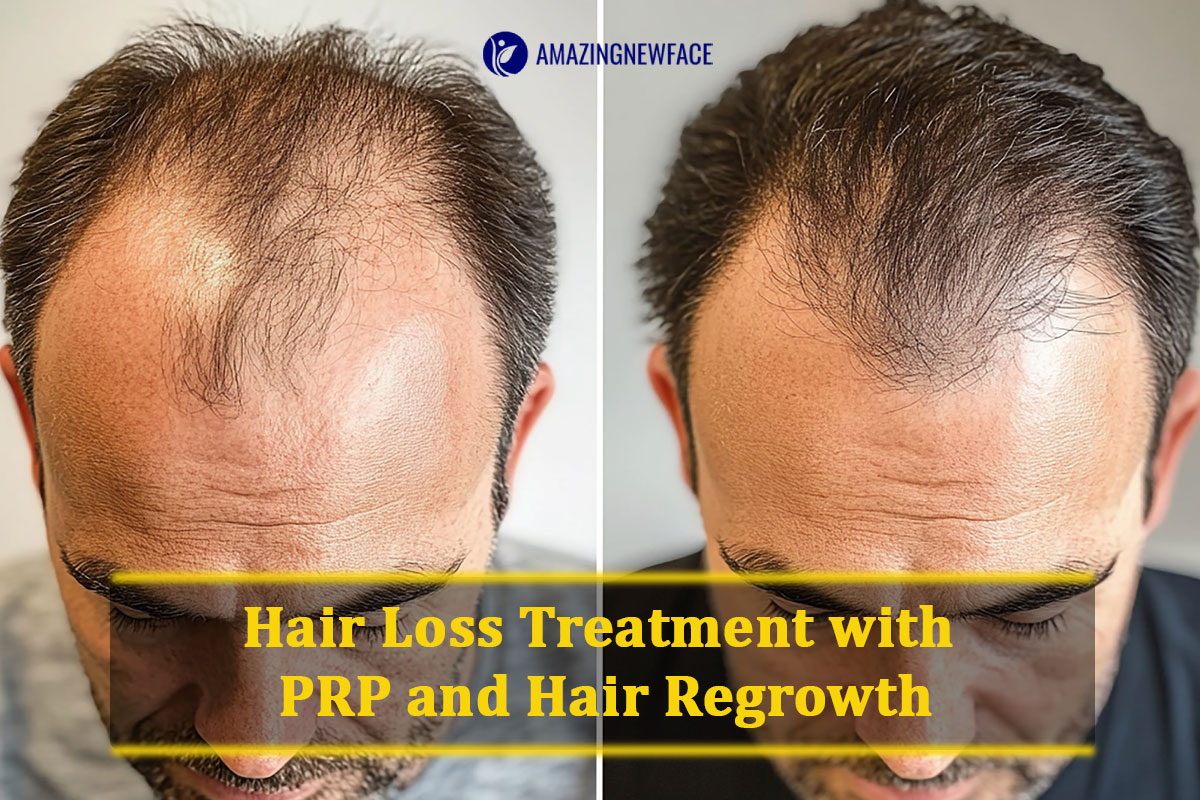
Hair Loss Treatment with PRP and Hair Regrowth: The Complete Guide You Wish You Had
Hits: 297
Hair loss is one of those things no one talks about openly, yet almost everyone experiences at some point. Whether it’s shedding in the shower, a thinning ponytail, a receding hairline, or a widening part-you instantly feel it in your confidence. It's not just hair; it’s identity.
And while the beauty industry is full of miracle claims and confusing products, PRP for hair loss stands out because it's not hype. It's not chemicals. It’s not surgery. It’s literally your own blood-concentrated into a healing serum-used to revive weak hair follicles and stimulate regrowth.
Medical clinics, including places like Amazing New Face, have seen a major rise in PRP appointments not because it’s trendy, but because it aligns with what people want today: natural, safe, science-backed solutions that actually work.
If you’ve ever wondered whether PRP could help you regrow your hair, this is the most complete explanation you'll find-written in plain, human language.
What Exactly Is PRP Hair Loss Treatment?
PRP stands for Platelet-Rich Plasma. It’s a concentration of your own blood platelets extracted using a centrifuge. These platelets are packed with over 30 growth factors, responsible for:
- Healing damaged tissues
- Improving blood flow
- Reducing inflammation
- Boosting collagen production
- Repairing and stimulating weak hair follicles
So, when PRP is injected into thinning areas of the scalp, it does three major things:
- Stimulates dormant or weak follicles to grow again
- Increases the thickness and strength of existing hair
- Slows or reduces hair shedding
This makes PRP one of the few treatments that works from the root, not just the surface.
Why Hair Loss Happens (And Why PRP Helps Address the Root Cause)
Hair loss isn’t caused by one factor. For many people, it's a combination of genetics, hormones, stress, lifestyle, aging, inflammation, or scalp health.
The most common types of hair loss PRP helps include:
Androgenetic Alopecia (male/female pattern hair loss)
This is genetic hair thinning. PRP works exceptionally well here because follicles are still alive-they’re just shrinking.
Diffuse Thinning
Often caused by stress, illness, crash diets, postpartum changes, or medications.
Early Hairline Recession
If the area is not fully bald, PRP can slow and sometimes reverse recession.
Postpartum Hair Loss
Many women prefer PRP because it's natural and involves no medication.
Hair Breakage or Weak Texture
Growth factors strengthen the hair shaft.
Alopecia Areata (in some cases)
Because it’s autoimmune, PRP may help reduce inflammation, but results vary.
When PRP Does Not Work Well
PRP is NOT suitable if:
- The area is completely bald for years
- Follicles are fully dead and closed
- There is advanced scarring alopecia
- Severe medical conditions are the underlying cause
- The patient has extremely low platelet counts
A professional clinic will usually examine your scalp to determine where PRP will work-and where it won’t-so expectations remain realistic.
How PRP Treatment Works: Step-by-Step
A typical PRP session in a medical clinic looks like this:
- Consultation & Scalp Analysis
Your clinician checks:
- The pattern of thinning
- Follicle density
- Inflammation
- Scalp health
- Lifestyle and medical causes
- Blood Draw
Just a small tube of blood-similar to a routine test.
- Centrifugation
Your blood is placed in a centrifuge that spins at high speed, separating the components. The goal is to isolate platelets at 4–6x concentration.
- Activation of Platelets
Some clinics activate PRP with calcium chloride; others rely on natural activation once injected.
- Scalp Injections
The PRP is injected into thinning areas using tiny needles. Patients describe the feeling as:
- quick pinches
- pressure
- slight tenderness
The skin is usually numbed, so discomfort is mild.
- Optional Add-Ons
Some clinics combine PRP with:
- Microneedling
- LED therapy
- Growth factor serums
- Exosomes (where allowed)
- Aftercare
You avoid washing your hair for 12–24 hours and avoid sun/sauna for 24–48 hours.
The entire appointment takes 30–45 minutes.
How Many PRP Sessions You Actually Need
One session won’t magically regrow your hair.
Hair growth happens in cycles, so PRP must align with those cycles.
Most people require:
Initial Phase
- 3–4 sessions
- Every 4–6 weeks
Maintenance Phase
- 1 session every 4–6 months
This keeps follicles active and slows long-term thinning.
If you feel like it's time to lighten your hair, contact Amazing New Face Clinic now. A simple conversation can completely change the course of your hair regrowth.
What Results Can You Expect from PRP Hair Treatment? (Honest & Realistic)
Here’s a realistic timeline:
1–2 Months
- Less shedding
- Less scalp oiliness or inflammation
- Slightly stronger strands
3–4 Months
- New baby hairs
- Better volume
- Thicker roots
6 Months
- Noticeable improvement in density
- Improved hairline coverage
- Healthier-looking texture
9–12 Months
- Maximum visible results
- More consistent regrowth
- Slower aging/thinning of the scalp
PRP works progressively, not instantly.
Does PRP Hurt?
This is one of the biggest questions people ask.
Here’s the honest truth:
- PRP is mildly uncomfortable, not unbearable.
- Some areas (temples, hairline) are more sensitive.
- Clinics offer numbing cream to reduce discomfort.
Most patients rate the pain 3–4/10.
Side Effects, Risks, and Safety Concerns
Since PRP uses your own blood, it's generally safe. But common mild side effects include:
- Redness
- Swelling
- Tingling
- Tightness
- Mild headache
- Pinpoint bleeding
Rare risks include:
- Infection (very rare in professional clinics)
- Dizziness after the blood draw
- Temporary shedding (shock loss), which usually resolves
PRP should NOT be done if you have:
- Very low platelet count
- Active scalp infections
- Autoimmune flares
- Certain blood disorders
- Severe anemia
- Pregnancy (depending on the clinic)
A consultation ensures it’s safe for you.
PRP vs. Other Hair Loss Treatments: Which Is Better?
PRP vs. Minoxidil
- Minoxidil increases growth speed but doesn’t repair follicles.
- PRP repairs and stimulates roots.
- Many use both together.
PRP vs. Finasteride
- Finasteride reduces DHT, the hormone responsible for hair thinning.
- PRP strengthens follicles.
- Best results often come from combining both (for men).
PRP vs. Hair Transplant
- PRP cannot replace a transplant for fully bald areas.
- But PRP supports:
- transplant survival
- faster healing
- better density afterward
PRP vs. Laser Hair Therapy
- Laser stimulates blood flow.
- PRP delivers healing growth factors directly.
- Some combine both for optimal results.
What Factors Affect PRP Success?
This is one of the biggest ambiguities people have, so let’s clear it:
- Your platelet count
Stronger platelets = stronger PRP.
- The quality of the centrifuge
Not all PRP machines produce high-quality plasma.
- Technique of the injector
Depth and placement matter.
- Type of hair loss
PRP works best for early-to-moderate thinning.
- Age and hormones
Younger patients with active follicles respond faster.
- Consistency
Skipping maintenance sessions leads to weaker results.
- Lifestyle
Stress, smoking, crash dieting, or hormonal imbalances can reduce results.
This is why consulting with trained clinicians makes a difference. They evaluate you holistically instead of rushing into treatment.
Can PRP Regrow Hair in Bald Spots? (The Truth)
This is the most misunderstood PRP question.
PRP can regrow hair only if the follicle is still alive.
Signs a follicle is alive:
- You can see thin baby hairs
- The area is not shiny or smooth
- Hair recently thinned, not years ago
Signs PRP may not work:
- The scalp is completely smooth
- The area has been balding for 5–10+ years
- It is late-stage male pattern baldness
PRP is powerful, but it cannot resurrect dead follicles.
How Long Do PRP Results Last?
PRP is long-lasting but not permanent.
Why?
Because hair loss-especially genetic-continues slowly over time.
Most people maintain results with:
- 1 maintenance session every 6–12 months
Think of PRP like dental cleaning.
You must maintain it to keep the benefits.
Cost of PRP Treatment: Why It Varies So Much
People often ask:
“Why is PRP cheap in some places and expensive in others?”
Here’s the breakdown:
- Platelet concentration levels differ
Low-quality centrifuges produce weak PRP.
High-quality systems cost more but work better.
- Experience of the clinician
Injection depth affects results.
- Add-ons (microneedling, LED)
These may increase the price.
- Number of sessions
Packages are usually more cost-effective.
- Clinic environment and safety
Sterile medical settings cost more but protect your health.
At Amazing New Face, patients often mention that what they appreciate most is not the price – but the clarity, honesty, and realistic guidance they receive.
Each PRP Hair session at Amazing New Face Clinic costs $300.
If you're ready to finally find out what really works for your hair, contact Amazing New Face now. An honest consultation can be the starting point for change.
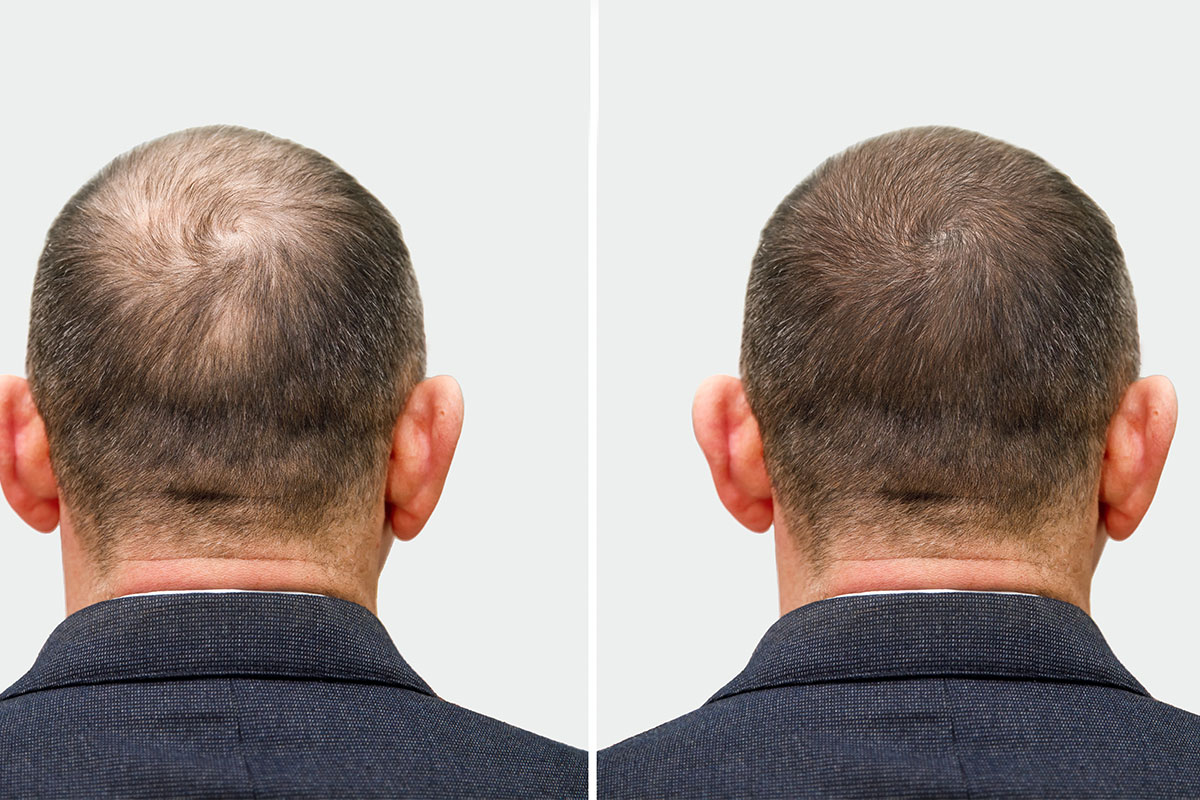
Before and Aftercare for PRP Hair Treatment
Before PRP
- Avoid alcohol for 24 hours
- Drink plenty of water
- Avoid anti-inflammatory medications
- Wash your hair that morning
- Have a good meal to avoid dizziness
After PRP
- Do NOT wash hair for 12–24 hours
- Avoid sun exposure
- Avoid saunas and gyms for 24 hours
- Don’t scratch or touch injection areas
- Avoid hair dye for 48–72 hours
- Resume gentle hair care products
Additional resources
- PRP Aftercare: The Essential Guide to Maximizing Your Treatment Results
- Which Whitby Clinic Uses HIFU, Microneedling, and PRP-all Under One Roof?
- How Many Sessions of PRP Do I Need for Glowing Skin?
Full FAQ Section: Every Question Answered
Here are the questions people Google most about PRP-answered clearly and honestly.
- How long does PRP take to work?
Most people notice results between 3–6 months.
- Does PRP really regrow hair?
Yes, if follicles are alive.
- Is PRP painful?
Mild discomfort. Numbing helps.
- How many PRP sessions do I need?
3–4 initial treatments, then maintenance.
- Can PRP cause more shedding?
Temporary shedding (shock loss) can occur but typically resolves as new growth begins.
- Can PRP fix a receding hairline?
Yes, if thinning is early-stage.
- Does PRP stop DHT?
No. That requires medication.
But PRP strengthens follicles damaged by DHT.
- Can women do PRP?
Absolutely. PRP is extremely popular for female pattern thinning and postpartum hair loss.
- Are results permanent?
No. Maintenance is required.
- Is PRP safe long-term?
Yes, no foreign substances are used.
- How soon can I go back to work?
Immediately.
- Who should NOT do PRP?
People with certain blood disorders, active infections, severe anemia, or extremely low platelet counts.
- Does PRP thicken existing hair?
Yes, many patients notice improved texture and volume.
- Can PRP be combined with microneedling?
Yes, and many clinics recommend it for enhanced absorption.
- Will PRP work if my father or mother is bald?
Family history matters, but PRP can still slow or improve thinning.
Conclusion: Is PRP Hair Loss Treatment Right for You?
Hair loss doesn’t mean you’re hopeless. PRP is one of the most natural, scientific, and effective ways to stimulate hair regrowth-without surgery or chemicals. It works best when started early, when the follicles are still alive, and in a medically appropriate setting.
Most clinics take a thoughtful, patient-centered approach-explaining the process, carefully assessing your scalp, and making sure you understand what PRP can and cannot do.
You deserve to feel confident in your hair again. And PRP may be the step that gets you there.
Why Choose Amazing New Face?
At Amazing New Face, we believe beauty should feel empowering-not stressful, confusing, or overwhelming. Our philosophy is simple: every treatment is designed to help you feel confident, comfortable, and completely yourself.
From the moment you walk in, you’re greeted by a warm, attentive team who truly listens. We take the time to understand your concerns, your goals, and what “feeling your best” means to you. Then, we create a personalized treatment plan that fits your features, your lifestyle, and your comfort level.
Our clinic is led by Alireza Hashemnejad, an aesthetic specialist with over 20 years of hands-on experience. A graduate of the Tehran University of Medical Sciences and a board member of the Canadian Academy of Facial Esthetics, Alireza is known for his precision, artistic approach, and gentle technique in advanced treatments such as Botox, dermal fillers, PRP therapy, and HIFU.
With modern, welcoming locations in Thornhill and Whitby, we proudly support women across the GTA-including North York, Richmond Hill, Markham, Pickering, Ajax, and surrounding areas. Whether it’s your very first treatment or part of a long-term routine, you can always expect honest advice, expert care, and beautifully natural results.
Our Services
- Dermal Fillers – Restore lost volume, contour your features, and smooth fine lines
• Botox Injections – Soften wrinkles while maintaining your natural expression
• HIFU Facial Treatments – Lift and tighten the skin without surgery
• PRP Therapy – Use your own plasma to rejuvenate skin and boost collagen
• RF Microneedling – Improve tone, texture, and overall skin firmness
• Skin Boosters – Deeply hydrate and brighten dull or tired skin
• Hair Regrowth Mesotherapy – Support fuller, healthier hair growth
• Fat-Dissolving Injections – Target stubborn areas with minimal downtime
• Non-Surgical Facelifts – Achieve a lifted, youthful look without invasive procedures
• Personalized Consultations – One-on-one expert guidance tailored to your unique needs
Start Your Journey from Home
Beginning your transformation has never been easier.
Whether you’re considering a non-surgical facelift in Whitby, exploring skin rejuvenation options in Thornhill, or simply seeking trustworthy professional advice, Amazing New Face is here to guide you with expertise, care, and genuine attention every step of the way.
