
Amazing New Face Blog
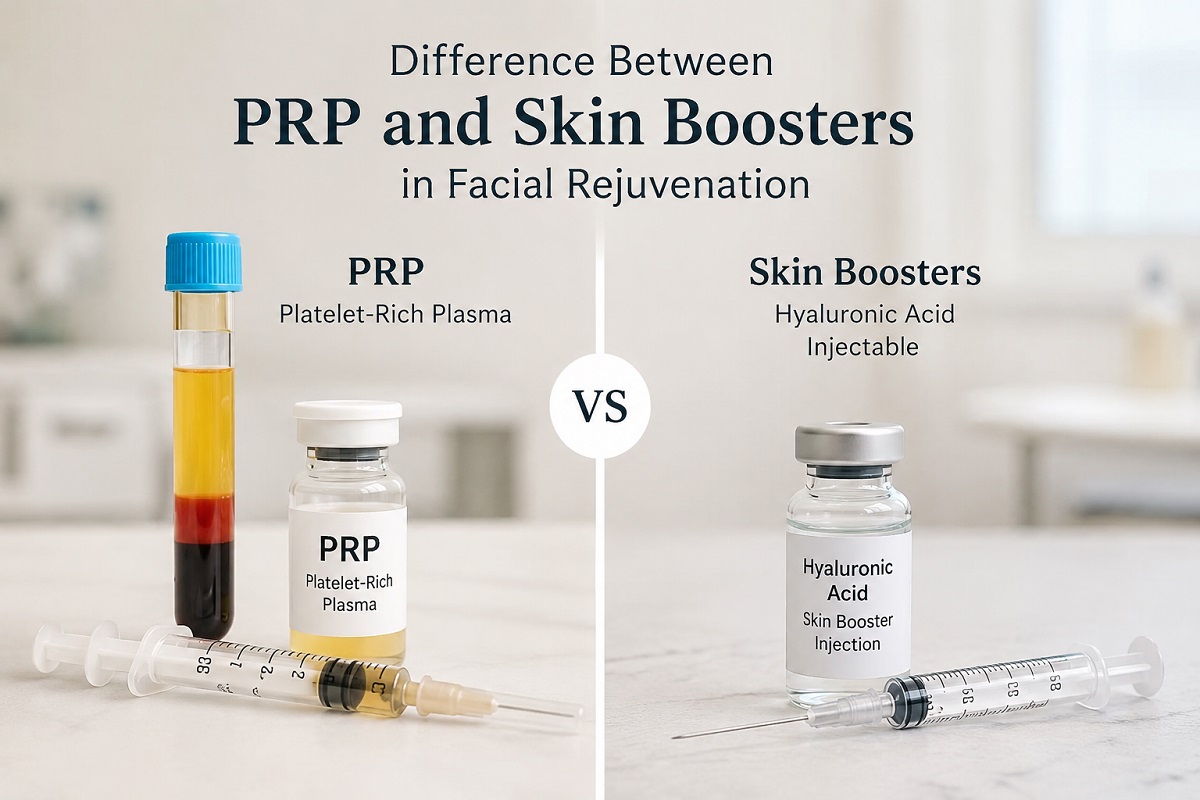
Examining the Difference Between PRP and Skin Boosters in Facial Rejuvenation
Hits: 204
When your skin starts looking tired, dull, or “not like it used to,” most people immediately think about fillers or Botox.
But lately, there’s been a shift.
More women are asking a different question:
“How can I make my skin healthier instead of just hiding the problem?”
That’s exactly why treatments like PRP and Skin Boosters have exploded in popularity.
Both are designed to improve skin quality. Both aim to create a fresher, more radiant look. And both are often talked about in the same conversation which honestly confuses a lot of people.
Because while PRP and Skin Boosters may sound similar, they work very differently.
And choosing the wrong one for your skin goals can leave you disappointed.
At Amazing New Face, one of the most common questions people ask during consultations is:
“Which one is better for me: PRP or Skin Boosters?”
The truth is, there’s no universal winner.
It depends on your skin, your age, your concerns, and the kind of results you actually want.
What Is PRP for Facial Rejuvenation?
PRP stands for Platelet-Rich Plasma.
It sounds technical, but the idea is actually pretty simple.
A small amount of your blood is drawn, placed into a machine called a centrifuge, and spun to separate the platelet-rich plasma from the rest of the blood.
That golden-colored plasma is then used on the skin, often alongside microneedling or injections.
Why?
Because platelets contain growth factors that help stimulate healing and collagen production.
In simple terms:
PRP encourages your skin to repair and regenerate itself naturally.
That’s why many people call it the “natural rejuvenation” treatment.
Unlike fillers, PRP doesn’t add volume artificially.
Instead, it helps improve:
- Skin texture
- Elasticity
- Fine lines
- Overall glow
- Under-eye darkness in some cases
- Acne scars
- Crepey skin quality
One reason PRP became so popular is because it uses your own blood.
For many people, that feels safer and more natural than injecting synthetic ingredients into the face.
What Are Skin Boosters?
Skin Boosters are injectable treatments designed to deeply hydrate and improve skin quality from within.
Most Skin Boosters contain hyaluronic acid; a substance naturally found in the body that helps retain moisture.
But unlike traditional fillers, Skin Boosters are not meant to dramatically add volume or reshape the face.
Instead, they’re designed to:
- Improve hydration
- Create smoother-looking skin
- Increase radiance
- Improve texture
- Reduce crepey or dehydrated appearance
- Help the skin look fresher and healthier
Think of it this way:
Fillers are usually about structure and volume.
Skin Boosters are more about skin quality.
Many people notice that their skin starts looking:
- less tired
- less “papery”
- more reflective
- softer
- healthier overall
Popular Skin Booster treatments may include products designed for:
- dull skin
- dehydrated skin
- early aging
- fine lines
- rough texture
- neck rejuvenation
- under-eye rejuvenation
PRP vs Skin Boosters: What’s the Main Difference?
This is where many people get confused.
Both treatments improve skin quality.
But they do it differently.
PRP stimulates repair
PRP works by triggering your body’s natural healing response.
It encourages collagen and tissue regeneration over time.
That means PRP focuses more on biological repair.
Skin Boosters focus on hydration and skin quality
Skin Boosters primarily improve moisture retention and skin texture.
They help the skin look plumper, smoother, and more refreshed.
The effect is often quicker when it comes to glow and hydration.
Which Treatment Looks More Natural?
Honestly?
Both can look very natural when done properly.
That’s because neither treatment is usually intended to create dramatic facial changes.
Instead, the goal is often:
“You look fresher… but I can’t tell why.”
That subtle improvement is exactly why many women are moving toward regenerative and skin-quality treatments instead of overfilled looks.
At Amazing New Face, many patients specifically ask for treatments that:
- don’t make them look “done”
- don’t drastically change facial features
- still allow them to look like themselves
PRP and Skin Boosters both fit well into that philosophy.
Which One Is Better for Collagen Production?
If collagen stimulation is the main goal, PRP usually has the advantage.
Because PRP contains growth factors from your own blood, it actively encourages tissue repair and collagen formation.
This can help with:
- Fine lines
- Acne scarring
- Skin laxity
- Thinning skin
- Early signs of aging
Skin Boosters can indirectly improve the appearance of collagen-depleted skin because hydrated skin looks healthier and smoother.
But PRP is generally considered the more regenerative treatment.
Which One Gives Faster Results?
Skin Boosters often provide faster visible glow and hydration.
Some people notice their skin looks fresher within days.
PRP usually works more gradually.
Because it relies on your body’s natural regeneration process, results tend to build over several weeks.
That slower process can actually be a good thing for people who want subtle, progressive improvement.
Which Treatment Lasts Longer?
This depends on:
- Age
- Skin condition
- Lifestyle
- Smoking
- Sun exposure
- Skincare habits
- Stress levels
- Hormonal changes
In general:
- Skin Boosters may need maintenance every few months
- PRP results may continue improving gradually over time
Neither treatment stops aging permanently.
And that’s important to understand.
One of the biggest misconceptions in aesthetics is the idea that a single treatment “fixes” aging forever.
Healthy skin maintenance works more like fitness.
You maintain it consistently over time.
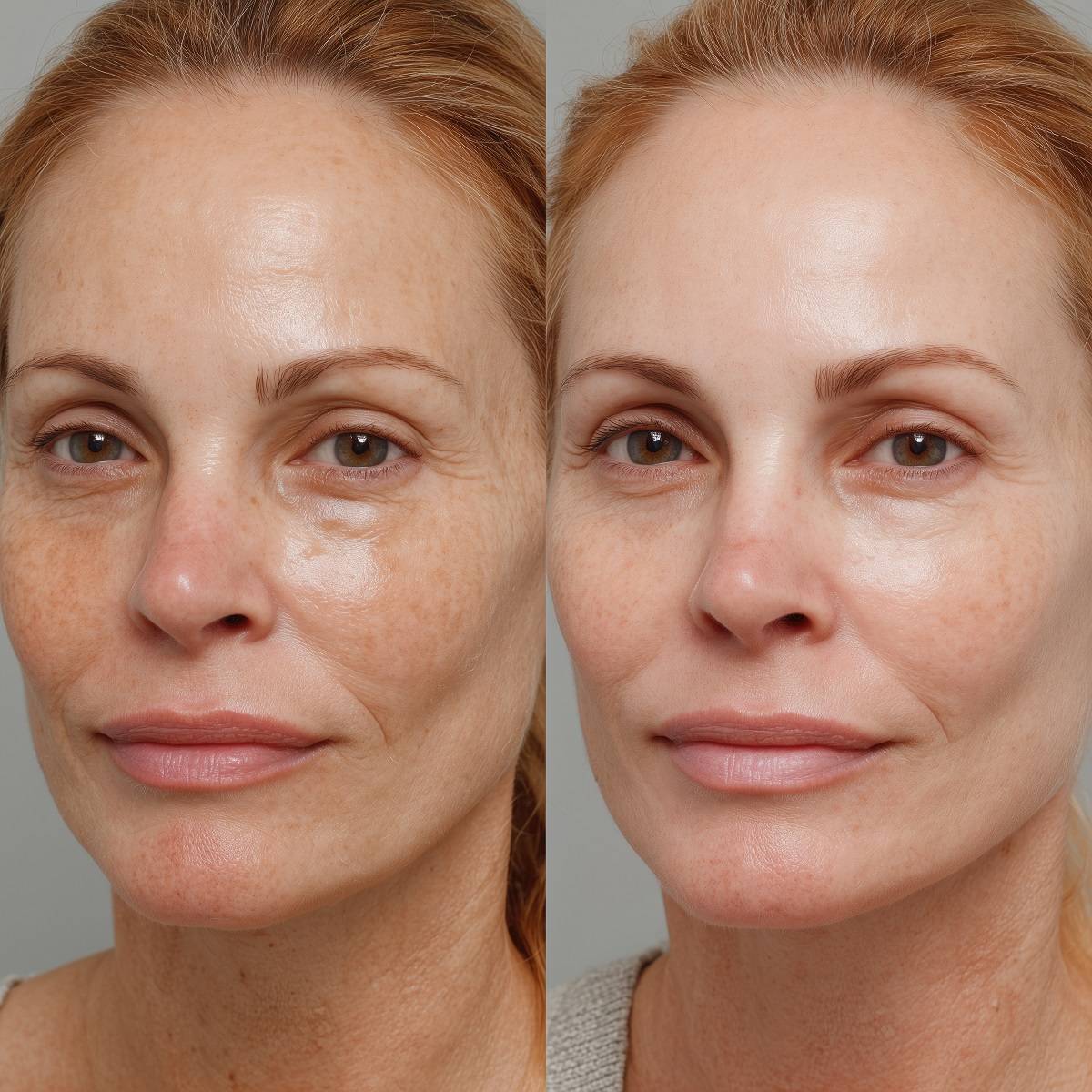
Are PRP and Skin Boosters Safe?
Both treatments are widely used and generally considered safe when performed by qualified professionals.
PRP has one major advantage for some patients:
it uses your own blood.
That lowers the risk of allergic reaction significantly.
Skin Boosters are also commonly well tolerated, especially when high-quality products are used appropriately.
Still, safety depends heavily on:
- provider experience
- proper assessment
- sterile technique
- understanding facial anatomy
- realistic treatment planning
This is why choosing an experienced clinic matters more than many people realize.
At Amazing New Face, consultations focus heavily on understanding skin quality, facial balance, treatment goals, and whether a patient is even a good candidate before recommending anything. For personalized guidance and more information, book your consultation today.
Which Treatment Is Better for Under-Eye Rejuvenation?
The under-eye area is tricky.
It’s delicate, thin, and often one of the first areas to show aging and fatigue.
PRP is commonly chosen for:
- dark under-eyes
- crepey skin
- thin skin texture
- tired-looking eyes
Because PRP stimulates regeneration, many people like it for improving overall skin quality under the eyes.
Some Skin Boosters are also specifically designed for the under-eye area and can help improve hydration and fine lines.
The right option often depends on:
- whether darkness is pigment-related
- volume-related
- vascular
- dehydration-related
- skin-thinning related
That’s why personalized assessment matters so much here.
Which One Helps More with Acne Scars?
PRP is usually more associated with acne scar improvement.
Especially when combined with microneedling.
Why?
Because acne scars involve damaged skin structure and collagen loss.
PRP helps stimulate repair and remodeling.
Skin Boosters may improve texture and hydration around the scars, but PRP generally plays a stronger role in actual scar rejuvenation.
What Does Recovery Look Like?
PRP Recovery
Depending on whether microneedling is involved, you may experience:
- redness
- mild swelling
- temporary sensitivity
- pinpoint bleeding
- dryness for a few days
Most people return to regular activities fairly quickly.
Skin Booster Recovery
Recovery may include:
- tiny bumps at injection sites
- mild swelling
- redness
- bruising in some cases
These effects are usually temporary.
Do PRP or Skin Boosters Hurt?
This is one of the biggest fears people have.
The good news?
Most people tolerate both treatments better than expected.
Numbing cream is often used beforehand to make the process more comfortable.
Some areas like the under-eyes can feel more sensitive.
But discomfort is typically manageable and temporary.
Who Is a Better Candidate for PRP?
PRP may be a strong option for people who:
- want a more natural approach
- prefer regenerative treatments
- have acne scars
- want collagen stimulation
- have thinning or crepey skin
- want gradual improvement
- are concerned about under-eye quality
It’s often appealing to people who don’t want dramatic changes.
Additional resources
- PRP for Dark Circles and Puffiness Under the Eyes: Does It Really Work?
- Which Whitby Clinic Uses HIFU, Microneedling, and PRP-all Under One Roof?
- The Best Time to Start Skin Boosters for Anti‑Aging
- What Is the Best Way to Rejuvenate Skin After 40?
Who Is a Better Candidate for Skin Boosters?
Skin Boosters may work well for people who:
- have dehydrated skin
- want more glow
- feel their skin looks dull
- want smoother texture
- want faster visible radiance
- are noticing early signs of aging
- want makeup to sit better on the skin
They’re especially popular among people whose skin looks tired or stressed.
Can You Combine PRP and Skin Boosters?
Yes, and this is becoming increasingly common.
Some treatment plans combine regenerative treatments with hydration-focused treatments for more comprehensive rejuvenation.
For example:
- PRP for collagen stimulation
- Skin Boosters for hydration and texture
Combination approaches are becoming popular because aging rarely comes from just one issue.
Skin aging can involve:
- collagen loss
- dehydration
- thinning
- reduced elasticity
- texture changes
- sun damage
Addressing multiple layers often creates more balanced results.
Why More Women Are Moving Toward “Skin Quality” Treatments
There’s been a noticeable shift in aesthetics.
A few years ago, the focus was often:
- bigger lips
- sharper cheeks
- dramatic contouring
Now?
Many people are prioritizing:
- healthy-looking skin
- subtle rejuvenation
- natural texture
- prevention
- glow
- long-term skin health
Women increasingly want to look refreshed instead of transformed.
That’s one reason treatments like PRP and Skin Boosters have become so popular.
They fit into the modern aesthetic trend:
healthy, believable, natural-looking skin.
What Many Clinics Don’t Explain Clearly Enough
Here’s something important.
Neither PRP nor Skin Boosters are magic.
And they won’t replace:
- sleep
- hydration
- skincare
- stress management
- sun protection
- healthy habits
Sometimes people expect one treatment to completely reverse years of stress, burnout, dehydration, or sun damage.
Real skin rejuvenation works best when treatments support an already healthy foundation.
The best results usually happen when:
- skincare is consistent
- SPF is used regularly
- smoking is avoided
- hydration improves
- treatments are maintained properly
Good aesthetic work should enhance healthy skin habits not replace them.
How to Decide Between PRP and Skin Boosters
If you’re trying to decide between the two, start by asking:
“What bothers me most about my skin?”
If your concerns are:
- dullness
- dehydration
- tired-looking texture
- lack of glow
Skin Boosters may make more sense.
If your concerns are:
- collagen loss
- acne scars
- thin skin
- crepey texture
- regeneration
PRP may be the better fit.
And sometimes?
The answer may honestly be both.
A good consultation should help clarify:
- your skin condition
- your goals
- realistic expectations
- how gradual or dramatic you want results to be
Why Personalized Treatment Plans Matter
One of the biggest mistakes in aesthetics is copying someone else’s treatment plan.
What works beautifully for one person may not work well for another.
Because skin differs based on:
- age
- genetics
- lifestyle
- sun exposure
- hormones
- stress
- skin thickness
- hydration levels
That’s why customized treatment planning matters so much.
At Amazing New Face, every treatment plan starts with understanding your skin, your concerns, and the kind of results you actually want not pushing trends or overdoing treatments.
If you’ve been thinking about PRP or Skin Boosters but aren’t sure which direction makes sense for your skin, booking a personalized consultation can help you understand your options clearly and confidently.
Frequently Asked Questions About PRP and Skin Boosters
Is PRP better than Skin Boosters for aging skin?
Not necessarily. PRP and Skin Boosters target different aspects of aging. PRP focuses more on collagen stimulation and skin regeneration, while Skin Boosters improve hydration and skin texture. The better option depends on whether your main concern is thinning skin, fine lines, dullness, dehydration, or overall skin quality.
How long do PRP facial results last?
PRP results vary from person to person. Many people notice gradual improvements over several weeks, with results lasting several months depending on lifestyle, skincare habits, sun exposure, and maintenance treatments. Healthy skin habits can help prolong results.
Are Skin Boosters the same as dermal fillers?
No. Skin Boosters are different from traditional fillers. Fillers are generally used to create structure or volume, while Skin Boosters are designed to improve hydration, radiance, and overall skin quality without dramatically reshaping the face.
Which treatment is more natural-looking: PRP or Skin Boosters?
Both treatments can look extremely natural when performed properly. PRP uses your body’s own plasma to stimulate regeneration, while Skin Boosters subtly improve hydration and texture. Most people simply look fresher and healthier rather than noticeably altered.
Can PRP help with dark under-eyes?
PRP may help improve under-eye skin quality, especially when darkness is related to thinning skin or poor skin texture. However, under-eye darkness can have multiple causes including genetics, pigmentation, volume loss, or vascular concerns. A consultation is important to determine whether PRP is appropriate.
Do Skin Boosters make your face look puffy?
When done correctly, Skin Boosters are not meant to create a puffy or overfilled appearance. Their goal is usually to improve hydration and skin texture subtly. Proper product selection and injection technique are important for achieving natural-looking results.
How many PRP or Skin Booster sessions are usually needed?
Treatment plans vary depending on skin condition and goals. Some people benefit from a series of sessions spaced over several weeks, followed by maintenance treatments. A personalized consultation can help determine the ideal approach based on your skin needs.
Can PRP and Skin Boosters be combined together?
Yes. Many modern facial rejuvenation plans combine PRP and Skin Boosters because they target different concerns. PRP can support collagen regeneration, while Skin Boosters improve hydration and radiance. Combination treatments may provide more balanced skin rejuvenation results.
Is there downtime after PRP or Skin Boosters?
Most downtime is mild and temporary. PRP may cause redness or sensitivity, especially if combined with microneedling. Skin Boosters may cause slight swelling, redness, or small injection bumps for a short period. Most people return to normal activities quickly.
What age should you start PRP or Skin Boosters?
There is no perfect age. Some people start in their late 20s or 30s for prevention and skin maintenance, while others begin later to address visible signs of aging. The decision should be based more on skin condition and goals rather than age alone.
Final Thoughts on PRP vs Skin Boosters
PRP and Skin Boosters are both powerful tools in modern facial rejuvenation.
But they’re not interchangeable.
PRP focuses more on regeneration and collagen stimulation.
Skin Boosters focus more on hydration, glow, and improving overall skin quality.
Neither treatment is about dramatically changing your face.
And honestly, that’s why many people love them.
The goal today isn’t always looking different.
Sometimes it’s simply:
looking healthier, fresher, and more rested.
If you’re considering facial rejuvenation and want guidance tailored to your skin concerns, learning the differences between treatments is the best place to start.
Because informed decisions almost always lead to better, more natural-looking results.
About Amazing New Face
At Amazing New Face, we believe great results start with clarity - not pressure.
Every treatment is planned with structure, balance, and long-term strategy in mind, not trends.
Led by Dr. Alireza Hashemnejad, a graduate of Tehran University of Medical Sciences with over 20 years of experience and a board member of the Canadian Academy of Facial Esthetics, our clinic combines medical expertise with an artistic eye. The focus is always on subtle, natural-looking outcomes.
We specialize in treatments such as Botox injections, dermal fillers, HIFU Facial Treatments, PRP, RF microneedling, skin boosters, fat dissolving injections, and personalized non-surgical lift plans - all tailored to your anatomy and goals.
With locations in Thornhill and Whitby, we serve clients across Toronto and the GTA who want thoughtful planning, not rushed procedures.
Not ready to visit in person?
At Amazing New Face, it’s never about doing more - it’s about doing what makes sense for your face.
