
Amazing New Face Blog
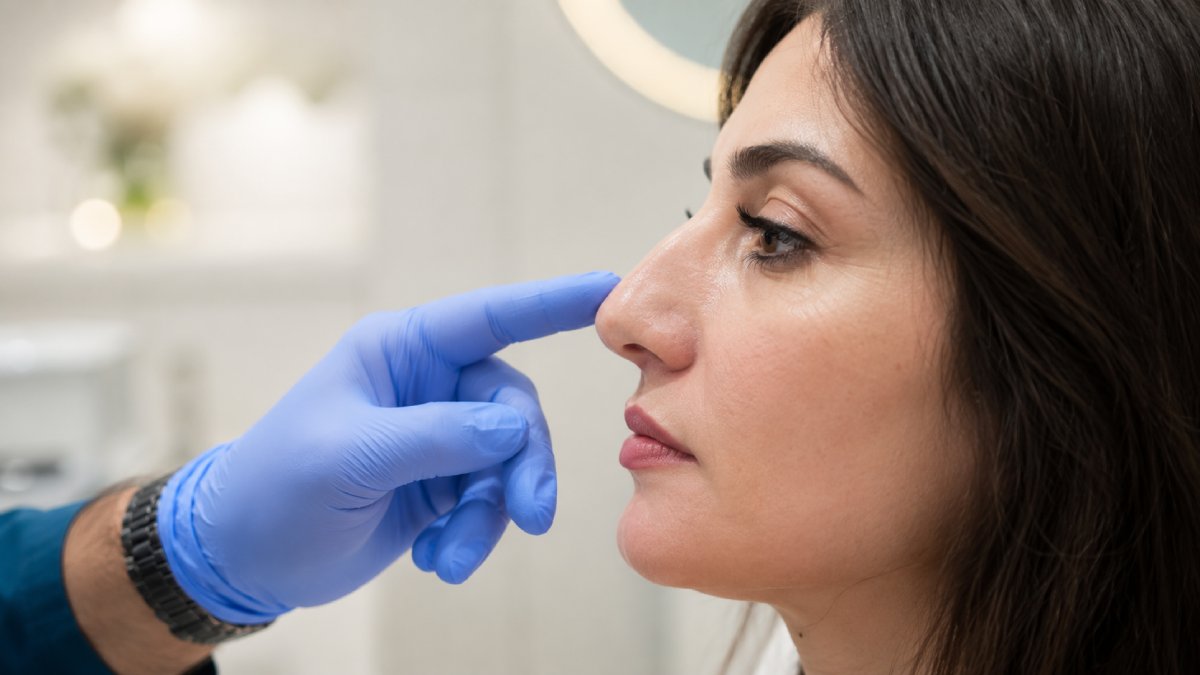
Thinking about nose filler often begins with a simple question: “Could a small change make my nose look more balanced?”
But before thinking about how much filler you may need, how long the result might last, or how quickly treatment can be done, there is a more important first step: the consultation.
A nose filler consultation should not be a quick conversation about where to inject. It should include a careful assessment of your facial anatomy, treatment goals, previous procedures, medical history, realistic expectations, the filler being considered, potential complications, and what would happen if something did not go according to plan.
RF microneedling can improve the appearance of acne scars, uneven texture, fine lines, and mild skin laxity, but the outcome depends heavily on the device, treatment settings, facial anatomy, and the person performing the procedure.
That is why choosing a clinic should involve more than comparing prices or looking at a few dramatic before-and-after photos. Before booking your first RF microneedling session in Toronto, you should understand what will be used on your skin, why it is being recommended, and what happens if your healing does not follow the expected timeline.
The following 12 questions will help you compare providers, identify potential red flags, and make a more informed treatment decision.
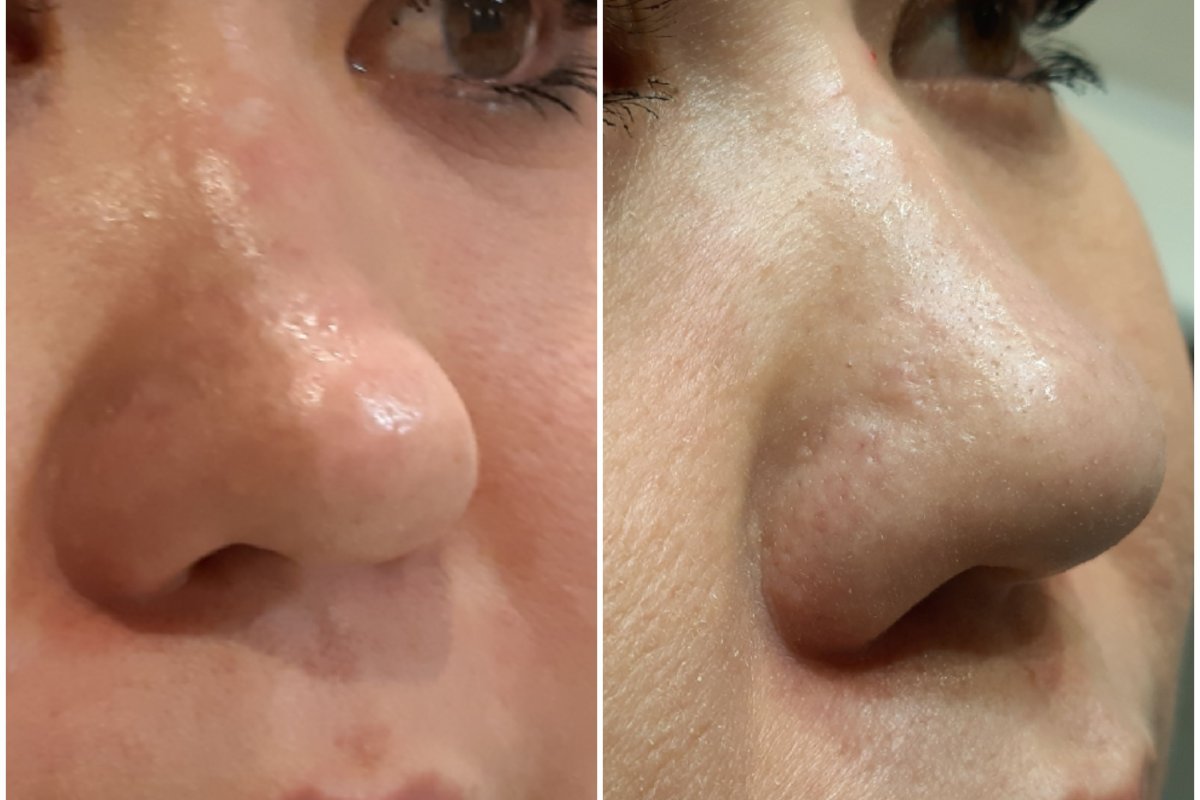
If you have ever looked at your side profile and thought, “I like my nose, but I wish this one area looked a little smoother,” you are not alone.
Nose filler has become a popular option for people who want subtle changes without surgery. But it is important to understand what the treatment actually does before deciding whether it is right for you.
Nose filler is not simply a faster or easier version of rhinoplasty. It works differently, has clear limitations, and because the nose has complex vascular anatomy, choosing an appropriately qualified and experienced injector matters.
If you are considering nose filler in Thornhill, your first step should not be deciding how much filler you want. It should be understanding your anatomy, the change you are hoping to achieve, the realistic limits of filler, and how your provider approaches safety.
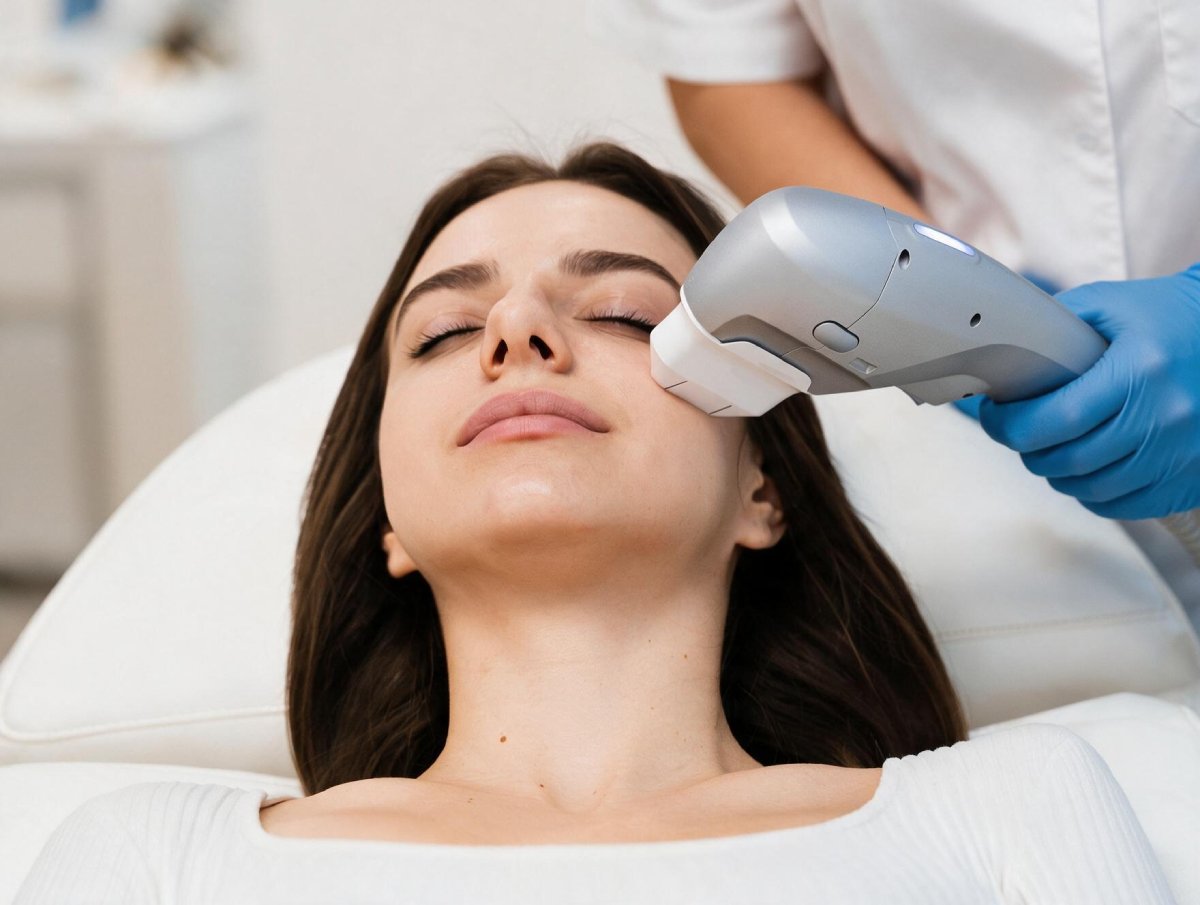
HIFU can be a helpful non-surgical option for people with mild to moderate skin laxity who want gradual, natural-looking firming. It is usually most suitable when the jawline is beginning to soften, the skin beneath the chin feels less firm, or early looseness is appearing around the lower face or neck.
But HIFU is not the right answer for every concern. Significant sagging, facial volume loss, a naturally thin face, active skin problems, or concerns mainly related to pigmentation, pores, or acne scars may call for another approach.
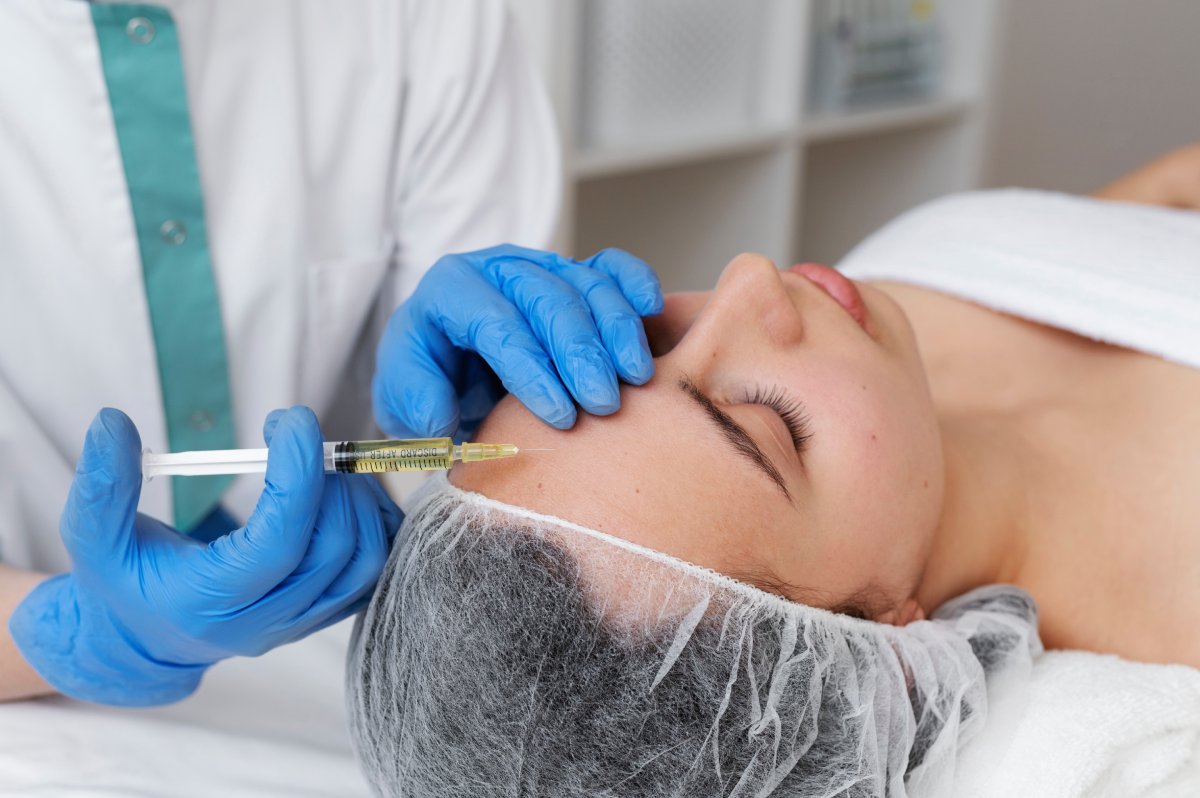
Botox prices in Whitby can be confusing. One clinic charge per unit, another promotes a three-area package, and another offers a limited-time discount. The numbers look easy to compare, but the care behind them may be very different.
Price matters, but it should not control the decision. The best clinic helps you understand who is treating you, which product is being used, why the plan suits your face, what it will cost, and what support is available afterward.
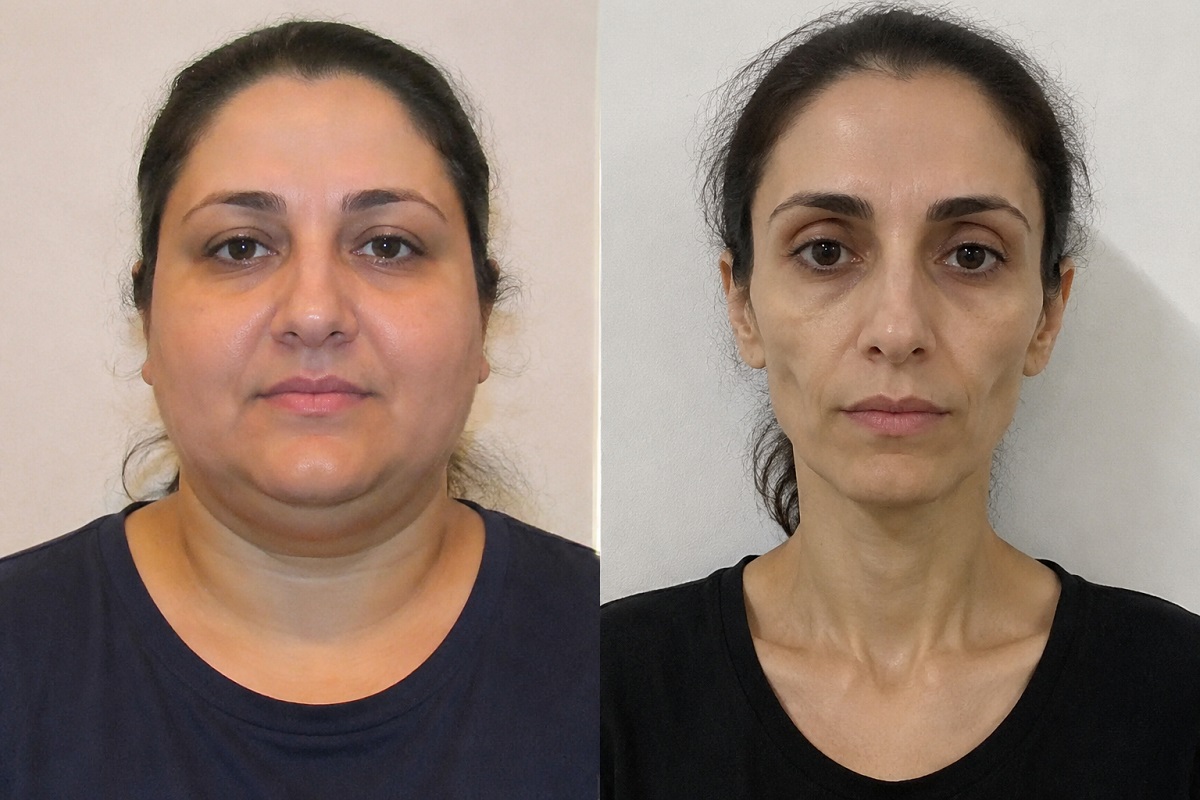
Weight loss can improve health and confidence, yet the face may change more than expected. Some people notice flatter cheeks, deeper under-eye shadows, visible temples, less jawline definition, or looser skin around the lower face and neck.
These changes are commonly called “Ozempic face.” It is not an official diagnosis and is not limited to people taking Ozempic. Similar changes may follow weight loss with other GLP-1 medications, bariatric surgery, dieting, illness, or other causes.

Lip filler can look beautifully subtle, or noticeably out of place. The difference is not simply how much product is used. It also depends on your anatomy, the filler selected, where it is placed, the injector’s technique, and how carefully the treatment is planned.
For a first-time patient, the most useful principle is simple: your lips should be treated as part of your face, not as a separate trend.

Fine lines, dryness, or a thin, crumpled texture under the eyes may become more noticeable when you smile or apply concealer. This is often called crepey under-eye skin.
If you do not have a deep hollow, and do not want filler, you may be considering PDRN under-eye treatment or polynucleotide injections. These treatments are designed to improve skin quality rather than dramatically change facial shape.
So, can PDRN improve crepey under-eye skin without adding volume?

A PDO thread lift can create a fresher, slightly lifted appearance without the incisions or recovery associated with facial surgery. Before booking, however, most people want one clear answer: How long will the result actually last?
For many suitable patients, the most noticeable lifting effect lasts approximately 6 to 12 months. Some people may continue to see improvement for 12 to 18 months, while others notice the effect softening sooner. Facial anatomy, skin quality, tissue weight, treatment area, thread design, placement, and individual healing all influence the timeline.
PDO gradually breaks down inside the body, while the healing response around the treatment area may temporarily support firmer-looking skin. Collagen stimulation, however, should not be confused with permanent lifting.
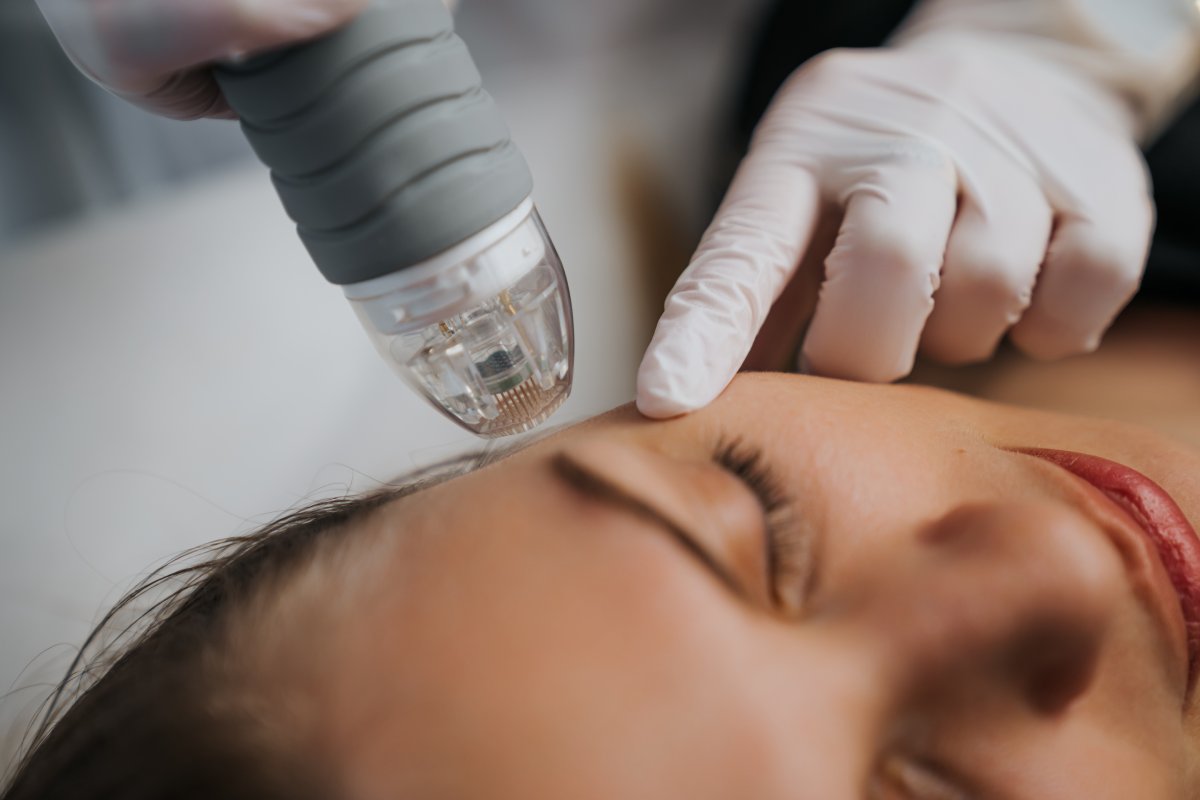
RF microneedling is often promoted for acne scars, enlarged pores, fine lines, uneven texture, and mild skin laxity. But a treatment can be popular and still be wrong for a particular person, or simply wrong for them right now.
The procedure creates tiny controlled injuries with needles while delivering radiofrequency energy as heat below the skin’s surface. This is intended to stimulate healing and gradual collagen remodeling. Because it combines needles and heat, your skin and body must be able to recover normally.
