
Amazing New Face Blog
What Is “Ozempic Face,” and Which Treatments Actually Address It?
Hits: 147
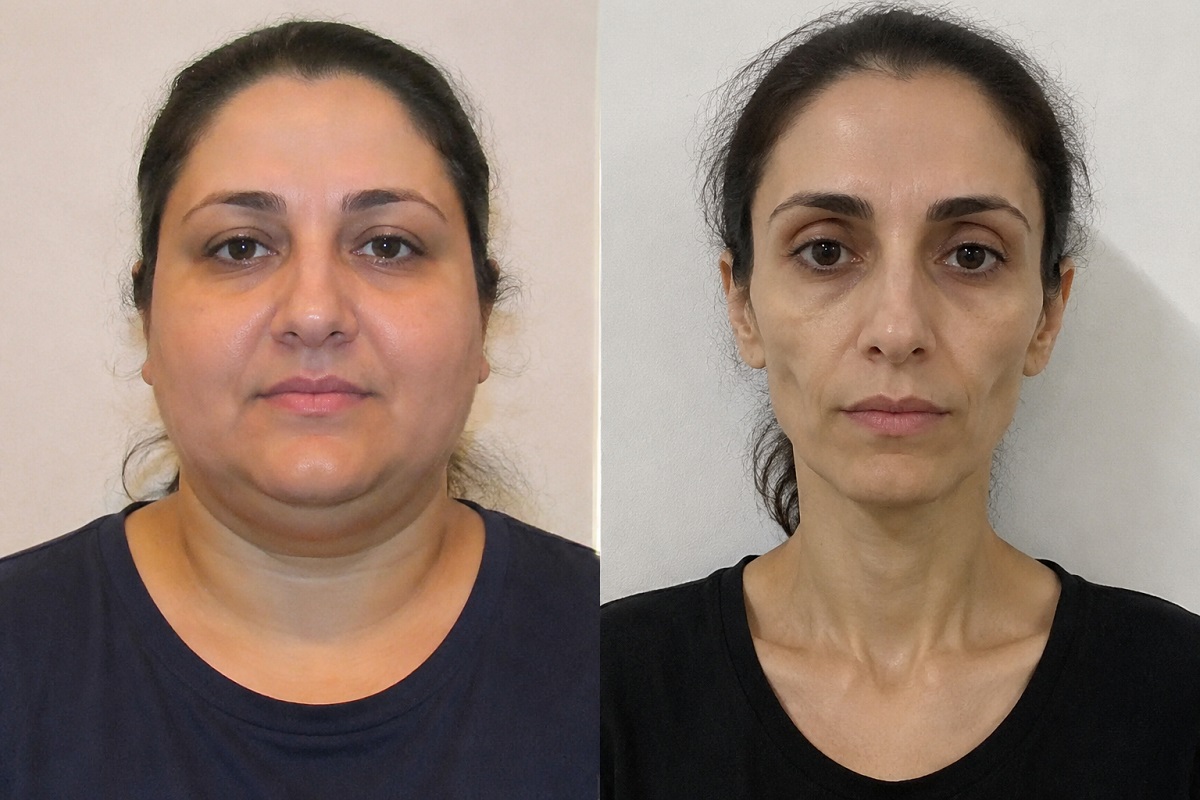
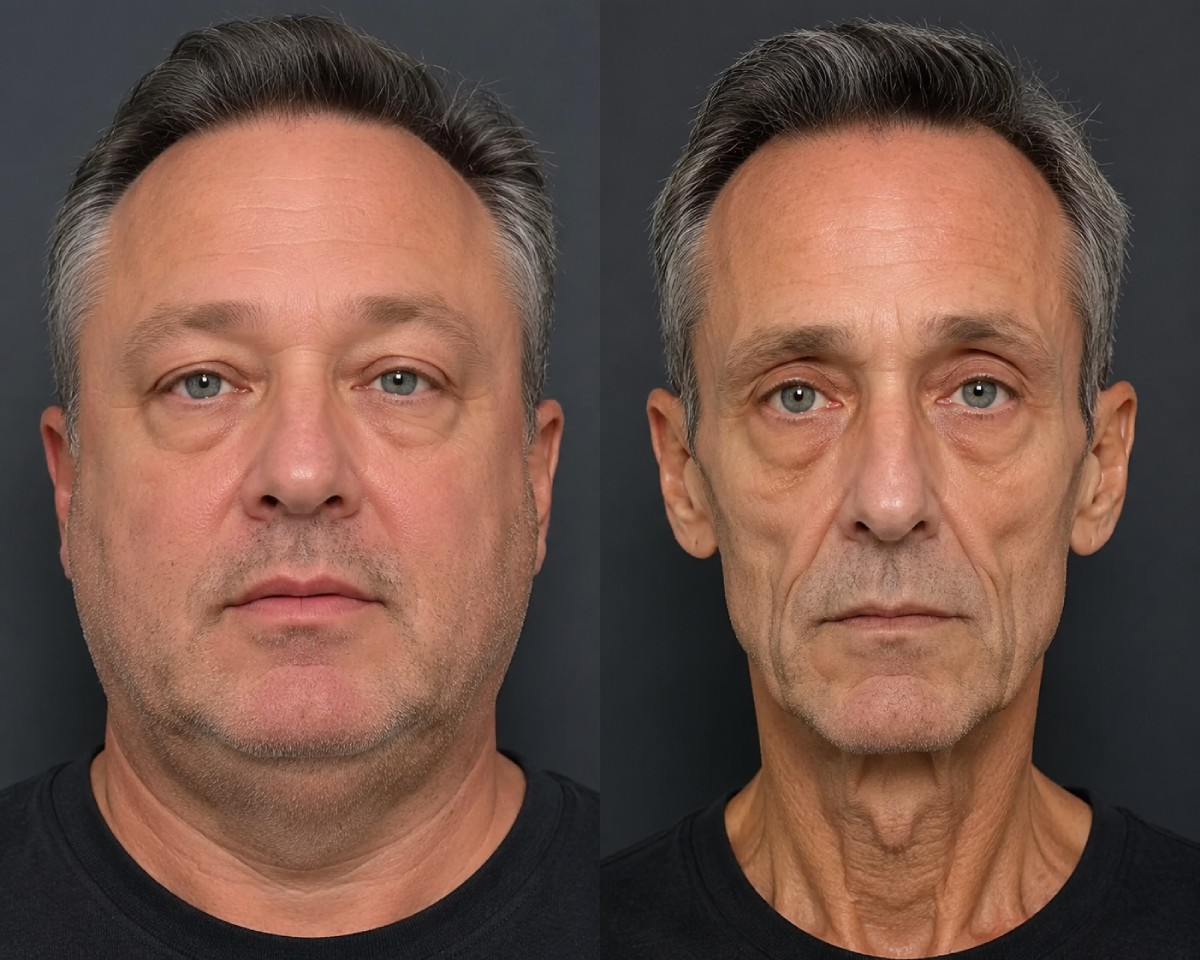
Weight loss can improve health and confidence, yet the face may change more than expected. Some people notice flatter cheeks, deeper under-eye shadows, visible temples, less jawline definition, or looser skin around the lower face and neck.
These changes are commonly called “Ozempic face.” It is not an official diagnosis and is not limited to people taking Ozempic. Similar changes may follow weight loss with other GLP-1 medications, bariatric surgery, dieting, illness, or other causes.
Quick Answer: What Is the Best Treatment for Ozempic Face?
The best Ozempic face treatment depends on what has actually changed:
- Dermal fillers may replace selected areas of lost facial volume.
- RF microneedling may improve texture and mild skin laxity.
- Carefully selected HIFU may help mild-to-moderate sagging in suitable faces.
- Skin boosters and PRP may improve skin quality but do not rebuild deep volume.
- PDO threads may reposition mildly descended tissue but cannot replace missing fat.
- Fat grafting or facelift surgery may be more appropriate for advanced changes.
There is no single procedure that fixes every version of Ozempic face. A hollow face, a loose face, and a dry or crepey-looking face require different plans.
What Does Ozempic Face Look Like?
Common changes include:
- Hollow or flatter cheeks
- More visible temples
- Deeper tear troughs
- More noticeable smile lines
- lose skin around the cheeks or jawline
- Early jowling
- A thinner or looser-looking neck
- A tired, drawn, or older appearance
Not everyone develops these changes. A 2025 radiographic study found an average loss of about 7% of midfacial volume for every 10 kilograms of total weight lost in the small group studied, mainly in superficial facial fat compartments. It supports what many patients notice: meaningful weight loss can reduce facial volume as well as body fat.
Is Ozempic Face an Official Side Effect?
No. “Ozempic face” is not listed as a named adverse reaction in official Ozempic prescribing information. Ozempic contains semaglutide and is indicated primarily for adults with type 2 diabetes, while semaglutide is also used in a separate medication indicated for chronic weight management.
The face is usually responding to weight loss, altered fat distribution, reduced support, and the skin’s ability to adapt. Stopping medication will not automatically restore facial volume. Never change a prescribed GLP-1 medication for cosmetic reasons without speaking to the prescribing professional.
Why Can Weight Loss Make the Face Look Older?
Facial fat supports the cheeks, softens shadows, and creates smooth transitions between features.
Facial Volume Decreases
Weight loss may affect facial fat compartments unevenly. Reduced cheek support can deepen under-eye shadows and folds, while lower-face skin may look heavier even though the face is thinner.
This is one reason someone may feel that their face looks older after weight loss. The issue is not always an increase in wrinkles. It may be a reduction in the support that previously kept those lines and shadows less noticeable.
Skin May Not Fully Contract
Collagen and elastin help skin adapt as underlying tissues change. Age, genetics, sun exposure, smoking, hormonal changes, and repeated weight fluctuations can reduce this ability.
When the structure beneath the skin becomes smaller, the skin may not shrink by the same amount. The result can be softness around the jawline, mild jowling, or looser skin on the face and neck.
Rapid Weight Loss Can Reveal Changes Suddenly
The total amount of weight lost matters, but the speed of weight loss also affects how dramatic the transition feels.
Rapid weight loss may make existing hollowing or looseness seem to appear almost overnight. It can also make it difficult to know whether the face has reached its new stable appearance or is still changing.
Dehydration May Exaggerate the Appearance
Nausea, vomiting, low appetite, or reduced fluid intake can temporarily make skin look duller and the face more drawn.
Persistent vomiting, weakness, dehydration, difficulty eating, or unexpectedly rapid weight loss should be discussed with the prescribing clinician before pursuing cosmetic treatment. Medical and nutritional concerns should always be addressed before aesthetic changes.
Does Ozempic Face Go Away?
Ozempic face may improve partly after weight stabilizes, but lost facial volume does not always return naturally.
Hydration, nutrition, sleep, sun protection, and skincare can improve skin quality, and tissues may settle once active weight loss slows. However, creams cannot replace cheek or temple fat or fully correct moderate-to-severe loose skin.
For mild changes, waiting may be the most sensible first step. This gives the face time to settle and makes it easier to identify which concerns remain.
For persistent hollowing, laxity, or changes in facial balance, treatment may be considered once weight is reasonably stable.
How to Fix Ozempic Face: Match the Treatment to the Problem
The useful question is not, “Which treatment is popular?” It is, “Which facial layer has changed?”
1. Dermal Fillers for Lost Facial Volume
When deflation is the main concern, Ozempic face filler treatment is one of the most direct non-surgical options.
Hyaluronic acid fillers may be placed in selected areas such as the cheeks, temples, chin, jawline, or carefully chosen under-eye regions. The goal is not to fill every line. Restoring support in the midface may improve several nearby concerns at the same time.
For example, carefully restoring cheek support may soften the transition beneath the eyes and reduce the appearance of certain folds without directly injecting every visible line.
Conservative placement matters. A slimmer face does not automatically need a large amount of filler. Too much can create puffiness, heaviness, or proportions that no longer match the person’s body.
Dermal filler is a medical procedure. Temporary swelling, bruising, redness, and tenderness are common. Rare vascular complications can cause skin injury and, in very rare cases, visual impairment. Health Canada advises using authorized products and qualified professionals.
2. Biostimulatory Injectables for Gradual Support
Biostimulatory injectables may gradually support collagen and diffuse facial volume. Results are not immediate, and some products cannot be easily dissolved, so conservative planning is essential.
They may be considered when facial changes are spread across a broader area rather than concentrated in one specific hollow. Product selection, treatment depth, facial anatomy, and future weight changes must all be considered.
3. RF Microneedling for Texture and Mild Laxity
RF microneedling combines controlled needle penetration with radiofrequency energy. It may improve crepey texture, fine lines, mild laxity, and firmness by stimulating a wound-healing and collagen-remodelling response.
It does not replace substantial cheek or temple volume. A hollow face treated only with tightening may still look hollow afterward.
4. HIFU for Selected Skin Laxity
HIFU uses focused ultrasound energy beneath the skin to stimulate contraction and collagen remodelling. It may help suitable patients with early jowling, mild jawline softness, or loose skin beneath the chin and neck.
Evidence reviews suggest that microfocused ultrasound can improve mild-to-moderate facial laxity, although results vary. HIFU is not automatically right for a thin or hollow face: if lost volume is dominant, tightening alone may disappoint. Device, depth, energy, anatomy, and technique all matter.
A facial assessment should therefore determine whether the concern is genuinely loose skin or whether reduced volume has made the skin appear less supported.
5. Skin Boosters for Dry or Crepey Skin
Skin boosters are designed mainly to improve hydration, smoothness, elasticity, and radiance. They may help skin that looks dull, finely lined, or crepey after weight loss.
They should not be confused with structural filler: filler supports facial shape; a skin booster improves the quality of the skin covering it.
A patient may benefit from both treatments, but they should not be presented as interchangeable solutions.
6. PRP for Skin Quality
PRP uses a concentrated portion of the patient’s own blood. It may support improvements in skin texture, fine lines, elasticity, and overall skin quality.
Reviews describe PRP as promising for facial rejuvenation, but methods remain inconsistent. It is not a replacement for lost facial fat.
PRP may be more relevant when the skin looks tired or less resilient than when the main concern is deep cheek or temple hollowing.
7. PDO Threads for Mild Tissue Descent
PDO threads may reposition mildly descended tissue and provide a limited lifting effect in selected patients. They may be considered for early jowling or modest lower-face laxity.
Threads do not recreate missing facial volume. Pulling tissue upward without restoring appropriate support may leave a significantly deflated face looking incomplete or unbalanced.
Reviews also report complications such as swelling, dimpling, asymmetry, visible or palpable threads, infection, and extrusion.
PDO threads are generally better suited to mild tissue descent than advanced skin laxity or substantial post-weight-loss deflation.
8. Botox: Not a Direct Ozempic Face Treatment
Botox can soften forehead lines, frown lines, crow’s feet, and selected muscle-related concerns. It does not restore cheek volume or meaningfully tighten loose skin.
It may be part of a broader facial-refresh plan, but it does not correct the structural changes associated with facial deflation.
9. Fat Grafting or Surgery for Significant Changes
When volume loss or laxity is advanced, non-surgical treatments may offer only limited correction.
Fat grafting transfers a patient’s own fat into selected facial areas and may provide broader volume restoration. A facelift or neck lift can reposition deeper tissues and address substantial skin excess more effectively than filler or energy-based treatments.
A responsible consultation should explain when non-surgical treatment is unlikely to meet expectations and when a surgical opinion may be more appropriate.
Ozempic Face Treatment Comparison
|
Main concern |
Treatments that may help |
Main limitation |
|
Hollow cheeks or temples |
Dermal filler, biostimulatory injectable, fat grafting |
Does not remove significant loose skin |
|
Mild skin laxity |
RF microneedling, carefully selected HIFU |
Does not replace lost volume |
|
Dry or crepey skin |
Skin boosters, PRP, skincare |
Does not rebuild deep support |
|
Mild tissue descent |
Selected PDO threads |
Limited effect in severe laxity |
|
Severe laxity or deflation |
Surgical lifting, fat grafting |
Requires surgical assessment and recovery |
|
Expression lines |
Botox |
Does not treat facial hollowing |
For patients with both hollowing and laxity, a staged plan often looks more natural than doing everything at once. Treatment order depends on anatomy, previous procedures, and the devices involved.
Additional resources
- What Questions Should You Ask the Doctor Before Injecting Fillers?
- Which Whitby Clinic Uses HIFU, Microneedling, and PRP-all Under One Roof?
- RF Microneedling Before and After Age 50: What to Expect
- Examining the Difference Between PRP and Skin Boosters in Facial Rejuvenation
What Should Happen Before Treatment?
A good consultation should consider:
- How much weight you lost and how quickly
- Whether your weight is still changing
- Medication side effects
- Previous fillers, threads, lasers, or energy treatments
- Nutrition, hydration, and general health
- Whether the main concern is volume, laxity, texture, or a combination
- The level of change you consider natural
- Your tolerance for downtime and maintenance
Older photographs can help distinguish newly lost volume from facial features that existed before weight loss.
Not sure what has changed in your face? Book a personalized facial assessment to identify whether volume loss, skin laxity, or skin quality should be addressed.
Frequently Asked Questions About Ozempic Face
Does everyone taking Ozempic develop Ozempic face?
No. Facial response varies according to the amount and speed of weight loss, age, genetics, skin elasticity, facial structure, sun exposure, and starting facial volume.
Can creams fix Ozempic face?
Creams may improve dryness, texture, and fine lines. They cannot replace deep facial fat or correct substantial loose skin.
Will stopping Ozempic restore my face?
Not necessarily. Stopping medication does not automatically restore lost facial volume and should not be done without medical guidance.
Is filler always the best treatment?
No. Filler is most useful when volume loss is the main concern. It may be unsuitable when laxity is severe, facial volume is already adequate, or expectations are unrealistic.
Can HIFU make a thin face look thinner?
Results depend on facial anatomy, the device, treatment depth, energy settings, and technique. Thin or hollow faces require cautious assessment because tightening alone may not address the real concern.
Should I Wait Until My Weight Is Stable?
In many cases, yes. Stable weight makes it easier to identify lasting facial changes and reduces the chance that continued weight loss will alter the treatment result.
The Bottom Line
Ozempic face is not one condition and does not have one universal solution. It may involve facial volume loss, skin laxity, reduced skin quality, or several changes at once.
Dermal fillers address selected volume loss. RF microneedling and carefully chosen HIFU may improve mild laxity. Skin boosters and PRP focus on skin quality. PDO threads may offer limited lifting in selected cases. Botox treats expression lines, not facial deflation. Significant changes may require fat grafting or surgery.
About Amazing New Face
At Amazing New Face, we help clients make informed decisions about non-surgical facial rejuvenation through honest guidance, personalized treatment planning, and a focus on natural facial balance.
Treatments are led by Dr. Alireza Hashemnejad, a graduate of Tehran University of Medical Sciences with more than 20 years of experience in aesthetic procedures. Rather than recommending the same treatment to everyone, each assessment begins by identifying what has actually changed, whether the concern involves facial volume loss, skin laxity, crepey texture, puffiness, pigmentation, or a combination of factors.
With locations in Thornhill and Whitby, Amazing New Face serves clients from Toronto and across the GTA. A personalized consultation can help determine whether the most appropriate next step is a single treatment, a carefully staged plan, or simply allowing more time for the face and body weight to stabilize.
