
Amazing New Face Blog
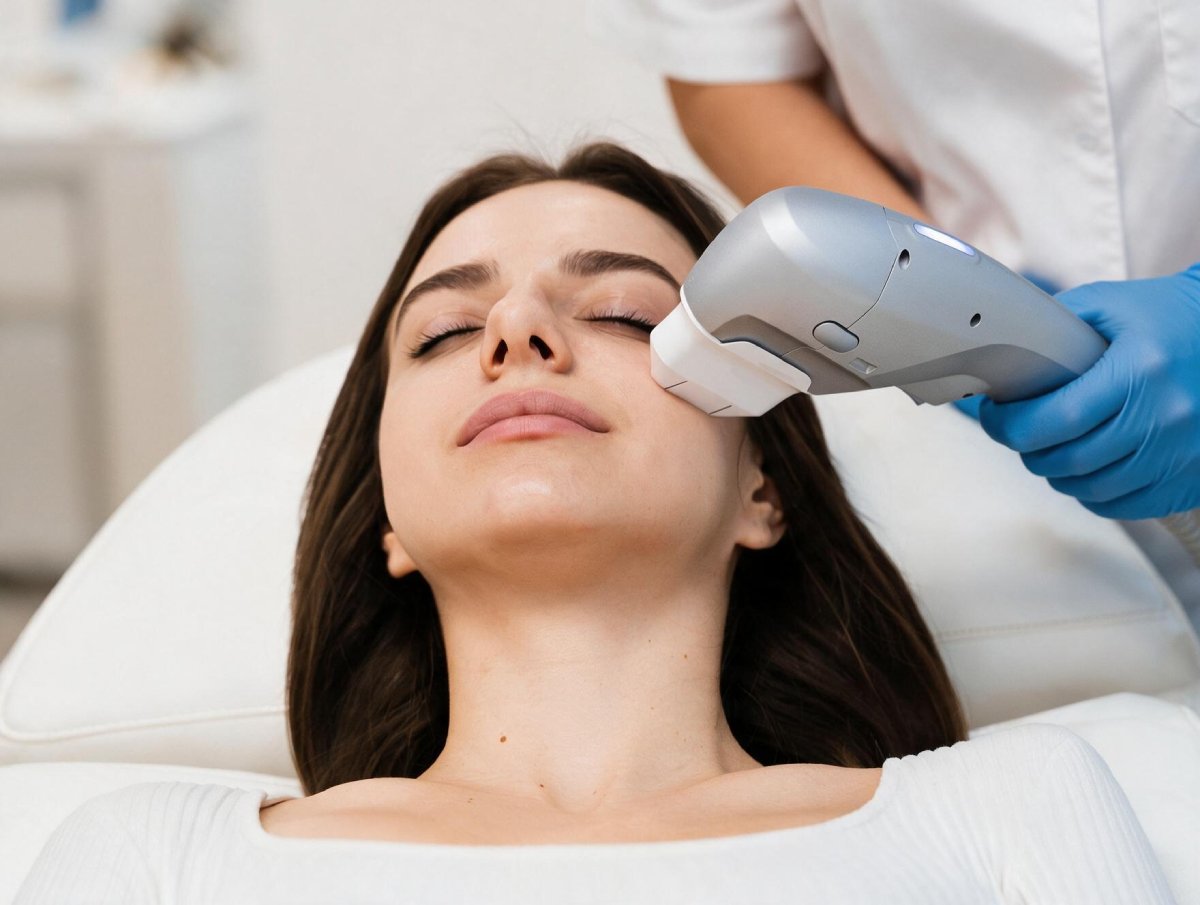
HIFU in Whitby: Who Is a Good Candidate, and Who May Need Another Option?
Hits: 140
HIFU can be a helpful non-surgical option for people with mild to moderate skin laxity who want gradual, natural-looking firming. It is usually most suitable when the jawline is beginning to soften, the skin beneath the chin feels less firm, or early looseness is appearing around the lower face or neck.
But HIFU is not the right answer for every concern. Significant sagging, facial volume loss, a naturally thin face, active skin problems, or concerns mainly related to pigmentation, pores, or acne scars may call for another approach.
That is why the most useful question is not simply, “Does HIFU work?”
It is: Will HIFU address the specific change I see in my face?
Two people of the same age can need completely different plans. One may have early laxity with good facial volume; another may mainly have hollowing, uneven texture, or sun damage. HIFU may suit the first person, while the others may benefit more from a different option.
This guide explains who may be a good candidate, who should be cautious, and what alternatives may make more sense.
Quick answer
HIFU may be suitable for adults with mild to moderate skin laxity, relatively balanced facial volume, stable weight, healthy skin in the treatment area, and realistic expectations. People with significant sagging, pronounced facial hollowing, active skin conditions, or concerns mainly involving pigmentation, redness, pores, or acne scars may benefit from a different treatment.
Medical note: This article is for general education and does not replace an individual medical assessment. Suitability depends on your health, skin condition, facial anatomy, treatment area, previous procedures, device, and treatment settings.
What is HIFU, and how does it work?
HIFU stands for High-Intensity Focused Ultrasound. It delivers focused ultrasound energy to selected depths beneath the skin, creating small, controlled points of heat without surgical incisions.
The controlled response encourages the body to repair and reorganize collagen, the protein that gives skin firmness and support. This renewal develops gradually over the following weeks and months.
A 2025 systematic review examining 45 clinical trials and cohort studies reported measurable improvements in skin tightening, particularly in the lower face, neck, and around the eyes. However, the studies used different devices, treatment protocols, and outcome measures, so individual results should not be assumed from an average study result.
Current research suggests that HIFU can provide modest to moderate tightening for appropriately selected patients, although the quality and consistency of evidence vary.
HIFU is commonly considered for a softening jawline, early jowling, mild skin laxity beneath the chin or on the neck, and selected cases of brow laxity.
HIFU does not replace missing facial volume, remove every wrinkle, or create the same degree of lifting as surgery. Its main role is gradual firming in appropriately selected areas.
Who is usually a good candidate for HIFU?
There is no single “best age” for HIFU. Facial structure, skin quality, degree of laxity, health history, and expectations matter more than the number on your birthday.
You may be a reasonable candidate if several of the following apply.
You have mild to moderate skin laxity
HIFU tends to make the most sense when the skin is starting to loosen but has not developed significant hanging, folding, or tissue descent.
You might notice that your jawline looks less crisp in photos or the area beneath your chin feels softer. This is often the stage when someone says, “I still look like myself, but my face seems a little less firm.”
HIFU may improve that early softness. It should not be expected to pull advanced jowls or a heavily sagging neck into a dramatically different position.
Your facial volume is reasonably balanced
A face can look older because of loose skin, lost volume, or a combination of both. HIFU is mainly a tightening treatment. It does not replace volume in hollow cheeks, temples, or under-eye areas.
If your face still has good natural support and early laxity is the main concern, HIFU may be appropriate. If your face already looks narrow, hollow, or drawn, tightening alone may not create the refreshed appearance you want.
You want a gradual, natural-looking change
HIFU is better suited to someone who is comfortable waiting for collagen renewal. Some people notice early firmness, but more visible changes often develop over two to three months and may continue to mature afterward.
The goal is usually subtle improvement, such as a cleaner jawline or firmer-looking skin. If you want a dramatic transformation for an event next week, HIFU is unlikely to match that timeline.
You have realistic expectations
HIFU cannot guarantee a surgical-level lift, remove all jowls, restore lost volume, stop ageing, or produce the same result for everyone. Genetics, sun exposure, smoking, hormonal changes, weight fluctuations, and health influence the response.
Your weight is relatively stable
Significant weight loss can change facial fat and skin support. If you are actively losing substantial weight, it may be sensible to wait until your weight is stable before choosing a treatment.
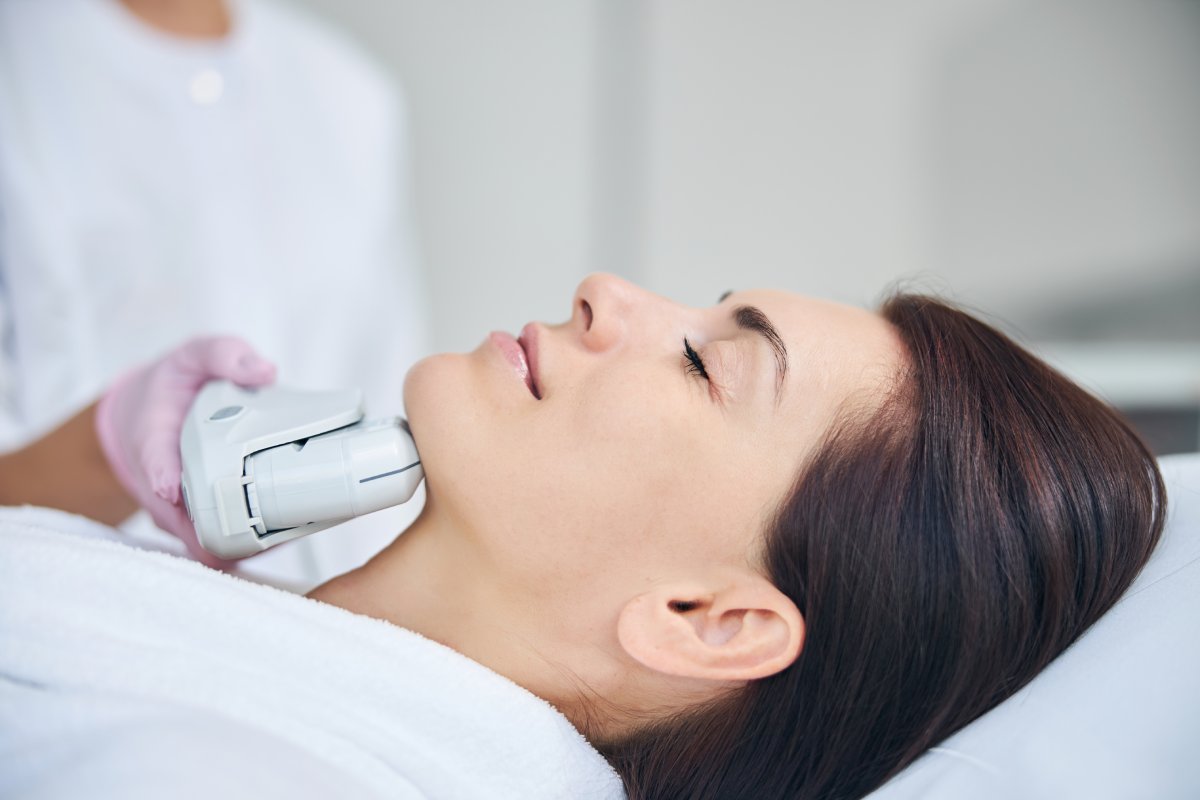
Who may need another option instead of HIFU?
People with significant sagging
HIFU is not a non-surgical copy of a facelift. If you have pronounced jowls, substantial neck laxity, heavy folds, or advanced tissue descent, the improvement may be too limited to meet your expectations.
In that situation, a surgical consultation can help you compare realistic options without committing you to surgery.
People whose main concern is facial volume loss
Flattened cheeks, hollow temples, under-eye hollows, or a tired and drawn appearance may be caused more by lost support than loose skin.
In selected patients, conservative dermal filler treatment may restore support. The goal should respect natural proportions. If both treatments are considered, share the locations and dates of previous fillers so the order can be planned.
People with naturally thin or hollow faces
If your face is naturally lean, candidate selection and treatment mapping require extra care. More energy is not automatically better, and treating every zone in the same way is not a personalized plan.
Ask which areas would be treated or avoided and how the plan would protect the volume you want to keep. Your anatomy may call for selected zones, conservative settings, another procedure, or no treatment.
For a deeper explanation, read Does HIFU Affect Facial Fat?.
People mainly concerned about pores, acne scars, or texture
HIFU is not usually the first choice for mainly textural concerns. If enlarged pores, acne scars, crepey skin, or uneven texture bother you most, RF microneedling may be more relevant:
- HIFU: Deeper support and mild lifting
- RF microneedling: Texture, scars, pores, and skin-level collagen remodelling
Some patients may benefit from both, but each should have a clear purpose. Explore HIFU vs. RF Microneedling.
People mainly concerned about pigmentation or redness
Brown spots, melasma, visible vessels, and persistent redness are not primarily caused by deep laxity. HIFU may firm the skin without improving the colour concern that bothers you most.
Depending on the diagnosis, a plan may involve sun protection, medical skincare, peels, laser or light-based treatments, or a dermatology referral. Pigmentation, especially melasma, should be assessed carefully.
Who should avoid or postpone HIFU?
Contraindications can vary by device, so an individual assessment and the manufacturer’s instructions are essential.
HIFU should generally be postponed when there is an active infection, open wound, significant inflammation, or an unexplained skin lesion in the proposed treatment area. Elective cosmetic HIFU is also generally postponed during pregnancy because adequate safety data are not available.
Tell the clinician about any implanted medical or electronic device, metal or dental implant near the proposed treatment area, altered facial sensation, facial weakness, bleeding disorder, healing problem, or previous cosmetic procedure. An implant or previous treatment is not automatically a contraindication in every case, but it may change the treatment area, timing, settings, or suitability. Device-specific instructions must always be followed.
“Non-surgical” does not mean “risk-free.” Ask for the device name and whether the applicable device is listed through Health Canada’s Medical Devices Active Licence Listing.
Less common complications can include burns, welts, prolonged numbness or tingling, temporary muscle weakness, contour irregularity, or unwanted volume change. Risk depends on the device, treatment mapping, energy settings, anatomy, and operator experience. These possibilities should be discussed during informed consent rather than presented as expected outcomes.
What does HIFU feel like, and is there downtime?
During treatment, you may feel warmth, tingling, brief prickling, small pulses, or sharper sensitivity near bony areas.
HIFU should not be described as completely painless for everyone. Comfort depends on the device, treatment depth, settings, area, and individual sensitivity. Tell the provider if a sensation feels unexpectedly intense.
Afterward, the skin may look normal or mildly flushed. Temporary tenderness, swelling, tightness, tingling, or numbness may occur. Many people return to routine activities quickly, but minimal downtime does not mean zero side effects.
What should you do after HIFU?
Aftercare is usually simple, but instructions may vary depending on the device and treatment intensity. Use gentle skincare, avoid rubbing or massaging a tender treatment area, and apply broad-spectrum sunscreen. Follow any specific advice provided by your clinician.
Contact the clinic promptly if pain, swelling, blistering, weakness, asymmetry, or numbness is severe, becomes worse, or lasts longer than expected.
How long does it take to see HIFU results?
Temporary tightness may appear immediately, but it is not the final result. Firming may become more noticeable around two to three months and continue to mature afterward.
There is no universal number of sessions. Some people may have one treatment followed by observation. Others may need a different plan or may not be suitable candidates.
More sessions or higher energy do not automatically mean a better result.
How long can HIFU results last?
HIFU does not stop the natural ageing process, so its results are not permanent. How long the improvement remains noticeable varies depending on age, skin quality, treatment area, device, settings, lifestyle, and the individual collagen response.
Some patients may consider maintenance treatment later, while others may benefit more from a different approach. A repeat session should be recommended only after reassessing the skin and treatment results, not according to a fixed schedule.
What should you ask before booking HIFU in Whitby?
A good consultation should explain why HIFU fits your face, not simply how the machine works. Ask:
- Is my concern laxity, lost volume, texture, pigmentation, or a combination?
- Why is HIFU appropriate for my facial structure?
- Which areas will be treated or avoided?
- What device and treatment depths will be used?
- Who will perform the treatment?
- What result is realistic, and what are the alternatives?
- How will my previous procedures affect the plan?
- What aftercare and follow-up are included?
Bring a list of medications, medical conditions, and previous cosmetic procedures. If maintaining fullness matters, say: “I want a more defined jawline, but I do not want my face to look thinner.”
Not sure whether HIFU is right for you? A personalized assessment can help determine whether it matches your skin, facial structure, and goals. Book a consultation at our Whitby clinic.
Frequently asked questions about HIFU
Is HIFU good for a double chin?
It depends on the cause. A double chin may involve loose skin, fat, chin projection, muscle position, or neck anatomy. HIFU may help selected cases of mild laxity but is not the solution for every double chin.
Can HIFU replace a facelift?
No. HIFU may create subtle to moderate firming in suitable candidates. A facelift surgically repositions and removes tissue, so the scale and predictability of the change are different.
Is HIFU suitable for darker skin tones?
Because focused ultrasound works beneath the surface rather than targeting pigment in the outer skin, it may be considered across a range of skin tones. Suitability still depends on skin condition, medical history, device, settings, and provider experience.
How many HIFU sessions will I need?
There is no universal treatment schedule. Some suitable patients may begin with one session and wait for collagen remodelling before being reassessed. The decision should depend on the response, treatment goal, anatomy, device, and safety, not on the assumption that more sessions always produce a better result.
Is HIFU painful?
Sensations vary. Some people describe warmth, tingling, prickling, or brief sharp pulses, especially near bony areas. Comfort depends on the device, treatment depth, settings, area, and individual sensitivity. HIFU should not be advertised as completely painless for everyone.
Can HIFU make a thin face look thinner?
HIFU is not intended to make every face thinner, but treatment depth, location, energy, and individual anatomy matter. People with naturally lean or hollow faces should receive careful assessment and conservative treatment mapping. Some areas may need to be avoided, or another option may be more appropriate.
The final answer: Is HIFU right for you?
HIFU may be a reasonable option when mild to moderate skin laxity, not volume loss, pigmentation, or advanced sagging, is the main concern. The strongest candidates usually have healthy skin in the treatment area, relatively balanced facial volume, stable weight, and realistic expectations about gradual, non-surgical improvement.
If your face is naturally thin, your concern is mainly hollowing or texture, or you have substantial tissue descent, another treatment, or no treatment for now, may make more sense.
If you are considering HIFU in Whitby, begin with an individual assessment of your facial anatomy, skin condition, medical history, previous procedures, and priorities. A thoughtful consultation should be willing to recommend HIFU, suggest another option, or advise you to wait.
About Amazing New Face
At Amazing New Face, we help clients make informed decisions about non-surgical facial rejuvenation through honest guidance, careful assessment, and personalized treatment planning.
Treatments are led by Dr. Alireza Hashemnejad, a graduate of Tehran University of Medical Sciences with more than 20 years of experience in cosmetic and non-surgical aesthetic procedures, including HIFU, RF microneedling, Botox, dermal fillers, PRP, and skin boosters.
With clinic locations in Thornhill and Whitby, Amazing New Face serves clients across Toronto and the GTA, including Richmond Hill, North York, Markham, Vaughan, Pickering, and Ajax.
If you are considering HIFU, you can contact Amazing New Face or submit a clear facial photo through our
