
Amazing New Face Blog
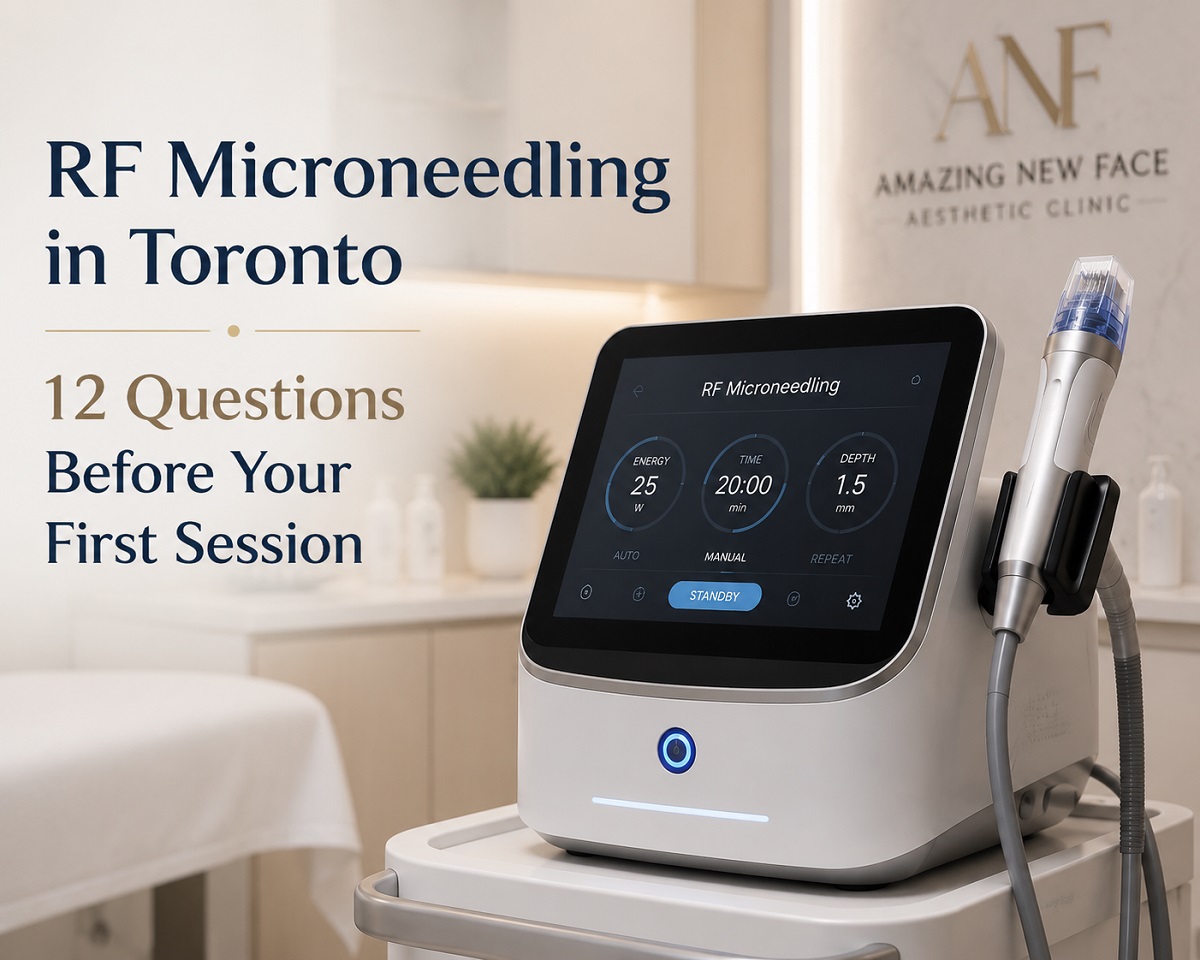
RF Microneedling in Toronto: 12 Questions to Ask Before Your First Session
Hits: 95
RF microneedling can improve the appearance of acne scars, uneven texture, fine lines, and mild skin laxity, but the outcome depends heavily on the device, treatment settings, facial anatomy, and the person performing the procedure.
That is why choosing a clinic should involve more than comparing prices or looking at a few dramatic before-and-after photos. Before booking your first RF microneedling session in Toronto, you should understand what will be used on your skin, why it is being recommended, and what happens if your healing does not follow the expected timeline.
The following 12 questions will help you compare providers, identify potential red flags, and make a more informed treatment decision.
Quick Checklist: 12 Questions to Ask Before RF Microneedling
Before agreeing to treatment, ask:
- Is RF microneedling right for my skin concern?
- What exact device will be used?
- Who will perform the procedure?
- How will the settings be personalized?
- Could the treatment affect facial fat?
- What results and number of sessions are realistic?
- What will the total treatment cost be?
- How painful is it, and how long is the downtime?
- What complications and warning signs should I know?
- Am I a suitable candidate right now?
- How should I prepare and care for my skin afterwards?
- Could another treatment be more appropriate?
A reputable consultation should answer these questions clearly without pressuring you to purchase a package.
What Is RF Microneedling and How Does It Work?
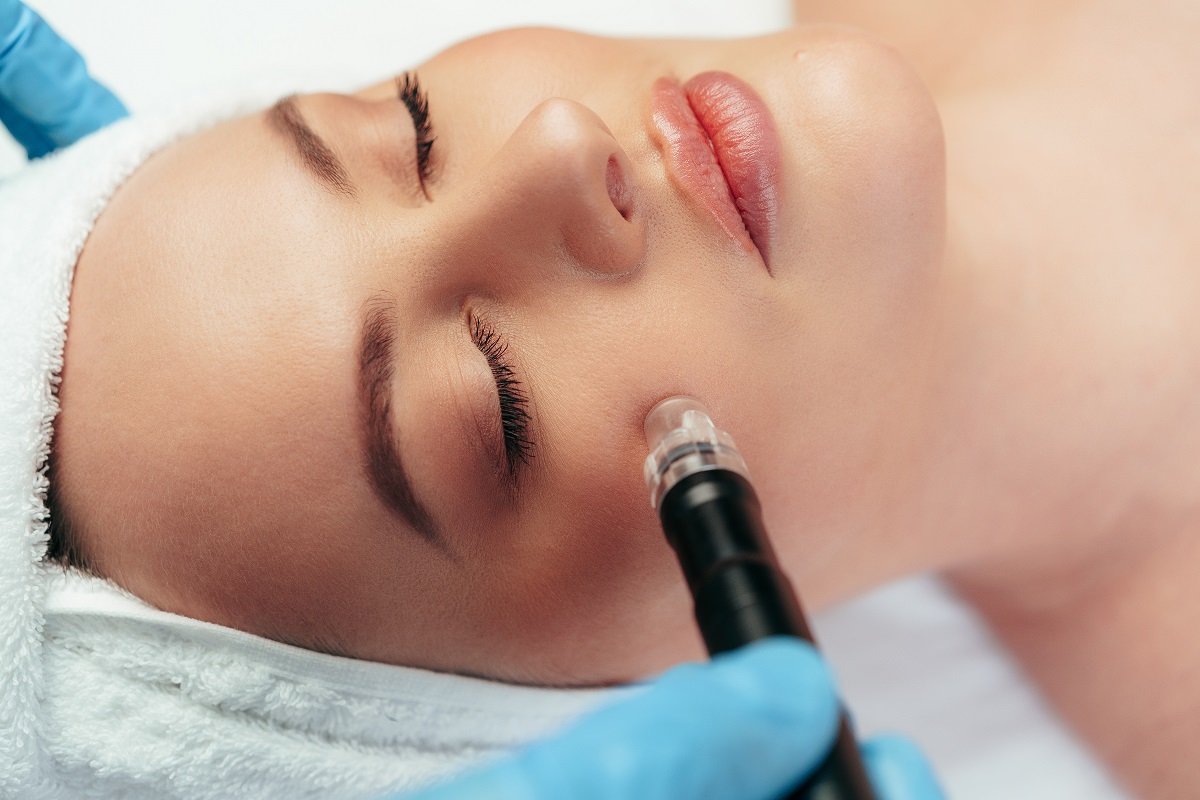
RF microneedling is a procedure that uses fine needles to create controlled micro-injuries while delivering radiofrequency heat at selected depths within the skin. The treatment is intended to trigger gradual healing and collagen remodelling.
It may be considered for atrophic acne scars, uneven skin texture, fine lines, the appearance of enlarged pores, and mild skin laxity. However, results vary according to the concern being treated, the device, treatment settings, number of sessions, and individual healing response.
Research suggests RF microneedling can improve acne scarring and facial texture, but studies use different devices, settings, schedules, and outcome measures. Results should therefore be discussed as possible improvement, not a guaranteed transformation.
Because the procedure adds heat to traditional needling, the provider must manage depth, energy, pulse duration, treatment density, and facial anatomy. The person operating the device matters as much as the device itself.
1. Is RF Microneedling Right for My Skin Concern?
Start by defining what you want to improve.
Words such as “rejuvenation,” “glow,” and “tightening” are too broad. Ask the provider to identify the specific concern and explain how RF microneedling is expected to address it.
Are you treating rolling acne scars, fine lines, crepey texture, enlarged-looking pores, or mild lower-face laxity? Different concerns may require different settings, or a different procedure.
Significant sagging may not improve enough with RF microneedling alone. Deep or tethered scars may need combination treatment. In a face with limited volume, aggressive tightening may not necessarily create a fresher appearance.
Ask:
“What visible change do you realistically expect in my case?”
A trustworthy answer should be clear, specific, and cautious.
2. What RF Microneedling Device Will Be Used?
“RF microneedling” describes a category, not one standardized treatment.
Devices differ in needle design, treatment depths, energy delivery, pulse duration, and safety features.
Ask for the full device name, why it suits your concern, whether sterile single-use tips are used, and whether it has an active Canadian medical-device licence.
Health Canada states that licensed RF microneedling devices are Class III medical devices. Consumers can use the Medical Devices Active Licence Listing to verify a device’s Canadian licence.
“It is the newest machine” is not a meaningful safety explanation. Newer does not automatically mean safer, and stronger does not automatically mean better.
3. Who Will Perform the Treatment?
Do not only ask who owns the clinic. Ask who will actually perform your procedure.
Find out about the provider’s qualifications, RF microneedling training, experience with the specific device, and experience treating your skin tone and concern. Ask who provides medical oversight and who assesses complications.
Good experience includes knowing when to use conservative settings, when to modify a plan, and when not to treat.
The U.S. FDA describes RF microneedling as a medical procedure and advises patients to seek an appropriately trained and experienced licensed healthcare provider. For Toronto patients, that advice should complement questions about Canadian device licensing, local qualifications, and medical oversight.
4. How Will the Settings Be Personalized?
Ask:
“How will you choose the settings for my skin and anatomy?”
RF microneedling should not be performed at one aggressive depth across the entire face. The forehead, cheeks, temples, jawline, upper lip, and under-eye area do not have identical thickness or anatomy.
The provider may need to adjust needle depth, RF energy, pulse duration, number of passes, and treatment density from one zone to another. Scar depth, skin thickness, existing volume, skin tone, and previous reactions should also influence the plan.
Personalization should be part of the original strategy, not something considered only after your skin reacts badly.
5. Could RF Microneedling Affect Facial Fat?
This question deserves a calm but direct answer.
In October 2025, the FDA warned about reports of serious complications associated with certain uses of RF microneedling devices, including burns, scarring, fat loss, nerve damage, and disfigurement. Health Canada highlighted these potential risks in January 2026.
This does not mean everyone who receives RF microneedling will experience fat loss, and the reports do not establish how frequently it occurs. They do mean the concern should not be dismissed as something that “never happens.”
This conversation may be especially important if you have a naturally lean face, hollow temples, under-eye hollows, age-related volume loss, recent significant weight loss, or previous facial fat-reduction treatments.
Ask how the provider plans to preserve volume in delicate areas. The answer should address anatomy, depth, energy, passes, and areas requiring a conservative approach.
6.What Results Are Realistic and How Many RF Microneedling Sessions Will I Need?
RF microneedling does not place collagen into the skin. It creates a controlled stimulus and relies on your body’s healing response.
Improvement is usually gradual. Early changes may appear after healing, while collagen remodelling can continue over the following months. Response varies with age, skin quality, scar type, treatment intensity, and individual healing.
Ask what is likely to improve, what probably will not, when progress should be assessed, and why a particular number of sessions is being recommended.
There is no universal session count. Some people may begin with one conservative treatment and reassess. Others may need a series.
It is reasonable to ask:
“Can we evaluate my response before I commit to the full package?”
Be cautious of promises that one session will erase scars, remove pores, replace a facelift, or produce permanent tightening.
Additional resources
- RF Microneedling Before and After Age 50: What to Expect
- What Care Is Required After RF Microneedling?
- HIFU vs. RF Microneedling: Which Non-Surgical Lift Is Best?
- RF Microneedling vs. Traditional Microneedling: What’s the Difference?
7. How Much Does RF Microneedling Cost in Toronto?
The cost of RF microneedling in Toronto can vary according to the device, treatment area, provider experience, number of sessions, and what is included in the appointment.
Ask for the per-session price, the estimated total treatment cost, taxes, numbing, disposable tips, aftercare products, and follow-up appointments. A lower advertised price may not represent the complete treatment plan.
It is reasonable to ask:
“Can I receive a written quote and reassess my response before purchasing a package?”
Cost matters, but the cheapest appointment is not necessarily the safest or most appropriate option.
8.Is RF Microneedling Painful and How Long Is the Downtime?
Most clinics use topical numbing before treatment, but RF microneedling is not always painless. You may feel pressure, pinching, warmth, or sharper sensations in sensitive areas.
Pain varies according to the device, depth, energy, treatment area, numbing time, and personal sensitivity. Tell the provider if the treatment feels excessively hot or unusually painful.
“Minimal downtime” does not mean nothing will be visible. Temporary redness, swelling, warmth, tenderness, pinpoint marks, dryness, flaking, mild bruising, or small crusted areas may occur.
Ask what your skin is likely to look like that evening, when makeup is permitted, and when you can resume exercise, swimming, saunas, and active skincare. Avoid scheduling your first session immediately before an important event.
9. What Complications Should I Know About?
Most people experience temporary reactions such as redness, swelling, warmth, tenderness, dryness, or pinpoint marks. Less common but potentially serious complications may include infection, burns, prolonged pigment changes, scarring, textural changes, cold-sore reactivation, unwanted fat loss, or nerve-related symptoms.
Ask which symptoms are normal, which warning signs require prompt medical attention, and who will assess you if your skin does not heal as expected.
You should know who to contact, how quickly you can be assessed, who manages medical complications, and whether follow-up is included.
A clinic’s quality is not measured only by its best before-and-after photos. It is also revealed by how it responds when healing does not follow the ideal script.
10. Am I a Suitable Candidate Right Now?
Your provider needs an accurate medical and treatment history.
Tell them about active acne, infection, open wounds, eczema, psoriasis, cold sores, abnormal scarring, bleeding concerns, healing disorders, allergies, pregnancy or breastfeeding, implanted devices, medications, supplements, and recent procedures.
Also disclose recent lasers, peels, injections, threads, surgery, HIFU, previous RF treatment, and isotretinoin use.
These factors do not automatically rule out treatment in every case. They may lead to postponement, medical clearance, preventive medication, modified settings, or another procedure.
RF microneedling is used across a range of skin tones, but darker skin can still develop post-inflammatory pigmentation. Reviews suggest a relatively low risk when treatment is appropriately selected and performed, although evidence is not equally strong for every device and skin type.
Ask how often the provider treats your skin tone and how pigmentation risk would be reduced and managed.
11. How Should I Prepare and Care for My Skin Afterwards?
Preparation and aftercare instructions should come from the treating clinic because they vary according to your skin, medications, device, and treatment intensity.
Before treatment, ask whether you should adjust retinoids, exfoliating acids, waxing, tanning, aggressive facials, or other procedures. Ask whether you should arrive without makeup and whether a history of cold sores requires preventive planning.
Do not stop prescribed medication independently.
After treatment, request written instructions covering cleansing, moisturizer, sunscreen, makeup, active ingredients, exercise, swimming, heat exposure, and warning signs.
Keep the routine simple. Too many new products can increase irritation and make it harder to identify the cause of a reaction.
12. Is RF Microneedling Better Than Other Treatments for My Concern?
RF microneedling is not automatically better than traditional microneedling, HIFU, lasers, injectables, or other options.
Traditional microneedling creates controlled channels without RF heat and may be a more conservative choice in some cases. HIFU uses focused ultrasound at selected depths and is generally considered for different structural concerns.
The right option depends on whether your priority is texture, acne scarring, fine lines, mild laxity, deeper support, downtime, or volume preservation.
Ask:
“Why are you recommending RF microneedling rather than the alternatives?”
More procedures do not automatically create a better result. Each additional treatment introduces another healing response and another variable.
What Should Happen During a Good Consultation?
A thoughtful consultation should include:
- A clear discussion of your main concern
- Review of your medical history and medications
- Assessment of skin tone, scars, texture, thickness, and facial volume
- Review of previous procedures
- Identification of the device
- Explanation of alternatives, risks, results, and downtime
- Written preparation and aftercare instructions
- A clear follow-up process
The consultation should feel like a planning session, not a countdown to payment.
RF Microneedling Red Flags
Pause before booking if a clinic refuses to name the device, cannot discuss its Canadian licence status, guarantees tightening or scar removal, dismisses reported risks, skips your medical history, uses the same aggressive protocol for every face, pressures you to buy a package, or cannot explain who manages complications.
Confidence is reassuring. Overconfidence around a medical aesthetic procedure is not.
Considering RF Microneedling in Toronto or the GTA?
At Amazing New Face, treatment planning begins with a personalized assessment rather than a one-size-fits-all recommendation.
With locations in Thornhill and Whitby, the clinic serves clients from Toronto and communities across the GTA. During your consultation, you can discuss your skin concerns, treatment history, expectations, and whether RF microneedling, or another option, makes the most sense for you.
Learn more through our RF microneedling treatment page or schedule a personalized consultation before making a treatment decision.
This article is intended for general educational purposes only. It does not replace an in-person medical assessment, diagnosis, or individualized treatment advice.
