
Amazing New Face Blog
Who Should Avoid RF Microneedling?
Hits: 360
RF microneedling is often promoted for acne scars, enlarged pores, fine lines, uneven texture, and mild skin laxity. But a treatment can be popular and still be wrong for a particular person, or simply wrong for them right now.
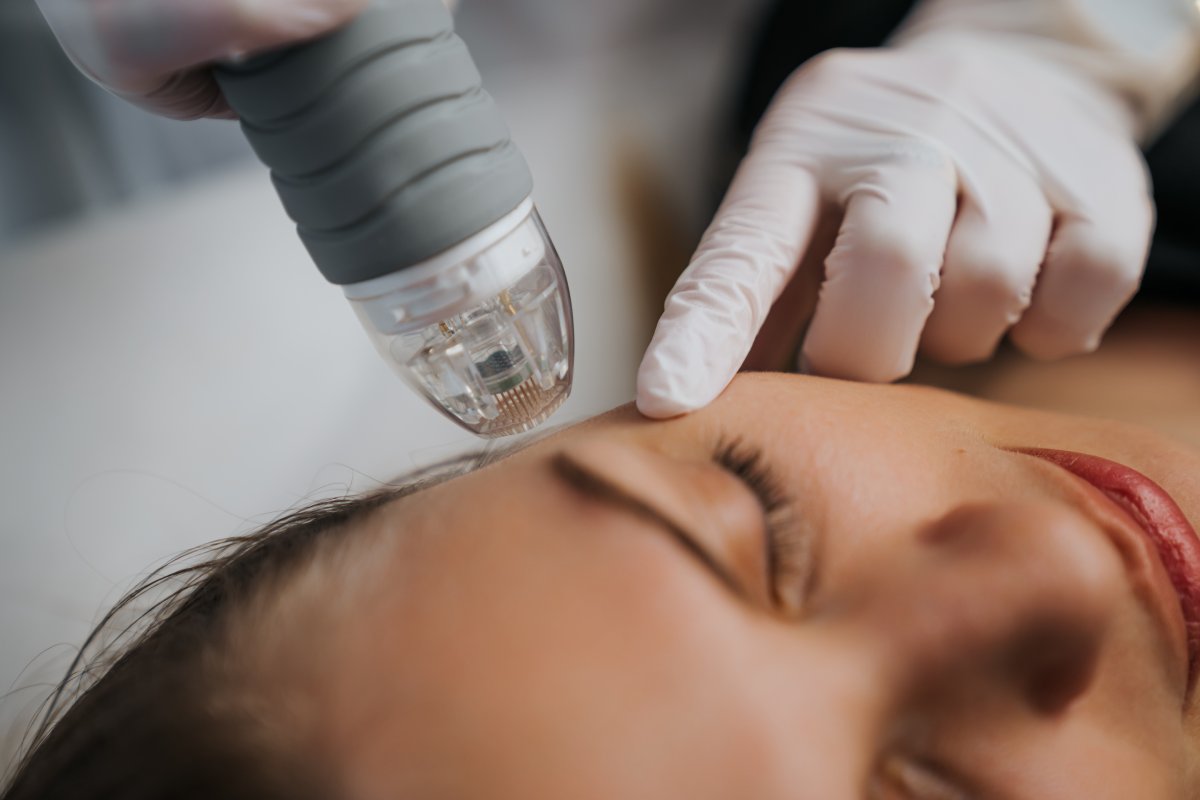
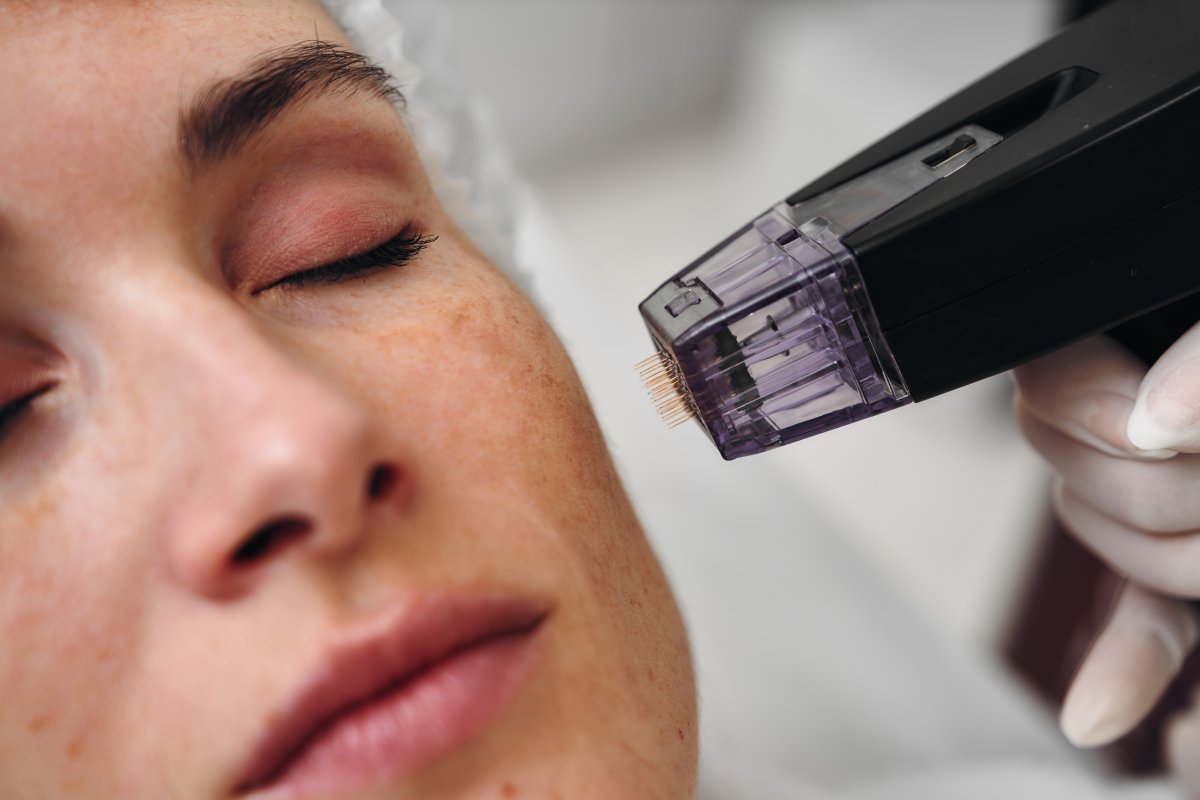
The procedure creates tiny controlled injuries with needles while delivering radiofrequency energy as heat below the skin’s surface. This is intended to stimulate healing and gradual collagen remodeling. Because it combines needles and heat, your skin and body must be able to recover normally.
The direct answer is this: RF microneedling should usually be postponed if you are pregnant or breastfeeding, have an active infection or inflamed skin, are healing from another significant procedure, or have an uncontrolled condition that affects healing.
Other situations, such as blood-thinning medication, autoimmune disease, a pacemaker, a history of keloids, or recent isotretinoin use, require careful assessment rather than a quick yes or no.
RF microneedling should be treated as a medical procedure, not as an ordinary facial.
Why Has RF Microneedling Safety Received More Attention?
In October 2025, the U.S. Food and Drug Administration warned that serious complications had been reported with certain uses of RF microneedling devices. These included burns, scarring, unwanted fat loss, disfigurement, and nerve damage.
Health Canada later reminded healthcare professionals of these risks and noted that licensed RF microneedling devices in Canada are classified as Class III medical devices.
These warnings do not mean every treatment is dangerous. They mean that the device, practitioner’s training, treatment depth, energy, knowledge of facial anatomy, sterile technique, and patient selection all matter.
More heat or deeper treatment is not automatically better. A responsible treatment plan addresses the correct tissue while protecting the surrounding structures.
When Should You Postpone RF Microneedling?
Some restrictions are temporary. Waiting until your skin or health is stable may significantly reduce avoidable risks.
Pregnancy and Breastfeeding
RF microneedling is generally postponed during pregnancy because elective treatment has not been adequately studied in pregnant patients.
Pregnancy can also make the skin more sensitive and more prone to acne, melasma, swelling, irritation, or pigmentation changes.
Breastfeeding is commonly treated as a reason to wait or obtain medical approval because the appointment may involve topical anaesthetic, antiseptics, aftercare products, or medication.
This is usually a temporary precaution, not a permanent reason to avoid the treatment. The FDA’s general guidance for microneedling devices lists pregnancy and breastfeeding among the circumstances that should be discussed with a healthcare provider before treatment.
Active Infection, Cold Sores, or Open Skin
RF microneedling should not be performed over an active bacterial, viral, or fungal infection.
Examples include:
- Active cold sores
- Infected acne
- Open wounds
- Unexplained crusting
- Draining skin lesions
- Fungal infections in the treatment area
Microneedling may also reactivate herpes simplex in people who have a history of cold sores. Tell your provider about previous outbreaks even when no cold sore is currently visible.
Treatment should wait until the area has healed completely. A healthcare professional may recommend preventive antiviral medication for some patients, but it should only be used under professional guidance.
Inflamed Acne or a Skin-Condition Flare
RF microneedling may help improve certain acne scars, but it should not usually be performed directly over widespread inflamed, cystic, or infected acne.
Treating active inflammation can worsen irritation, increase discomfort, delay healing, and raise the risk of post-inflammatory pigmentation.
The same principle applies to active eczema, dermatitis, psoriasis, or rosacea. RF microneedling intentionally creates an inflammatory healing response. Performing it on skin that is already inflamed can make the outcome less predictable.
Think of it like repairing a wall while a leak is still active: control the cause first, then address the remaining damage.
Recent Laser, Peel, Surgery, or Sunburn
RF microneedling may need to be delayed after:
- Laser resurfacing
- A strong chemical peel
- Dermabrasion
- Facial surgery
- Another radiofrequency procedure
- Significant sunburn
- Any treatment that has not fully healed
There is no universal waiting period. The correct interval depends on the depth of the earlier procedure, the treatment area, and whether the skin has completely recovered.
Skin should not simply look calmer. It should be ready to tolerate another controlled injury.
Who Needs Medical Clearance or Extra Screening?
Some medical conditions are not automatic lifetime exclusions. However, they should never be ignored during a cosmetic consultation.
Uncontrolled Diabetes or Poor Wound Healing
Diabetes does not automatically disqualify someone from RF microneedling. The main questions are whether blood sugar is controlled and whether the person heals normally.
Poorly controlled diabetes may interfere with circulation, immune function, and tissue repair. This can increase the likelihood of infection, delayed healing, prolonged inflammation, or scarring.
Treatment should usually be postponed until the condition is stable. Your provider may request information about your blood sugar control, medications, previous healing problems, and physician’s recommendations.
Immune Suppression, Cancer Treatment, or Autoimmune Disease
People receiving chemotherapy, taking significant immunosuppressive medication, recovering from a serious illness, or living with an unstable autoimmune condition may face a higher risk of infection or delayed healing.
An autoimmune diagnosis does not create one answer for everyone.
The provider needs to know:
- Whether the condition is active
- Whether it affects the skin
- Whether it affects wound healing
- Which medications are being used
- Whether unusual infections or scars have occurred before
Physician approval may be necessary. Elective cosmetic treatment should never interfere with active medical care.
Bleeding Disorders and Blood-Thinning Medication
Microneedling can cause pinpoint bleeding. Bleeding disorders, anticoagulants, or antiplatelet medications may increase bruising or make bleeding more difficult to control.
However, you should never stop a prescribed blood thinner simply to qualify for RF microneedling.
These medications may be protecting you from a blood clot, stroke, heart attack, or another serious medical event. Any medication change must be approved by the healthcare professional who prescribed it.
Tell your provider about prescription medications, over-the-counter medicines, vitamins, and herbal or wellness supplements.
Isotretinoin Use
Isotretinoin is a prescription medication commonly used for severe or persistent acne.
The FDA’s general microneedling guidance states that treatment may not be suitable for someone currently taking isotretinoin or who has used it within the previous six months.
Recommendations may vary depending on the dose, procedure, individual patient, healing history, and current medical evidence. Your prescribing physician or dermatologist should therefore be involved in the decision.
Do not reduce or stop isotretinoin on your own to schedule an aesthetic treatment.
A Strong History of Keloid Scarring
A keloid is an overgrowth of scar tissue that extends beyond the original injury.
Because RF microneedling intentionally creates many small injuries, someone with a strong tendency to develop keloids may respond unpredictably.
Tell the provider about raised scars that developed after:
- Acne
- Piercings
- Surgery
- Burns
- Tattoos
- Vaccinations
- Minor cuts
An ordinary visible scar is not necessarily the same as repeated keloid formation. However, a meaningful keloid history requires careful assessment and may be a reason to avoid treatment.
Pacemakers, Electronic Implants, and Metal Hardware
Some RF microneedling devices list pacemakers or active electronic implants as contraindications.
Relevant devices may include implantable defibrillators, neurostimulators, cochlear implants, insulin pumps, and other active electronic medical devices.
Metal plates, screws, mesh, permanent facial implants, or dental hardware near the treatment area must also be disclosed.
Not every dental filling or implant automatically prevents treatment. The answer depends on the RF device being used, the implant’s location, the treatment area, and the manufacturer’s safety instructions.
Who May Need a More Conservative Treatment Plan?
Some people are not unsuitable candidates, but they need customized settings rather than a standard treatment protocol.
People With Darker Skin Tones
Darker skin is not an automatic reason to avoid RF microneedling.
However, any procedure that creates inflammation may trigger post-inflammatory hyperpigmentation. The FDA also notes that legally marketed microneedling devices have not necessarily been studied in every darker skin type.
Choose a provider who:
- Regularly treats diverse skin tones
- Understands post-inflammatory pigmentation
- Uses conservative, customized settings
- Avoids unnecessary heat and excessive passes
- Provides clear sun-protection and aftercare instructions
A treatment being suitable for many skin tones does not mean it is risk-free for every skin tone.
People With Thin or Volume-Depleted Faces
A naturally thin face is not a universal contraindication. However, treatment depth matters.
The FDA has received reports of unwanted fat loss associated with certain uses of RF microneedling. Someone with limited facial volume may notice hollowing more easily if energy is delivered too deeply or aggressively.
Ask your provider which tissue layer will be targeted and how naturally hollow areas will be protected.
A treatment plan designed for deep acne scars may not be appropriate for general tightening or delicate facial areas.
People With Recent Botox or Dermal Fillers
Botox and dermal fillers do not permanently prevent RF microneedling, but timing, treatment depth, and location matter.
Procedures performed too close together may increase swelling, make side effects harder to interpret, or deliver energy near recently placed filler.
Tell your provider:
- The exact product used
- Where it was injected
- When it was injected
- Who performed the procedure
This information allows the treatment sequence to be planned more safely.
What Should You Tell Your Provider?
Bring an honest and complete medical and treatment history.
Important information includes:
- Pregnancy or breastfeeding
- Active or recurring skin conditions
- Cold sore history
- Diabetes or poor healing
- Autoimmune conditions
- Cancer treatment
- Bleeding disorders
- Keloid history
- Allergies or reactions to numbing cream
- Pacemakers or implanted devices
- Facial or dental hardware
- Prescription medication and supplements
- Isotretinoin use
- Recent lasers, peels, surgery, Botox, or fillers
- Previous pigmentation after skin irritation
- Upcoming travel or significant sun exposure
Do not omit information because you are worried your appointment may be postponed. A preventable complication can last much longer than a delayed appointment.
What Questions Should You Ask the Clinic?
Ask which RF microneedling device will be used and whether it is licensed by Health Canada. Licensed RF microneedling devices in Canada can be checked through Health Canada’s medical-device licence listing.
You should also ask:
- Who will perform the treatment?
- What training do they have with the specific device?
- How will depth and energy be adjusted for different areas?
- Is a new sterile cartridge used for every session?
- What result is realistic for your concern?
- What happens if you develop a complication?
A trustworthy provider should be able to explain why a particular setting is appropriate for your skin and anatomy.
Not Sure Whether RF Microneedling Is Right for You?
Your skin type, medical history, medications, previous treatments, and facial anatomy can all affect whether RF microneedling is appropriate for you. A personalized consultation can help you understand the potential benefits, limitations, and safety considerations before making a decision.
Which Side Effects Are Expected, and Which Are Not?
Temporary redness, warmth, mild swelling, tightness, tenderness, dryness, and small areas of crusting may occur after treatment.
General microneedling risks also include bruising, bleeding, pigmentation changes, cold-sore reactivation, and infection.
Contact a qualified healthcare professional if your symptoms are severe, worsening, or unexpected. Warning signs may include:
- Blistering
- Increasing pain
- Spreading redness
- Pus or unusual drainage
- Fever
- Open wounds
- Severe swelling
- Persistent burning
- New numbness or weakness
- Grey or mottled skin
- New facial asymmetry
- A rapid change in facial volume
Do not apply random acids, retinoids, exfoliants, essential oils, or leftover medication to a possible burn or infection.
Are There Alternatives If RF Microneedling Is Not Right for You?
Yes, but the alternative should match the problem.
Active acne may need medical control before scar treatment. Pigmentation, volume loss, expression lines, enlarged pores, acne scars, and significant sagging require different strategies.
Depending on your concern, options may include traditional microneedling, selected laser treatments, chemical peels, HIFU, PRP-based procedures, skin boosters, dermal fillers, or neuromodulators.
Each option has its own limitations and contraindications. The goal is not to replace one popular treatment with another. It is to identify the correct concern and choose the safest reasonable approach.
Additional resources
- RF Microneedling Before and After Age 50: What to Expect
- What Care Is Required After RF Microneedling?
- HIFU vs. RF Microneedling: Which Non-Surgical Lift Is Best?
- How Many RF Microneedling Sessions Do You Really Need?
Frequently Asked Questions
Is RF microneedling dangerous?
RF microneedling is not automatically dangerous, but it is not risk-free. Safety depends on patient selection, device quality, sterile technique, knowledge of anatomy, treatment settings, and aftercare.
Is RF microneedling safe for all skin tones?
It may be appropriate for a broad range of skin tones, but customized settings and pigmentation-aware aftercare remain important.
Can RF microneedling cause fat loss?
The FDA has reported unwanted fat loss among the serious complications associated with certain RF microneedling uses. This is why treatment depth, tissue thickness, and facial anatomy must be considered carefully.
Can I use an RF microneedling device at home?
No. The FDA describes RF microneedling as a medical procedure and advises that RF microneedling devices should not be used at home.
The Bottom Line
You should generally postpone RF microneedling when you are pregnant or breastfeeding, have an active infection or inflammatory flare, or are still healing from another significant procedure.
Conditions affecting immunity, bleeding, scarring, wound healing, implanted devices, or medication use require detailed screening and sometimes medical clearance.
Darker skin, a thin face, stable medical conditions, or previous injectables do not always rule treatment out. They make individualized planning more important.
About Amazing New Face
At Amazing New Face, we help clients make informed and confident decisions about non-surgical facial rejuvenation through honest guidance, careful assessment, and personalized treatment planning.
Treatments are led by Dr. Alireza Hashemnejad, a graduate of Tehran University of Medical Sciences with more than 20 years of experience in cosmetic and non-surgical aesthetic procedures, including RF microneedling, HIFU, Botox, dermal fillers, PRP, skin boosters, and facial rejuvenation treatments.
If you are considering RF microneedling, our team can assess your skin condition, medical history, previous treatments, facial anatomy, and treatment goals. We can also help determine whether RF microneedling may be appropriate for you, whether treatment should be postponed, or whether another approach may be safer and more suitable.
With clinic locations in Thornhill and Whitby, Amazing New Face serves clients throughout Toronto and the GTA, including Richmond Hill, North York, Markham, Vaughan, Pickering, Ajax, and surrounding communities.
Not ready to visit the clinic yet? You can
Contact Amazing New Face to discuss whether RF microneedling is suitable for your skin, health history, facial structure, and treatment goals.
