
Amazing New Face Blog
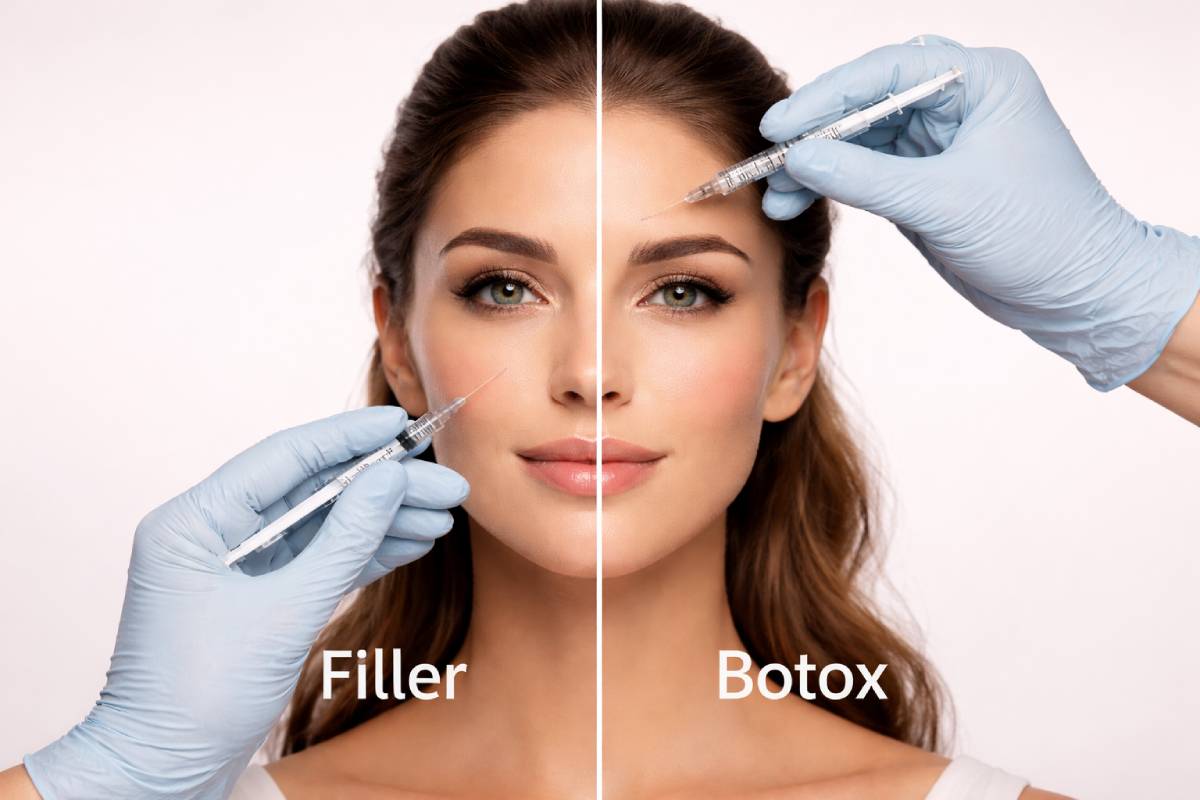
Fillers vs Botox: When to Use Each (and When Not To)
Hits: 297
If you are interested in aesthetic treatments, chances are you have heard the terms Botox and dermal fillers used almost interchangeably. Many people assume they do the same thing, deliver similar results, or that one is simply a “stronger” version of the other. This misunderstanding is one of the main reasons people feel unsure, anxious, or disappointed when exploring cosmetic injectables.
The reality is much simpler - and much more logical.
Botox and fillers treat completely different problems.
When used correctly, they can enhance each other.
When used incorrectly, they can create results that feel unnatural, heavy, or underwhelming.
This article explains exactly what Botox and fillers do, how they differ, when each one makes sense, and when neither is the right option. By the end, you should feel confident understanding what your face actually needs - and what it doesn’t.
Why Botox and Fillers Are Often Confused
Both Botox and fillers are injectable treatments. Both are commonly used to address signs of aging. And both are often discussed casually on social media, where nuance is rarely explained.
But injectables don’t work on “aging” as a single concept.
They work on specific causes of aging, such as:
- Repetitive muscle movement
- Loss of volume and structural support
- Changes in skin elasticity and thickness
Botox addresses muscle movement.
Filler’s address volume and structure.
Understanding that distinction removes most confusion right away.
What Botox Actually Does
Botox is a neuromodulator. That means it temporarily relaxes specific muscles by interrupting nerve signals that cause contraction.
Every time you frown, squint, raise your eyebrows, or smile, your facial muscles pull on the skin. Over time, this repeated motion creates dynamic wrinkles - lines that appear when your face moves.
Botox works by softening those movements.
Botox is commonly used for:
- Forehead lines caused by eyebrow movement
- Frown lines between the brows
- Crow’s feet around the eyes
- Bunny lines on the nose
- Neck bands (in select cases)
- Smoking lines (lip lines)
- Eyebrow lift (non-surgical brow lift)
Botox does not:
- Add volume
- Fill deep folds
- Lift sagging skin
- Change facial structure
Botox is best thought of as a muscle-relaxing treatment, not a filler or volumizer.
What Dermal Fillers Actually Do
Dermal fillers are designed to restore or replace lost volume. Most modern fillers are made of hyaluronic acid, a substance naturally found in the skin that helps maintain hydration, elasticity, and support.
As we age, we gradually lose:
- Fat pads in the face
- Bone density
- Collagen and elastin
This leads to hollowness, flattening, sagging, and changes in facial proportions. Fillers help address those structural changes.
Fillers are commonly used for:
- Cheek support and contour
- Lip volume and definition
- Under-eye hollows
- Smile lines caused by volume loss
- Jawline and chin definition
- Temple hollowing
- Non-surgical nose reshaping
Fillers do not:
- Relax muscles
- Stop facial movement
- Prevent expression lines
Fillers are structural, not functional.
The Core Difference: Fillers vs Botox
A simple way to remember the difference:
- Botox treats movement
- Fillers treat volume loss
If a wrinkle appears only when you move your face, Botox is often the correct choice.
If a line or hollow is visible even when your face is completely relaxed, fillers may be more appropriate.
In many cases, both are used together - but in different areas and for different reasons.
When Botox Is the Right Choice
Botox works best when wrinkles are caused by muscle activity, not by sagging or volume loss.
You may be a good candidate for Botox if:
- Your forehead lines deepen when you raise your eyebrows
- Your crow’s feet appear mainly when smiling
- Your frown lines soften when your face is relaxed
- You want a smoother look without changing your facial shape
A common mistake is trying to use fillers to treat movement-based wrinkles. This can lead to puffiness or heaviness rather than improvement.
When Fillers Are the Better Option
Fillers are more effective when aging shows up as hollowness, flattening, or loss of support.
Fillers may be appropriate if:
- Your cheeks look flatter than they used to
- Your under-eyes appear hollow or tired
- Your lips have lost definition or fullness
- Your jawline has softened
- Your face feels less supported overall
Trying to correct volume loss with Botox alone usually produces minimal improvement.
When Botox and Fillers Work Best Together
In real life, most faces do not age in just one way. Muscle movement, volume loss, and skin changes often occur at the same time.
For example:
- Botox may soften forehead lines, while fillers support the temples
- Fillers may lift the cheeks, while Botox softens crow’s feet
- Botox may balance muscle pull, while fillers restore structure
This is where careful planning matters. At clinics like Amazing New Face, treatments are often approached holistically - looking at facial balance rather than treating isolated lines.
Still unsure whether Botox, fillers, or neither is right for you?
A clear answer starts with an honest conversation.
If you’d like professional guidance based on your facial structure and goals, reach out to Amazing New Face and speak with a specialist. A quick consultation can help you understand what makes sense - and what doesn’t - before making any decisions.
When Botox Is Not the Right Solution
Botox is not appropriate for every concern.
Botox may not be the best choice if:
- Wrinkles are caused by loose or sagging skin
- The face already lacks muscle strength
- You are seeking volume, lift, or contour
- You want immediate structural change
Overuse of Botox can also result in heaviness, brow drooping, or an overly restricted appearance.
When Fillers Are Not the Right Solution
Fillers are powerful tools, but they are often overused or misused.
Fillers may not be appropriate if:
- The issue is primarily muscle-driven
- Skin laxity is severe
- You are trying to tighten skin rather than restore volume
- The area is prone to swelling or migration
Excessive filler can distort natural facial proportions. This is why experienced practitioners emphasize conservative dosing and strategic placement.
Age Is Not the Deciding Factor
There is no universal “right age” for Botox or fillers.
Some people benefit from Botox in their late 20s to reduce repetitive muscle strain. Others may not need fillers until much later. Many people need neither and benefit more from skin-focused treatments.
The correct approach is based on facial anatomy and individual aging patterns, not age alone.
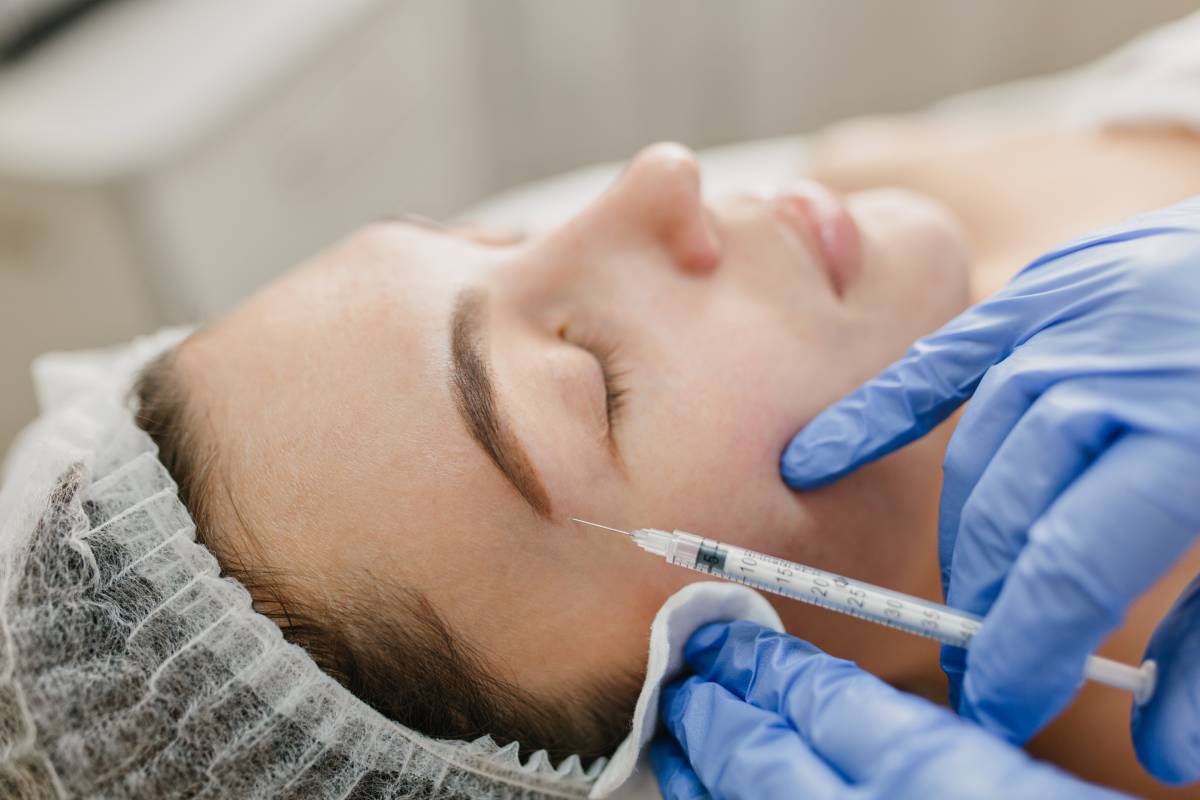
When Neither Botox nor Fillers Are the Best Option
Not every concern should be treated with injectables.
If your primary issue is:
- Skin texture
- Dullness
- Fine lines caused by thinning skin
- Loss of elasticity
Treatments such as microneedling, radiofrequency, PRP, or medical-grade skincare may be more effective.
Thoughtful consultations explore these options before recommending injectables.
How Long Results Typically Last
Botox usually lasts three to four months, gradually wearing off as muscle activity returns.
Fillers last anywhere from nine months to two years, depending on the product used, the treatment area, and individual metabolism.
Both treatments are temporary and adjustable.
Additional resources
- How to wash your face after Botox?
- Frown Line Botox: How Long Will Your Results Last and How Many Treatments Are Needed?
- Best Botox Injection Clinic in Thornhill: What You Need to Know Before Booking
- Rejuvenation of the Back of the Hand with Filler Injections
Why Provider Expertise Matters More Than the Product
The difference between natural-looking results and disappointing ones rarely comes down to the brand of Botox or filler used. It comes down to assessment, restraint, and technique.
Skilled injectors understand:
- Facial anatomy
- Aging patterns
- Balance and proportion
- When to say no
Clinics such as Amazing New Face are often recognized for prioritizing education and long-term outcomes over aggressive treatment.
If you want clear, honest guidance before choosing Botox or fillers, speaking with an experienced professional can make all the difference.
Amazing New Face works with clients across Toronto, Whitby, Thornhill, Richmond Hill.
Reach out for a consultation and get answers based on your face - not trends, pressure, or guesswork.
Frequently Asked Questions
Is Botox safer than fillers?
Both are safe when administered by qualified professionals. Risk increases with poor technique, not the treatment itself.
Can Botox replace fillers?
No. Botox cannot restore lost volume or structural support.
Can fillers replace Botox?
No. Fillers do not relax muscles or prevent expression-based wrinkles.
Will Botox make my face look frozen?
Not when dosed and placed correctly.
Can fillers be reversed?
Most hyaluronic acid fillers can be dissolved if necessary.
Should I start early or wait?
There is no universal answer. Treatment should match your facial needs, not your age.
Final Thoughts: Understanding Your Face Comes First
The real question is not fillers vs Botox.
The real question is:
- What is causing the change you see in your face?
- Is it muscle movement, volume loss, skin quality, or a combination?
- And what is the most conservative way to address it?
When you understand the difference, you avoid unnecessary treatments and achieve results that feel balanced, natural, and sustainable.
Education, careful assessment, and thoughtful planning - the approach often emphasized at Amazing New Face - are what lead to outcomes that simply look like you, refreshed rather than altered.
And that clarity is where good aesthetic decisions begin.
Why People Choose Amazing New Face
When you consider treatments like microneedling or other advanced skin procedures, results matter - but so does how you’re treated along the way. The experience should feel informed, supportive, and tailored to you, not rushed or driven by trends.
At Amazing New Face, the approach is centered on thoughtful care rather than quick fixes. Every treatment is planned with intention, focusing on what will genuinely support your skin, your features, and your long-term confidence. The goal isn’t to change how you look, but to help you feel comfortable and confident in your own skin through safe, well-considered treatments.
The clinic’s lead specialist, Alireza Hashemnejad, brings over 20 years of experience working with a wide range of skin types and aesthetic goals. With a medical background from Tehran University of Medical Sciences and his role as a board member of the Canadian Academy of Facial Esthetics, he combines medical knowledge with a precise, detail-oriented approach. He is particularly known for his careful technique and natural-looking results across treatments such as Botox, dermal fillers, PRP, HIFU, and microneedling.
With welcoming clinics located in Thornhill and Whitby, Amazing New Face serves clients throughout the Greater Toronto Area, including North York, Richmond Hill, Markham, Pickering, and Ajax. Whether you’re exploring aesthetic treatments for the first time or refining an existing skincare routine, you’ll find honest guidance and professional insight at every step.
Services Offered
- Dermal Fillers – Restore volume, enhance facial balance, and soften fine lines
- Botox Injections – Reduce expression lines while maintaining natural movement
- HIFU Facial Treatments – non-surgical skin tightening and lifting
- PRP Therapy – Support skin renewal using your body’s natural healing response
- RF Microneedling – Stimulate collagen with radiofrequency-enhanced precision
- Skin Boosters – Improve hydration and overall skin quality
- Hair Regrowth Mesotherapy – Encourage healthier, fuller-looking hair
- Fat-Dissolving Injections – Refine targeted areas without surgery
- Non-Surgical Facelifts – Subtle rejuvenation with minimal downtime
- Personalized Consultations – One-on-one treatment planning based on your goals
Start From Anywhere
If you prefer to begin from home, you can start with a complimentary virtual consultation. By
Whether you’re looking into microneedling in Thornhill, a non-surgical facelift in Whitby, or simply want an experienced opinion before moving forward, Amazing New Face is there to guide you with clarity and care.
