
Amazing New Face Blog
PRP for Facial Skin After 40: What Should a Consultation Consider?
Hits: 9
You are over 40 and noticing changes in your facial skin, but you are unsure whether PRP is worth considering. Perhaps fine lines or uneven texture concern you, or you simply want to understand your options before deciding on treatment.
A PRP consultation should help clarify your concerns, explain the procedure, and explore realistic expectations without assuming you are a suitable candidate.
For adults in Thornhill, Whitby, and the GTA, knowing what to ask can support a more informed decision.
Table of Contents
- At a Glance – Key Takeaways
- What Should a PRP Consultation Assess After 40?
- How Do Skin Changes Influence PRP Planning?
- What Should You Know About the PRP Procedure?
- What Results and Limitations Should You Discuss?
- Who May Need a Different Treatment Approach?
- What Questions Should You Ask in Thornhill or Whitby?
- Frequently Asked Questions
- Summary
- About Amazing New Face
At a Glance – Key Takeaways
- Age alone does not determine PRP suitability.
- Skin concerns, medical history, and expectations influence treatment planning.
- PRP uses plasma prepared from your blood, but procedural risks remain.
- Evidence for PRP facial rejuvenation is limited.
- Consultations should explain risks, alternatives, costs, and follow-up.
- Choosing not to proceed is a reasonable decision.
What Should a PRP Consultation Assess After 40?
A PRP consultation should assess your specific skin concerns, relevant medical history, previous aesthetic treatments, and expectations. Being over 40 does not automatically make someone suitable for PRP. The purpose is to determine whether the proposed procedure deserves consideration and whether additional assessment is necessary.
Start by explaining what concerns you most.
Are you noticing fine lines, uneven texture, or general changes in skin appearance?
Different concerns may require different approaches. A procedure being available does not mean it addresses every cosmetic goal.
Your consultation should also consider medications, relevant health conditions, and previous treatment reactions.
Explain whether you prefer conservative treatment planning and what results would make a procedure worthwhile.
A meaningful consultation helps you understand your options rather than encouraging an immediate commitment.
How Do Skin Changes Influence PRP Planning?
Skin changes after 40 may involve elasticity, texture, fine lines, or accumulated sun exposure. These changes have different contributing factors, so PRP treatment planning should focus on individual concerns rather than age alone. Understanding what you want to address helps determine whether the procedure is relevant.
For example, someone concerned about mild texture changes may have different expectations from someone seeking noticeable improvement in deep facial folds.
PRP should not be presented as a universal solution for skin ageing.
An assessment may consider:
- Skin characteristics and existing concerns
- Previous cosmetic procedures
- Relevant medical history
- Sensitivity or previous reactions
- Personal goals and treatment preferences
These factors help guide a discussion about whether further evaluation or an alternative approach makes sense.
The priority should be selecting an appropriate assessment, not choosing a procedure simply because it is popular.
What Should You Know About the PRP Procedure?
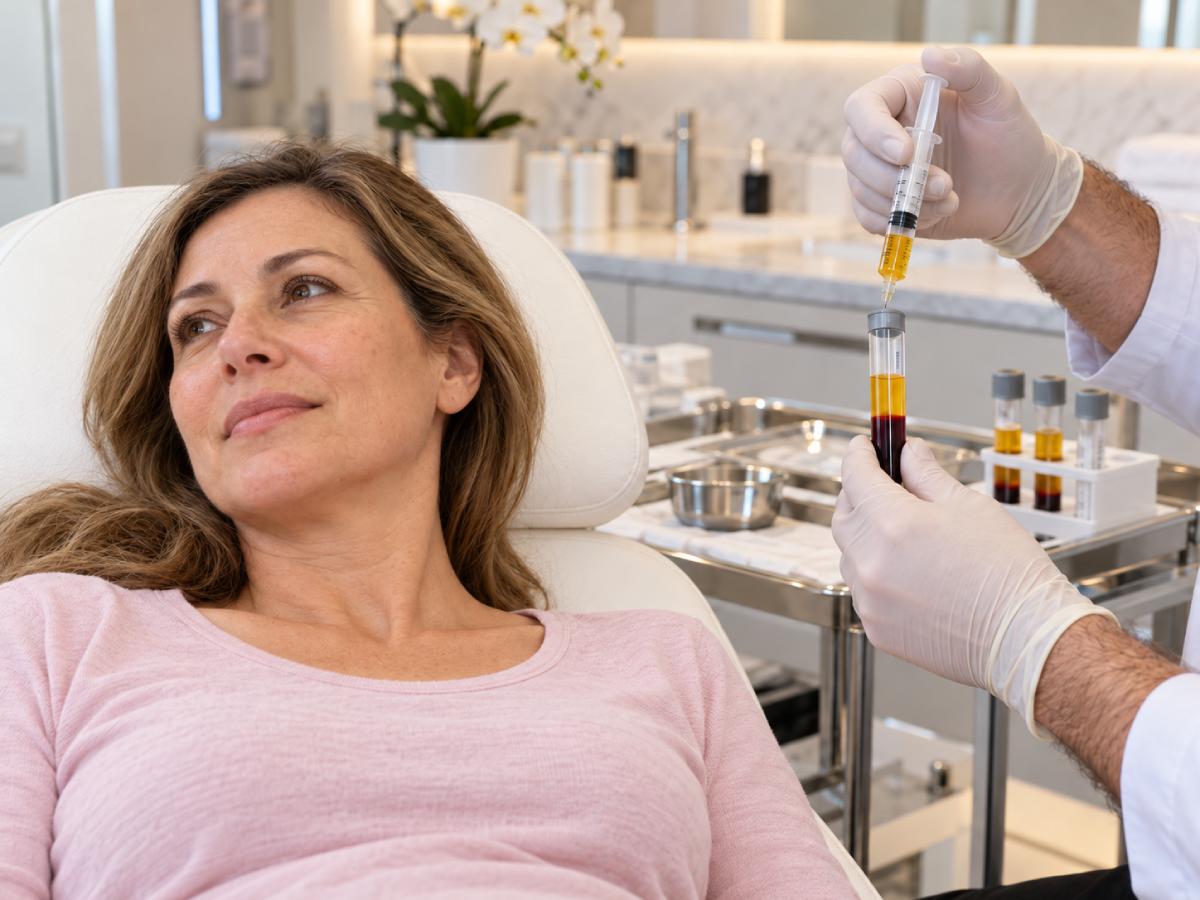
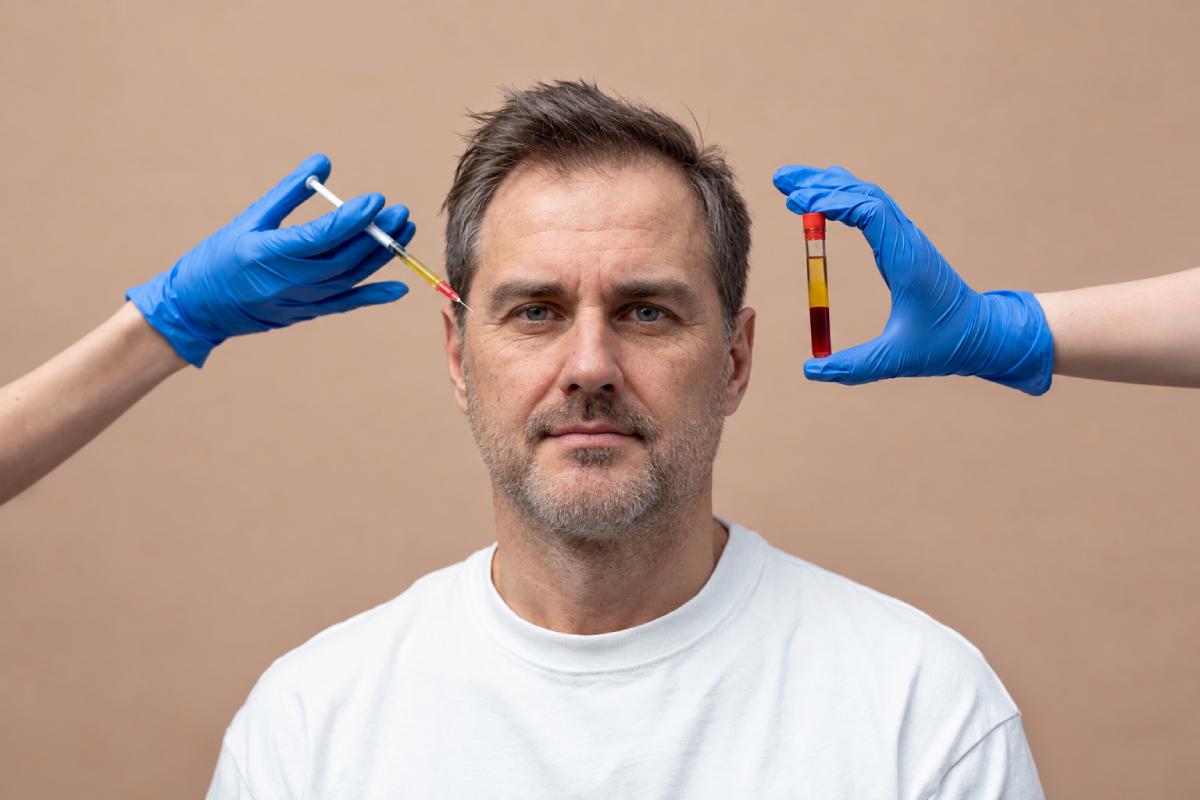
Platelet-rich plasma (PRP) is prepared by collecting and processing a person's blood to concentrate platelets within the plasma. Depending on the proposed procedure, PRP may be administered through injections or another technique. The preparation method, potential complications, and provider qualifications should be explained before treatment.
Although PRP uses your own blood, this does not eliminate procedural risks.
Potential complications may include discomfort, bruising, swelling, and infection.
Ask who collects and processes the blood, how the material is handled, and who administers the treatment.
Relevant health conditions and medications should be discussed with an appropriately qualified healthcare professional. Never change prescribed medications without medical guidance.
You should also understand whether PRP is proposed independently or alongside another procedure.
Amazing New Face provides information about mesotherapy and PRP treatments. These approaches differ, so ask why either might be considered for your concern.
What Results and Limitations Should You Discuss?
PRP treatment expectations should reflect the available clinical evidence and individual circumstances. Although PRP has been studied for facial rejuvenation, research limitations make predictable outcomes difficult to establish. A consultation should explain potential benefits, uncertainties, and why results cannot be guaranteed.
A 2024 overview of systematic reviews published in Blood Transfusion found that the available evidence was insufficient to draw firm conclusions about the effectiveness of PRP for facial rejuvenation, either alone or combined with other treatments.
This does not establish that PRP is ineffective. However, it highlights the importance of discussing evidence limitations, individual variability, and realistic expectations during a consultation.
Ask what evidence supports the proposed treatment for your particular concern.
Discuss how results would be evaluated, whether follow-up might be needed, and what the total costs could involve.
No universal session count or maintenance schedule should be assumed.
For further background, read Amazing New Face's article on PRP compared with traditional skin treatments.
Understanding limitations is essential when deciding whether potential benefits justify the risks and costs.
Who May Need a Different Treatment Approach?
PRP may not be appropriate for everyone interested in facial rejuvenation. People with certain medical concerns, different cosmetic goals, or conditions requiring further evaluation may need another approach. A consultation should explore suitability without assuming that treatment is necessary or that every person will benefit.
Someone seeking substantial facial volume changes, for example, may have goals that do not align with the available evidence for PRP.
Others may need an existing skin concern evaluated before considering an elective procedure.
Appropriate skincare and sun protection may also form part of a broader approach.
If another treatment is proposed, ask how its evidence, risks, and costs compare.
Deciding against a procedure remains a valid outcome of informed consultation.
What Questions Should You Ask in Thornhill or Whitby?
A PRP consultation in Thornhill or Whitby should provide clear information about suitability, the proposed procedure, professional qualifications, potential complications, evidence, and costs. Preparing questions beforehand can help you compare options and make decisions without feeling pressured.
Consider asking:
- Is PRP relevant to my specific skin concern?
- What evidence supports the recommended procedure?
- Who performs the treatment, and what are their qualifications?
- How is my blood processed and handled?
- What risks and recovery considerations apply?
- Are alternative approaches worth discussing?
- What are the complete costs and follow-up arrangements?
Bring details about previous treatments and relevant medical concerns.
If multiple procedures are recommended, ask why combining them is being considered.
A useful consultation should provide understandable answers and adequate time to consider your options.
Considering PRP for Facial Skin After 40?
If you are considering PRP for facial skin after 40, you can request a consultation with Amazing New Face in Thornhill or Whitby to discuss your skin concerns, explore suitable options, and better understand the potential risks, limitations, and realistic treatment expectations before making a decision.
Frequently Asked Questions
1. Is 40 too early or too late to consider PRP?
Age alone does not establish whether PRP is appropriate. Adults over 40 have different skin characteristics, medical histories, and expectations. A consultation should assess individual factors rather than recommend treatment based on age. Further evaluation may be necessary before deciding whether any procedure is suitable.
2. Can PRP improve fine lines after 40?
PRP has been investigated for facial rejuvenation, including age-related skin concerns. However, existing research does not establish predictable improvement for everyone. If fine lines are your primary concern, ask what evidence applies to the proposed procedure and whether other approaches might better match your goals.
3. Is PRP suitable for every skin type?
PRP should not be assumed suitable for every skin type or individual. Skin conditions, relevant medical history, treatment technique, and potential complications may influence decisions. An appropriately qualified professional should assess these factors and explain whether additional medical evaluation is needed.
4. How many PRP sessions are needed?
There is no universally appropriate number of PRP sessions for facial rejuvenation. Proposed schedules may differ according to the technique and individual circumstances. Ask why a particular treatment plan is recommended, what evidence supports it, and what the total financial commitment would involve.
5. Is PRP risk-free because it uses my own blood?
No. Blood collection, processing, and administration still involve potential complications, including bruising, swelling, discomfort, and infection. Ask about procedural safeguards and complication management. Concerning symptoms after treatment should be assessed promptly by an appropriate healthcare professional, with urgent care sought when necessary.
6. Can I attend a consultation without committing to treatment?
Yes. A consultation should help you understand the proposed procedure, potential risks, uncertainties, and alternatives. You can request more information, postpone a decision, or decline treatment. Informed consent requires an opportunity to consider the relevant information before agreeing to proceed.
Summary
A PRP consultation after 40 should focus on your concerns, medical history, realistic expectations, and available evidence. Understanding procedural risks, uncertainties, alternatives, and costs can help you make an informed decision. Whether you proceed or not, the priority should be an approach that respects your circumstances and preferences.
About Amazing New Face
Amazing New Face offers a range of non-surgical aesthetic services in Thornhill and Whitby, Ontario, including mesotherapy and platelet-rich plasma (PRP) treatments. The clinic focuses on helping adults explore aesthetic treatment options through informed discussions about individual concerns, treatment possibilities, and realistic expectations.
For those considering PRP for facial skin rejuvenation, a consultation provides an opportunity to discuss personal goals, ask questions about the procedure, and understand potential benefits, limitations, and alternatives before making an informed treatment decision.
