
Amazing New Face Blog
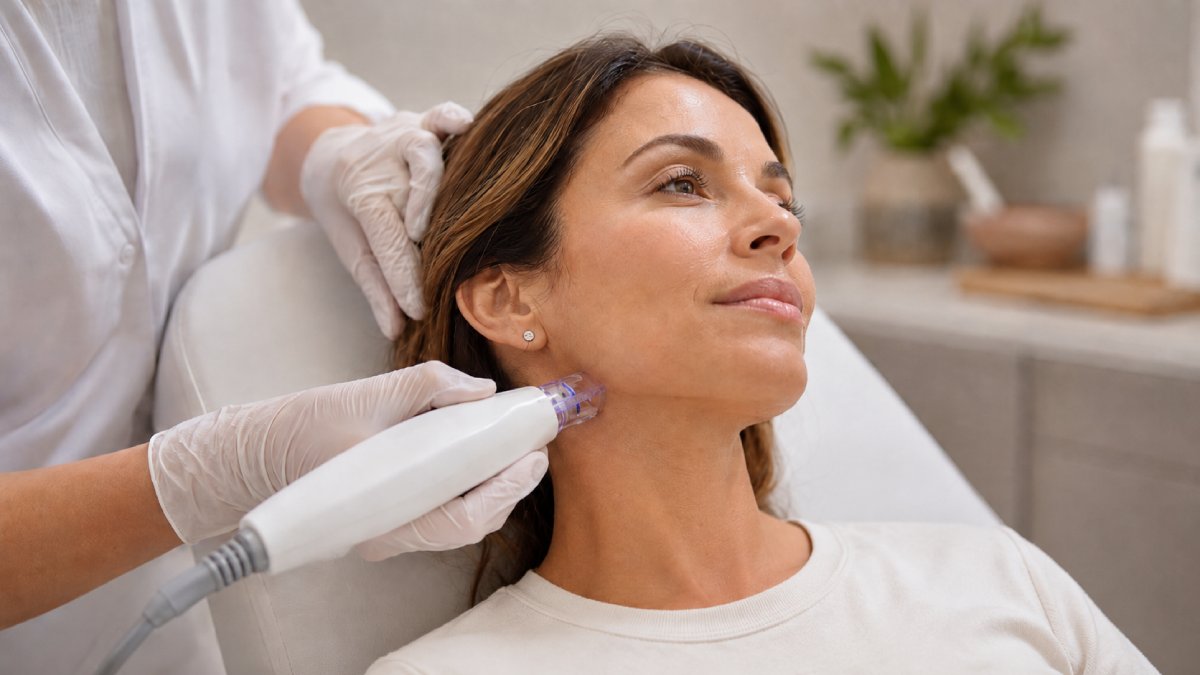
RF Microneedling for the Jawline and Neck: What Can It Address Without Adding Volume?
Hits: 84
If your concern is a softer-looking jawline, mild skin laxity, or uneven neck texture, you may want improvement without making the area look fuller.
RF microneedling is not a filler treatment. It combines microneedling with radiofrequency energy to support skin remodelling, so the focus is usually on texture, firmness, and skin quality rather than adding volume.
Quick Answer
RF microneedling may help address mild skin laxity, uneven texture, fine lines, and skin firmness around the jawline and neck without adding injectable volume. It works by creating controlled treatment zones in the skin using microneedles and radiofrequency energy. However, it does not replace lost structural volume, change bone structure, or provide the same degree of correction as surgery.
Table of Contents
- At a Glance: What RF Microneedling May Address
- What Does RF Microneedling Actually Do to the Jawline and Neck?
- Can RF Microneedling Improve a Softer Jawline Without Adding Volume?
- Which Neck Concerns May Be Discussed During a Consultation?
- What RF Microneedling Cannot Replace
- What Affects Settings, Downtime, and Your Response?
- Who May Need More Caution or a Different Plan?
- Frequently Asked Questions
- Summary
- About Amazing New Face
At a Glance: What RF Microneedling May Address
- RF microneedling combines fine needles with controlled radiofrequency energy.
- It does not add injectable filler or create volume in the way a volumizing treatment does.
- Jawline and neck treatment may be discussed for mild skin laxity, uneven texture, fine lines, and overall skin quality.
- It cannot recreate missing facial volume, change bone structure, or produce the same effect as surgery.
- Treatment settings and response vary according to the individual, treatment area, device, and clinical plan.
- Temporary redness, swelling, tenderness, or irritation may occur after treatment.
- A consultation should review your skin, medical history, expectations, previous procedures, and whether RF microneedling is appropriate for your goals.
What Does RF Microneedling Actually Do to the Jawline and Neck?
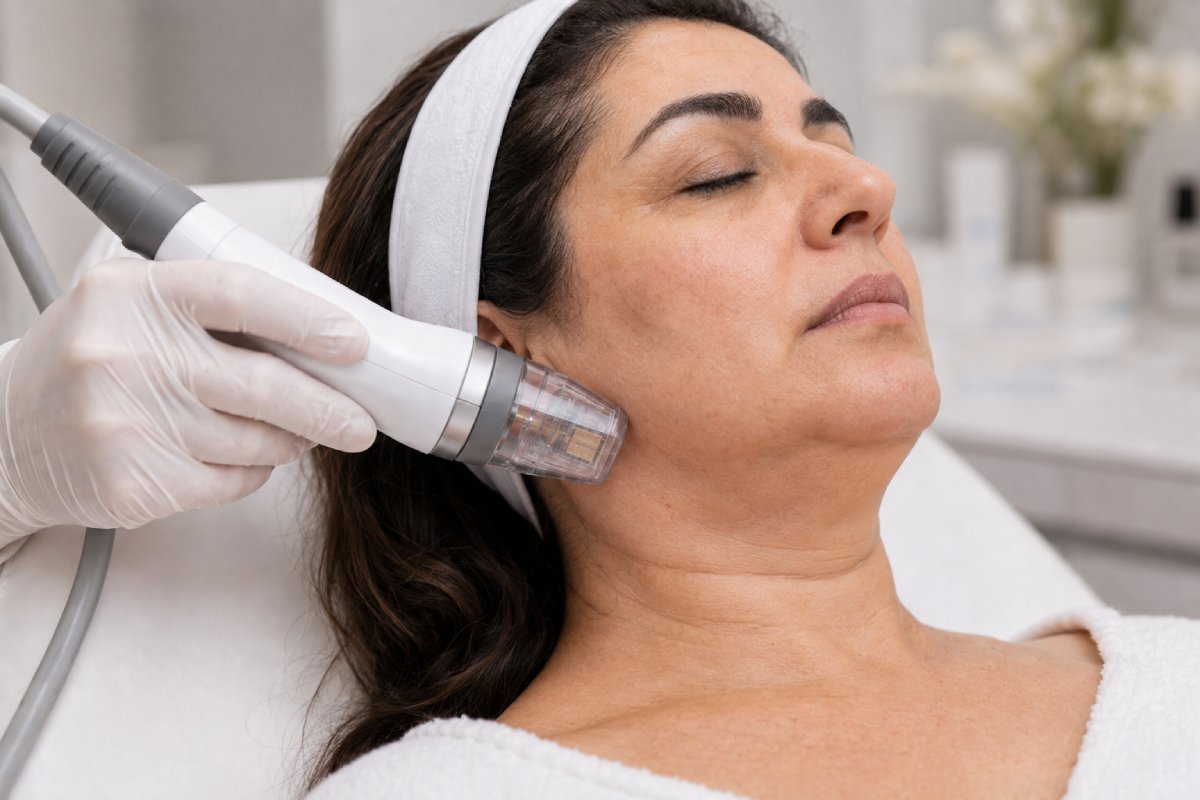
RF microneedling uses needles to deliver radiofrequency energy into targeted layers of the skin, creating controlled mechanical and thermal effects that can stimulate a remodelling response. It is generally discussed as a skin-quality and tightening approach rather than a method of physically adding volume beneath the skin.
The treatment differs from standard microneedling because radiofrequency energy is delivered through or around the microneedles, depending on the device.
For someone concerned about the lower face or neck, the goal may be to discuss changes such as:
- mild laxity
- uneven or crepey-looking texture
- fine lines
- changes in skin firmness
- overall skin quality around the lower face and neck
Research has specifically examined RF microneedling for the lower face, jawline, and neck, with studies reporting improvements in measures of laxity and contour in some participants. Outcomes are not identical for everyone, and the degree of change depends on the starting concern and treatment approach.
You can also review Amazing New Face's RF microneedling treatment information for an overview of the service offered at its Thornhill and Whitby locations.
Can RF Microneedling Improve a Softer Jawline Without Adding Volume?
It may be considered when the appearance of the jawline is partly related to skin laxity or skin quality, but it does not add filler or rebuild lost structural volume. Any visible change is expected to come from the skin's response to treatment rather than from placing a volumizing substance beneath the skin.
This difference is particularly important when deciding between treatment categories.
A softer-looking jawline can have different causes, including skin laxity, natural anatomy, or changes in underlying volume. RF microneedling may help address skin-related concerns, but it does not replace treatments designed to restore lost volume or change facial structure.
A consultation is more useful when it identifies what is actually creating the appearance you want to change before discussing a procedure.
Which Neck Concerns May Be Discussed During a Consultation?
RF microneedling may be discussed for neck concerns related to mild skin laxity, fine lines, uneven texture, and overall skin quality. However, it is not designed to address every type of neck ageing or deeper structural concern.
It should not be presented as a universal solution for every type or degree of neck ageing, looseness, or contour concern.
The skin of the neck also has different characteristics from other facial areas, which makes individualized treatment planning important.
A consultation may look at:
- the amount and pattern of skin laxity
- skin thickness and texture
- previous aesthetic procedures
- visible scarring or irritation
- your history of healing after procedures
- the result you consider worthwhile
- whether another treatment category may better match the concern
Clinical literature has included the neck and mandibular region among areas studied with RF microneedling, but treatment protocols vary considerably between devices and studies. That variation is one reason a published result should not be treated as a prediction of an individual's outcome.
If your main concern is acne-related textural scarring rather than jawline or neck laxity, the clinic's separate article on RF microneedling for acne scars covers that different treatment question.
What RF Microneedling Cannot Replace
RF microneedling does not add volume, change bone structure, remove significant excess skin, or guarantee a sharper jawline. It may be more relevant when the concern involves skin texture or mild laxity. If the main issue is structural volume loss, facial anatomy, or substantial loose skin, another treatment category may be more appropriate.
The key is to identify what is causing the concern before choosing a procedure. A conservative plan should consider the area involved, the degree of change you want, and the risks and recovery you are comfortable with.
What Affects RF Microneedling Settings, Downtime, and Your Response?
RF microneedling settings and recovery depend on factors such as the treatment area, skin characteristics, previous procedures, and the provider’s assessment. Because these factors differ between individuals, treatment plans should be discussed during a consultation. That is why a consultation is needed before choosing a treatment plan.
Temporary redness, swelling, tenderness, or irritation may occur after treatment. Recovery also varies, and published studies use different technologies and treatment parameters, so results from one protocol cannot automatically be applied to another.
Before treatment, useful microneedling questions include:
- What specific concern are we trying to address?
- Why is RF microneedling appropriate for that concern?
- What device will be used?
- What temporary reactions should I expect?
- What aftercare will I need?
- Which symptoms should prompt me to contact the clinic?
- How will we determine whether the response is sufficient before considering anything further?
Those questions are more meaningful than asking for the “strongest” possible setting.
Who May Need More Caution or a Different Plan?
RF microneedling is not suitable for everyone. Active skin problems, healing concerns, medical history, medications, implanted devices, and previous aesthetic procedures may affect whether treatment should proceed, be modified, postponed, or replaced. Do not stop medications or change medical care for an aesthetic procedure; instead, discuss relevant health information with the appropriate qualified professional.
Safety should also be discussed before treatment. In October 2025, the U.S. FDA reported serious complications with certain uses of RF microneedling devices, including burns, scarring, fat loss, nerve damage, and other tissue injuries. This does not determine the licence status of any specific Canadian device, but it reinforces the importance of discussing risks, device choice, and provider experience.
Considering RF Microneedling in Thornhill or Whitby?
If you are trying to decide whether your jawline or neck concern is mainly related to skin texture, laxity, or something that may require a different approach, an individual assessment can help clarify the options.
Request Consultation with Amazing New Face in Thornhill or Whitby to discuss your goals, relevant history, expectations, and whether RF microneedling fits the concern you want addressed.
Frequently Asked Questions
Does RF microneedling add volume to the jawline?
No injectable filler is placed during RF microneedling. The procedure works through controlled needling and radiofrequency energy intended to produce a tissue-remodelling response. Any change in firmness or contour should therefore not be described as the same kind of volume addition produced by a dermal filler or other volumizing procedure.
Can RF microneedling make my jawline sharper?
It may improve the appearance of the lower face when mild skin laxity contributes to a less-defined contour, but it cannot guarantee a sharper jawline. Bone structure, underlying volume, skin laxity, and other anatomical factors can all influence jawline appearance, so the underlying cause should first be assessed.
Is RF microneedling useful for loose neck skin?
RF microneedling has been studied for lower-face and neck skin laxity, and improvement has been reported in some clinical research. However, the amount of laxity matters. More significant excess skin or concerns arising from deeper structures may require a different discussion, so suitability cannot be determined from the treatment name alone.
How much downtime should I expect after RF microneedling?
Recovery varies. Temporary redness, swelling, sensitivity, tenderness, or irritation can occur after treatment. Some published studies describe these reactions as short-lived, but there is no single recovery timeline that applies to every person, device, treatment area, or set of treatment parameters.
Is RF microneedling the same as regular microneedling?
No. Both treatments use microneedles, but RF microneedling also delivers controlled radiofrequency energy into targeted skin layers. This creates both mechanical and thermal effects, while regular microneedling relies mainly on controlled needling. Because devices, settings, treatment goals, and skin characteristics vary, the expected response, downtime, and risk considerations may also differ between the two approaches.
How do I know whether RF microneedling is right for my neck or jawline?
The most useful first step is identifying what causes the appearance you want to change. A consultation can assess skin quality, laxity, relevant anatomy, previous treatments, medical history, expectations, and whether the likely benefit justifies the procedure's risks and recovery for you.
Summary
RF microneedling may be worth discussing when a jawline or neck concern involves skin texture, mild laxity, fine lines, or skin firmness and you are not looking to add injectable volume. It is not a replacement for structural volume correction, surgery, or every other aesthetic treatment. A conservative consultation should identify the cause of the concern, review safety factors, explain realistic limitations, and determine whether the procedure fits your individual priorities.
About Amazing New Face
Amazing New Face provides aesthetic services at clinic locations in Thornhill and Whitby, Ontario. Current services listed by the clinic include microneedling and RF microneedling alongside other aesthetic service families. For people considering RF microneedling, the consultation process provides an opportunity to discuss the concern being treated, previous procedures, expectations, relevant health history, and whether the proposed approach is appropriate. You can review additional information about Amazing New Face and its current services online.
