
Amazing New Face Blog
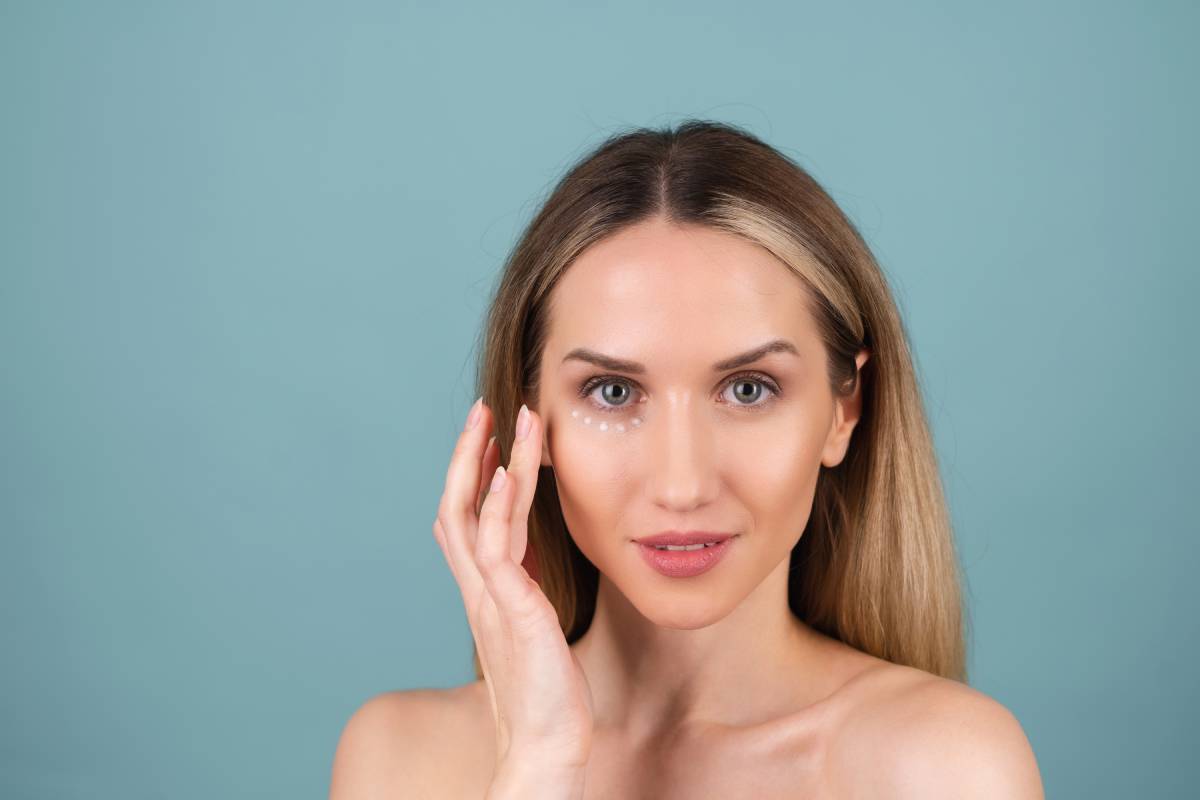
What is the best type of filler for under the eyes?
Hits: 2028
Short answer: For most people with true hollows (not puffiness), the safest, most predictable choice is a low‑swelling hyaluronic acid (HA) filler placed deeply by an experienced injector. Examples commonly used for the tear trough include Restylane® (including Eyelight™ where available), Belotero Balance®, Teosyal® Redensity 2, and, in select cases, Juvéderm® Volbella. Your “best” option depends on your anatomy, skin thickness, and whether you have bags, pigment, or previous filler.
If you wake up puffy, have visible “bags,” or strong allergies, you might not be a good candidate for under‑eye filler. Don’t worry-there are gentler alternatives below.
1) Why people care about under‑eye fillers (and when they help)
The eye area is where fatigue shows first. Lighting can cast shadows in a groove called the tear trough, creating a permanent “tired” look even when you’re rested. If that shadow is caused by volume loss (a hollow), adding a tiny amount of a precisely chosen HA filler can level the depression so light reflects evenly. The result: softer shadows, smoother transitions from eyelid to cheek, and a fresher look in minutes.
Under‑eye filler can help:
- True hollows/indentations creating a visible groove
- Mild contour irregularities after previous procedures
- Subtle crepe‑iness when combined with skin‑quality treatments
Under‑eye filler won’t fix:
- Puffiness/bags (protruding fat or fluid)
- Pigment (brown/blue discoloration in the skin)
- Significant skin laxity (excess, wrinkled skin)
For those concerns, see Alternatives below.
2) Who is (and isn’t) a good candidate?
You’re likely a good candidate if you:
- Have mild to moderate hollows (a concavity you can see in good light)
- Don’t wake up very puffy and don’t have prominent bags
- Have skin thick enough to disguise product edges
- Are okay with a conservative, stepwise approach (less is more here!)
Consider other options first if you:
- Have malar bags/festoons, strong morning puffiness, or chronic allergies
- Have very thin, crepey skin with little support
- Have active sinus issues causing recurrent swelling
- Want to correct true pigment (needs skincare/energy‑based treatments)
- Have unresolved previous filler or filler migration (you may need dissolving first)
Bottom line: Candidates with hollows but no bags do best. If you’re unsure, a careful in‑person assessment with dynamic lighting is essential.
3) Under‑eye anatomy 101: Why hollows, bags, and shadows happen
The lower eyelid and upper cheek meet at a junction that changes with age. Over time:
- Bone resorbs and mid‑face fat pads shift downward, deepening the groove.
- The orbicularis oculi muscle and retaining ligaments (like the orbital retaining ligament) create tethering-so the area above looks hollow and the area below can look heavy.
- Skin thins, showing blue veins and pigment; light scatters, exaggerating darkness.
Hollows vs. bags:
- Hollows = a deficit. Filler can (carefully) replace missing volume.
- Bags/festoons = a bulge or fluid issue. Filler usually makes this worse. These often need different strategies (see Alternatives).
4) The fillers we actually use under the eyes (and how they compare)
Not all fillers are created equal-especially under the eyes, where the skin is thin and prone to swelling. We aim for low‑swelling, smooth‑flowing HA gels and always prioritize placement and restraint over “filling to flat.”
Hyaluronic Acid (HA) fillers (first choice for most)
Why HA? It’s reversible with hyaluronidase, integrates well, and can be selected in low‑hygroscopic formulations to reduce swelling.
Commonly used options:
- Restylane® family (including Eyelight™ where available): slightly firmer, good structure for deeper placement.
- Belotero Balance®: cohesive, smooth integration; nice for blending superficial transitions when appropriate.
- Teosyal® Redensity 2: specifically formulated for the under‑eye in many markets; designed to be low‑swelling and delicate.
- Juvéderm® Volbella: soft, can work in select cases in expert hands; tends to attract more water than some others, so we use it selectively.
Your injector may suggest a tiny blend of products in micro‑aliquots to contour seamlessly. What matters most is technique + judgment, not brand hype.
What we avoid under the eyes
- Thick, highly hygroscopic gels (more water‑drawing) that can cause chronic puffiness
- Biostimulators (e.g., calcium hydroxylapatite/Radiesse®, poly‑L‑lactic acid/Sculptra®) directly in the tear trough—too stiff and not dissolvable
Newer trends you might hear about
- Skin‑quality injectables (e.g., HA skin boosters, polynucleotides) can improve texture and fine lines around the eyes but are not fillers for deep hollows. They are often paired with energy‑based treatments.
- PRF/PRP can brighten crepe‑iness in some, but results are variable and gradual. Not a replacement for volume correction when a true hollow exists.
Ready for an honest, expert opinion? Book a personalized under‑eye assessment at AmazingNewFace. We’ll tell you if filler is the right choice for your eyes-or guide you to a better alternative.
5) Safety first: Risks, side effects & how we minimize them
Under‑eye filler is an advanced treatment. The area is vascular and unforgiving of overfilling.
Common, usually temporary:
- Redness, pinpoint bruising, and mild swelling (a few days)
- Tenderness to touch
Less common but important to know:
- Tyndall effect (blue hue) if product sits too superficially
- Persistent edema or fluidiness, especially in swelling‑prone candidates or with water‑drawing gels
- Lumps/contour irregularities if too much product is used or placed unevenly
- Vascular occlusion (rare but urgent): sudden blanching, severe pain, vision changes-requires immediate in‑clinic management
How we reduce risk:
- Careful candidate selection (no “bags,” cautious with allergy‑prone puffiness)
- Conservative dosing (often 0.2–0.5 mL per side to start)
- Deep plane placement and micro‑aliquots; often with a blunt microcannula for fewer passes
- Stepwise treatment: build gradually over 2–3 visits rather than “one‑and‑done”
- Hyaluronidase on hand to adjust or dissolve if needed
If you’ve had under‑eye filler before, old product can linger or migrate. Sometimes the smartest first step is dissolving, letting tissues settle, then reassessing.

6) What happens during treatment? Step‑by‑step
- Assessment in bright, neutral light. We check for true hollows vs. bags, pinch‑test skin thickness, look at photos, and identify asymmetries.
- Plan + product selection. We choose a low‑swelling HA and a conservative starting volume. We’ll talk through expectations and alternatives.
- Prep. Cleanse, antisepsis, and a tiny entry point if using a cannula. Topical anesthetic is optional; many HA fillers contain lidocaine for comfort.
- Precise placement. Small threads or droplets in the correct plane, focusing on blending rather than stuffing. You may feel gentle pressure.
- Check in different lighting and expressions. We avoid over‑correction-shadows should soften, not disappear completely.
- Photos + aftercare. You’ll get simple instructions and what to watch for.
Time: 15–30 minutes for treatment; plan a bit longer for your first visit.
7) Results & longevity: How long do under‑eye fillers last?
Most people notice softer shadows right away, with results refining as minor swelling settles over 1–2 weeks. Under the eyes, HA can last 9–18 months (sometimes longer), though your metabolism, product choice, and lifestyle (e.g., allergies, salt intake, sleep) matter. Some prefer tiny maintenance tweaks rather than waiting for a full fade.
Remember: longevity isn’t everything. We prioritize natural movement and avoiding product buildup.
8) How many syringes do I need-and what does it cost?
Under the eyes, less is more. Many first‑time patients do well with about half a syringe total (split between both sides), then re‑evaluate. Others may need up to one syringe total depending on depth and asymmetry. Larger volumes often signal the need for a different approach (e.g., midface support or surgical options).
Typical ranges (Toronto/Thornhill area): Pricing varies by product and injector experience. Expect a premium for this advanced area. Your consultation will include a personalized quote.
Pro tip: If a price sounds “too good to be true,” it usually is. Prioritize skill, sterile technique, and aftercare support.
9) Aftercare: Do’s & don’ts for smooth results
Do:
- Use cool compresses gently for the first evening if needed
- Sleep head slightly elevated for 1–2 nights
- Keep salt and alcohol modest for a few days
- Resume light makeup the next day with clean brushes
Avoid for 24–48 hours:
- Heavy workouts, saunas, hot yoga
- Face‑down massages or tight goggles
- Pressing/rubbing the area
Call your clinic urgently if you notice severe pain, vision changes, dusky/white skin, or rapidly increasing swelling.
10) Red flags when choosing a provider
- Focus on under‑eye experience (ask how often they treat this area)
- They use conservative volumes and are comfortable saying “not today” if you’re puffy
- They can explain product choice and plane of injection in simple terms
- Hyaluronidase is available onsite and they know how to use it
- They show unretouched, consistent‑lighting before/afters and discuss limits-not just wins
Thinking about your under‑eyes? Book a judgment‑free consult at AmazingNewFace. We’ll assess in proper lighting, explain all options (including non‑filler), and help you choose what’s best for your face.
11) Great alternatives if filler isn’t right for you
For puffiness/bags or festoons (fluid or fat):
- Lower blepharoplasty (surgical) for fat prolapses or excess skin
- Lymphatic‑friendly skincare/lifestyle (sleep, allergies, salt moderation)
- Energy‑based treatments (e.g., RF microneedling around the eyes) for skin tightening-carefully selected for your skin type
For pigment/darkness:
- Topicals: Vitamin C, gentle retinoids, azelaic/kojic acid, SPF
- Peels/lasers for eligible skin types, done conservatively
For crepe‑iness/fine lines:
- Skin‑quality injectables (HA microdroplets/skin boosters)
- Microneedling or RF microneedling around the eye (with expert settings)
For structural shadows from midface descent:
- Cheek/midface support (small amounts) can indirectly improve the trough
12) Before‑and‑after reality check (expectations vs. Instagram)
- Goal: Soften the transition from eyelid to cheek, not erase every shadow-natural faces have contours.
- Lighting lies: Harsh overhead light exaggerates grooves; evaluators use neutral, diffuse light.
- Symmetry: Most faces are asymmetric. Chasing perfect symmetry can lead to overfilling.
- It’s reversible (with HA): That’s a safety net-but dissolving can mean temporary swelling and multiple visits.
Additional resources
- How to Maintain Filler and Botox Results for 6 Months or More?
- 10 important things you should know before getting under-eye filler injections
- Hyaluronic Acid Fillers vs. Collagen Fillers: Which is Best for You?
13) FAQ (7 quick answers)
1) What’s the single best filler for under eyes?
There isn’t a one‑size‑fits‑all product. We typically reach for a low‑swelling HA chosen for your skin thickness and anatomy. In many cases, that’s a Restylane‑type gel (including Eyelight where available), Belotero Balance, Teosyal Redensity 2, or-selectively-Volbella.
2) Will filler fix my dark circles?
If the “darkness” is mostly shadow from a groove, yes-softening the hollow helps. If it’s pigment or visible veins, you’ll need skincare or energy‑based treatments too.
3) How much will I need?
Often 0.2–0.5 mL per side to start, then reassess in 2–3 weeks. Using more than a syringe total is uncommon and may signal that an alternative approach is smarter.
4) Is it safe?
With careful selection and expert technique, HA filler under the eyes is considered safe for the right patient. That said, risks include bruising, swelling, blue hue (Tyndall), lumps, and rarely vascular occlusion. Choose an injector who treats this area often and has hyaluronidase available.
5) How long does it last?
Expect 9–18 months on average. Some dissolve sooner; others last longer. We prefer tiny maintenance tweaks over letting product build up.
6) I’ve had filler before and now look puffy-what can I do?
You may have water‑drawing product, superficial placement, or old filler migration. The typical plan is dissolve with hyaluronidase, allow tissues to settle, then reassess options (sometimes non‑filler treatments or surgery are better).
7) Needle or cannula-which is better?
Both can be excellent in skilled hands. We often prefer a blunt cannula for fewer passes and less bruising, then a tiny needle for fine blending when needed.
14) Bottom line: A quick recap
- The “best” under‑eye filler is usually a low‑swelling HA placed deeply and sparingly by an injector who treats this area all the time.
- Great candidates have hollows without bags. Puffiness, allergies, or festoons point to alternatives.
- Expect small amounts, staged treatments, and realistic goals: softer shadows, not a Photoshopped under‑eye.
- When in doubt, less is more-and reversible HA keeps you in control.
Educational only. Not medical advice. A personalized consultation will determine if under‑eye filler-or an alternative-is right for you.
Why Choose Amazing New Face?
At Amazing New Face, aesthetic care should feel empowering-not intimidating or high-pressure. Our philosophy is simple: treatments should enhance your clarity, comfort, and confidence. From your very first visit, you’ll be heard. We take time to understand your goals and tailor a plan that fits your features, lifestyle, and budget.
Expert leadership you can trust
Our team is led by Alireza Hashemnejad, an aesthetic specialist with 20+ years of hands-on experience. A graduate of Tehran University of Medical Sciences and a board member of the Canadian Academy of Facial Esthetics, Alireza is known for precision, artistry, and a gentle touch in advanced treatments including Botox, dermal fillers, PRP therapy, and HIFU.
Close to home in the GTA
With welcoming clinics in Thornhill and Whitby, we proudly serve the Greater Toronto Area-North York, Richmond Hill, Markham, Pickering, Ajax, and beyond. Whether you’re brand-new to aesthetics or returning to fine-tune results, expect honest guidance, expert care, and natural-looking outcomes.
Our Services
- Dermal Fillers - Restore volume, define contours, and smooth lines
- Botox Injections - Soften fine lines and refresh your expression
- HIFU Facial Treatments - Tighten and lift without surgery
- PRP Therapy - Boost collagen and revitalize skin using your own plasma
- RF Microneedling - Improve texture and tone with radiofrequency-enhanced needling
- Skin Boosters - Deeply hydrate and brighten tired skin
- Hair Regrowth Mesotherapy - Stimulate stronger, healthier hair growth
- Fat-Dissolving Injections - Contour and slim targeted areas with minimal downtime
- Non-Surgical Facelifts - Achieve a lifted, youthful look-no scalpel needed
- Personalized Consultations - One-on-one expert guidance tailored to your goals
Want to get started from home?
We make it easy.
Whether you’re seeking a non-surgical facelift in Whitby, skin rejuvenation in Thornhill, or simply trusted expert advice, Amazing New Face is with you every step of the way.
