
Amazing New Face Blog
Can Botox Fix a Gummy Smile? Results, Risks, and Limitations
Hits: 15
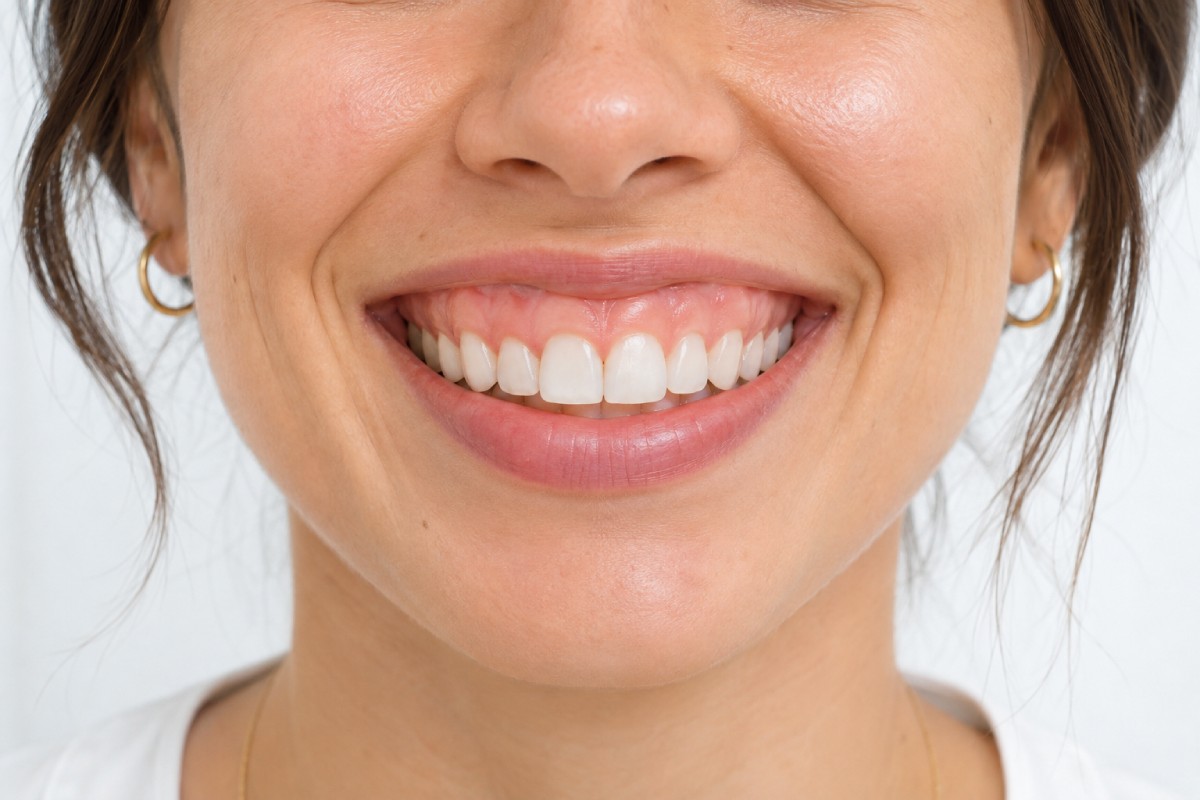
You look at a photo of yourself smiling and notice that your upper gums seem more visible than you expected. Your teeth may be healthy and well-aligned, but your upper lip rises noticeably whenever you smile.
Could Botox change how much gum tissue shows without significantly affecting your natural expression?
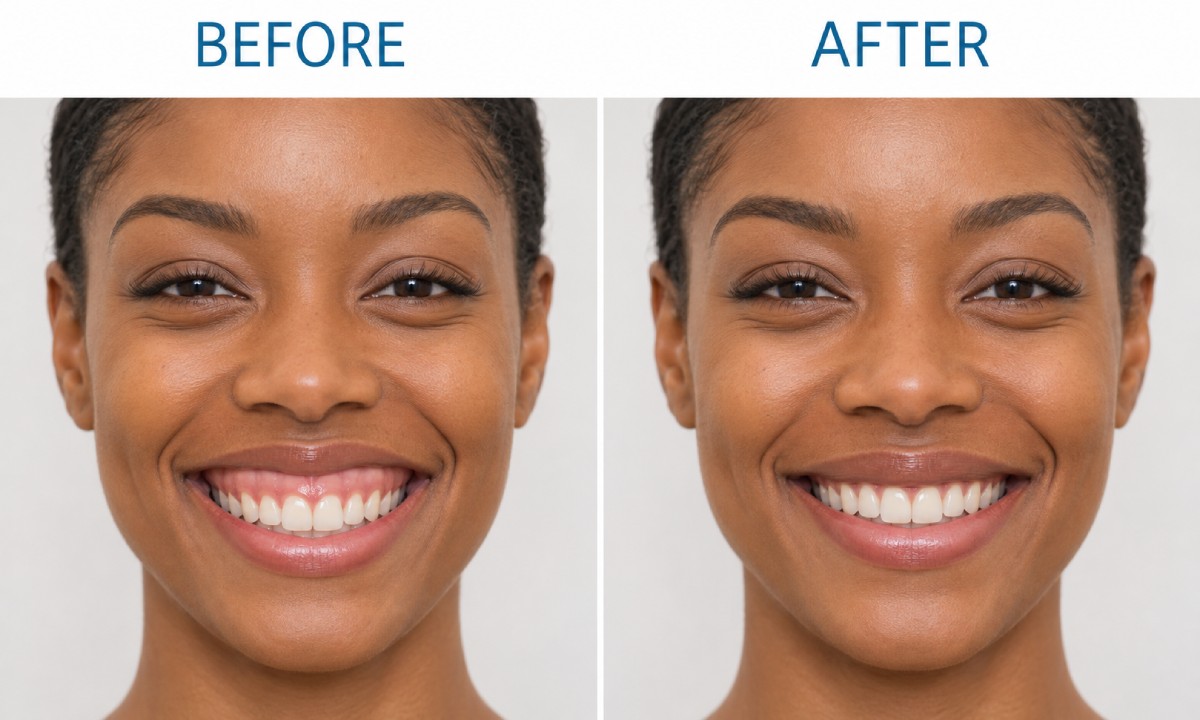
Botulinum toxin type A may temporarily reduce a gummy smile when excessive upper-lip muscle activity is the main cause. However, it cannot correct gum overgrowth, tooth positioning, or jaw structure. Results depend on individual anatomy, and changes in lip movement or smile symmetry are possible.
Understanding how this treatment works, where its limitations begin, and what a professional assessment involves can help you make an informed decision.
Table of Contents
- At a Glance: Key Takeaways
- What Is a Gummy Smile, and Why Does It Happen?
- How Does Botox Affect a Gummy Smile?
- Who May Be a Suitable Candidate?
- How Long Do Results Last, and When Are Changes Visible?
- Can Botox Completely Eliminate a Gummy Smile?
- What Are the Risks and Possible Side Effects?
- Botox vs. Other Gummy Smile Treatments: What Is the Difference?
- What Should You Discuss Before Considering Treatment?
- Frequently Asked Questions
- Summary
- About Amazing New Face
At a Glance: Key Takeaways
- A gummy smile is often a normal anatomical variation rather than a medical problem.
- Botulinum toxin may reduce gum visibility caused by excessive upper-lip movement.
- The treatment does not permanently change the muscles or underlying facial structure.
- Research suggests effects commonly last approximately three to four months, although duration varies.
- Smile asymmetry and unwanted changes in lip movement are possible.
- Dental or orthodontic evaluation may be necessary when muscle activity is not the primary cause.
- Treatment is optional and should reflect individual preferences.
What Is a Gummy Smile, and Why Does It Happen?
A gummy smile, medically described as excessive gingival display, occurs when a noticeable amount of upper gum tissue becomes visible during smiling.
There is no single amount of visible gum tissue that automatically requires correction. Some people naturally show more of their gums without experiencing dental problems or functional concerns.
Several anatomical factors influence gum visibility.
Upper-lip muscle activity: Muscles that elevate the upper lip may move it higher during smiling, exposing additional gum tissue.
Lip length: A naturally shorter upper lip may leave more gum tissue visible even when muscle movement is typical.
Gum coverage: Excessive gum tissue around the teeth can make the visible crowns appear shorter.
Tooth positioning: Teeth positioned differently within the upper dental arch may contribute to increased gingival display.
Jaw anatomy: Vertical differences in upper-jaw development can affect how much gum tissue becomes visible.
More than one factor can contribute to the same smile.
This distinction matters because a treatment directed at upper-lip movement will not correct a dental or skeletal concern.
How Does Botox Affect a Gummy Smile?
Botox is a brand name for a prescription medicine containing botulinum toxin type A. The substance temporarily reduces communication between nerves and selected muscles, decreasing their activity.
When excessive upper-lip elevation contributes to a gummy smile, reducing the activity of relevant muscles may allow the lip to remain slightly lower during smiling.
The goal is to influence movement rather than change the size or structure of the lips.
Several muscles participate in raising the upper lip, including the levator labii superioris and levator labii superioris alaeque nasi.
Their activity varies between individuals. This is one reason a treatment that changes one person's smile may produce a different result in another.
Importantly, using botulinum toxin specifically to address excessive gingival display is an off-label application in Canada. Off-label use means the particular indication is not included among the product's authorized uses, and it requires appropriate clinical judgment and informed consent.
The treatment does not permanently weaken or shorten the upper lip.
As its effects diminish, muscle activity generally returns toward its previous pattern.
Who May Be a Suitable Candidate?
People whose gum visibility is primarily associated with pronounced upper-lip movement may be considered for muscle-focused treatment following a professional assessment.
However, visible gum tissue alone does not establish suitability.
A clinician should assess the relationship between lip movement, facial symmetry, dental anatomy, and the individual's expectations.
For example, consider two people whose smiles expose a similar amount of gum tissue.
One has normally proportioned teeth and an upper lip that rises considerably when smiling. The other has limited visible tooth structure because of gum coverage.
Although their smiles may appear similar, the underlying reasons are different.
The first situation may be more relevant to a movement-focused approach. The second may require examination by a dentist or periodontist.
A gummy smile should not automatically be treated as a muscle problem.
Medical history, previous facial procedures, neuromuscular conditions, pregnancy or breastfeeding considerations, and medications may also affect whether prescription treatment is appropriate.
A qualified professional must review contraindications and precautions before considering treatment.
How Long Do Results Last, and When Are Changes Visible?
The effects of botulinum toxin are temporary.
Changes in muscle activity may become noticeable within several days, while the full effect develops over the following weeks.
A 2024 systematic review examining botulinum toxin for gummy smile management reported that the greatest effects were generally observed around two to four weeks after treatment.
The same review described effects lasting approximately 12 to 24 weeks across the studies evaluated.
In practical terms, results commonly last around three to four months, although some individuals experience shorter or longer durations.
Duration can vary with muscle activity, individual physiology, treatment approach, and other clinical factors.
As the effect wears off, the upper lip may gradually return toward its original movement pattern.
Repeated treatment is not automatically necessary. Any future decision should follow reassessment of the results, suitability, and individual preferences.
Research findings describe averages and observed ranges, not guaranteed outcomes for individual patients.
Can Botox Completely Eliminate a Gummy Smile?
Not necessarily.
A movement-focused treatment may reduce excessive gum visibility, but complete elimination is neither guaranteed nor always desirable.
Natural smiling involves coordinated movement across several facial muscles.
Changing the activity of these muscles can influence the appearance of the smile beyond the amount of gum tissue visible.
Additionally, someone with a combination of pronounced lip movement and vertical jaw differences may still show gum tissue after muscle activity changes.
This does not necessarily mean a procedure was performed incorrectly. It may reflect anatomical factors that cannot be addressed by changing lip movement alone.
The most useful measure of a satisfactory outcome is not simply whether all gum tissue disappears.
It is whether the resulting smile remains comfortable, balanced, and consistent with the person's expectations.
What Are the Risks and Possible Side Effects?
Botulinum toxin treatments can produce unwanted effects, even when performed by an appropriately qualified healthcare professional.
Possible local effects include temporary discomfort, tenderness, swelling, or bruising.
Other concerns associated with changes in upper-lip muscle activity include:
- Uneven elevation of the upper lip
- Changes in smile symmetry
- Reduced ability to lift or move the lip naturally
- An unfamiliar smile appearance
- Temporary difficulty with certain lip movements
- Results that differ from expectations
In some circumstances, excessive muscle weakening may affect speaking, drinking, or other mouth movements.
Prescription botulinum toxin products also carry warnings about rare but potentially serious effects from toxin spread, including swallowing or breathing difficulties. Such symptoms require immediate medical attention.
An assessment should address potential complications, relevant medical conditions, contraindications, and what to do if unexpected symptoms develop.
Because changes in muscle activity cannot simply be reversed immediately, careful clinical evaluation and realistic expectations are particularly important.
Botox vs. Other Gummy Smile Treatments: What Is the Difference?
Botulinum toxin is only one approach discussed in the management of excessive gingival display.
The most appropriate option depends on which anatomical factor contributes most to the concern.
|
Approach |
Primary concern addressed |
Important limitation |
|
Botulinum toxin |
Excessive upper-lip movement |
Temporary effect |
|
Gum contouring |
Excess gum coverage |
Does not change lip movement |
|
Crown lengthening |
Tooth exposure and gumline proportions |
Requires dental assessment |
|
Orthodontic treatment |
Tooth positioning |
May involve extended treatment |
|
Lip repositioning surgery |
Excessive lip elevation |
Surgical risks and possible recurrence |
|
Orthognathic surgery |
Significant jaw-related differences |
Extensive planning and recovery |
These approaches are not interchangeable.
For instance, when teeth appear unusually short because of gum coverage, a dental professional may consider whether gum reshaping or crown lengthening is appropriate.
When vertical tooth positioning contributes to gingival display, orthodontic evaluation may be more relevant.
Jaw-related causes may require assessment by an oral and maxillofacial specialist.
Some individuals have multiple contributing factors, making a combined or staged assessment necessary.
The decision should begin with identifying the cause, rather than selecting a procedure based only on photographs or online examples.
What Should You Discuss Before Considering Treatment?
A consultation should establish whether the concern is primarily related to lip movement or another anatomical factor.
Assessment may include observing the smile at rest, during conversation, and during a broad natural smile.
It may also involve reviewing tooth proportions, facial symmetry, medical history, and previous treatments.
Useful questions include:
- What is the main cause of my visible gum tissue?
- Is upper-lip muscle activity the primary contributing factor?
- Would a dental evaluation be more appropriate?
- What changes to my smile could occur?
- What risks or contraindications apply to me?
- How long might any improvement last?
- How would an unexpected result be managed?
The clinician should also explain whether a proposed application is off-label and discuss the relevant uncertainties.
Understanding how to compare aesthetic clinic consultations can help you evaluate professional qualifications, communication, safety information, and expectations.
Choosing not to proceed is a reasonable outcome of a consultation.
Frequently Asked Questions
Is Botox a permanent solution for correcting a gummy smile?
No. Botulinum toxin temporarily changes muscle activity rather than permanently modifying the upper lip. As its effects diminish, the original movement pattern generally returns. The duration varies between individuals and treatment approaches. Long-lasting anatomical correction, when appropriate, may require dental or surgical procedures directed at the underlying cause.
How quickly can botulinum toxin change a gummy smile?
Some changes may become noticeable within several days, but the full effect takes longer to develop. Clinical research has reported the greatest reduction in gum visibility approximately two to four weeks after treatment. Individual responses vary, and an early appearance should not be mistaken for the final result.
Can Botox make a smile look uneven?
Yes. Uneven changes in the activity of muscles responsible for raising the upper lip may produce visible smile asymmetry. Existing facial differences can also influence the result. Although effects are generally temporary, an unwanted appearance may persist while the medication remains active. This possibility should be discussed before treatment.
Is Botox suitable when the gums cover too much of the teeth?
Not necessarily. When excessive gum coverage makes the teeth appear shorter, reducing upper-lip movement does not address the underlying tissue distribution. A dentist or periodontist may need to evaluate the gumline, tooth proportions, and supporting structures. Depending on the findings, dental treatment may be more relevant than a movement-focused procedure.
Does every gummy smile need treatment?
No. Visible upper gum tissue is commonly a natural variation in facial appearance and does not automatically indicate a health problem. If the teeth and gums are healthy and the person is comfortable with their smile, treatment may provide no necessary medical benefit. Any aesthetic decision should be based on informed personal preferences.
Summary
Botulinum toxin may temporarily reduce excessive gum visibility when strong upper-lip muscle activity is the main contributing factor. Research supports its potential in selected cases, but the effects are temporary, outcomes vary, and unwanted changes in smile movement are possible.
Gum coverage, tooth positioning, and jaw anatomy require different assessments and potentially different approaches.
Understanding the actual cause of a gummy smile is more useful than assuming one treatment will suit everyone.
About Amazing New Face
Amazing New Face provides aesthetic services at its Thornhill and Whitby locations in Ontario.
The clinic offers consultations focused on individual aesthetic concerns, relevant facial anatomy, realistic expectations, and treatment suitability.
When excessive gum visibility is a concern, an appropriate assessment can help clarify whether further evaluation by a dental professional is necessary.
For general aesthetic consultation inquiries, you can request an appointment to discuss your concerns and the next steps in professional assessment.
