
Amazing New Face Blog
Lip Flip vs. Lip Filler: Which Is Better for a Subtle Lip Enhancement?
Hits: 35
Your upper lip looks full enough when your face is relaxed, but it almost disappears when you smile. Or perhaps your lips have always been thin, and you want slightly more definition without an obvious change.
These concerns can lead to the same question: lip flip vs lip filler—which option is better for subtle lip enhancement?
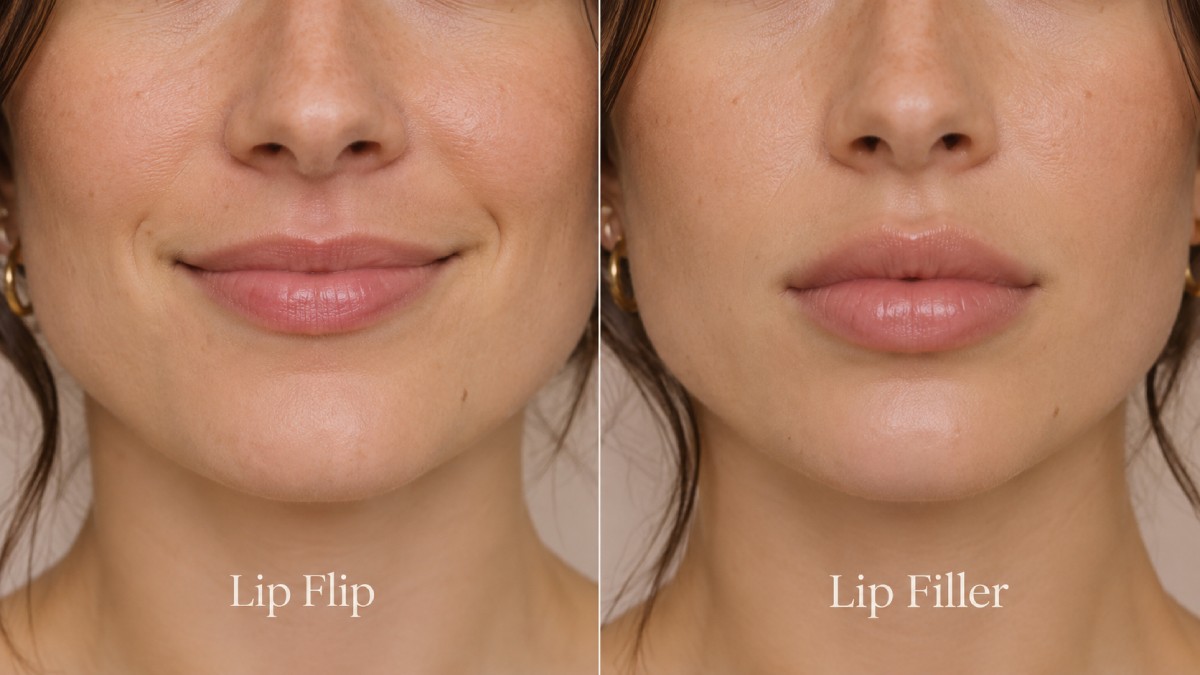
A lip flip changes how the upper-lip muscles move, while lip filler adds physical volume. Neither is automatically more natural-looking or suitable for everyone.
Understanding that difference can help you decide what to discuss during a consultation.
Table of Contents
- At a Glance: Key Takeaways
- Lip Flip vs. Lip Filler: What's the Difference?
- Which Option Looks More Natural?
- How Does Your Lip Shape Affect the Choice?
- How Do Results, Costs, and Recovery Compare?
- What Are the Risks and Limitations?
- What Should You Ask During a Lip Filler Consultation in Thornhill or Whitby?
- Frequently Asked Questions
- Summary
- About Amazing New Face
At a Glance: Key Takeaways
- A lip flip affects upper-lip movement without adding volume.
- Lip filler adds volume and can change lip shape or definition.
- Neither treatment guarantees a natural-looking result.
- Your lip anatomy and smile influence treatment suitability.
- Both procedures involve risks and possible side effects.
- Results are temporary, but duration and maintenance differ.
- A consultation can help determine whether either option matches your goals.
Lip Flip vs. Lip Filler: What's the Difference?
A lip flip changes muscle activity around the upper lip, while lip filler adds material to increase volume. Although both are discussed as cosmetic lip enhancement options, they address different concerns. Understanding whether you want fuller lips or a change in how your upper lip appears when smiling is essential.
What Is a Lip Flip?
A lip flip is a procedure that uses a prescription injectable medication to temporarily change muscle activity around the upper lip.
This may alter how the upper lip moves or curls inward during smiling. However, it does not add actual volume.
Because the procedure affects muscles involved in everyday mouth movements, it may also influence speaking, drinking, or smiling.
Its suitability and regulatory considerations require assessment by an appropriately qualified healthcare professional.
What Is Lip Filler?
Lip filler introduces material, commonly hyaluronic acid-based filler, to change lip volume, definition, or proportions.
Someone considering filler may want fuller lips at rest, more defined contours, or a modest adjustment to shape.
However, adding filler does not necessarily address concerns caused primarily by upper-lip muscle movement.
For a broader introduction, read our Lip Filler 101 guide.
Lip Flip vs. Lip Filler Comparison
|
Feature |
Lip Flip |
Lip Filler |
|
How it works |
Alters muscle activity |
Adds physical volume |
|
Main consideration |
Upper-lip movement |
Fullness and definition |
|
Adds volume |
No |
Yes |
|
Results |
Temporary |
Temporary |
|
Recovery |
Varies |
Swelling and bruising may occur |
|
Potential concerns |
Changes to lip function |
Lumps, asymmetry, vascular complications |
|
Suitable for everyone? |
No |
No |
The most important distinction is the type of change you want, not which treatment sounds simpler.
Which Option Looks More Natural?
Neither lip flip nor lip filler automatically creates a more natural-looking result. Natural appearance depends on facial proportions, lip anatomy, treatment planning, and personal expectations. A small change can still feel noticeable if it affects how you normally smile or speak.
When Subtle Lip Filler May Be Considered
Someone wanting a modest increase in volume or definition may discuss conservative filler treatment.
However, subtle does not mean the same thing for every person.
The appearance of filler depends on factors such as existing lip size, tissue characteristics, product selection, and treatment planning.
Adding more volume is not necessarily an improvement.
When Upper-Lip Movement Is the Main Concern
Some people notice that their upper lip looks different when smiling compared with its appearance at rest.
This may involve muscle movement rather than insufficient volume.
An assessment can help clarify the underlying concern, but changing muscle activity also introduces functional considerations.
The goal should be to understand the trade-offs rather than assume that one option will preserve every natural expression.
How Does Your Lip Shape Affect the Choice?
Your natural lip shape and facial movement influence which concerns a procedure may address. Lip thickness, symmetry, muscle activity, previous treatments, and overall facial proportions all matter. Looking at the lips both at rest and during expression provides more useful information than judging a single photograph.
If Your Upper Lip Disappears When You Smile
An upper lip that becomes less visible during smiling does not necessarily lack volume.
Muscle movement may contribute to its appearance.
A consultation can help distinguish movement-related concerns from structural ones and explain whether treatment is appropriate.
If Your Lips Are Naturally Thin
If your lips appear thin even when relaxed, actual volume may be your main consideration.
Lip filler can change fullness, but results depend on individual anatomy and cannot be guaranteed.
Treatment planning should also consider the relationship between the upper and lower lips.
If Your Lips Are Uneven
Mild asymmetry is common and may become more noticeable during facial expressions.
Differences can involve tissue volume, shape, or muscle movement.
Not every asymmetry can be addressed with filler, and pursuing perfect symmetry may create unrealistic expectations.
If You've Had Previous Lip Treatments
Existing filler or earlier complications can affect future treatment planning.
Tell your provider about previous injections, products used, and any unexpected reactions.
An additional procedure is not always the appropriate answer to dissatisfaction with an earlier result.
How Do Results, Costs, and Recovery Compare?
Lip flip and lip filler differ in how results develop, how long effects may last, and what maintenance involves. A meaningful comparison should consider the expected change, possible side effects, follow-up appointments, and overall expense rather than focusing only on the initial treatment price.
When Do Results Become Visible?
A lip flip does not typically produce its full visible effect immediately because the medication takes time to affect muscle activity.
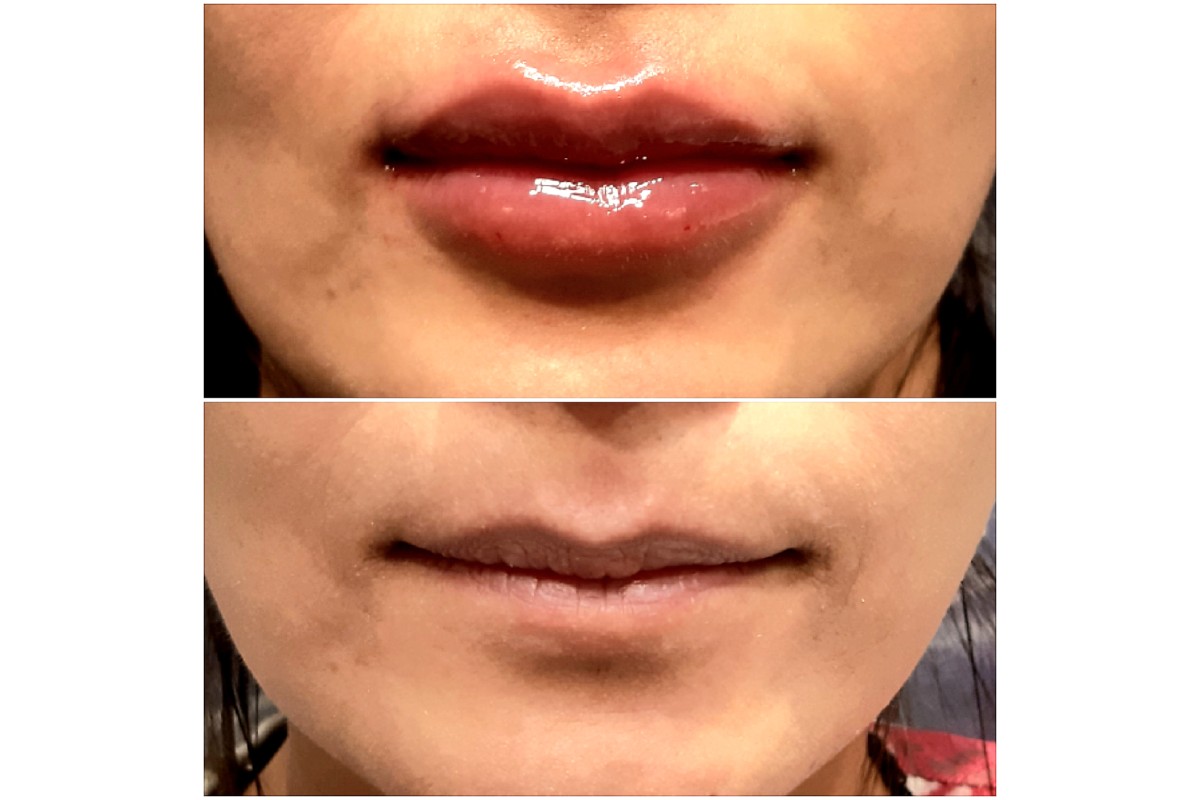
Lip filler introduces volume during the procedure, but temporary swelling can affect the early appearance.
Neither procedure should be judged solely by the appearance immediately after treatment.
How Long Do Results Last?
Both treatments are temporary, but their typical duration differs. According to Cleveland Clinic, a lip flip generally lasts two to five months. Hyaluronic acid fillers may last around six to twelve months, although some lip filler products and individual results can last longer.
Duration depends on the product, anatomy, and individual response. These ranges are estimates, not guarantees, and maintenance should be discussed during a consultation.
What About Cost?
A lip flip may have a lower initial price than lip filler, but its shorter duration can mean more frequent maintenance appointments. Lip filler may cost more upfront, yet some products last longer, potentially reducing how often treatment is repeated.
Compare the estimated annual cost, not just one appointment. Ask about current pricing, follow-up visits, and maintenance needs. Neither option is automatically more cost-effective, and prices vary by provider and treatment plan.
What Are the Risks and Limitations?
Both procedures have potential side effects, and their risks are not interchangeable. A lip flip can affect normal lip function, while filler can cause injection-related complications, including rare but serious blood vessel problems. Understanding these differences is necessary before considering either treatment.
Lip Flip Risks
Changing muscle activity around the mouth may temporarily affect:
- Drinking through a straw
- Controlling liquids
- Pronouncing certain sounds
- Puckering or moving the lips
- Smiling normally
These effects vary between individuals and may persist until the medication's action diminishes.
Lip Filler Risks
Possible effects include swelling, bruising, tenderness, lumps, asymmetry, and infection.
Rare complications involving blood vessel blockage can cause tissue injury, vision loss, or other serious harm.
Severe or unusual pain, significant skin colour changes, sudden vision problems, or stroke-like symptoms during or after filler treatment require immediate medical attention.
Learn more about the clinic's dermal filler services.
Can Either Treatment Be Reversed?
Certain hyaluronic acid fillers may be reduced or dissolved with an additional procedure, although reversal is not guaranteed and carries risks.
A lip flip cannot be dissolved in the same way. Its muscle-related effects generally diminish over time.
Neither procedure should be approached as a risk-free experiment.
What Should You Ask During a Lip Filler Consultation in Thornhill or Whitby?
A useful consultation should clarify your goal, assess suitability, and explain realistic limitations before any treatment is recommended. You should understand what may change, what cannot reasonably be expected, and which risks are relevant to your health and treatment history.
Consider asking:
- Is my concern related mainly to lip volume or movement?
- How might treatment affect my natural smile?
- What results would be realistic for my lip shape?
- What complications and recovery considerations apply?
- Are there reasons I should postpone or avoid treatment?
For people considering lip enhancement in Thornhill or Whitby, Amazing New Face provides information about its lip filler treatment.
If you would like to discuss your goals and whether lip filler may be appropriate, you can request a consultation with Amazing New Face.
Frequently Asked Questions
Is a lip flip better than lip filler for thin lips?
Not necessarily. Lip filler adds physical volume, while a lip flip changes how the upper-lip muscles move without adding tissue. If your lips appear thin even when your face is relaxed, filler may be more relevant to your goal. However, lip anatomy, medical history, and expectations must be assessed before deciding whether either procedure is appropriate.
Can a lip flip make lips look fuller without filler?
A lip flip may make more of the existing upper lip visible by changing how it moves, particularly during certain facial expressions. However, it does not increase actual lip volume. The visible difference depends on individual anatomy and muscle activity. Someone seeking noticeably fuller lips may therefore have a different goal from someone concerned mainly about upper-lip movement.
Which treatment looks more natural?
Neither treatment is automatically more natural-looking. The appearance depends on your existing lip shape, facial proportions, treatment planning, and desired degree of change. Lip filler affects volume and definition, while a lip flip changes muscle activity. A subtle result at rest may still affect your smile, so both appearance and normal facial movement deserve consideration.
Can lip flip and lip filler be combined?
Both approaches may sometimes be considered within an individualized treatment plan, but combining them does not guarantee a better or more natural-looking result. Each procedure has different effects, limitations, and potential complications. A qualified healthcare professional should assess your anatomy, treatment history, and goals before determining whether combining procedures is appropriate or whether a simpler approach makes more sense.
What happens if I dislike the results?
The available options depend on which procedure was performed and the nature of the concern. Certain hyaluronic acid fillers may be reduced or dissolved, although this involves additional risks and may not fully restore the original appearance. Lip flip effects generally diminish as the medication wears off. Contact your treating provider for an individualized assessment rather than attempting corrections yourself.
Who may not be suitable for treatment?
Not everyone is a suitable candidate for injectable lip enhancement. Medical conditions, allergies, medications, previous treatment complications, and certain anatomical factors may affect suitability. Pregnancy or breastfeeding can also influence treatment decisions because available safety information may be limited. A qualified healthcare professional should review your medical history, explain potential risks, and determine whether treatment should proceed, be postponed, or be avoided.
Summary
Choosing between a lip flip and lip filler starts with understanding whether your concern involves upper-lip movement or actual volume. Both approaches have different limitations, risks, and effects on appearance. A consultation can help you assess your goals, understand realistic possibilities, and decide whether treatment is appropriate—or whether maintaining your natural appearance is the better choice.
About Amazing New Face
Amazing New Face provides aesthetic services at its Thornhill and Whitby locations in Ontario. Its website includes information about dermal fillers, lip enhancement, and other cosmetic treatments. People considering lip filler can explore available service information and request a consultation to discuss their aesthetic goals, previous treatments, and questions about suitability. Individual assessment matters because anatomy, expectations, and treatment risks differ.
