
Amazing New Face Blog
Cheek Filler Swelling: What Should You Discuss at a Follow-Up?
Hits: 17
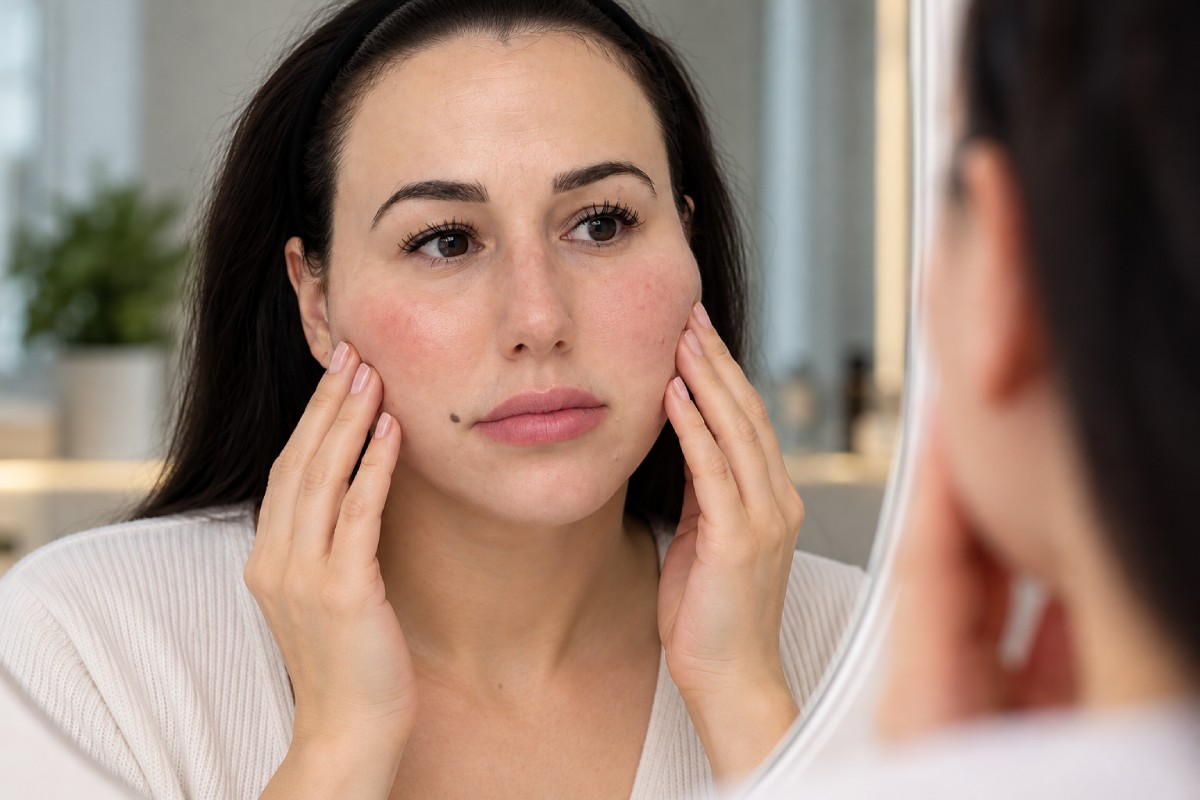
Your cheeks may look fuller than expected after cheek filler treatment, or one side may appear more swollen than the other. Is this part of normal recovery, or should you contact your provider?
Swelling is a common reaction to dermal fillers, but its severity and duration vary. A follow-up appointment allows your provider to assess recovery, discuss concerns, and determine whether further evaluation is necessary.
This guide explains what to monitor after cheek filler, which questions to ask, and when swelling may require medical attention.
Table of Contents
- At a Glance – Key Takeaways
- What Is Normal Swelling After Cheek Filler?
- What Should You Discuss at a Cheek Filler Follow-Up?
- How Can Swelling Affect Facial Balance?
- When Does Cheek Filler Swelling Need Medical Attention?
- Should You Consider More Filler at Your Follow-Up?
- How Can Follow-Up Care Support Future Treatment Planning?
- Frequently Asked Questions
- Summary
- About Amazing New Face
At a Glance – Key Takeaways
- Mild swelling, tenderness, and bruising can occur after cheek filler.
- Uneven swelling may temporarily affect facial symmetry.
- Recovery depends on individual factors and treatment details.
- Persistent or worsening symptoms require professional assessment.
- Additional filler is not automatically necessary at a follow-up.
- Understanding recovery helps support informed treatment decisions.
What Is Normal Swelling After Cheek Filler?
Mild swelling after cheek filler is a common response to treatment. It may occur with temporary redness, tenderness, or bruising around the treated area. These effects often improve as tissues recover, although the timing varies between individuals. A follow-up helps determine whether healing is progressing as expected.
Why Does Swelling Happen?
Dermal filler procedures involve placing material beneath the skin, which can trigger a temporary tissue response.
The amount of swelling may depend on:
- Treatment area: Different cheek regions may respond differently.
- Individual sensitivity: Tissue responses vary between people.
- Filler characteristics: Different formulations may produce different reactions.
- Previous treatments: Existing filler and treatment history may influence assessment.
- Health factors: Medical history and medications may affect recovery considerations.
Swelling alone does not necessarily indicate a complication. However, unusual or worsening symptoms should not be dismissed.
How Long Does Swelling Last?
Swelling and bruising often improve over several days, although some reactions can persist longer.
There is no universal recovery timeline. The filler used, individual tissue response, and treatment details all influence healing.
Ask your provider what recovery pattern is expected for your specific procedure.
What Should You Discuss at a Cheek Filler Follow-Up?
A cheek filler follow-up should focus on changes in swelling, tenderness, symmetry, and overall appearance. Your provider may review treatment history, evaluate remaining symptoms, and discuss whether additional observation or assessment is appropriate. The appointment should also clarify which changes require attention after you leave.
Has the Swelling Improved?
Explain how your cheeks have changed since treatment.
Useful observations include:
- Whether swelling has decreased.
- Whether one cheek remains noticeably fuller.
- Whether tenderness has improved.
- Whether firmness or redness has developed.
- Whether new symptoms have appeared.
Dated photographs may help illustrate changes, but they cannot replace a professional examination.
Is Uneven Swelling Expected?
Natural facial asymmetry can become more noticeable when swelling develops.
Your provider may consider facial anatomy, treatment placement, and remaining swelling before evaluating the appearance.
Ask whether differences are likely to change during recovery or require further investigation.
What Aftercare Should You Follow?
Confirm whether your original aftercare instructions still apply.
Discuss any concerns about pressure on the treated area, skin-care products, exercise, or everyday activities.
Avoid massaging the cheeks unless specifically instructed by an appropriately qualified healthcare professional.
How Can Swelling Affect Facial Balance?
Swelling may temporarily change cheek fullness, symmetry, and the relationship between facial features. One cheek may appear more prominent, or the midface may look fuller than expected. Because the appearance can change during recovery, decisions about further treatment should not rely entirely on early observations.
Why Might Your Cheeks Look Uneven?
Facial structure, tissue distribution, and natural asymmetry influence how cheeks appear before and after filler.
Temporary swelling may exaggerate these differences.
A careful assessment considers your original facial proportions rather than assuming every visible difference requires correction.
Can You Evaluate Natural-Looking Results Immediately?
It may be difficult to judge natural-looking filler results while swelling remains.
Early fullness does not always represent the eventual appearance. Allowing sufficient time for assessment can help prevent premature decisions about additional treatment.
Facial balance with fillers also involves considering surrounding features, skin characteristics, and individual expectations.
For more information about different treatment areas, read Cheek Fillers vs Jawline Fillers: Which Gives the Best Lift?.
When Does Cheek Filler Swelling Need Medical Attention?
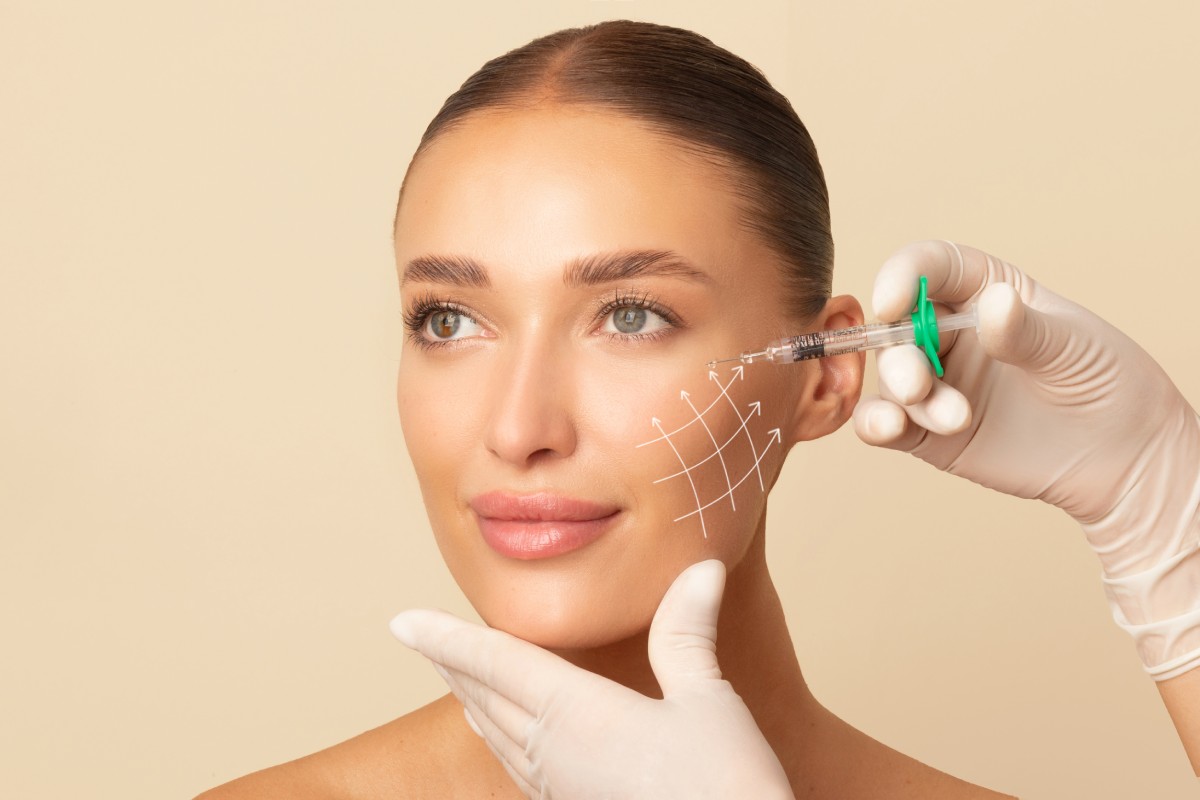
Swelling that progressively worsens, returns unexpectedly, or develops alongside concerning symptoms should be professionally assessed. Severe pain, unusual skin colour changes, or visual disturbances are not typical recovery symptoms. Although serious complications are uncommon, prompt medical attention is important when warning signs occur.
Which Symptoms Should You Watch For?
Contact your treating provider promptly if you experience:
- Increasing swelling or tenderness.
- Persistent or worsening redness.
- New lumps or unusual firmness.
- Unexpected changes in skin appearance.
- Swelling that returns after initially improving.
These symptoms do not establish a diagnosis, but they may require examination.
Seek emergency medical attention immediately for sudden vision changes, severe unusual pain, pale or dusky skin discoloration, or stroke-like symptoms. Do not wait for a scheduled follow-up.
Can Swelling Develop Later?
Delayed inflammatory reactions can occur after dermal filler treatment, sometimes following an initially uncomplicated recovery.
New swelling, tenderness, or redness weeks or months later should be discussed with a qualified healthcare professional.
Provide details about previous filler treatments, including the treatment area and product information when available.
Should You Consider More Filler at Your Follow-Up?
Additional cheek filler is not automatically needed during a follow-up. Remaining swelling can make facial proportions difficult to evaluate accurately. Before considering further treatment, your provider should review recovery, previous filler placement, individual anatomy, and expectations to determine whether observation or another approach is appropriate.
Why Does Conservative Planning Matter?
Adding filler before existing swelling has been adequately assessed may complicate the evaluation of facial balance.
Conservative filler treatment planning focuses on understanding the current condition before making further changes.
The goal is not necessarily to add more volume, but to determine whether additional treatment is appropriate.
What If You Are Unhappy with the Appearance?
Explain what concerns you, whether it involves cheek fullness, asymmetry, or differences from your expectations.
Your provider should discuss what may still change during recovery and what might require additional evaluation.
Management options depend on the filler material and clinical findings. Not every filler can be adjusted or removed in the same way.
Learn more about the considerations involved in cheek filler treatment.
When Might Additional Cheek Filler Not Be Appropriate?
Additional cheek filler may not be appropriate when swelling remains, recovery is incomplete, or the previous treatment caused an unexpected reaction. Certain medical conditions, treatment history, or individual facial characteristics may also require further assessment before considering another procedure.
Other situations to discuss include:
- Remaining swelling: Temporary fullness may make it difficult to assess facial proportions accurately.
- Unexpected reactions: Persistent discomfort, unusual swelling, or other concerns may require medical evaluation.
- Relevant medical history: Certain health conditions, medications, or previous filler complications may influence treatment suitability.
- Different aesthetic goals: Concerns involving skin quality, facial structure, or proportions may not be addressed by adding volume.
A follow-up consultation can help determine whether further observation, a different approach, or no additional treatment is appropriate.
- Cheek Filler or Under-Eye Filler for a Tired Look? What a Facial Assessment Considers
- Cheek Fillers 101: Which Type Gives the Best Lift?
- How Long Do Cheek Fillers Last? Maintenance Tips & Costs
How Can Follow-Up Care Support Future Treatment Planning?
A follow-up helps connect your recovery experience with future aesthetic decisions. By reviewing symptoms, facial proportions, and treatment expectations, your provider can better understand your individual response. Future treatment should be based on suitability and informed preferences rather than an assumption that additional filler is always necessary.
What Should Be Reviewed?
Important considerations include:
- Your response to the previous treatment.
- Whether swelling and tenderness have resolved.
- Existing facial proportions and skin characteristics.
- Previous filler treatment history.
- Your current aesthetic preferences.
- Whether further treatment is appropriate.
A previous result does not guarantee an identical response to another procedure.
What Should You Ask at a Cheek Filler Follow-Up in Thornhill or Whitby?
Ask whether another follow-up is needed, which symptoms should prompt medical attention, and when the appearance can be reassessed.
For individuals considering dermal fillers in Thornhill, Whitby, or the GTA, an aesthetic consultation should provide an opportunity to understand treatment limitations and realistic expectations without pressure.
Request a Consultation at Amazing New Face
If you have questions about cheek filler swelling, recovery expectations, or future treatment planning, Amazing New Face offers consultations at its Thornhill and Whitby locations.
You can request a consultation to discuss your concerns, review available options, and learn what an individualized assessment may involve. For urgent or worsening symptoms, seek appropriate medical care instead of waiting for a routine consultation.
Frequently Asked Questions About Cheek Filler Swelling
1. Is it normal for one cheek to be more swollen than the other?
Some uneven swelling may occur after cheek filler treatment, and natural facial asymmetry can make differences more noticeable. However, appearance alone cannot determine the cause. If swelling becomes increasingly uneven, painful, or concerning, contact your treating provider. A follow-up can help determine whether further evaluation is needed.
2. How long should I wait before judging my cheek filler results?
The appropriate assessment time depends on the filler used, your recovery, and remaining swelling. Early fullness may change as tissues settle. Ask your provider when the treated area can be reliably reassessed. Avoid deciding on additional filler solely because your cheeks look different during the initial recovery period.
3. Can Cheek Filler Swelling Return After It Improves?
Yes. Delayed inflammatory reactions can sometimes occur following dermal filler treatment. If swelling returns, particularly alongside redness, tenderness, or other unexpected changes, contact a qualified healthcare professional. The cause should be evaluated rather than automatically attributed to normal recovery, even if your initial healing seemed uncomplicated.
4. Should I massage my cheeks if they feel swollen?
Do not massage or manipulate the treated area unless your treating provider specifically recommends it. Appropriate aftercare depends on treatment details and individual circumstances. If your cheeks feel unusually firm, uncomfortable, or uneven, discuss these symptoms with your provider before attempting to change the appearance yourself.
5. Does a follow-up mean I will need additional cheek filler?
No. A follow-up is primarily an opportunity to assess recovery, review concerns, and discuss treatment expectations. Additional filler may not be appropriate, particularly when swelling remains. Your provider should consider facial anatomy, previous treatment, and individual goals before determining whether any further procedure should be discussed.
6. What should I bring to my cheek filler follow-up?
Bring a list of concerns, relevant aftercare instructions, and dated photographs documenting recovery if available. Explain when symptoms began and whether they have improved or worsened. Share relevant medical history and medication information with the qualified clinician. These details can support a more informed assessment of your condition.
Summary
Cheek filler swelling can temporarily affect facial appearance and make symmetry difficult to evaluate. A follow-up allows you to discuss recovery, identify concerning changes, and understand whether additional assessment is appropriate. Clear communication, realistic expectations, and individualized treatment planning support informed decisions without rushing into further procedures.
About Amazing New Face
Amazing New Face is an aesthetic clinic with locations in Thornhill and Whitby, Ontario. Its services include dermal fillers and other skin-focused aesthetic treatments.
The clinic offers consultations for individuals interested in discussing facial aesthetic concerns, treatment options, and realistic expectations. People considering cheek filler can ask about suitability, recovery, potential risks, and individualized treatment planning.
Because facial anatomy, medical history, and personal goals vary, a consultation provides an opportunity to review relevant factors before deciding whether to proceed with treatment.
