
Amazing New Face Blog
PRP in Whitby: What Should You Ask Before Choosing a Skin or Hair Treatment Plan?
Hits: 29
Considering PRP for your skin or hair but unsure whether it is the right choice? Before deciding, it is important to understand how the procedure works, what results are realistic, and which questions to ask.
A PRP consultation in Whitby should focus on your individual concerns rather than recommending the same treatment for everyone. Skin texture and hair thinning involve different considerations and may require different approaches.
This guide explains what to discuss before choosing a PRP treatment plan, including suitability, potential risks, expectations, and follow-up care.
Table of Contents
- At a Glance – Key Takeaways
- What Should You Know About PRP?
- How Do Skin and Hair Treatment Goals Differ?
- What Should You Ask During a PRP Consultation in Whitby?
- How Is a PRP Treatment Plan Personalized?
- What Results and Risks Should You Discuss?
- When Might PRP Not Be Appropriate?
- How Can You Prepare for Your Consultation?
- Frequently Asked Questions
- Summary
- About Amazing New Face
At a Glance – Key Takeaways
- PRP uses platelet-rich plasma prepared from your blood.
- Skin and hair concerns require different assessments.
- Individual results vary and cannot be guaranteed.
- Medical history influences treatment planning.
- PRP and mesotherapy are different procedures.
- Discuss risks, costs, alternatives, and follow-up before proceeding.
What Should You Know About PRP?
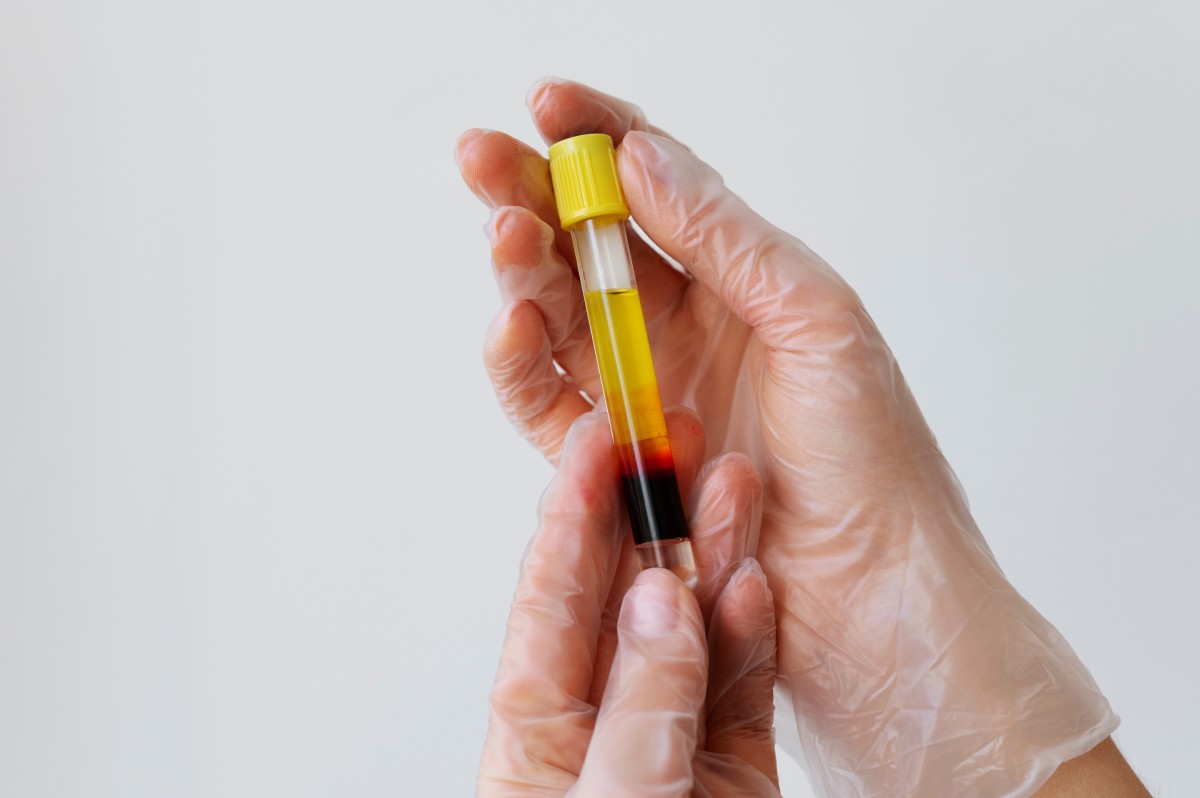
Platelet-rich plasma (PRP) is prepared by collecting and processing a blood sample to concentrate platelets within the plasma. Platelets contain growth factors involved in normal tissue repair. PRP has been studied for certain hair-loss conditions and aspects of skin rejuvenation, although the available evidence varies.
How Does PRP Work?
PRP procedures use a concentrated preparation derived from the person's blood. The preparation and administration methods depend on the intended application.
Researchers have investigated its potential effects on tissue repair and hair growth. However, these biological processes do not guarantee visible cosmetic improvements.
Individual outcomes depend on the concern being addressed and other personal factors.
Is PRP Different from Mesotherapy?
Yes. PRP uses plasma prepared from a person's blood, while mesotherapy involves delivering substances into the skin or scalp.
During a mesotherapy consultation in Whitby, ask what ingredients are proposed, why they are recommended, and what evidence supports their use.
Neither approach is automatically appropriate for every concern.
How Do Skin and Hair Treatment Goals Differ?
PRP treatment planning should begin by identifying the concern. Someone exploring improvements in skin texture may need a different assessment from someone experiencing hair thinning. The available evidence, possible outcomes, and treatment considerations also differ between these applications.
PRP for Skin Rejuvenation
People considering skin rejuvenation in Whitby may be concerned about texture, elasticity, or overall skin quality.
Research has examined PRP for facial rejuvenation, with some studies reporting improvements in certain skin measurements.
However, evidence remains limited or inconsistent for some outcomes.
Ask which specific concern the proposed treatment is intended to address and whether research supports that expectation.
For further information, read about PRP versus microneedling for facial skin.
PRP for Hair Concerns
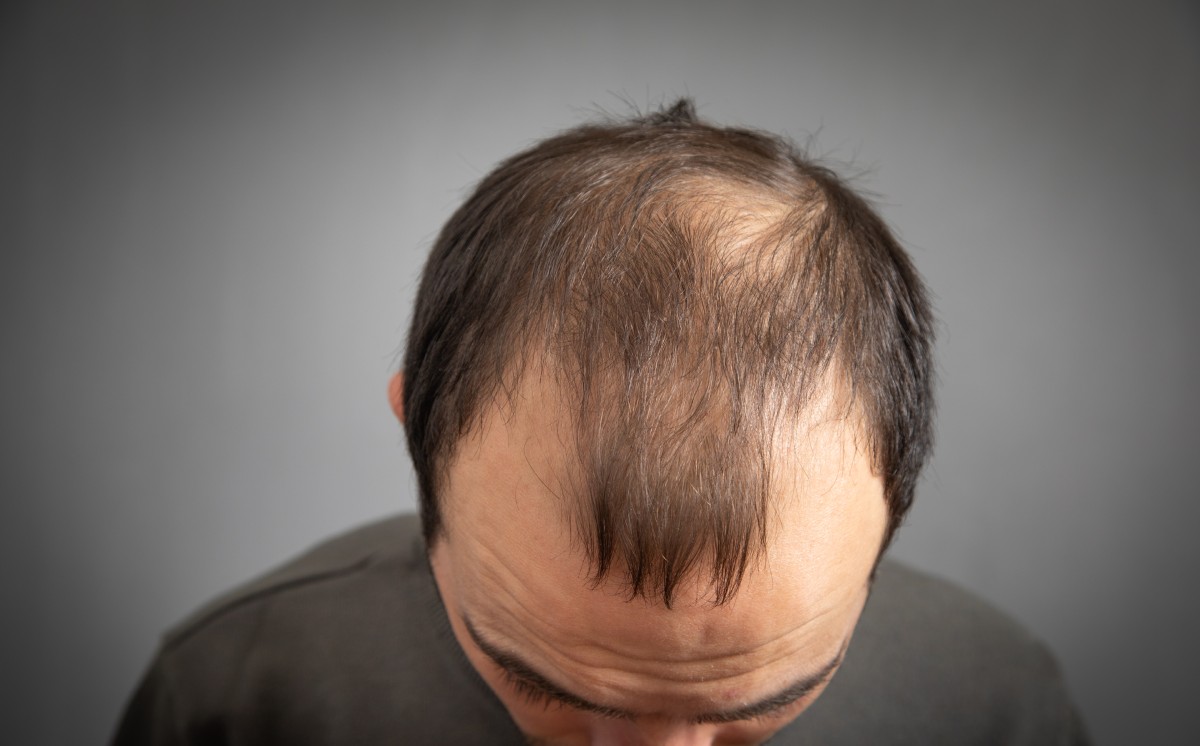
Hair thinning can have several causes, including hereditary patterns, medical conditions, and medication-related changes.
PRP has been studied for androgenetic alopecia (pattern hair loss), including male pattern hair loss. Some studies suggest potential improvements in hair density, but research findings vary, and the available evidence does not establish that PRP is effective for every type of hair loss.
A hair treatment consultation should consider the pattern and history of hair changes.
If the cause remains unclear, further medical assessment may be appropriate before selecting an aesthetic procedure.
What Should You Ask During a PRP Consultation in Whitby?
A PRP consultation in Whitby should provide enough information to support an informed decision. Discuss how the procedure works, why it is recommended, potential complications, realistic outcomes, and available alternatives. The practitioner should also explain relevant costs and answer your questions before you consent.
Questions About the Procedure
Consider asking:
- How is the blood collected and processed?
- How will the PRP be administered?
- Who performs the procedure, and what qualifications do they hold?
- What infection-control precautions are followed?
- What discomfort or reactions might occur?
The answers should describe the specific procedure being proposed.
Questions About Treatment Expectations
Ask what the treatment is intended to achieve and how progress would be evaluated.
You should also understand which outcomes are supported by research and which remain uncertain.
If another procedure is suggested, ask how its purpose and risks differ.
Questions About Cost
Before proceeding, ask about the price per appointment, any proposed treatment series, and possible additional expenses.
Understanding the complete financial commitment helps prevent unexpected costs.
How Is a PRP Treatment Plan Personalized?
PRP treatment planning should reflect individual goals, relevant medical history, previous procedures, and assessment findings. People with similar concerns may still receive different recommendations. Personalization also involves determining whether PRP is appropriate or whether another treatment or medical evaluation deserves consideration.
Why Medical History Matters
Before a procedure involving blood collection or skin penetration, relevant health information should be reviewed.
This may include:
- Current medications and allergies.
- Previous aesthetic procedures.
- Bleeding-related concerns.
- Relevant medical conditions.
- Infections or healing concerns.
Do not change prescribed medication without guidance from an appropriate healthcare professional.
Why Treatment Plans May Differ
Skin and hair concerns involve different expectations.
Someone concerned about facial texture may have different priorities from someone experiencing progressive hair thinning.
Assessment findings, personal preferences, treatment risks, and available evidence can influence recommendations.
There is no universal treatment schedule suitable for everyone.
Should PRP Be Combined with Other Procedures?
Not necessarily.
PRP may be discussed alongside other aesthetic treatments, but combining procedures does not automatically improve results.
Ask what each treatment is intended to accomplish and whether the combination has supporting evidence.
For local service information, visit Hair Mesotherapy and PRP in Whitby.
What Results and Risks Should You Discuss?
PRP outcomes vary, and no specific improvement can be guaranteed. Research suggests potential benefits for certain skin-quality measurements and hair-loss concerns, but findings are not consistent across all applications. Discuss realistic expectations, possible complications, recovery considerations, and follow-up arrangements before deciding.
What Results Are Realistic?
Research has examined PRP for skin elasticity, texture, and certain hair-density outcomes.
Some findings are encouraging, but differences in study methods and individual responses create uncertainty.
Not everyone experiences noticeable improvement.
Ask which results are reasonably supported by evidence for your particular concern.
Are There Possible Side Effects?
PRP procedures may involve risks associated with blood collection and skin penetration.
Possible complications include discomfort, bruising, swelling, bleeding, and infection.
Your provider should explain risks related to the proposed procedure and any personal factors that may affect suitability.
What Happens After Treatment?
Ask how progress will be assessed and whether follow-up appointments may be recommended.
You should also know whom to contact if unexpected symptoms occur.
Concerning symptoms should be discussed with the treating clinic or an appropriate healthcare professional. Serious symptoms may require urgent medical attention.
When Might PRP Not Be Appropriate?
PRP is not suitable for everyone. Certain medical conditions, unclear treatment goals, or concerns about procedure-related risks may require further assessment. In some cases, investigating the underlying cause of skin or hair changes should take priority over cosmetic treatment.
When Is Medical Assessment Important?
Unexplained hair shedding, sudden changes in hair density, or possible scalp conditions may require medical evaluation.
Similarly, an undiagnosed skin lesion or active infection may need assessment before considering an aesthetic procedure.
PRP should not replace necessary medical care.
What If Expectations Are Unrealistic?
A consultation should explain what the evidence supports and what remains uncertain.
If PRP is unlikely to meet your expectations, another approach or no treatment may be reasonable.
You should feel comfortable declining or postponing a procedure.
- PRP for Facial Skin After 40: What Should a Consultation Consider?
- Examining the Difference Between PRP and Skin Boosters in Facial Rejuvenation
- PRP for Dark Circles and Puffiness Under the Eyes: Does It Really Work?
How Can You Prepare for Your Consultation?
Preparing for a PRP consultation involves identifying your concerns and gathering relevant health information. You do not need to select a treatment beforehand. Bring questions about the proposed procedure, expected outcomes, risks, alternatives, and costs so you can make a considered decision.
Before your appointment, consider noting:
- Your main skin or hair concern.
- When you first noticed changes.
- Previous treatments and experiences.
- Current medications and allergies.
- Questions about expectations and expenses.
For location information, visit Amazing New Face in Whitby.
Request a Consultation
If you are considering PRP for skin or hair concerns, a personalized consultation can help you better understand your options and make an informed decision. At Amazing New Face in Whitby, you can discuss your individual goals, ask questions about the procedure, and explore realistic treatment expectations. To take the next step, you can request a consultation and learn which approach may be appropriate for your needs.
Frequently Asked Questions About PRP in Whitby
1. What should I ask at my first PRP consultation?
Ask how the procedure works, why it is recommended, and what results are realistic. Discuss the practitioner's qualifications, potential risks, alternatives, costs, and follow-up arrangements. A consultation should give you sufficient information to decide whether the proposed treatment matches your goals.
2. Is PRP suitable for both skin and hair concerns?
PRP has been studied for certain skin-quality concerns and forms of hair loss. However, evidence differs between applications, and individual suitability depends on assessment findings and medical history. A consultation can help determine whether PRP deserves consideration for your particular concern.
3. How many PRP sessions will I need?
There is no universal treatment schedule. Recommendations depend on the concern being addressed, the proposed procedure, and individual assessment findings. Ask why a particular schedule is suggested, what evidence supports it, and whether the plan may change following an evaluation of your response.
4. Is PRP better than mesotherapy for hair treatment?
Neither treatment is automatically better for everyone. PRP uses a blood-derived preparation, while mesotherapy can involve different substances and methods. Their suitability depends on the particular concern, treatment details, and supporting evidence. Discuss the potential benefits, limitations, and risks of each approach.
5. Can PRP guarantee visible improvements?
No. PRP cannot guarantee a particular improvement in skin appearance or hair density. Individual responses vary depending on the treatment area, personal health factors, and the specific concern being addressed. Some people may experience limited or no noticeable changes. During your consultation, discuss realistic expectations, possible limitations, and how treatment progress would be evaluated before proceeding.
6. Can I attend a consultation without booking treatment?
Yes. A consultation allows you to gather information, discuss your concerns, and explore alternatives before deciding. You can ask about suitability, possible complications, costs, and expected outcomes without committing to a procedure. Choosing not to proceed can be an informed decision.
Summary
Choosing PRP for skin or hair concerns should begin with understanding your individual needs. A consultation in Whitby can clarify suitability, risks, costs, realistic expectations, and alternative approaches. Asking informed questions helps you decide whether PRP is appropriate without relying on promises or assumptions.
About Amazing New Face
Amazing New Face is an aesthetic clinic with locations in Whitby and Thornhill, Ontario. Its services include mesotherapy and PRP alongside other skin-focused aesthetic treatments.
The clinic emphasizes individualized consultations that consider each person's concerns, treatment goals, and relevant health information. These discussions help clarify available options, realistic expectations, and factors that may influence treatment planning.
Individuals considering PRP can request a consultation to discuss their concerns, learn about available services, and ask questions about the proposed treatment process before deciding whether to proceed.
