
Amazing New Face Blog
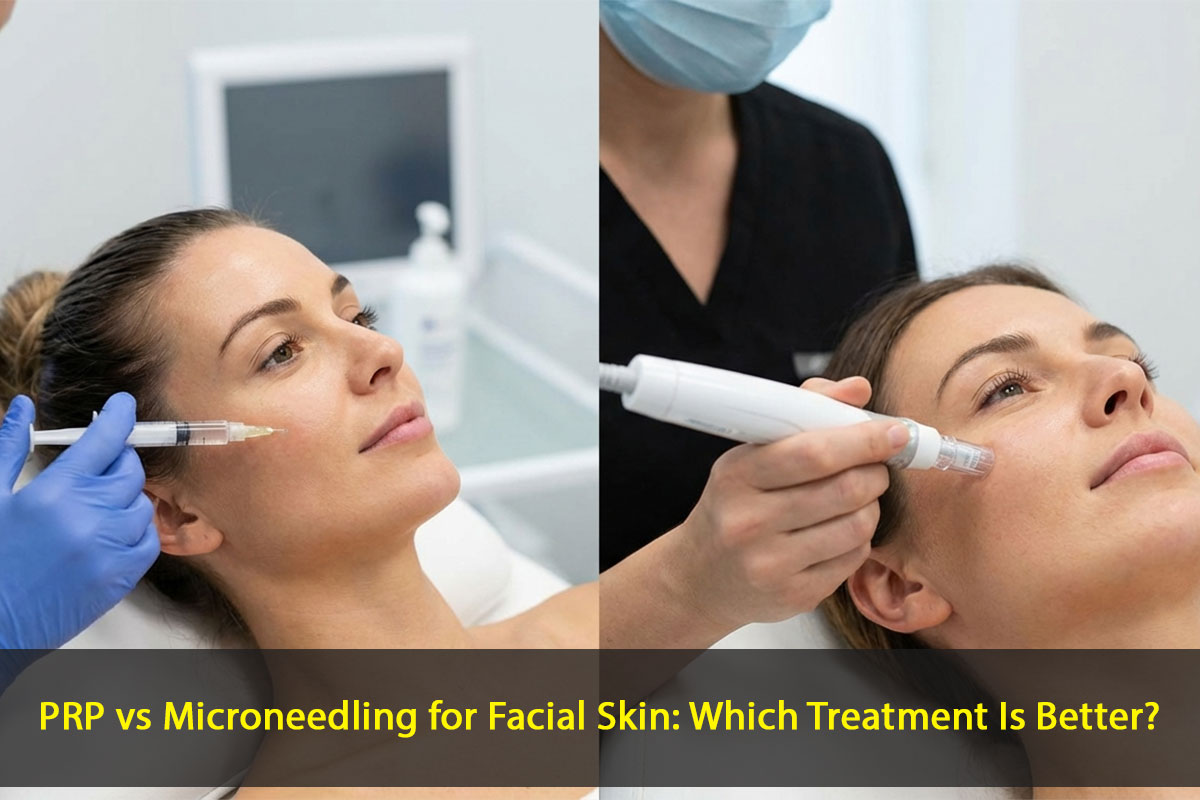
PRP vs Microneedling for Facial Skin: Which Treatment Is Better?
Hits: 483
Healthy, smooth, and glowing skin is a goal for many people. However, issues such as acne scars, wrinkles, uneven texture, and dull skin can make achieving that goal difficult. Thanks to advances in aesthetic medicine, several treatments now help stimulate the skin’s natural healing process and restore a youthful appearance.
Two of the most popular options today are PRP facial treatment and microneedling.
Many people researching skin rejuvenation eventually ask the same question:
Is PRP better for facial skin or microneedling?
The answer depends on your skin concerns, treatment goals, and the results you expect. Both procedures are effective, but they work in different ways.
Understanding Skin Rejuvenation and Collagen Production
To understand these treatments, it helps to know how skin aging occurs.
Your skin naturally renews itself through collagen production and cell turnover. Collagen is the protein responsible for keeping skin firm, smooth, and elastic.
However, collagen production gradually decreases with age. Dermatology research suggests that people may lose around 1% of collagen each year after the age of 25.
This gradual decline can lead to:
- Fine lines and wrinkles
- Uneven skin texture
- Enlarged pores
- Acne scars
- Loss of firmness and elasticity
Modern skin treatments aim to stimulate the body’s natural repair mechanisms, encouraging new collagen and healthier skin cells.
Two of the most common approaches are:
- PRP facial therapy
- Microneedling treatment
Although they share the same goal-skin regeneration-their methods are different.
What Is PRP Facial Treatment?
PRP (Platelet‑Rich Plasma) therapy is a regenerative treatment that uses components from your own blood to rejuvenate the skin.
It has gained popularity in dermatology and aesthetic medicine because it supports natural skin healing and collagen production.
How PRP for Facial Skin Works
A PRP facial treatment usually includes the following steps:
- A small amount of blood is drawn from your arm.
- The blood is placed in a centrifuge to separate the platelet‑rich plasma.
- The concentrated plasma is collected.
- The PRP is injected into the skin or applied during a facial treatment.
Platelets contain growth factors, which are proteins that help repair tissue and stimulate new cell growth.
When PRP is applied to the skin, these growth factors encourage:
- Collagen production
- Tissue regeneration
- Improved skin elasticity
- Healthier skin cells
Because the treatment uses your own biological material, the risk of allergic reactions is extremely low.
Benefits of PRP for Facial Skin
PRP therapy is often recommended for people who want natural-looking skin rejuvenation.
Some of the most common benefits include:
- Improved skin tone and texture
- Reduction in fine lines and wrinkles
- Increased collagen production
- Brighter and healthier-looking skin
- Improvement in mild acne scars
- Better skin elasticity
Results typically appear gradually as the skin regenerates and collagen production increases.
What Is Microneedling?
Microneedling is a cosmetic procedure that uses tiny sterile needles to create controlled micro‑injuries in the skin.
Although it may sound uncomfortable, the procedure is carefully controlled and designed to trigger the skin’s natural healing response.
For this reason, microneedling is often called collagen induction therapy.
How Microneedling Works
During a microneedling session:
- The skin is cleansed and numbing cream is applied.
- A device with very fine needles moves across the skin.
- The needles create microscopic punctures in the skin.
- The skin responds by producing new collagen and elastin.
As the skin heals, it becomes firmer, smoother, and more even in texture.
Benefits of Microneedling
Microneedling has become one of the most widely used non‑surgical skin treatments because of its versatility.
Key benefits include:
- Reduction of acne scars
- Smoother skin texture
- Smaller pores
- Reduced wrinkles and fine lines
- Improved absorption of skincare products
- Enhanced skin firmness
Many dermatologists recommend microneedling for skin texture problems and scarring.
PRP vs Microneedling: What’s the Difference?
Although both treatments aim to rejuvenate the skin, they work through different mechanisms.
Treatment Method
PRP
Uses platelet‑rich plasma derived from your blood to stimulate tissue regeneration.
Microneedling
Uses tiny needles to create micro‑injuries that activate the body’s healing response.
How They Stimulate Collagen
PRP
Delivers growth factors directly into the skin to promote healing and collagen formation.
Microneedling
Triggers collagen production through controlled skin injury and repair.
Best Uses
PRP is often recommended for:
- Overall skin rejuvenation
- Dull or tired skin
- Early signs of aging
Microneedling is often preferred for:
- Acne scars
- Uneven texture
- Enlarged pores
Downtime
PRP typically has minimal downtime.
Microneedling may cause mild redness for 24–48 hours.
Speed of Results
Microneedling results may appear after a few weeks.
PRP results usually develop gradually over several weeks as collagen builds.
Can PRP and Microneedling Be Combined?
Yes, and many dermatology clinics recommend combining them.
This treatment is often called a PRP microneedling facial or sometimes a vampire facial.
Why the Combination Works Well
Microneedling creates small channels in the skin. When PRP is applied immediately afterward, the growth factors can penetrate deeper into the skin.
This combination may help:
- Accelerate healing
- Increase collagen production
- Improve skin texture faster
- Enhance overall skin radiance
Many advanced aesthetic clinics, including Amazing New Face clinic, use this combined approach to achieve more noticeable results for patients.
Which Treatment Is Better for Your Skin?
The best treatment depends on your skin concerns.
PRP May Be Better If You Want
- Natural skin rejuvenation
- Improved skin brightness
- Gradual anti‑aging results
- Minimal risk of allergic reaction
Microneedling May Be Better If You Want
- Improvement in acne scars
- Smoother skin texture
- Reduced pore size
- Faster visible improvements
Combination Treatments May Be Best If You Want
- Maximum collagen stimulation
- Improvement in both tone and texture
- More comprehensive skin rejuvenation
A qualified practitioner can evaluate your skin and recommend the most suitable treatment plan.
Not sure which treatment is right for your skin? A quick consultation can help you understand whether PRP, microneedling, or a combination will deliver the results you want. Book a visit at Amazing New Face Clinic and get a treatment plan tailored to your skin.
What Happens During the Treatment?
Microneedling Session
A typical microneedling appointment includes:
- Cleansing the skin
- Applying numbing cream
- Performing the microneedling procedure
- Applying soothing serums
The procedure usually takes 30–60 minutes.
PRP Facial Session
A PRP treatment usually involves:
- Drawing a small blood sample
- Separating platelet‑rich plasma using a centrifuge
- Injecting or applying PRP to the skin
- Providing post‑treatment care instructions
The session typically takes 45–60 minutes.
How Many Sessions Are Needed?
For optimal results, multiple sessions are usually recommended.
Typical treatment plans include:
- Microneedling: 3–6 sessions spaced about 4 weeks apart
- PRP facial: 3–4 sessions several weeks apart
Maintenance treatments may be recommended every 6–12 months.
Because collagen production takes time, improvements can continue for several months after treatment.
Possible Side Effects
Both treatments are generally safe when performed by trained professionals.
Microneedling Side Effects
- Redness
- Mild swelling
- Skin sensitivity for 1–2 days
PRP Side Effects
- Temporary redness
- Mild swelling
- Occasional bruising
Since PRP uses your own blood, allergic reactions are very rare.
Additional resources
- 5 Clear Signs You Should Consider PRP for Radiant Skin
- Can PRP Therapy Help with Acne Scars and Uneven Skin Tone?
- Which Whitby Clinic Uses HIFU, Microneedling, and PRP-all Under One Roof?
- How to Prepare Your Skin for Microneedling: 5 Pre-Treatment Steps
Frequently Asked Questions
Is PRP more effective than microneedling?
Both treatments improve skin quality and stimulate collagen. The better option depends on your skin condition and treatment goals.
How long do PRP facial results last?
Results can last 12 to 18 months, depending on your skin type, lifestyle, and skincare routine.
Does microneedling hurt?
Most clinics apply numbing cream before treatment, so discomfort is usually minimal.
Can microneedling remove acne scars?
Microneedling can significantly reduce the appearance of acne scars by stimulating collagen that fills in scarred areas.
Is PRP safe for all skin types?
Yes. Because PRP uses your own plasma, it is generally safe for most skin types.
Conclusion
Both PRP facial treatment and microneedling are powerful skin rejuvenation options.
PRP works by delivering growth factors that support natural skin regeneration, while microneedling stimulates collagen production through controlled micro‑injuries.
For people with acne scars or uneven texture, microneedling may be the better choice. For those seeking natural anti‑aging and skin rejuvenation, PRP can offer gradual and long‑lasting improvements.
In many cases, combining the two treatments provides the best results.
Why Choose Amazing New Face?
At Amazing New Face, we believe that beauty should be empowering, not stressful or overwhelming. Our approach is straightforward: every treatment is designed to help you feel confident, comfortable, and true to yourself.
From the moment you walk through our doors, you'll be welcomed by a warm and attentive team who listens to your concerns, understands your goals, and creates a personalized treatment plan just for you.
Our clinic is led by Alireza Hashemnejad, a skilled aesthetic specialist with over 20 years of experience. A graduate of Tehran University of Medical Sciences and a board member of the Canadian Academy of Facial Esthetics, Alireza is known for his precision, artistry, and gentle touch in advanced treatments like Botox, dermal fillers, PRP therapy, and HIFU.
With modern, welcoming clinics in Thornhill and Whitby, we proudly serve women across the GTA, including North York, Richmond Hill, Markham, Pickering, Ajax, and beyond. Whether you're experiencing your first treatment or maintaining long-term results, you can always expect honest guidance, expert care, and naturally beautiful outcomes.
Our Services
- Dermal Fillers – Restore volume, enhance facial contours, and smooth fine lines
• Botox Injections – Relax wrinkles and refresh your natural expression
• HIFU Facial Treatments – Lift and tighten your skin without surgery
• PRP Therapy – Rejuvenate your skin by using your own plasma to boost collagen
• RF Microneedling – Improve skin tone, texture, and firmness
• Skin Boosters – Deeply hydrate and brighten dull, tired skin
• Hair Regrowth Mesotherapy – Promote fuller, healthier hair growth
• Fat-Dissolving Injections – Target stubborn areas with minimal downtime
• Non-Surgical Facelifts – Achieve a youthful lift without invasive surgery
• Personalized Consultations – One-on-one expert recommendations tailored to your needs
Start Your Journey from Home
Starting your transformation has never been easier.
Whether you're considering a non-surgical facelift in Whitby, seeking skin rejuvenation in Thornhill, or just looking for trusted professional advice, Amazing New Face is here to guide you every step of the way with care and expertise.
