
Amazing New Face Blog
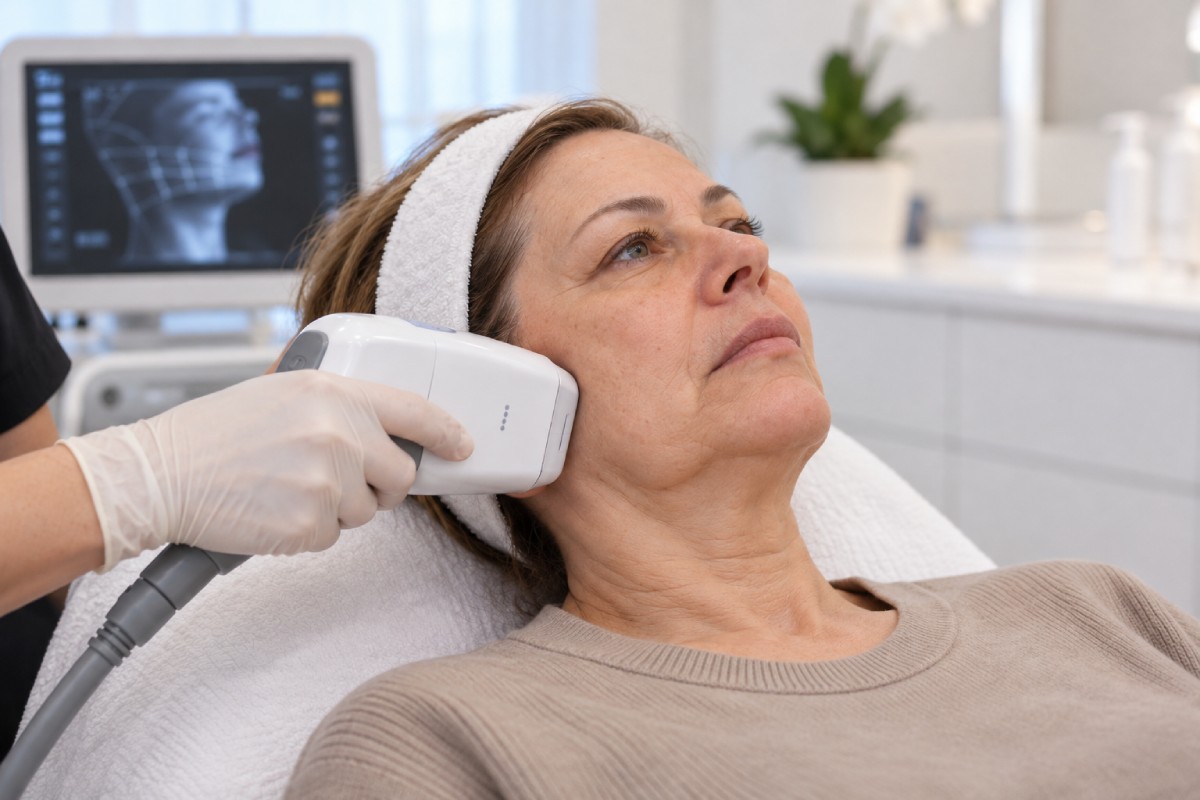
Why HIFU Results Vary: Skin Quality, Laxity, Treatment Area, and Expectations
Hits: 49
Why does one person notice firmer skin after HIFU treatment while another sees little visible improvement?
The difference often involves skin quality, skin laxity, treatment area, and individual response.
HIFU treatment uses focused ultrasound energy to target tissue beneath the skin. It may encourage collagen remodelling and modest skin tightening, but results are not identical for everyone.
Understanding these factors can help you set realistic expectations and decide whether HIFU deserves consideration.
Table of Contents
- At a Glance – Key Takeaways
- Why Do HIFU Treatment Results Vary?
- How Does Skin Quality Affect HIFU Results?
- Why Does Skin Laxity Matter?
- Does the Treatment Area Influence HIFU Results?
- What Results and Recovery Should You Realistically Expect?
- When Might HIFU Not Be Appropriate?
- What Should a HIFU Consultation in Thornhill or Whitby Include?
- Frequently Asked Questions
- Summary
- About Amazing New Face
At a Glance – Key Takeaways
- HIFU results depend on skin characteristics, laxity, anatomy, and treatment planning.
- Mild skin looseness may respond differently from significant sagging.
- Skin texture and facial volume loss are different from skin laxity.
- Jawline and neck treatments require different anatomical considerations.
- Improvements may develop gradually and are not guaranteed.
- Medical history and device restrictions affect suitability.
- Consultation helps establish realistic treatment expectations.
Why Do HIFU Treatment Results Vary?
HIFU treatment results vary because skin structure, tissue thickness, laxity, and individual healing responses differ. Device technology and treatment planning may also influence outcomes. Someone with mild looseness may notice subtle tightening, while another person with pronounced sagging may experience limited improvement.
HIFU stands for High-Intensity Focused Ultrasound. In aesthetic applications, focused ultrasound energy heats selected tissue beneath the skin to encourage remodelling.
Several factors can influence results:
- Skin firmness and elasticity
- Degree of skin laxity
- Treatment area and tissue characteristics
- Individual collagen response
- Device specifications and treatment approach
- Personal expectations
Different ultrasound devices have different intended uses and supporting evidence.
Some research examines high-intensity focused ultrasound (HIFU), while other studies focus on microfocused ultrasound (MFU) technologies. These approaches may differ in their technical characteristics and intended uses, so findings from one device should not automatically be applied to another.
A 2025 systematic review published in Aesthetic Surgery Journal reported promising findings for HIFU skin tightening while identifying limitations in the available research.
The important question is whether a particular treatment is suitable for your concern.
How Does Skin Quality Affect HIFU Results?
Skin quality can influence how noticeable HIFU results appear, but not every skin concern responds to tightening. Elasticity, texture, pigmentation, and facial volume are different characteristics. If your main concern involves acne scarring, uneven texture, or lost volume, HIFU alone may not address the underlying issue.
Skin firmness and elasticity
Collagen supports skin structure, while elastin contributes to flexibility.
Focused ultrasound may encourage tissue remodelling, but individual responses depend on skin characteristics and treatment factors.
Skin texture
Fine lines, acne scars, and pigmentation changes do not necessarily indicate loose skin.
Although certain ultrasound technologies have been studied for skin-quality improvements, those findings cannot automatically be applied to every device.
Facial volume
Changes in facial volume may affect the appearance of the cheeks and jawline.
However, skin tightening does not necessarily replace lost volume.
Understanding whether the main concern involves laxity, texture, or volume is an important part of HIFU treatment planning.
Why Does Skin Laxity Matter?
The degree of skin laxity affects what HIFU may realistically achieve. Non-surgical ultrasound tightening generally produces more modest changes than surgery. Mild to moderate looseness may be more consistent with the treatment's potential, while significant excess skin may require consideration of other approaches.
Skin laxity describes looseness that develops as skin and supporting tissues change.
Different levels of laxity involve different expectations:
- Mild laxity: Subtle looseness may be appropriate to discuss during a non-surgical tightening consultation.
- Moderate laxity: More noticeable sagging requires careful discussion about potential improvements.
- Significant laxity: Substantial excess skin may exceed what HIFU can reasonably address.
There is no single age or visible feature that determines suitability.
Anatomy, skin characteristics, medical history, and personal goals all matter.
HIFU should not be presented as a non-surgical equivalent of a facelift.
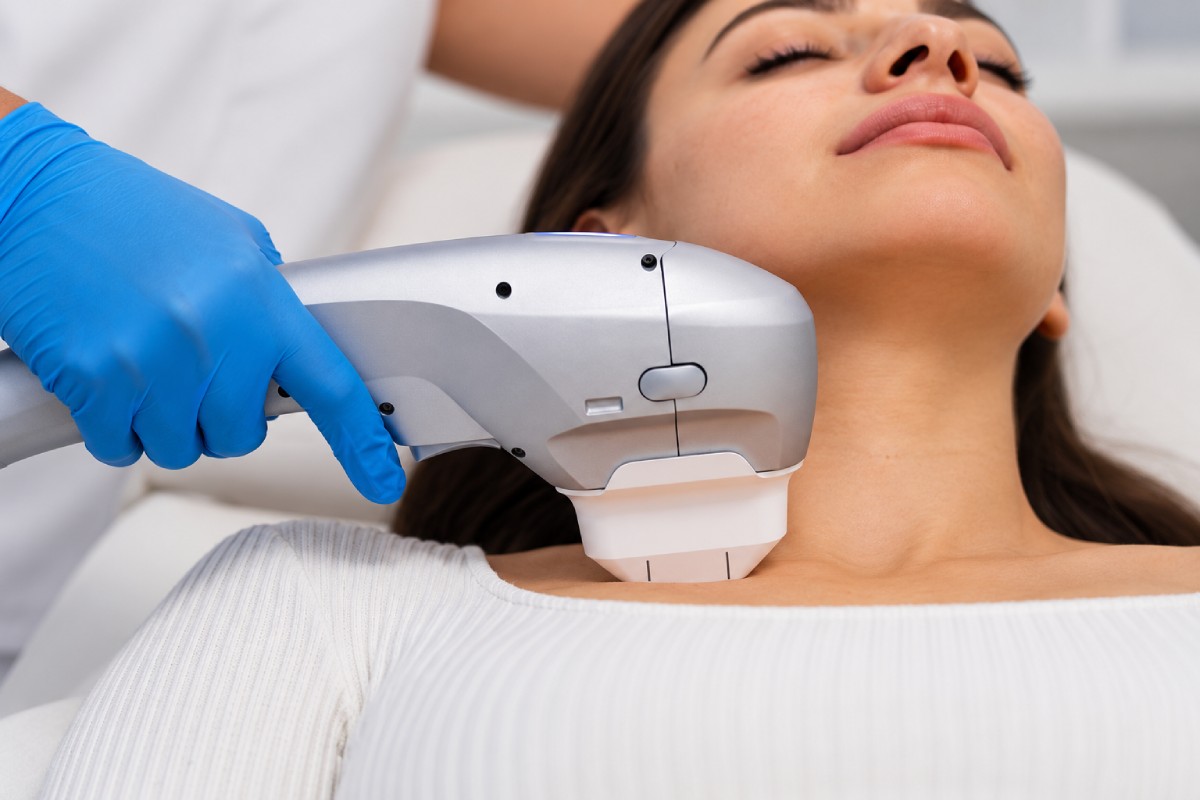
Does the Treatment Area Influence HIFU Results?
Yes. HIFU results and treatment considerations vary by area because skin thickness, anatomy, and tissue laxity differ throughout the face and body. Jawline and neck treatments require individual assessment, and the selected ultrasound device must be appropriate for the intended treatment area.
HIFU for the jawline
People considering HIFU jawline treatment often want to address mild looseness around the lower face.
However, jawline appearance also depends on facial structure and soft-tissue distribution.
Not every concern about jawline definition is caused by loose skin.
HIFU for the neck
HIFU neck treatment involves different anatomical considerations.
Skin thickness, underlying structures, and the degree of laxity may influence suitability.
The provider should verify that the selected device is intended for this area.
HIFU for other areas
Some studies have investigated ultrasound-based treatments for body concerns, but evidence from one area does not establish effectiveness elsewhere.
For more information, read Can HIFU Tighten Loose Skin on the Arms and Abdomen?.
You can also explore Amazing New Face's HIFU facial treatment information.
What Results and Recovery Should You Realistically Expect?
HIFU results are generally gradual, variable, and potentially modest rather than immediate or dramatic. Some individuals may notice improved firmness, while others experience limited visible changes. Temporary redness, swelling, tenderness, or discomfort may occur, depending on the device and individual response.
When might results appear?
Ultrasound-based tightening relies on a tissue-remodelling process that develops over time.
According to the American Academy of Dermatology, some non-invasive ultrasound treatments may produce modest tightening over approximately two to six months.
This timeline is not guaranteed for every HIFU device.
What about recovery?
Possible temporary effects include:
- Redness or swelling
- Tenderness or sensitivity
- Treatment-related discomfort
- Occasional bruising
More significant complications are possible with certain focused ultrasound technologies.
Contact the treating clinic or an appropriate healthcare professional if unexpected or persistent symptoms occur.
How long do results last?
Duration varies according to individual response, treatment technology, and ongoing skin changes.
Rather than relying on a guaranteed maintenance schedule, ask what evidence supports the proposed treatment plan.
When Might HIFU Not Be Appropriate?
HIFU may not be suitable when the primary concern is unrelated to skin laxity, expectations exceed likely outcomes, or medical or device-specific restrictions apply. Significant volume loss, pronounced excess skin, and certain texture concerns may require different assessments or treatment options.
Consider these distinctions:
|
Main concern |
What may need discussion |
|
Mild skin looseness |
Non-surgical tightening suitability |
|
Acne scars or uneven texture |
Texture-focused options |
|
Facial volume loss |
Volume-related assessment |
|
Significant excess skin |
Limitations of non-surgical treatment |
|
Multiple concerns |
Personalized treatment priorities |
These comparisons are educational rather than individual recommendations.
Medical history, previous procedures, implanted devices, and current skin conditions may influence suitability.
A consultation should review these factors before treatment is considered.
Choosing not to proceed may also be reasonable when expected benefits do not match personal goals.
- Can HIFU and Microneedling Be Part of the Same Treatment Plan?
- HIFU Downtime: What Should You Plan for After a Session?
- Does HIFU Affect Facial Fat? Who Should Be More Cautious?
- HIFU Facial Price in Toronto 2026 + What Actually Affects the Cost?
What Should a HIFU Consultation in Thornhill or Whitby Include?
A HIFU consultation should assess skin concerns, anatomy, relevant medical history, and expectations. It should also explain the proposed device, potential benefits, risks, recovery, and alternatives. The purpose is to support an informed decision rather than assume that HIFU is necessary or appropriate.
Useful questions include:
- Is my main concern skin laxity, texture, or volume?
- What improvement might realistically be expected?
- Which ultrasound device will be used?
- Is the device intended for my treatment area?
- What risks and recovery effects should I understand?
- Could another option better address my concern?
- How will treatment outcomes be assessed?
For adults considering HIFU in Thornhill, Whitby, or the surrounding GTA, a consultation should provide clear answers without promising specific results.
Request Consultation
If you are considering HIFU skin tightening, a personalized consultation can help you better understand your skin concerns, realistic treatment expectations, and available options.
You can request a consultation with Amazing New Face to discuss your goals, ask questions about HIFU treatment, and explore whether this approach may be appropriate for your individual needs.
Frequently Asked Questions About HIFU Treatment
1. Why do HIFU results differ between people?
HIFU results vary because skin laxity, tissue thickness, treatment area, device technology, and individual responses differ. Someone with mild skin looseness may notice more visible tightening than someone with significant sagging. Treatment planning, skin characteristics, and realistic expectations also influence how results develop and how improvements are evaluated.
2. Is HIFU better for mild or severe skin laxity?
HIFU may be more suitable for selected individuals with mild to moderate skin laxity. Significant sagging or excess skin may not respond sufficiently to non-surgical tightening. However, suitability depends on anatomy, skin condition, medical history, and treatment goals. A consultation can help determine whether HIFU deserves consideration.
3. Can HIFU improve wrinkles and skin texture?
Certain ultrasound technologies have been studied for improvements in skin firmness and selected wrinkle-related concerns. However, results vary by device and individual skin characteristics. HIFU may not adequately address acne scarring, pigmentation, or uneven texture. A consultation can help distinguish skin laxity from concerns that require different approaches.
4. How long does HIFU take to show results?
Visible improvements from ultrasound-based skin tightening may develop gradually over several months as tissue remodelling occurs. Some individuals notice subtle changes earlier, while others experience limited improvement. The timeline depends on the device, treatment area, skin characteristics, and individual response. No specific result or treatment timeline can be guaranteed.
5. Can HIFU replace a surgical facelift?
HIFU cannot reproduce the structural changes achieved through a surgical facelift. Non-surgical ultrasound tightening generally aims for modest improvements in selected skin laxity concerns. It does not remove substantial excess skin or provide the same degree of lifting. Individuals seeking significant changes should discuss appropriate options with a qualified healthcare professional.
6. Does HIFU have downtime or side effects?
Recovery after HIFU varies depending on the device, treatment area, and individual response. Temporary redness, swelling, tenderness, or discomfort may occur. More significant complications are also possible. Before treatment, the provider should explain potential risks, expected recovery, and aftercare instructions without promising a completely symptom-free experience.
7. How do I know whether HIFU is right for me?
A personalized consultation can help determine whether HIFU may be appropriate for your concerns. Important considerations include skin laxity, facial anatomy, medical history, previous procedures, and personal expectations. Ask about the proposed device, potential benefits, risks, and alternatives before deciding whether to proceed with treatment.
Summary
HIFU results vary because skin quality, laxity, treatment area, technology, and individual response affect what may be achievable. The treatment may offer modest tightening for selected concerns, but it cannot address every skin change or guarantee a particular outcome. Understanding these limitations supports informed treatment decisions.
About Amazing New Face
Amazing New Face is an aesthetic-services clinic with locations in Thornhill and Whitby, Ontario, offering a range of non-surgical aesthetic services, including HIFU skin tightening.
The clinic focuses on helping individuals explore treatment options based on their skin concerns, personal goals, and realistic expectations. Whether you're considering HIFU for facial firmness, jawline definition, or skin laxity, understanding the potential benefits and limitations is an important first step.
If you're exploring non-surgical skin tightening, you can book a consultation with Amazing New Face to discuss your concerns, ask questions, and learn which options may be appropriate for you.
