
Amazing New Face Blog
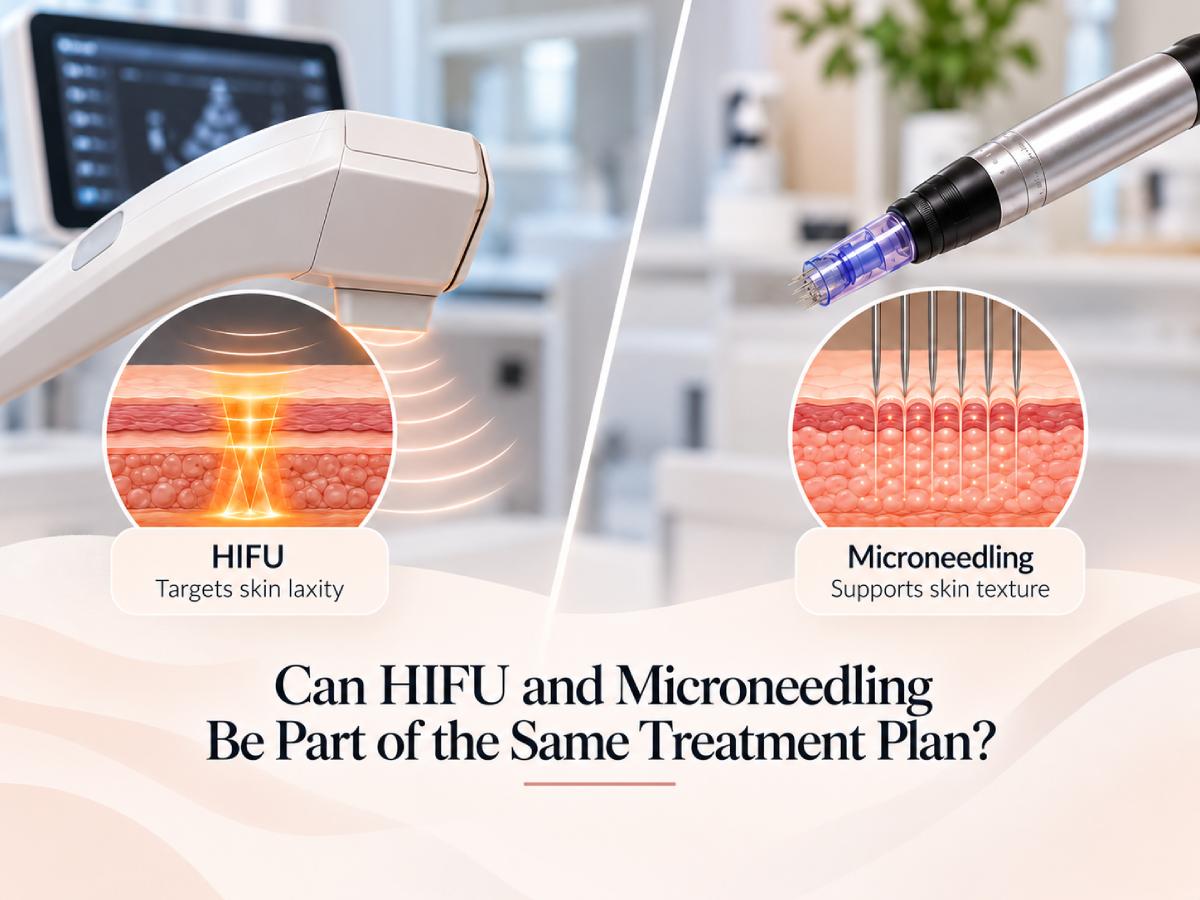
Can HIFU and Microneedling Be Part of the Same Treatment Plan?
Hits: 35
If you are considering HIFU and microneedling, you may wonder whether they can be part of the same treatment plan- or whether combining them simply means doing more treatment than you need.
The answer depends on what you want to address.
HIFU and microneedling are different procedures that work in different ways. In some cases, both may be discussed as part of a broader plan. In others, one treatment—or a completely different approach- may make more sense.
The goal is not to combine treatments for the sake of doing more. It is to identify the main concern first, then decide which option fits it most reasonably.
Table of Contents
- Key Takeaways
- Can HIFU and Microneedling Be Used Together?
- What Is the Difference Between HIFU and Microneedling?
- How Might a Combined Treatment Plan Work?
- What Affects Downtime and Response?
- Who May Need a Different Approach?
- Considering HIFU and Microneedling in Thornhill or Whitby?
- Frequently Asked Questions
- Summary
- About Amazing New Face
Key Takeaways
- HIFU and microneedling are different procedures and are not interchangeable.
- HIFU is generally considered when skin laxity is part of the concern.
- Microneedling is more commonly discussed for skin texture and surface-quality concerns.
- Having more than one concern does not automatically mean you need both treatments.
- A combined plan does not necessarily mean both procedures are performed during the same appointment.
- Recovery, settings, and response vary between individuals.
- A consultation can help determine whether one treatment, both, or another option should be considered.
Can HIFU and Microneedling Be Used Together?
HIFU and microneedling may sometimes be considered within the same overall treatment plan because they work differently. However, not everyone needs both, and they should not automatically be combined. The decision depends on the concern being treated, skin characteristics, treatment history, expectations, and individual assessment.
A better question than “Which treatment is better?” is “What am I trying to improve?” Texture, laxity, and multiple concerns may require different treatment approaches.
Published research has examined microfocused ultrasound for concerns related to skin laxity, while microneedling research has focused on areas such as skin texture and facial rejuvenation.
However, outcomes and treatment protocols vary. That is one reason treatment planning should be individualized rather than copied from another person’s experience.
What Is the Difference Between HIFU and Microneedling?
HIFU and microneedling generally target different treatment goals. HIFU uses focused ultrasound energy and is commonly discussed in relation to skin laxity. Microneedling creates controlled micro-injuries in the skin and may be considered for texture and overall skin-quality concerns. Neither procedure addresses every type of facial change.
This difference matters because concerns that appear similar may have different causes.
For example, one person may describe their lower face as feeling “less firm.” Another may mainly notice uneven texture. Someone else may be seeing changes related more to facial volume than to skin texture or laxity.
These concerns should not automatically lead to the same treatment.
Research into microfocused ultrasound suggests potential improvement in skin laxity, but available studies also vary in methodology and outcomes.
Microneedling research similarly suggests potential benefits for facial skin rejuvenation, but there is variation in treatment protocols and results.
For practical treatment planning, it helps to separate concerns such as:
- skin laxity
- uneven texture
- visible surface irregularities
- volume-related changes
- other individual skin concerns
If microneedling is one of the treatments you are considering, you can review more information about microneedling treatment.

How Might a Combined Treatment Plan Work?
When both procedures are considered appropriate, they may be planned in stages rather than performed at the same time. Which treatment comes first, when the skin is reassessed, and whether another procedure remains necessary can vary. There is no universal sequence that should be applied to every person.
Being part of the same treatment plan does not necessarily mean both procedures are performed during the same appointment. A provider may address the main concern first and reassess the skin before deciding whether another procedure is appropriate.
It is also why exact intervals between HIFU and microneedling should not be copied from general advice online.
Timing may depend on:
- the treatment area
- the specific procedure being performed
- individual skin response
- previous treatments
- the device being used
- other relevant skin or health factors
A more useful consultation question is:
“What sequence makes sense for my concerns, and how will you decide when my skin is ready for the next step?”
What Affects Downtime and Response?
There is no single HIFU or microneedling experience that applies to everyone. Temporary reactions, recovery experience, treatment settings, and visible response can differ depending on the procedure, treatment area, skin characteristics, treatment history, and individual plan. Personal sensitivity and previous responses to aesthetic treatments may also influence what someone experiences afterward.
This is why exact settings, needle depths, energy levels, numbers of sessions, or maintenance schedules should not be assumed from someone else’s experience.
Microneedling may be followed by temporary redness or other short-term skin reactions. The extent and duration can vary.
HIFU is an energy-based procedure, so treatment planning should also take into account the equipment being used and appropriate treatment parameters.
Terms such as “risk-free,” “painless,” or “zero downtime” are too absolute because individual experiences vary.
Before treatment, it is reasonable to ask:
- What temporary reactions may occur?
- What aftercare will be recommended?
- What should I avoid after treatment?
- When should I contact the clinic if I have concerns?
If you are preparing for microneedling, you may also find the clinic’s guide on how to prepare your skin for microneedling useful.
Who May Need a Different Approach?
Someone considering HIFU and microneedling may need a different plan if their main concern is not well matched to either procedure, if previous treatments affect the plan, or if relevant skin or health factors require additional consideration. Suitability should be assessed individually rather than assumed from age or appearance.
A consultation may review:
- your main concern
- previous aesthetic treatments
- relevant skin history
- current skin condition
- relevant health history
- medications or medical considerations
- how much downtime you are comfortable with
- your expectations
You should not stop medication or change medical care based on general information about aesthetic treatments. Questions involving medication or health conditions should be discussed with an appropriate qualified healthcare professional.
What appears to be “loose skin” may sometimes involve another concern, such as changes in texture or facial volume. More treatments do not automatically create a better plan.
Considering HIFU and Microneedling in Thornhill or Whitby?
A useful skin rejuvenation consultation should identify your main concern, distinguish between issues such as laxity, texture, and volume, review relevant history, and explain why a particular treatment is being considered. It should also cover realistic expectations, temporary reactions, aftercare, alternatives, and follow-up planning.
You do not need to arrive already knowing which procedure you want.
Starting with the concern itself often leads to a more useful conversation.
Questions you may want to ask include:
- What do you think is contributing to the change I am noticing?
- Is my concern mainly texture, laxity, volume, or something else?
- What is this treatment intended to improve?
- What is it unlikely to change?
- Why would you recommend HIFU, microneedling, or another approach?
- Why would both treatments be considered?
- Would they be performed separately?
- What affects the settings used?
- What temporary reactions should I expect?
- What aftercare is recommended?
- When would you reassess the treatment plan?
These questions focus the consultation on the reason for treatment rather than simply choosing the procedure that sounds more advanced.
For adults in Thornhill, Whitby, and the GTA considering facial skin treatments, Amazing New Face provides information about its current aesthetic services and clinic locations.
If you are deciding whether HIFU, microneedling, or another approach may fit your concerns, you can request a consultation with Amazing New Face to discuss your goals, history, expectations, and available treatment options.
Frequently Asked Questions
Can HIFU and microneedling be combined?
They may sometimes be included in the same overall treatment plan, but that does not mean everyone benefits from both. Whether either procedure is appropriate, and how they might be sequenced, depends on your goals, skin characteristics, treatment history, and individual assessment.
Is HIFU better than microneedling?
Neither is automatically better. HIFU and microneedling are different procedures used for different concerns. HIFU is more commonly associated with skin laxity, while microneedling is often considered for texture and skin-quality concerns. The better choice depends on what you are trying to address.
Can HIFU improve skin texture?
HIFU is generally discussed in relation to skin laxity rather than as a primary treatment for surface texture. If your main concern is uneven texture, visible pores, or other surface-level changes, a consultation can help determine whether microneedling or another approach may be more relevant. The most suitable option depends on what is actually contributing to the concern.
How much downtime does microneedling involve?
Microneedling downtime can vary from one person to another. Temporary redness, sensitivity, or other short-term skin reactions may occur after treatment, but the experience depends on factors such as the treatment approach, area treated, and individual skin response. Your provider should explain what temporary changes to expect and give aftercare instructions based on your specific treatment plan.
How long should I wait between HIFU and microneedling?
There is no single waiting period between HIFU and microneedling that is appropriate for everyone. Timing may depend on the treatment areas, the procedures and devices used, your skin response, previous treatments, and the overall plan. A provider should assess how your skin is responding before deciding when another procedure may reasonably be considered.
Do I need both treatments for facial rejuvenation?
Not necessarily. Having more than one facial concern does not automatically mean you need both HIFU and microneedling. A consultation should first identify whether the main issue involves laxity, texture, volume, or another factor. From there, the provider can discuss whether one treatment, a staged combination, or a different approach may be more appropriate.
Summary
HIFU and microneedling may sometimes be part of the same treatment plan, but combining treatments should not be the goal by itself. HIFU is generally discussed in relation to skin laxity, while microneedling may be considered for texture and skin-quality concerns. A good treatment plan should start with the concern, consider individual factors, and set realistic expectations before deciding whether one treatment, both, or another approach makes sense.
About Amazing New Face
Amazing New Face provides aesthetic services at clinic locations in Thornhill and Whitby, Ontario. Current service categories relevant to this topic include HIFU, microneedling, RF microneedling, dermal filler services, mesotherapy and PRP, and cosmetic injection services. Treatment planning is individual, so specific procedures should be considered based on each person’s concerns, history, expectations, and suitability rather than assumptions from general online information. The clinic’s approach is focused on informed consultation, realistic expectations, and selecting options that match the concern being discussed.
