
Amazing New Face Blog
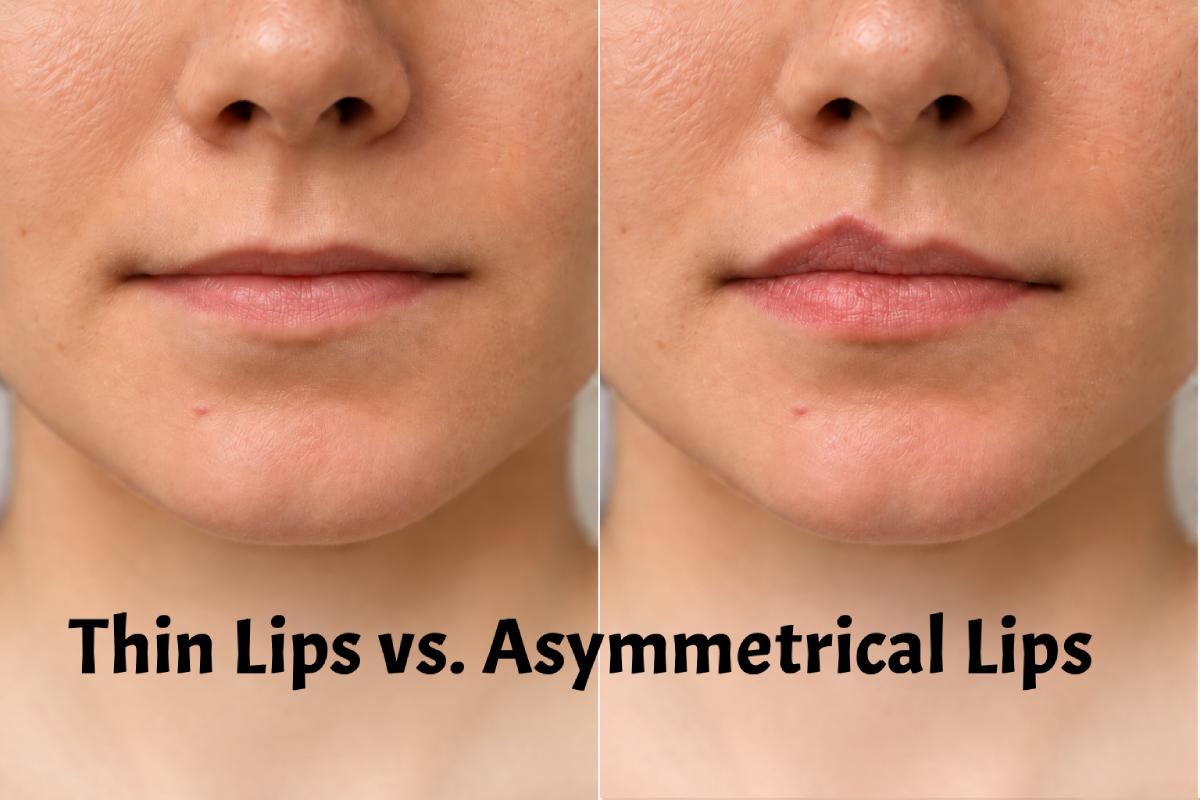
Thin Lips vs. Asymmetrical Lips: Why Your Lip Filler Consultation Matters
Hits: 25
You may want slightly fuller lips without changing their natural shape. Someone else may be happy with their lip size but notice that one side looks different from the other.
Both concerns might lead to a lip filler consultation, but they require different questions.
Thin lips often involve volume and definition. Asymmetrical lips may involve differences in volume, shape, structure, or movement. Sometimes, both concerns exist together.
Understanding these differences matters because adding filler does not automatically create balance. A thoughtful assessment should consider natural anatomy, individual preferences, and realistic limitations before recommending treatment.
Table of Contents
- At a Glance – Key Takeaways
- Thin Lips vs. Asymmetrical Lips: What's the Difference?
- Why Is Lip Filler Planning Different?
- How Do Facial Proportions Affect the Decision?
- What Happens During a Lip Filler Consultation?
- What Are the Limitations and Risks?
- Considering Lip Filler in Thornhill or Whitby?
- Frequently Asked Questions
- Summary
- About Amazing New Face
At a Glance – Key Takeaways
- Thin lips and asymmetrical lips may require different treatment plans.
- Thin lips usually raise questions about fullness and definition.
- Asymmetry may involve volume, structure, or muscle movement.
- Filler cannot correct every type of lip asymmetry.
- Facial proportions matter more than following a standard lip shape.
- A consultation should address suitability, risks, and realistic expectations.
Thin Lips vs. Asymmetrical Lips: What's the Difference?
Thin lips have relatively little visible fullness in one or both lips. Asymmetrical lips show differences in shape, height, or volume between sides or areas. Someone can have thin but balanced lips, fuller lips with noticeable asymmetry, or both concerns together.
Understanding naturally thin lips
Some people naturally have narrow lips. Others notice changes in fullness over time.
The main concern may involve overall volume, lip definition, or the relationship between the upper and lower lips.
However, wanting fuller lips does not mean that adding more volume is always appropriate.
The existing lip shape and surrounding facial features influence what may look proportionate.
Understanding lip asymmetry
Lip asymmetry can appear in different ways.
One side of the upper lip may look higher, one corner may appear different, or the Cupid's bow may not be identical on both sides.
These differences are common.
Some are visible when the face is relaxed, while others appear mainly when smiling or speaking.
This distinction matters because filler may address certain volume differences but cannot necessarily change muscle movement or underlying facial structure.
Why Is Lip Filler Planning Different?
Planning for thin lips generally focuses on volume, definition, and proportion. Planning for asymmetrical lips first requires understanding what causes the uneven appearance. If the difference involves tissue volume, filler may sometimes help. If it involves movement or structural anatomy, additional filler may provide limited improvement.
Planning for thin lips
Someone with naturally thin lips may want a subtle increase in fullness.
The consultation should explore whether the person wants more volume, clearer borders, or a different balance between the upper and lower lips.
These are not identical goals.
For example, adding volume to an already well-defined upper lip may produce a different appearance than improving definition around a less prominent lip border.
Conservative planning helps keep attention on the person's original anatomy instead of pursuing a particular lip size.
Planning for asymmetrical lips
When asymmetry is the main concern, understanding the cause comes first.
Differences may relate to natural tissue distribution, facial structure, previous filler, or movement.
Adding filler to the smaller-looking side may sometimes improve balance, but it is not automatically the correct approach.
In certain situations, additional volume could make an existing difference more noticeable.
The goal should be realistic improvement when appropriate, not perfect symmetry.
When both concerns exist
A person may have thin lips with uneven volume between sides.
In this situation, planning must consider both concerns together.
Trying to increase fullness and address asymmetry simultaneously may not always be appropriate.
A provider should explain which changes might be achievable and whether treatment is necessary.
For general information about the available options, explore dermal filler treatments.
How Do Facial Proportions Affect the Decision?
Lip filler planning should consider more than lip size. The relationship between the upper and lower lips, surrounding facial features, and individual anatomy affects how added volume may appear. A lip shape that suits one person may not suit another, even when their initial concerns seem similar.
Upper and lower lip balance
Imagine two people with relatively thin upper lips.
One naturally has a fuller lower lip. The other has less fullness in both lips.
Adding the same amount of volume to each person's upper lip could affect their overall proportions differently.
This is why there is no single ideal lip ratio for everyone.
The role of surrounding features
The chin, jaw, mouth position, and facial structure all influence how the lips appear.
Sometimes, what initially looks like a lip-volume concern relates partly to surrounding proportions.
A complete facial assessment can help explain these relationships without automatically suggesting treatment elsewhere.
What does natural-looking filler mean?
Natural-looking results are subjective.
For one person, the priority is a very small change. Another may want improved definition while keeping the original lip shape.
Neither goal guarantees a particular appearance.
The important consideration is whether expectations fit the person's anatomy and the limitations of treatment.
For more background, read how natural-looking results with lip fillers are approached.
What Happens During a Lip Filler Consultation?
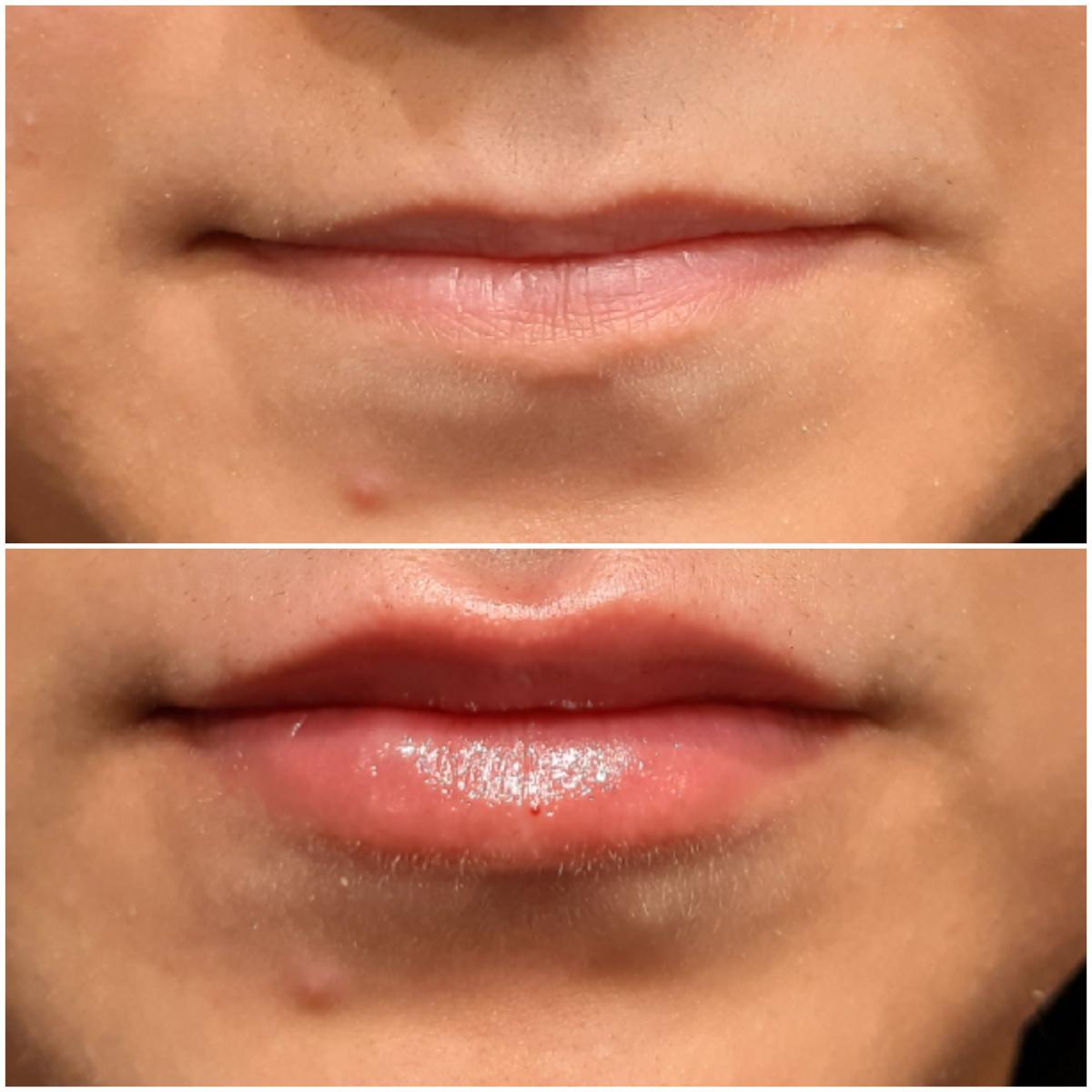
A lip filler consultation should review the person's concerns, lip anatomy, facial proportions, medical history, previous cosmetic treatments, and desired outcome. It should also explain possible complications, aftercare, and treatment limitations. This helps determine whether filler is suitable rather than assuming everyone who requests it should receive injections.
Assessing the lips
An assessment may examine the lips while relaxed and during facial movement.
This can help identify whether the concern relates mainly to tissue volume, shape, or movement.
The provider may also consider lip definition and the relationship between surrounding features.
Reviewing previous treatments
Previous lip filler can affect future treatment planning.
Remaining product, unevenness, or changes following earlier injections may need assessment.
Adding more filler is not always the appropriate answer to concerns from previous treatment.
Discussing health and expectations
Relevant medical history, allergies, medications, and previous reactions should be reviewed by an appropriately qualified professional.
The consultation should also clarify what the client wants and whether the expected change is realistic.
Someone hoping for perfectly identical lips may need to understand that natural differences can remain even after treatment.
What Are the Limitations and Risks?
Lip filler may change volume and definition, but it cannot correct every difference in lip anatomy or movement. Outcomes vary, and temporary swelling can affect appearance after treatment. Potential complications include bruising, infection, lumps, allergic reactions, and rare but serious blood-vessel complications.
When filler may not be appropriate
Some asymmetry involves muscle activity or underlying structure rather than missing volume.
In these cases, filler may provide limited benefit.
Certain health concerns or complications from previous injections may also require further evaluation.
Sometimes, choosing not to proceed is a reasonable decision.
Recovery and complications
Swelling, tenderness, and bruising can occur after lip filler treatment.
These temporary changes may make the lips appear uneven while the area recovers.
More serious complications are uncommon but possible. Accidental injection into a blood vessel can cause tissue damage and other severe outcomes.
Anyone considering filler should understand the warning signs explained by their treating professional, the clinic's emergency procedures, and when urgent medical care is necessary.
Treatment should never be presented as risk-free.
Considering Lip Filler in Thornhill or Whitby?
For adults considering lip filler in Thornhill or Whitby, the first decision is whether the concern involves thin lips, uneven volume, shape, or movement. Understanding this distinction helps guide a meaningful consultation and prevents assumptions that every lip concern requires additional filler.
Before an appointment, useful questions include:
- Is my main concern volume or asymmetry?
- What anatomical factors affect my options?
- Could filler make an existing difference more noticeable?
- What are the realistic treatment limitations?
- What risks and aftercare requirements should I understand?
- Would choosing no treatment be reasonable?
If you are uncertain whether your concern relates to thin lips, asymmetry, or both, you can request a consultation at Amazing New Face to discuss your individual anatomy, available options, and realistic expectations before making a treatment decision.
Frequently Asked Questions
1. Can lip filler correct uneven lips?
Lip filler may improve selected volume-related differences, but it cannot correct every type of asymmetry. Differences caused by muscle movement or underlying structure may respond differently. A consultation should identify the likely cause before deciding whether filler is appropriate. Complete symmetry cannot be guaranteed.
2. Is lip filler planning different for naturally thin lips?
Yes. Naturally thin lips may have anatomical limitations that influence how additional volume appears. Treatment planning should consider existing shape, tissue characteristics, and facial proportions. The goal is not necessarily to make the lips significantly larger but to determine whether the requested change is realistic.
3. Can lip filler look natural when one lip is thinner?
A subtle appearance may be possible, depending on anatomy, treatment planning, and individual response. However, adding volume does not guarantee that the upper and lower lips will look balanced. An assessment should consider both lips together and explain which differences may remain.
4. Does previous lip filler affect future treatment?
Yes. Previous filler may influence the current shape, volume, or appearance of the lips. A provider may need to evaluate remaining product or concerns following earlier treatment. Further injections are not always appropriate, particularly when the cause of unevenness has not been assessed.
5. What should I ask about lip filler aftercare?
Ask about expected swelling, bruising, activity guidance, follow-up, and when the appearance can be reassessed. You should also understand which symptoms require medical attention and how to contact the treating clinic. Instructions should reflect your individual treatment and health circumstances.
Summary
Thin lips and asymmetrical lips may lead people to consider the same procedure, but the underlying concerns are different. One often involves fullness, while the other may involve volume, structure, or movement. A thoughtful lip filler consultation should focus on individual anatomy, realistic expectations, and suitability rather than assuming that adding volume is always the solution.
About Amazing New Face
Amazing New Face is an aesthetic clinic with locations in Thornhill and Whitby, Ontario. The clinic provides dermal filler services, including lip filler, along with other non-surgical aesthetic treatments. Its website offers information for adults researching cosmetic procedures and available consultation options.
People considering lip filler can discuss concerns involving fullness, definition, or facial balance during an individual assessment. Any decision about treatment should consider personal preferences, relevant health information, possible risks, and realistic limitations rather than assuming that every aesthetic concern requires an injectable procedure.
Amazing New Face focuses on personalized consultations and helping clients understand their options before making treatment decisions.
