
Amazing New Face Blog
Cheek Filler or Under-Eye Filler for a Tired Look? What a Facial Assessment Considers
Hits: 10
You sleep well, but shadows beneath your eyes still make your face appear tired. You may notice hollows under your eyes, flatter cheeks, or a darker line where your lower eyelids meet your cheeks.
Would cheek filler help, or is under-eye filler more appropriate?
The cheek filler vs under-eye filler decision depends on facial anatomy, skin quality, and the cause of those shadows. Neither treatment addresses every concern.
A facial assessment can help identify contributing factors and determine whether filler is suitable.
Table of Contents
- At a Glance – Key Takeaways
- Cheek Filler vs Under-Eye Filler: What's the Difference?
- Why Can the Under-Eye Area Look Tired?
- What Does a Facial Assessment Consider?
- Can Cheek Filler Improve Under-Eye Shadows?
- What Are the Limitations and Risks?
- What Should You Ask During a Filler Consultation in Thornhill or Whitby?
- Frequently Asked Questions
- Summary
- About Amazing New Face
At a Glance – Key Takeaways
- Cheek filler addresses midface volume; under-eye filler targets selected hollows.
- Dark circles may result from pigmentation, shadows, skin characteristics, or puffiness.
- Cheek contour can influence the transition between the lower eyelid and cheek.
- Under-eye filler is not appropriate for every tired-looking appearance.
- Previous treatments and medical history can affect suitability.
- Both treatments carry risks and require careful assessment.
- A consultation may identify a different approach or recommend no filler.
1. Cheek Filler vs Under-Eye Filler: What's the Difference?
Cheek filler and under-eye filler address different facial areas. Cheek filler may restore or modify midface volume, while under-eye filler may reduce selected hollows beneath the lower eyelids. Their effects depend on individual anatomy, and neither reliably corrects every cause of a tired appearance.
Cheek filler and midface contour
The cheeks contribute to facial proportions and the transition between the eyes and lower face.
Some people naturally have less cheek projection, while others experience changes in facial volume over time.
Cheek filler may be considered when reduced midface fullness contributes to a visible concern.
However, excessive volume can change facial proportions or produce unwanted fullness.
Under-eye filler and tear troughs
Under-eye filler targets selected depressions beneath the lower eyelids, often called tear troughs.
These hollows may create shadows, particularly in certain lighting.
Filler may soften their appearance when volume is a significant contributing factor.
However, it cannot directly correct pigmentation, loose skin, or every form of puffiness.
Learn more about under-eye filler treatment and its considerations.
2. Why Can the Under-Eye Area Look Tired?
A tired-looking under-eye area can result from several overlapping factors. Natural facial structure, pigmentation, visible blood vessels, skin characteristics, and puffiness can all influence its appearance. Identifying the main cause matters because concerns that look similar may not respond to the same treatment.
Shadows and facial anatomy
A groove between the lower eyelid and cheek can create a visible shadow.
The shadow may change depending on lighting, facial expression, and viewing angle.
A hollow does not automatically mean filler is needed.
Pigmentation and skin quality
Some under-eye darkness comes from skin colour rather than facial volume.
Pigmentation, visible blood vessels, and thin skin may contribute to the appearance.
Filler does not directly remove pigmentation or correct every skin-texture concern.
Puffiness and lower eyelid fullness
Under-eye bags can create shadows beneath an area of fullness.
Adding volume may make certain forms of puffiness more noticeable.
A facial assessment should distinguish between a hollow and an area that already has excess fullness.
3. What Does a Facial Assessment Consider?
A facial assessment examines the relationship between cheek volume, lower eyelid anatomy, skin quality, and overall facial proportions. It also reviews previous aesthetic treatments, relevant medical history, and personal expectations. The goal is to establish whether filler could address the concern without creating unnecessary volume.
Facial proportions
An aesthetic practitioner may evaluate cheek projection, the transition beneath the eyes, and natural differences between facial sides.
Perfect symmetry is not a realistic goal. Some asymmetry is normal.
The assessment should consider how the face looks from several angles rather than relying on one photograph.
Previous filler and medical history
Previous treatment can affect future filler planning.
Remaining product, previous swelling, or an uneven contour may influence the assessment.
Relevant medical conditions, allergies, medications, and previous reactions also need review by an appropriately qualified clinician.
Personal expectations
Some people want to soften a visible hollow. Others want to preserve their existing cheek shape while avoiding noticeable fullness.
Discussing these preferences supports more individualized filler treatment planning.
Natural-looking filler is a goal, not a guaranteed result.
4. Can Cheek Filler Improve Under-Eye Shadows?
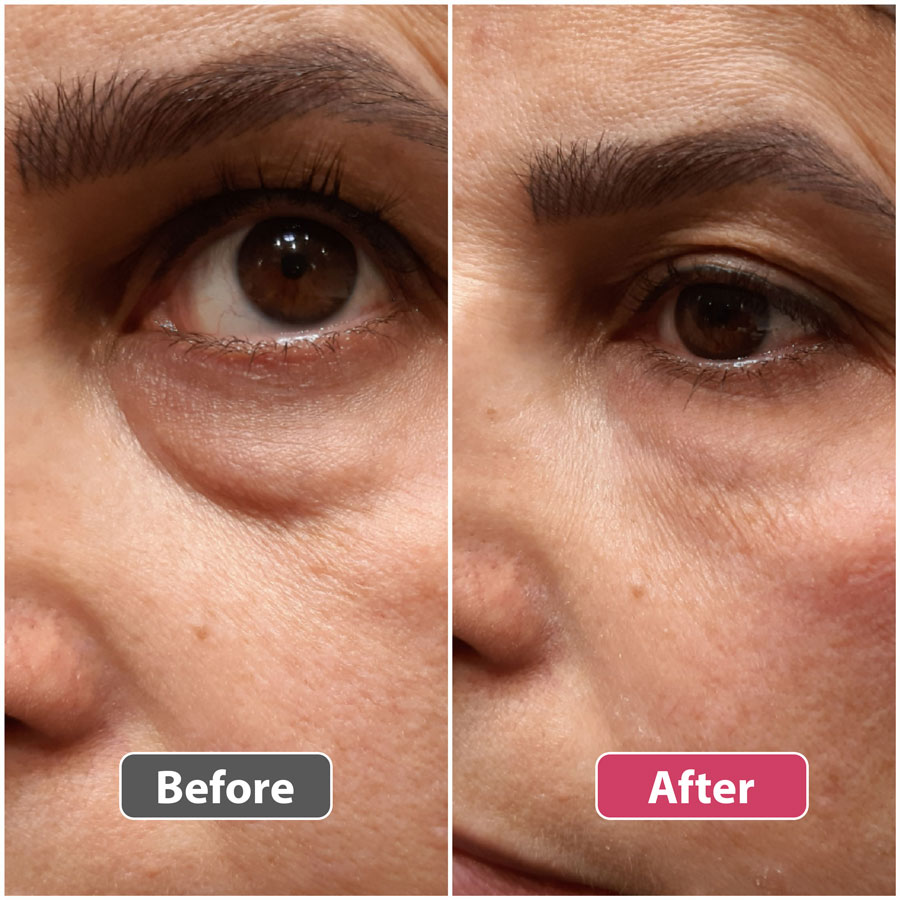
Cheek filler may reduce the appearance of certain under-eye shadows when midface contour contributes to the visible transition beneath the lower eyelid. However, it cannot directly treat pigmentation, prominent eye bags, or every tear trough. The potential effect depends on facial anatomy and the underlying concern.
The relationship between cheeks and eyes
The lower eyelid and upper cheek form a connected facial region.
When cheek projection is limited, the transition between these areas may appear more pronounced.
Changing cheek contour can sometimes make that transition less noticeable.
However, not everyone with under-eye shadows needs cheek filler.
When under-eye filler may be considered
A clearly defined under-eye hollow may lead to a discussion about direct treatment.
This area requires particular caution because of its delicate tissues and important blood vessels.
Skin thickness, puffiness, and previous filler can influence suitability.
Should both areas be treated?
Not necessarily.
Some people may benefit from evaluating both areas, while others may need only one approach or no filler.
Conservative planning considers the entire face without automatically treating multiple regions.
For another example of facial balance considerations, read about cheek fillers vs jawline fillers.
5. What Are the Limitations and Risks?
Both cheek and under-eye fillers have limitations and potential complications. Results vary with facial anatomy, product choice, placement, and individual responses. Common reactions include swelling, bruising, and tenderness. Rare but serious vascular complications are possible, making informed consent and qualified clinical care essential.
Treatment limitations
Cheek filler cannot correct every lower eyelid concern. Excess volume may produce a heavier or wider midface appearance.
Under-eye filler may not help when pigmentation or puffiness causes most of the visible concern.
Uneven contour, visible irregularities, and persistent swelling may occur.
Important safety considerations
Health Canada identifies risks associated with dermal fillers, including infection, nodules, swelling, and complications involving blood vessels.
Rare vascular complications may cause serious injury, including tissue damage or vision loss.
A consultation should cover the proposed product, relevant risks, alternatives, and emergency procedures.
Sudden vision changes or other severe symptoms after treatment require immediate emergency medical attention.
6.What Should You Ask During a Filler Consultation in Thornhill or Whitby?
A dermal filler consultation should clarify the cause of your concern, available options, expected limitations, and potential risks. Adults considering treatment in Thornhill, Whitby, or the GTA can prepare by describing what they notice rather than arriving with a predetermined treatment choice.
Questions worth bringing
- What is causing my under-eye shadows or hollowing?
- Is cheek filler, under-eye filler, or neither appropriate?
- How could my skin quality affect the result?
- What risks apply to the proposed treatment area?
- What changes are realistic?
- What filler aftercare instructions should I follow?
- What alternatives should I consider?
A consultation may reveal that another approach is more appropriate or that treatment is unnecessary.
Not Sure Which Filler Is Right for Your Face?
Cheek filler, under-eye filler, or perhaps neither? The right choice starts with understanding your unique facial anatomy.
At Amazing New Face in Thornhill and Whitby, a personalized consultation can help you explore your options, understand potential risks, and set realistic expectations before making a decision.
Ready to find out what may work for you? Request Consultation and take the first step toward an informed treatment plan.
Frequently Asked Questions
Is cheek filler better than under-eye filler for a tired look?
Neither is universally better. Cheek filler may help when midface contour contributes to shadows, while under-eye filler may address certain localized hollows. Pigmentation and puffiness require different considerations. The appropriate decision depends on individual anatomy, treatment history, and the findings of a qualified clinical assessment.
Can cheek filler improve dark circles without under-eye filler?
Cheek filler may soften certain shadows by changing the contour between the cheeks and lower eyelids. However, it does not directly correct skin pigmentation or visible blood vessels. Whether improvement is possible depends on the cause of the dark circles and individual facial proportions.
Can under-eye filler make puffiness worse?
Yes. Additional volume or swelling may make existing under-eye fullness more noticeable. This is particularly important when puffiness, rather than a hollow, contributes to the appearance. A qualified clinician should assess the area before recommending filler and discuss whether another approach would be more appropriate.
How long do cheek and under-eye fillers last?
Duration varies with the specific product, treatment area, and individual factors. Visible effects do not necessarily indicate whether all previously placed filler has disappeared. During consultation, ask about the proposed product, its expected duration, and how future treatment decisions and follow-up assessments will be handled.
What should I ask about filler aftercare?
Ask about expected reactions, activity restrictions, follow-up appointments, and symptoms requiring medical attention. Aftercare guidance should be specific to the treatment and product used. Before proceeding, make sure you understand how to contact the clinic about concerns and when urgent medical assessment may be necessary.
Summary
The cheek filler vs under-eye filler decision begins with understanding what causes the tired-looking appearance. Cheek contour, tear troughs, pigmentation, skin quality, and puffiness may all contribute. A careful assessment helps identify realistic treatment possibilities, explain important risks, and determine whether filler or a different approach is appropriate.
About Amazing New Face
Amazing New Face is an aesthetic clinic with locations in Thornhill and Whitby, Ontario, serving clients in the surrounding GTA and Durham Region.
The clinic provides aesthetic services, including dermal filler treatments and under-eye groove correction. Its website offers information about available treatments and consultation considerations.
For individuals comparing cheek and under-eye filler, understanding facial anatomy, treatment limitations, and personal expectations is an important starting point. A consultation offers an opportunity to review these considerations and discuss suitable options without assuming that a particular procedure is necessary.
