
Amazing New Face Blog
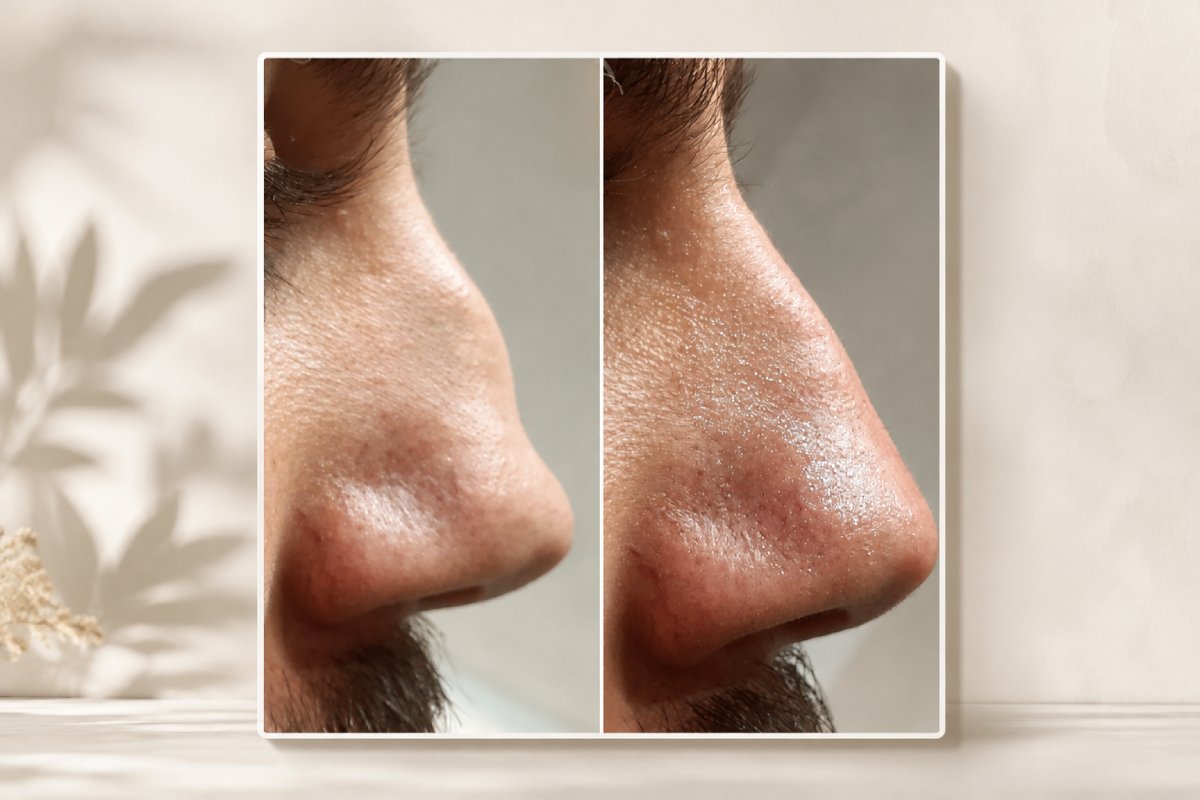
What Can Nose Filler Fix, and What Can’t It Fix?
Hits: 95
A small change to the nose can sometimes create a noticeable improvement in overall facial balance. However, before considering nose filler, it is important to understand exactly what this treatment can and cannot do.
Nose filler, also known as non-surgical rhinoplasty or a liquid nose job, works by adding carefully placed volume to specific areas of the nose. Unlike surgical rhinoplasty, it does not remove bone, cartilage, or tissue.
This means nose filler may help improve certain cosmetic concerns, such as a mild bump, small asymmetries, a flatter bridge, or overall profile balance. However, it cannot make the nose physically smaller, narrow wide nasal bones, fix breathing problems, or replace structural surgery.
Understanding these differences helps you choose a treatment that matches your goals, anatomy, and expectations.
Quick Answer: What Can Nose Filler Actually Fix?
Nose filler is best suited for subtle contour improvements where adding volume can create a smoother and more balanced appearance.
It may help:
- Smooth the appearance of a mild to moderate dorsal hump
- Create a straighter-looking nasal bridge
- Improve small depressions or mild asymmetry
- Add definition to a flatter bridge
- Improve certain tip projection concerns
- Create better balance between the nose and other facial features
However, nose filler cannot:
- Remove a bump or reduce bone structure
- Make a large nose physically smaller
- Narrow wide nasal bones
- Significantly reduce nostril size
- Shrink a bulbous nasal tip
- Correct a deviated septum
- Treat breathing difficulties
A simple way to remember the difference:
Nose filler can add, smooth, and camouflage. It cannot remove or reduce.
How Does Nose Filler Change the Appearance of the Nose?
It may seem unusual that adding volume can improve the appearance of a nose, but the goal of filler is not to make the nose bigger. The goal is to improve proportions and create smoother transitions.
For example, if someone has a small bump on the bridge, carefully placed filler around the surrounding areas may create a straighter visual line. The bump itself remains, but the overall profile can appear smoother.
Similarly, a flatter bridge may benefit from added definition, creating more balance between the nose and the rest of the face.
The success of nose filler depends heavily on placement, amount of filler used, and the individual’s facial structure. Adding too much product or placing filler incorrectly may create unwanted fullness or make the nose appear wider.
That is why consultation is an important part of the process. The goal is not simply to add filler, it is to determine whether adding volume can realistically create the improvement you want.
What Can Nose Filler Improve?
1. A Small or Moderate Bump on the Nose
One of the most common reasons people consider nose filler is the appearance of a bump on the bridge.
Nose filler cannot remove a dorsal hump because it does not remove bone or cartilage. However, in suitable cases, filler can be placed around the bump to create a smoother-looking profile.
This approach works best when the concern is related to contour rather than a significant structural change.
If someone wants the actual hump removed, the nasal structure changed, or the nose reduced in size, surgical rhinoplasty may be a more suitable option.
2. Mild Crookedness or Asymmetry
Small differences between the two sides of the nose can sometimes affect facial balance.
If asymmetry is caused by a minor depression or uneven contour, filler may help create a more symmetrical appearance.
However, nose filler does not straighten nasal bones or repair internal structural issues. A significantly deviated nose may require a different approach.
3. A Flat or Less Defined Nasal Bridge
Some people feel their nose lacks definition because the bridge appears flatter or less prominent.
In selected cases, filler can add subtle height and create a more defined bridge. The goal should always be facial harmony rather than simply making the bridge higher.
Factors such as:
- forehead shape
- chin position
- facial proportions
- skin thickness
- overall facial structure
all influence what result looks natural.
The most priceless results are usually those that enhance your existing features rather than trying to create someone else’s appearance.
4. Selected Tip and Profile Concerns
Some people consider nose filler because they feel their nasal tip lacks definition or appear slightly downward.
In suitable cases, filler may improve the appearance of tip projection or create a more balanced relationship between the tip and the bridge. The result is usually subtle and focused on proportion.
However, nose filler cannot significantly reduce a large or bulbous tip because it does not remove cartilage or tissue. If the goal is major tip reduction or reshaping, surgical rhinoplasty may provide more predictable structural changes.
The key difference is that filler changes how the nose looks from the outside, while surgery changes the underlying anatomy.
Is Nose Filler Right for Your Nose Shape?
Nose filler is not designed for every nose type. The best candidates are usually people whose concerns can be improved through careful contouring rather than structural changes.
You may be a suitable candidate if your main concern is:
A Small Nasal Hump
If your nose has a mild bump that affects the smoothness of your profile, filler may help create a straighter-looking appearance.
A Flat Bridge
If your bridge lacks definition, a small amount of filler may improve balance and create a more defined profile.
Minor Asymmetry
Small contour differences or depressions may sometimes be improved with carefully placed filler.
A Less Defined Tip
In selected cases, filler may improve tip projection and create better facial harmony.
However, nose filler may not be the right option if your goal is:
- Making your nose smaller
- Narrowing the nasal bones
- Reducing nostril size
- Removing a large hump
- Correcting major crookedness
- Improving breathing problems
A consultation is important because the same concern can have different causes in different people. Two people may both say they want a “smaller nose,” but one may need contour improvement while another may need structural correction.
What Can’t Nose Filler Fix?
Understanding the limitations of nose filler is just as important as understanding its benefits.
1. It Cannot Make a Large Nose Physically Smaller
Nose filler adds volume. It does not remove bone, cartilage, skin, or soft tissue.
In some cases, improving the profile line may make the nose appear more balanced within the face. However, the actual size of the nose has not changed.
If the goal is reducing nasal length, narrowing the nose, or removing significant structural features, surgical rhinoplasty may be more appropriate.
2. It Cannot Narrow Wide Nasal Bones or Reduce Wide Nostrils
Wide nasal bones are related to the underlying structure of the nose. Because filler only adds volume, it cannot physically move or narrow those structures.
Similarly, filler cannot remove tissue to significantly reduce nostril width.
Someone looking for major narrowing or reduction should discuss surgical options with a qualified provider.
3. It Cannot Shrink a Bulbous Tip
A bulbous nasal tip is often caused by cartilage shape, size, and soft tissue characteristics.
Since filler does not remove tissue, it cannot make a large tip smaller.
In some cases, improving projection or surrounding contours may create better balance, but adding more filler in an attempt to create a smaller tip can sometimes produce the opposite effect.
4. It Cannot Fix Breathing Problems or a Deviated Septum
Nose filler is a cosmetic procedure designed to improve external appearance.
It cannot correct internal issues such as:
- Deviated septum
- Nasal valve problems
- Structural airway concerns
- Other causes of nasal obstruction
If someone experiences breathing difficulties, a medical evaluation is needed to identify the underlying cause.
Filler may sometimes camouflage the external appearance of a deviation, but it does not repair the internal structure.
Can Nose Filler Make the Nose Look Smaller?
Sometimes, but only visually.
A nose may appear less noticeable when filler improves an uneven profile, smooths a transition, or creates better facial balance.
For example, someone may feel their nose looks more prominent because of a small bump or depression. Improving that contour may create a more harmonious appearance.
However, filler does not actually reduce the physical size of the nose.
Instead of asking only:
“Can nose filler make my nose smaller?”
it is more useful to ask:
- What feature makes my nose appear larger?
- Is it the bridge?
- The tip?
- The projection?
- The relationship with my chin?
- A specific asymmetry?
Identifying the actual concern helps determine whether filler is the right solution.
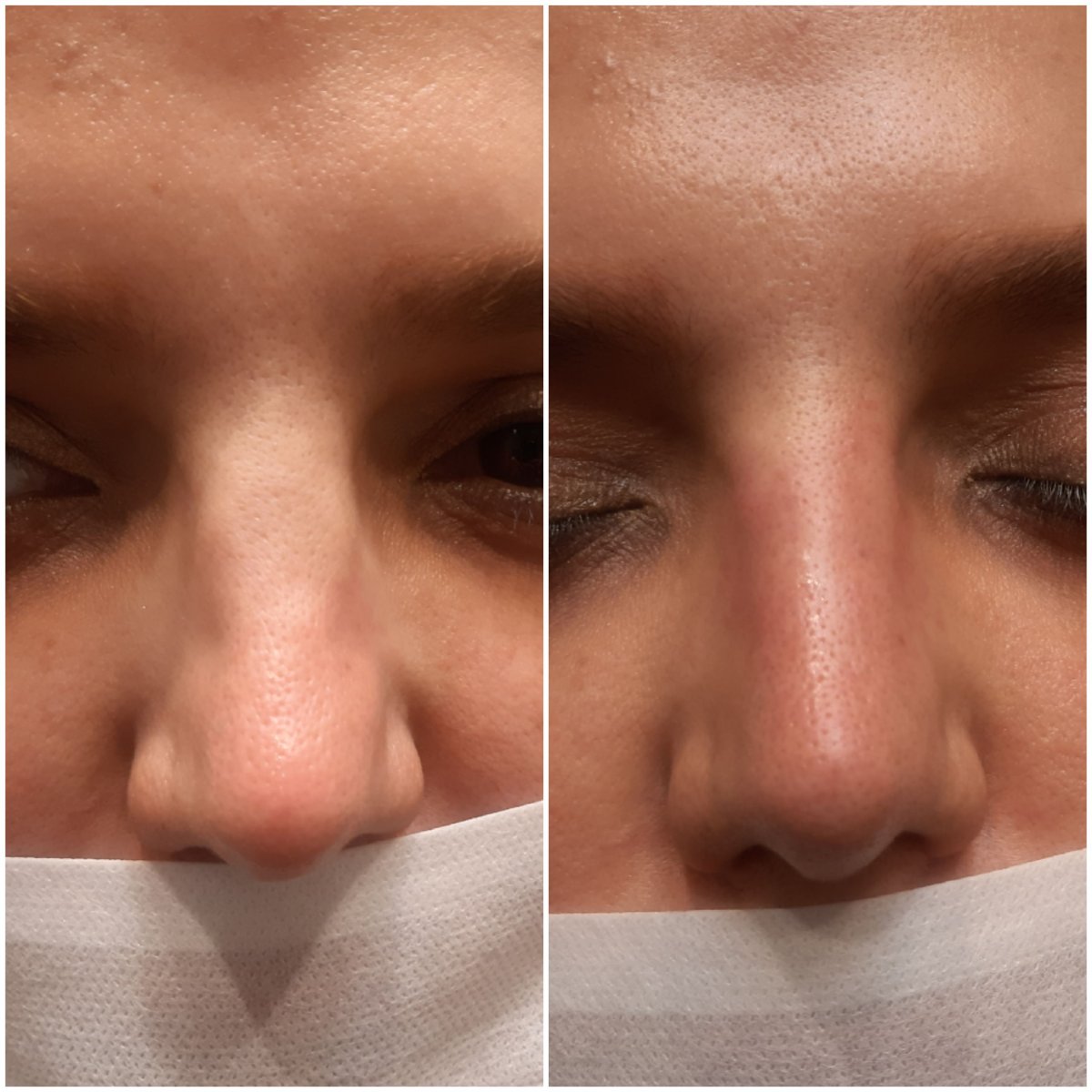
Nose Filler vs. Surgical Rhinoplasty
The biggest difference between nose filler and surgical rhinoplasty is what each treatment can change.
Nose filler adds and reshapes appearance. Surgical rhinoplasty modifies the underlying structure.
Nose filler may be suitable for people who want:
- Subtle contour improvement
- Temporary changes
- No surgery or downtime associated with surgery
Surgical rhinoplasty may be more appropriate when someone wants:
- Reduction in nose size
- Removal of a large hump
- Narrowing of nasal structures
- Major tip reshaping
- Correction of significant deviation
- Functional breathing improvement
Neither option is automatically better. The right choice depends on your anatomy, goals, expectations, and the amount of change you want.
If cost is part of your decision, you can also read Amazing New Face’s guide to The Cost of Nose Fillers in Canada.
Is Nose Filler Risk-Free Because It Is Non-Surgical?
No. Although nose filler does not involve surgery, it is still a medical aesthetic procedure.
Temporary effects may include:
- Swelling
- Bruising
- Redness
- Tenderness
- Mild discomfort
Rare but serious complications can occur if filler affects a blood vessel. This is why choosing an experienced medical professional with detailed knowledge of facial anatomy is extremely important.
In Canada and other countries, qualified providers follow safety protocols designed to reduce risks, identify warning signs early, and manage complications if they occur.
The safety of nose filler depends not only on the product used but also on:
- Provider experience
- Injection technique
- Understanding of nasal anatomy
- Proper patient assessment
Who May Be a Better Candidate for Nose Filler?
A good candidate for nose filler is usually someone who wants a subtle cosmetic improvement and has concerns that can realistically be addressed by adding volume.
You may be a suitable candidate if you are looking for:
- A smoother nasal profile
- Mild hump camouflage
- Improved bridge definition
- Correction of small contour irregularities
- Better facial balance
- Subtle tip refinement
However, having realistic expectations is one of the most important parts of achieving a satisfying result.
Nose filler may not be the right choice if the desired outcome requires:
- Removing a large amount of nasal structure
- Making the nose significantly smaller
- Changing major cartilage shape
- Correcting breathing issues
- Creating permanent structural changes
During consultation, an experienced provider should evaluate your facial proportions, nasal anatomy, previous treatments, and personal goals before recommending any procedure.
Find Out If Nose Filler Is Right for You
Every nose is different, and the right treatment depends on your facial structure, concerns, and desired outcome.
A personalized consultation can help you understand whether nose filler can achieve the improvement you are looking for or whether another option may be more suitable.
Questions to Ask During a Nose Filler Consultation
Before getting nose filler, asking the right questions can help you understand whether the treatment matches your goals.
Consider asking:
- What specific area of my nose can filler improve?
A good provider should explain exactly which concerns can be addressed and which cannot.
- What result can I realistically expect?
Understanding the expected level of improvement helps prevent unrealistic expectations.
- What will not change after treatment?
Knowing the limitations is just as important as understanding the benefits.
- Could filler make my nose appear wider?
Since filler adds volume, placement and amount are important factors.
- Would surgical rhinoplasty be more suitable for my goal?
A trustworthy provider should explain alternatives when surgery may provide a better result.
- What type of filler will be used and why?
Understanding the product and treatment approach helps you make an informed decision.
- What risks should I know about?
A consultation should include an honest discussion about possible side effects and complications.
A professional consultation is not only about deciding to get treatment. It is also about deciding when treatment may not be the right choice.
Frequently Asked Questions About Nose Filler
Can nose filler remove a bump?
No. Nose filler cannot physically remove bone or cartilage. However, in selected cases, filler can be placed around a mild or moderate dorsal hump to create a smoother-looking profile. If the goal is to actually remove the bump or change the underlying nasal structure, surgical rhinoplasty may be more appropriate.
Can nose filler make my nose look smaller?
Nose filler cannot make the nose physically smaller because it does not remove tissue. However, improving the profile, smoothing irregularities, or creating better facial balance may make the nose appear less prominent.
Can nose filler straighten a crooked nose?
Filler may help camouflage mild asymmetry caused by contour differences or small depressions. It cannot straighten nasal bones or repair a deviated septum. A detailed assessment is needed to determine whether filler can realistically improve the appearance.
Can nose filler lift the tip?
In certain cases, filler may improve the appearance of tip projection or create a more supported-looking tip. However, the change is usually subtle and cannot replace the structural changes possible with surgical rhinoplasty.
Can nose filler fix a bulbous tip or wide nostrils?
No. Filler cannot remove cartilage or reduce tissue. It may improve overall balance in selected cases, but it cannot significantly shrink a large tip or narrow wide nostrils.
Can nose filler improve breathing problems?
No. Nose filler is a cosmetic treatment and does not correct internal nasal structures. Breathing problems related to a deviated septum, nasal valve issues, or other functional concerns require medical evaluation.
How long does nose filler last?
The duration depends on factors such as the type of filler used, the amount injected, individual metabolism, and treatment area. Many hyaluronic acid fillers are temporary, and some can be dissolved with an appropriate medical approach if needed.
The Bottom Line
Nose filler can be an effective option for people who want subtle contour improvement without surgery.
It may help:
- Smooth the appearance of a small hump
- Improve mild asymmetry
- Add bridge definition
- Enhance facial balance
- Refine selected profile concerns
However, nose filler is not a method for shrinking the nose, removing bone or cartilage, narrowing major structures, or correcting breathing problems.
The most successful results come from matching the treatment to your anatomy and goals.
A consultation with an experienced provider can help determine whether nose filler is the right option for your specific concerns.
Nose Filler Consultation at Amazing New Face
If you are considering nose filler treatment, a personalized consultation can help determine whether it matches your facial structure, goals, and expectations.
At Amazing New Face, treatments are tailored to each patient’s anatomy and desired outcome. Our nose filler treatments are provided at our Thornhill and Whitby clinics by Alireza Hashemnejad, with more than 20 years of experience in aesthetics, including dermal fillers and non-surgical treatments.
Ready to Explore Your Options?
Book a nose filler consultation at Amazing New Face to discuss your goals and learn whether this treatment is right for you.
