
Amazing New Face Blog
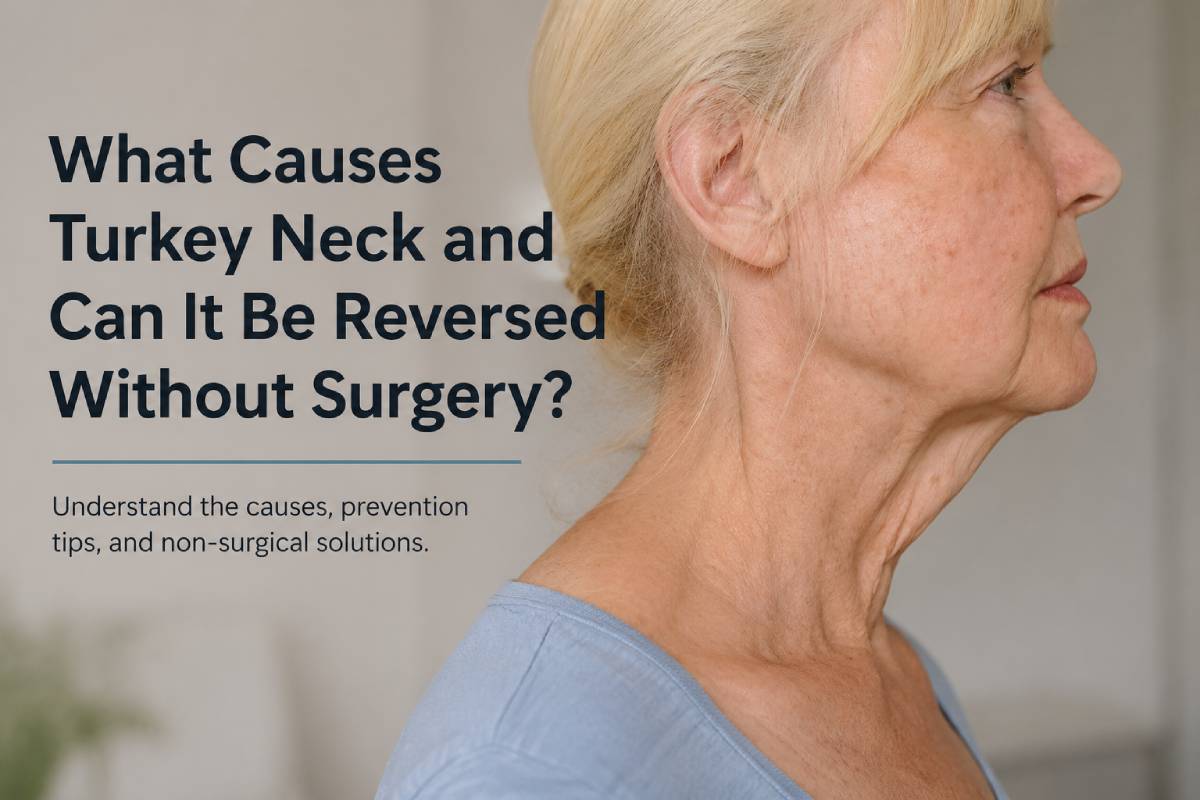
What Causes Turkey Neck and Can It Be Reversed Without Surgery?
Hits: 163
Have you ever looked at a photo of yourself and noticed that your neck seems to have aged faster than your face?
You're not imagining it.
For many people, the neck is one of the first areas to show visible signs of aging. Loose skin under the chin, a softer jawline, and vertical neck bands can develop gradually over time, creating what is commonly known as "turkey neck."
While the term may not sound flattering, turkey neck is an extremely common concern that affects both women and men as they get older.
The good news?
Neck aging is no longer something people simply have to accept. Advances in aesthetic medicine have created a variety of non-surgical options that may help improve neck firmness, stimulate collagen production, and create a smoother, more youthful-looking profile.
In this guide, we'll explain exactly what turkey neck is, why it develops, whether it can be prevented, and what treatment options may help improve it without surgery.
Quick Answer: What Causes Turkey Neck?
Turkey neck is primarily caused by age-related collagen loss, reduced skin elasticity, weakening of the platysma muscle, genetics, sun damage, and weight fluctuations.
As collagen and elastin levels decline, the skin beneath the jawline becomes less firm and more vulnerable to gravity. Over time, this can lead to sagging skin, visible neck bands, wrinkles, and a less defined jawline.
Mild to moderate turkey neck can often be improved with non-surgical treatments such as HIFU and RF Microneedling, while severe cases may require surgical intervention.
What Is Turkey Neck?
Turkey neck refers to lose, sagging, or wrinkled skin that develops beneath the chin and along the front of the neck.
The condition gets its name from its resemblance to the loose skin found beneath a turkey's neck.
Common signs of turkey neck include:
- Loose skin beneath the chin
- Neck wrinkles
- Vertical neck bands
- Loss of jawline definition
- Sagging below the jaw
- Crepey-looking skin
- A heavier appearance in the lower face
Some people notice only mild changes, while others experience more significant sagging that affects their confidence and facial profile.
Why Does Turkey Neck Happen?
Turkey neck rarely develops because of a single factor.
Instead, it is usually caused by several aging processes happening simultaneously.
1. Natural Aging
The biggest cause of turkey neck is the natural aging process.
As we age, our bodies gradually produce less collagen and elastin.
Collagen provides strength and structure to the skin.
Elastin allows the skin to stretch and return to its original shape.
When these proteins decline, skin becomes thinner, weaker, and less resilient. Because the skin on the neck is naturally thinner than many other areas of the body, signs of aging often appear here earlier.
2. Loss of Skin Elasticity
Imagine a brand-new elastic band.
It stretches easily and snaps back into place.
Now imagine that same elastic band after years of use.
It becomes weaker and less responsive.
Skin behaves similarly.
As elasticity decreases, gravity begins pulling the skin downward, leading to lose neck skin and sagging beneath the jawline.
3. Platysma Muscle Changes
The platysma is a thin muscle that extends from the collarbone to the jawline.
As we age, this muscle can weaken and separate.
When this occurs, vertical neck bands often become more visible.
These bands are one of the most recognizable signs of turkey neck.
4. Sun Damage
Many people carefully apply sunscreen to their face but forget their neck.
Years of ultraviolet exposure can accelerate collagen breakdown, causing:
- Wrinkles
- Sagging skin
- Uneven texture
- Pigmentation changes
- Premature aging
This process is often referred to as photoaging.
5. Weight Fluctuations
Significant weight gain or weight loss can affect neck appearance.
Extra fat beneath the chin may stretch the skin.
Later, when weight is lost, the skin may not fully tighten again.
This can leave behind loose or hanging skin.
6. Genetics
Some people are genetically predisposed to develop turkey neck earlier than others.
Genetics may influence:
- Skin thickness
- Collagen production
- Jawline structure
- Fat distribution
- Overall aging patterns
Even when genetics play a role, healthy lifestyle habits can still make a meaningful difference.
Why Does Turkey Neck Make People Look Older?
One of the biggest frustrations people have with turkey neck is that it often creates an age mismatch.
You may feel healthy, energetic, and youthful.
Your face may still look relatively young.
Yet the neck tells a different story.
Because the neck is constantly exposed to gravity, sunlight, movement, and environmental stressors, it often becomes one of the earliest areas to show visible aging.
This is why many people seek neck rejuvenation treatments even before they pursue facial treatments.
At What Age Does Turkey Neck Usually Start?
There is no universal age.
Some individuals notice early neck laxity during their 30s.
Others may not develop noticeable changes until their 50s or 60s.
Factors influencing when turkey neck appears include:
- Genetics
- Sun exposure
- Smoking history
- Hormonal changes
- Weight fluctuations
- Nutrition
- Overall skin quality
For many women, menopause can accelerate collagen loss, making neck aging more noticeable.
Can Turkey Neck Be Prevented?
While aging cannot be stopped entirely, there are steps that may help slow the development of turkey neck.
Wear Sunscreen Daily
Protecting your neck from UV damage is one of the most effective ways to preserve collagen.
Maintain a Stable Weight
Avoiding repeated cycles of weight gain and loss may help reduce skin stretching.
Eat a Skin-Friendly Diet
Foods rich in protein, Vitamin C, zinc, and healthy fats help support collagen production.
Avoid Smoking
Smoking accelerates skin aging and contributes to collagen breakdown.
Follow a Consistent Skincare Routine
Retinoids, peptides, antioxidants, and hydrating ingredients may support healthier-looking skin.
Can Turkey Neck Be Reversed Without Surgery?
Many people assume surgery is their only option.
That's no longer true.
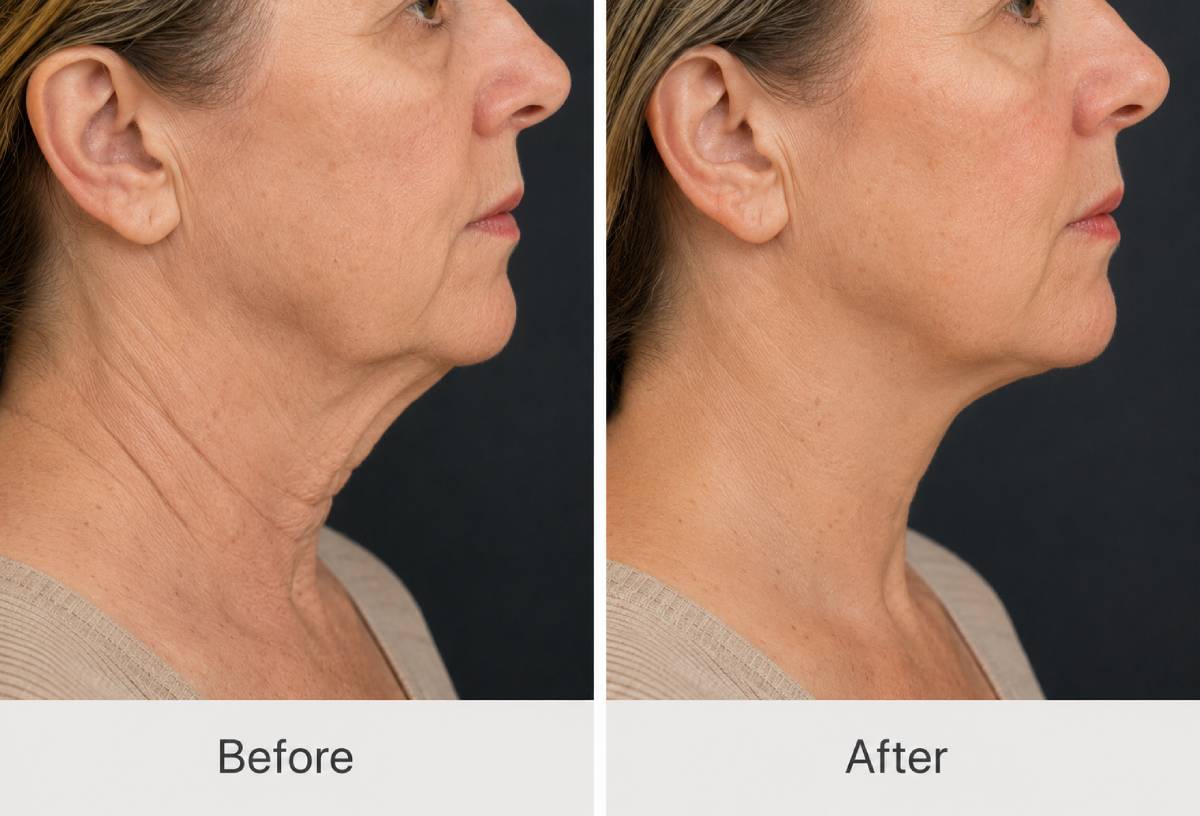
Modern non-surgical treatments can often improve mild to moderate neck laxity by stimulating collagen production and encouraging tissue tightening.
The extent of improvement depends on:
- Age
- Skin quality
- Severity of laxity
- Treatment choice
- Individual healing response
While non-surgical treatments may not produce the same dramatic results as a neck lift, they can often provide noticeable improvements with less downtime.
Wondering If Your Neck Concerns Can Be Improved Without Surgery?
Every neck ages differently.
Some people are dealing with mild skin laxity, while others may have deeper structural changes involving muscle, fat, or collagen loss.
The best way to determine which treatment may be appropriate is through a professional assessment of your skin quality, anatomy, and aesthetic goals.
Best Non-Surgical Treatments for Turkey Neck
HIFU
HIFU uses focused ultrasound energy to stimulate collagen production deep beneath the skin.
Benefits may include:
- Improved neck firmness
- Better jawline definition
- Gradual lifting effect
- Minimal downtime
- Natural-looking results
RF Microneedling
RF Microneedling combines radiofrequency energy with controlled micro-injuries to stimulate collagen remodeling.
It may improve:
- Mild skin laxity
- Crepey neck skin
- Fine lines
- Skin texture
Injectable Treatments
Depending on the cause of the concern, certain injectable treatments may be recommended to support neck rejuvenation and facial harmony.
Medical Grade Skincare
Professional skincare products may help improve overall skin quality and support treatment results.
Additional resources
- How to Treat Horizontal Lines on Your Neck Without Surgery
- Does HIFU Really Reduce Double Chin Fat? What You Should Know Before Trying It
- HIFU Facial Price in Toronto 2026 + What Actually Affects the Cost?
- What Care Is Required After RF Microneedling?
Common Mistakes People Make When Treating Turkey Neck
Relying Only on Neck Creams
Skincare can improve texture but cannot significantly tighten loose skin.
Ignoring Sun Protection
Ongoing UV damage can accelerate collagen loss even after treatment.
Waiting Too Long
Earlier intervention often provides more treatment options.
Choosing Treatments Without a Proper Assessment
Turkey neck can involve skin, fat, muscle, or a combination of all three.
The best treatment depends on identifying the true cause.
When Is Surgery the Better Option?
If severe skin laxity, excess skin, or significant muscle separation is present, a surgical neck lift may provide the most dramatic improvement.
However, many patients today choose to explore non-surgical options first before considering surgery.
Concerned About Turkey Neck?
If loose skin beneath your chin, neck wrinkles, or a less defined jawline has been bothering you, you're not alone.
At Amazing New Face, we offer personalized treatment plans designed to address the underlying causes of neck aging. Whether you're exploring HIFU, RF Microneedling, or other non-surgical rejuvenation options, our experienced team can help you understand what may be suitable for your goals.
Frequently Asked Questions
What is the main cause of turkey neck?
The primary cause is age-related collagen and elastin loss, which leads to reduced skin firmness and increased sagging.
Can exercises get rid of turkey neck?
Exercises may strengthen muscles but generally cannot tighten significant loose skin.
Does losing weight cause turkey neck?
Weight loss can reveal loose skin if elasticity has already declined.
Is turkey neck permanent?
No. Depending on severity, both surgical and non-surgical treatments may help improve its appearance.
Is HIFU effective for turkey neck?
HIFU is commonly used to improve mild to moderate neck laxity by stimulating collagen production.
Can RF Microneedling tighten neck skin?
RF Microneedling may help improve skin firmness, texture, and mild sagging.
At what age does turkey neck start?
Some people notice early signs in their 30s, while others may not see changes until much later.
Can skincare alone fix turkey neck?
Skincare can improve skin quality but generally cannot provide significant lifting of loose skin.
Is turkey neck hereditary?
Yes. Genetics can influence skin quality, collagen production, and aging patterns.
How can I slow neck aging naturally?
Daily sunscreen, healthy nutrition, stable weight management, and avoiding smoking can help support healthier aging skin.
Final Thoughts
Turkey neck is one of the most common signs of aging, but it doesn't happen overnight.
It develops gradually through collagen loss, reduced elasticity, muscle changes, genetics, lifestyle factors, and environmental exposure.
The encouraging news is that many people can improve mild to moderate neck laxity without surgery through modern collagen-stimulating treatments.
The best treatment is not necessarily the most aggressive one.
It's the one that aligns with your anatomy, goals, comfort level, and expectations.
If you're concerned about loose neck skin, a softening jawline, or early signs of neck aging, a professional assessment can help determine which options may be most suitable for your needs.
About Amazing New Face
At Amazing New Face, we believe feeling beautiful should come with clarity, comfort, and confidence not confusion. Our treatments are led by a seasoned aesthetic professional Alireza Hashemnejad a graduate of Tehran University of Medical Sciences, with over 20 years of experience in cosmetic procedures, including fillers, Botox, HIFU, PRP, and more.
As a board member of the Canadian Academy of Facial Esthetics, he brings advanced global knowledge to every consultation blending medical expertise with artistic precision.
With clinics in Thornhill and Whitby, we proudly serve clients across Toronto (the GTA), North York, Richmond Hill, Markham, Pickering, Ajax, and the greater Toronto area. Whether you're exploring aesthetic treatments for the first time or looking to refresh your routine, you’re in expert hands.
Here’s what we offer to help you feel more confident in your skin:
- Dermal Fillers in Toronto – Restore volume, contour features, and smooth out wrinkles
- Botox Injections in Toronto – Gently relax facial lines for a smoother, natural look
- HIFU Facial Treatments in Toronto – non-invasive skin tightening and lifting
- PRP Therapy in Toronto – Stimulate collagen and cellular renewal with your body’s natural power
- RF Microneedling in Toronto – Improve texture, reduce scars, and promote radiance
- Mesotherapy in Toronto – Hydrate and nourish skin with targeted treatments
- Skin Boosters in Toronto– Deep skin hydration for a refreshed, glowing appearance
- Hair Restoration Treatments in Toronto– Support natural growth with PRP-based care
- Fat Dissolving Injections in Toronto– non-surgical solutions for jawline and chin contouring
- Non-surgical Face Lifts in Toronto– Gentle lifting techniques for a refreshed, youthful feel
- Personalized Skin Consultations in Toronto– Tailored treatment advice based on your unique needs
Not ready to visit the clinic just yet?
No problem, you can upload your face photo and share your goals or concerns directly with us. We offer free virtual consultations so you can get professional recommendations without leaving home.
Whether you're looking for a non-surgical facelift in Whitby, exploring skin rejuvenation in Thornhill, or just want to talk to someone who listens we're here for you.
