
Amazing New Face Blog
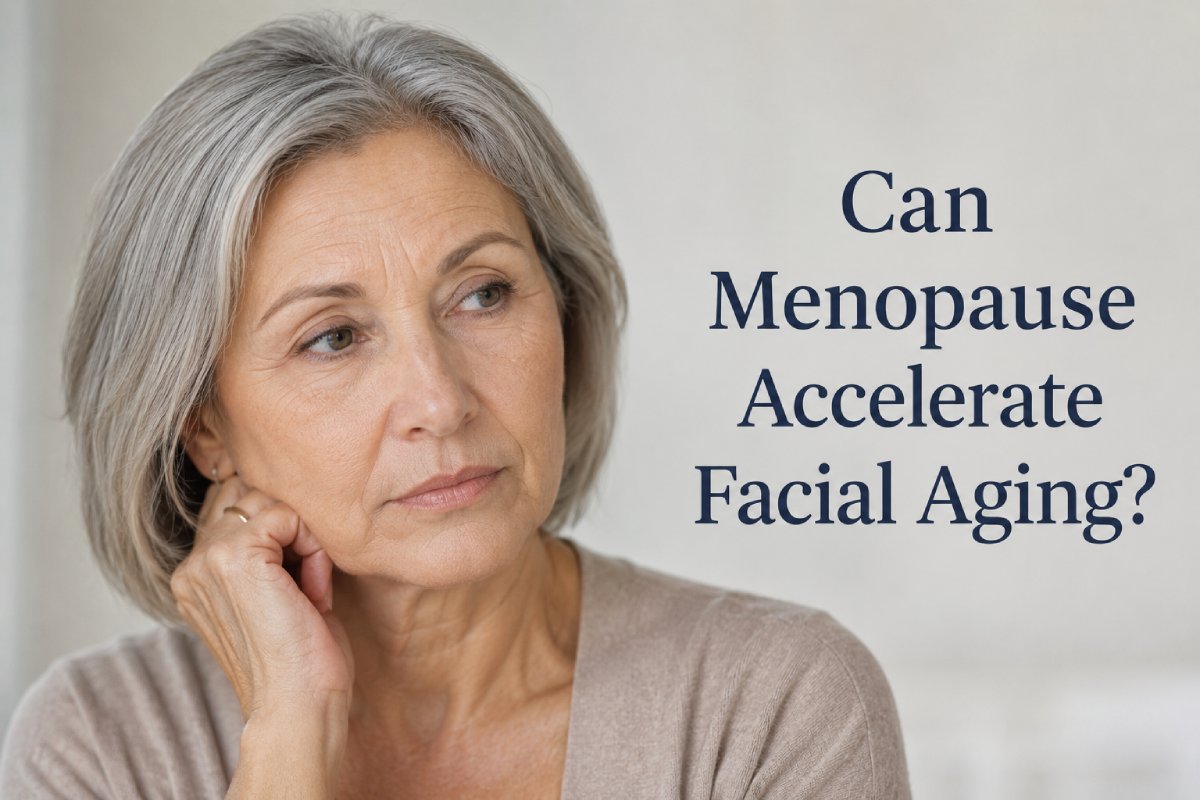
Can Menopause Accelerate Facial Aging? The Surprising Changes Many Women Notice After 45
Hits: 116
One day, you catch your reflection and think:
"Why do I suddenly look more tired?"
You are sleeping reasonably well.
You haven't changed your skincare routine.
You may even be taking better care of yourself than ever before.
Yet your face seems different.
Your cheeks appear flatter.
Your jawline looks softer.
The skin around your mouth seems less firm.
And somehow, you look older than you did just a few years ago.
If this sounds familiar, menopause may be playing a bigger role than you realize.
While aging naturally affects everyone, menopause can accelerate certain facial changes because of the hormonal shifts happening beneath the surface. In fact, many women notice more visible changes to their face during perimenopause and menopause than they did during the previous decade.
The good news?
Understanding what's happening can help you make informed decisions about skincare, lifestyle habits, and non-surgical facial rejuvenation options.
Why Menopause Changes More Than Your Hormones
Most people associate menopause with symptoms like hot flashes, mood changes, and sleep disturbances.
What many women don't realize is that estrogen also plays a major role in maintaining youthful-looking skin and facial structure.
Estrogen helps support:
- Collagen production
- Skin hydration
- Elasticity
- Skin thickness
- Fat distribution
- Tissue repair
- Bone density
As estrogen levels decline, the face gradually loses some of the support systems that help it appear firm, smooth, and refreshed.
This is why many women feel like their appearance changed more during menopause than during the previous ten years combined.
The Hidden Reason Your Face May Suddenly Look Older
One of the biggest contributors to menopause facial aging is collagen loss.
Collagen acts like the structural framework beneath the skin. It helps keep the face firm, resilient, and smooth.
Research has shown that women can lose a significant amount of collagen during the first years following menopause.
As collagen declines:
- Skin becomes thinner
- Wrinkles become more noticeable
- Elasticity decreases
- Sagging becomes more visible
- Facial contours become less defined
This process can make aging appear faster than expected.
Many women describe it as looking in the mirror and feeling like they aged several years in a short period of time.
Why Does Facial Volume Disappear During Menopause?
One of the most common concerns we hear from women exploring facial rejuvenation is:
"Why does my face look tired even when I feel fine?"
The answer often has less to do with wrinkles and more to do with volume loss.
A youthful face typically has smooth, natural fullness throughout the cheeks, temples, and mid-face.
As menopause progresses:
- Facial fat pads shrink
- Fat shifts downward
- Tissue support weakens
- Facial contours change
The result can be a face that appears tired, hollow, or less vibrant.
Hollow Cheeks
Cheek volume gradually decreases, reducing the natural lift and youthful shape of the face.
Sunken Temples
Temple hollowing is often overlooked, but it can contribute significantly to an aged appearance.
Under-Eye Hollows
Volume loss beneath the eyes may create shadows that make you appear exhausted even when you are well rested.
Deeper Smile Lines
As support structures weaken, nasolabial folds may become more noticeable.
Marionette Lines
The lines extending downward from the corners of the mouth can deepen as facial tissues lose support.
Why Sagging Often Becomes More Noticeable
Many women associate sagging skin with age alone.
However, menopause often accelerates the process.
Think of your skin like a fitted sheet stretched over a mattress.
When the mattress loses volume and the elastic weakens, the sheet begins to loosen and fold.
The same thing happens in the face.
When collagen declines and volume decreases, the skin has less support underneath it.
This may affect:
- The jawline
- Lower cheeks
- Neck
- Chin area
- Around the mouth
The result is often reduced facial definition and the development of jowls or loose skin.
Why Menopausal Skin Often Feels Dry and Fragile
Have your favorite skincare products suddenly stopped working?
You are not imagining it.
Lower estrogen levels can reduce the skin's ability to retain moisture.
As hydration decreases, skin may become:
- Drier
- Rougher
- Flakier
- More sensitive
- Less radiant
Dry skin can also exaggerate the appearance of fine lines because the skin surface loses some of its natural plumpness.
This is one reason menopause skin changes often appear more dramatic than they actually are.
Why Some Women Age Faster Than Others During Menopause
Not every woman experience menopause in the same way.
Some notice only mild changes.
Others experience significant facial aging within a relatively short period.
Several factors influence how quickly visible aging occurs.
Genetics
Your genetic makeup plays a major role in skin quality, collagen production, and aging patterns.
Sun Exposure
Years of UV exposure can significantly accelerate collagen breakdown.
Smoking
Smoking reduces circulation and damages collagen, often making menopause-related aging more severe.
Nutrition
A diet rich in protein, antioxidants, vitamins, and healthy fats can help support skin health.
Stress Levels
Chronic stress may increase inflammation and affect skin repair.
Sleep Quality
Sleep is one of the body's most important recovery mechanisms, including for the skin.
What Can You Do to Support Healthier-Looking Skin?
While menopause cannot be stopped, there are practical ways to support your skin during this transition.
Wear Sunscreen Every Day
Daily sun protection remains one of the most effective anti-aging habits available.
Eat More Protein
Protein provides the amino acids needed to support collagen production and tissue repair.
Stay Hydrated
Proper hydration helps support healthy skin function.
Exercise Consistently
Regular physical activity improves circulation and overall wellness.
Avoid Smoking
Few lifestyle habits age the face faster than smoking.
Follow a Consistent Skincare Routine
Simple routines focused on hydration, protection, and skin renewal often perform better than complicated routines that are difficult to maintain.
Which Non-Surgical Treatments May Help?
Many women want to refresh their appearance without looking artificial or overdone.
Fortunately, several non-surgical treatments may help address menopause-related facial aging.
Dermal Fillers
Dermal fillers may help restore lost facial volume in areas such as:
- Cheeks
- Temples
- Jawline
- Nasolabial folds
- Marionette lines
The goal is typically restoration rather than transformation.
Skin Boosters
Skin boosters focus on improving hydration, texture, and overall skin quality.
PRP Therapy
PRP Therapy (Platelet-rich plasma) uses your body's own growth factors to support natural rejuvenation.
RF Microneedling
RF microneedling stimulates collagen while helping improve skin firmness and texture.
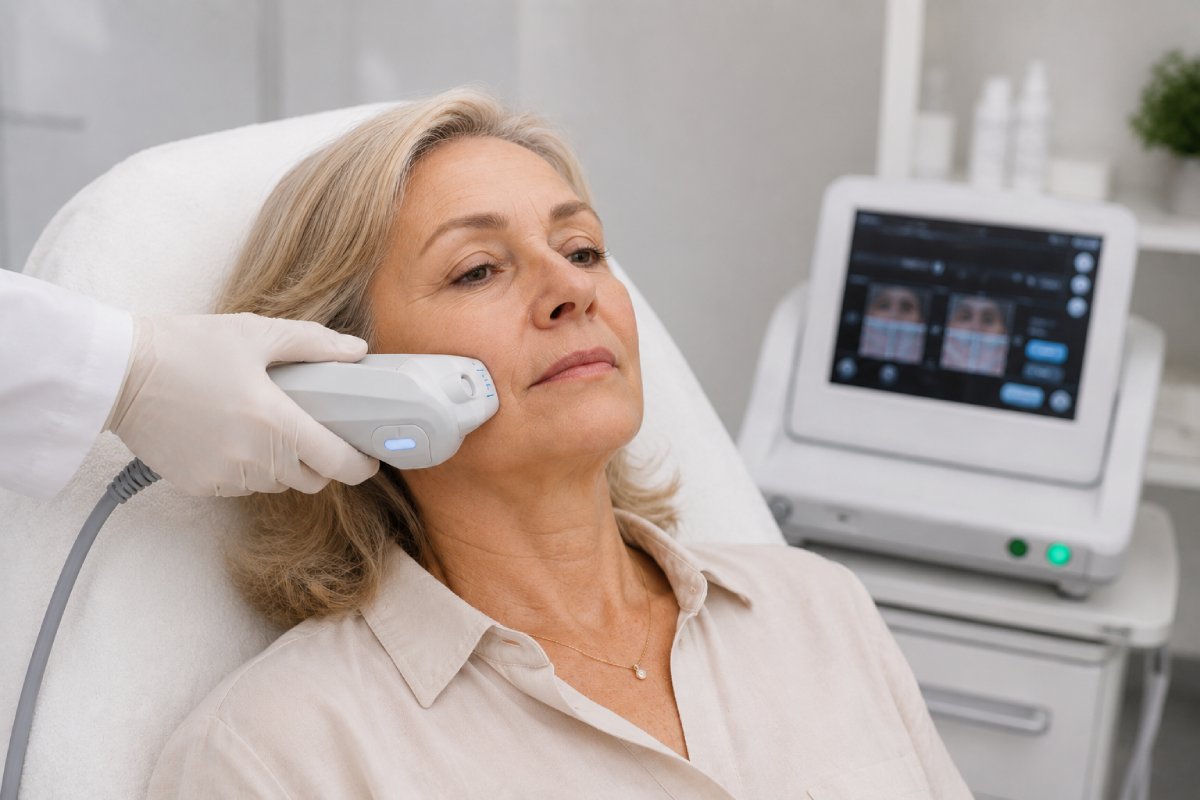
HIFU
HIFU (High-Intensity Focused Ultrasound) can help tighten deeper layers of tissue without surgery.
Botox
Botox may soften dynamic wrinkles caused by repeated muscle movement, including forehead lines and crow's feet.
The most effective treatment plan is always personalized to the individual rather than based on trends.
Additional resources
- Why Are More Women in Richmond Hill Choosing Skin Tightening Over Fillers?
- HIFU Facial Price in Toronto 2026 + What Actually Affects the Cost?
- Examining the Difference Between PRP and Skin Boosters in Facial Rejuvenation
- Is PRP Better Than Mesotherapy?
Looking Refreshed Doesn't Mean Looking Different
One of the biggest misconceptions about facial rejuvenation is that treatment should make you look like a different person.
The best outcomes usually do the opposite.
They help you look like yourself—just healthier, fresher, and less tired.
For many women experiencing menopause-related facial aging, subtle improvements can often create more natural-looking results than dramatic changes.
Thinking About Your Options?
If menopause has left your face looking hollow, saggy, tired, or less vibrant than it used to, you are not alone.
At Amazing New Face, we help clients understand their options with honest guidance and personalized recommendations.
Whether your concerns involve volume loss, wrinkles, skin laxity, or overall facial rejuvenation, the goal is always the same: helping you look refreshed while maintaining a natural appearance that still feels like you.
Book a consultation with Amazing New Face to receive personalized guidance and discover which treatment options may be right for your face, skin, and confidence.
Frequently Asked Questions
Does menopause really make you look older?
Yes. Menopause can accelerate visible aging because declining estrogen levels affect collagen production, skin thickness, hydration, elasticity, and facial volume. While aging happens naturally over time, menopause can speed up these changes, making wrinkles, sagging, and volume loss appear more noticeable within a relatively short period.
Why does my face look older after menopause?
Many women experience a combination of collagen loss, reduced skin hydration, and facial volume depletion during menopause. These changes can affect the cheeks, jawline, temples, and skin quality, creating an appearance that looks older, more tired, or less defined than before.
Can menopause cause sagging cheeks?
Yes. Reduced collagen, elastin, and facial support structures can contribute to flatter cheeks and increased sagging. As facial fat pads shrink and shift downward, the cheeks may lose their youthful shape and lift.
What are the most common menopause skin changes?
The most common changes include dryness, thinning skin, increased sensitivity, reduced elasticity, deeper wrinkles, and a loss of natural radiance. Many women also notice slower healing and a decrease in overall skin firmness.
What is the best treatment for menopause-related facial aging?
The ideal treatment depends on the specific concern. Some women benefit most from dermal fillers to restore volume, while others may benefit from skin boosters, PRP, RF microneedling, HIFU, or Botox. A personalized assessment is usually the best way to determine the most appropriate option.
Can facial aging caused by menopause be reversed?
Aging cannot be completely reversed, but many visible signs can often be improved. A combination of healthy lifestyle habits, effective skincare, and personalized non-surgical treatments may help restore volume, improve skin quality, enhance firmness, and create a more refreshed appearance.
Final Thoughts: Menopause May Change Your Face, But It Doesn't Have to Define It
Menopause is a natural stage of life, but the facial changes that often come with it can feel unexpected.
From collagen loss and reduced skin hydration to facial volume loss and skin laxity, hormonal changes can influence how your face looks and ages. For many women, these changes happen gradually. For others, they may seem to appear almost overnight.
The important thing to remember is that these changes are common—and they are not simply a reflection of getting older.
Understanding the connection between menopause and facial aging allows you to make informed decisions about skincare, lifestyle habits, and treatment options that align with your goals.
Whether your priority is prevention, maintenance, or rejuvenation, the most effective approach is one that respects your natural facial features rather than trying to change them.
With the right guidance, healthy habits, and personalized treatment plan, it is possible to support your skin, restore facial balance, and maintain a refreshed appearance throughout every stage of life.
After all, looking your best during menopause isn't about looking younger than everyone else.
It's about looking healthy, confident, and like the best version of yourself.
About Amazing New Face
At Amazing New Face, we help clients navigate facial aging with clarity, confidence, and honest guidance.
Our treatments are led by Alireza Hashemnejad, a graduate of Tehran University of Medical Sciences with more than 20 years of experience in cosmetic and non-surgical facial rejuvenation, including dermal fillers, Botox, HIFU, PRP, RF microneedling, skin boosters, and other advanced aesthetic treatments.
If menopause has left your skin looking thinner, drier, less firm, or if you've noticed facial volume loss, sagging, or deeper wrinkles, we can help you explore personalized treatment options designed to restore balance and refresh your appearance while maintaining natural-looking results.
With clinic locations in Thornhill and Whitby, we proudly serve clients throughout Toronto and the GTA, including Richmond Hill, North York, Markham, Vaughan, Pickering, Ajax, and surrounding communities.
Not ready to visit the clinic yet?
Book a consultation with Amazing New Face and discover which treatment options may be right for your skin, facial structure, and confidence.
