
Amazing New Face Blog
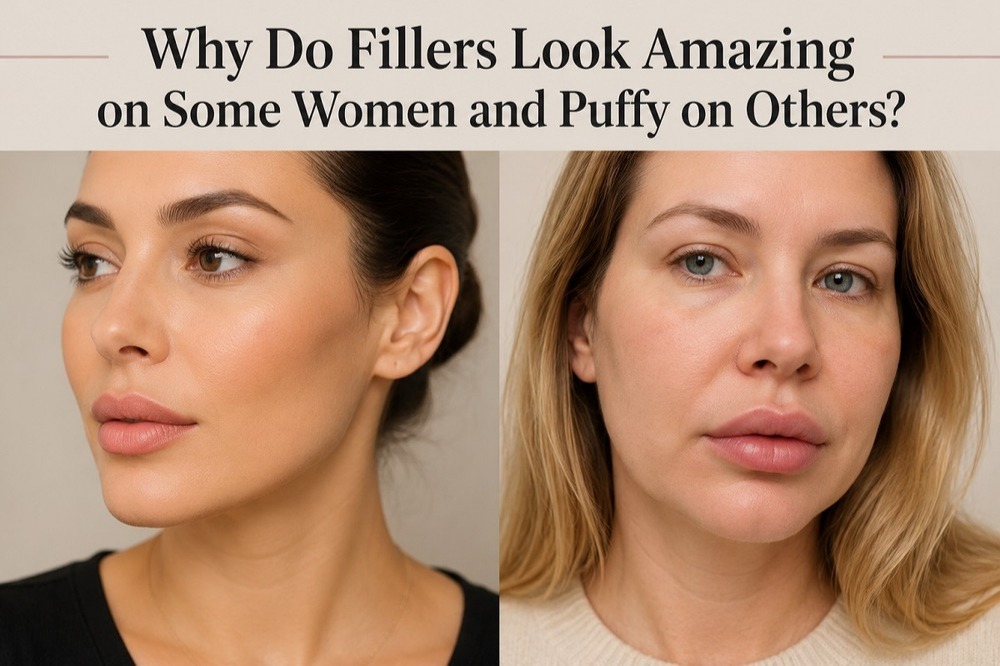
Why Do Fillers Look Amazing on Some Women and Puffy on Others?
Hits: 213
One of the biggest lies social media sold women over the past few years, was that more filler automatically meant more beauty.
For a while, the internet made it seem like sharper cheeks, bigger lips, ultra-snatched jawlines, and frozen smoothness were the definition of youth.
But something interesting started happening.
Women quietly began noticing that some cosmetic work aged beautifully, while other results looked swollen, stiff, heavy, or strangely unnatural.
And honestly?
That shift changed the entire conversation around fillers.
Today, many women are no longer asking:
“How much filler should I get?”
They’re asking:
“How do I still look like myself, just fresher, softer, and less tired?”
That’s a much smarter question.
Because the truth is:
Fillers themselves usually are not the problem.
Modern dermal fillers can look incredibly natural when used correctly.
The difference between elegant filler and puffy filler usually comes down to:
- facial anatomy
- injector skill
- filler placement
- long-term planning
- restraint
- product selection
- and understanding when NOT to inject
That last one matters more than people realize.
The best filler work often goes unnoticed.
People simply think:
- you look healthier
- more rested
- happier
- younger somehow
Not “overdone.”
And that’s usually the goal.
What Actually Makes Fillers Look Natural?
Natural-looking filler respects the face instead of fighting against it.
That’s the real secret.
A skilled injector doesn’t just chase wrinkles or randomly add volume.
They study:
- bone structure
- facial proportions
- muscle movement
- skin quality
- facial symmetry
- age-related volume loss
- how light naturally hits your face
Because beauty is not just volume.
It’s balance.
Two women can receive the exact same filler product in the exact same area, and end up with completely different outcomes.
Why?
Because every face ages differently.
Every face carries volume differently.
And every face reacts differently to filler.
Natural filler usually focuses on:
- restoring lost support
- improving transitions between facial areas
- subtle lifting
- soft hydration
- rebuilding harmony
Not dramatically changing identity.
Ironically, the women whose filler looks best often receive less product than people assume.
That surprises a lot of patients.
But natural beauty usually survives through:
- movement
- softness
- proportion
- believable facial contours
Not excessive volume.
Why Do Some Fillers Look Puffy or “Off”?
This is where things get interesting.
Puffy filler rarely happens overnight.
Usually, it happens slowly.
A syringe today.
A touch-up six months later.
A little more lip filler.
A little more cheek projection.
Then eventually the face starts looking:
- swollen
- stretched
- heavier
- wider
- less expressive
This is sometimes called:
- “Filler fatigue”
- “Overfilled syndrome”
- or “pillow face”
And it became much more common during the peak social media filter era.
The issue is not always “too much filler at once.”
More often it’s:
- too much filler over time
- poor placement
- layering new filler over old filler repeatedly
- using the wrong filler type
- treating areas that were never ideal candidates
Some women also naturally retain water more easily.
Since many hyaluronic acid fillers attract water, certain faces become puffier faster than others.
That’s why one woman can tolerate cheek filler beautifully, while other starts looking swollen very quickly.
Why Some Women Actually Look Older After Fillers
This is something many people are afraid to say out loud.
But yes, certain filler treatments can accidentally age the face instead of rejuvenating it.
Especially when volume becomes excessive.
Why?
Because aging is not simply “losing fullness.”
Aging is also:
- skin laxity
- collagen loss
- bone resorption
- facial descent
- changes in muscle support
- shifting fat pads
If someone keeps adding filler without addressing those deeper structural changes, the face can eventually look:
- bulky
- heavy
- wide
- unnatural in motion
Overfilled cheeks can distort natural shadows.
Too much under-eye filler can make the face look tired instead of refreshed.
Excessive lip filler can overpower delicate facial features.
And sometimes overly projected cheeks actually pull attention toward aging rather than away from it.
This is why modern aesthetics is slowly shifting toward:
- collagen stimulation
- skin quality
- subtle structure
- prevention
- facial harmony
Rather than chasing maximum volume.
The hardest part about filler isn’t usually the treatment itself.
It’s knowing what actually fits your face, and what doesn’t.
The Social Media Effect Nobody Talks About
Filters changed beauty psychology more than people realize.
For years, women constantly saw:
- poreless skin
- ultra-defined jawlines
- oversized lips
- exaggerated cheekbones
- unnaturally lifted eyes
Eventually, those filtered proportions started feeling “normal.”
But real human faces are supposed to move.
They are supposed to have softness.
They are supposed to have natural variation.
What photographs well on Instagram does not always look beautiful in real life.
In fact, some of the most overfilled faces look perfectly fine in selfies, but noticeably unnatural in person.
That’s one reason many celebrities have quietly started dissolving filler.
The trend now is moving toward:
- natural movement
- skin texture
- collagen health
- softer contours
- subtle rejuvenation
Women are becoming less interested in looking “different.”
And much more interested in looking healthy.
Honestly?
That’s probably one of the healthiest changes the beauty industry has seen in years.
Does Age Affect How Fillers Look?
Absolutely.
A 28-year-old face and a 55-year-old face do not need filler in the same way.
Younger women usually still have:
- stronger collagen support
- firmer skin
- better elasticity
- more stable facial structure
Older women often experience:
- volume loss
- tissue descent
- skin laxity
- bone changes
- reduced collagen production
This is why simply “adding volume” is not always the best anti-aging strategy.
Sometimes the face needs:
- lifting
- tightening
- collagen stimulation
- texture improvement
before filler is even considered.
That’s why treatments like:
- HIFU
- RF microneedling
- skin boosters
- PRP
- collagen stimulators
are becoming increasingly popular alongside conservative filler treatments.
In many cases, combining treatments creates far more natural results than relying only on filler.
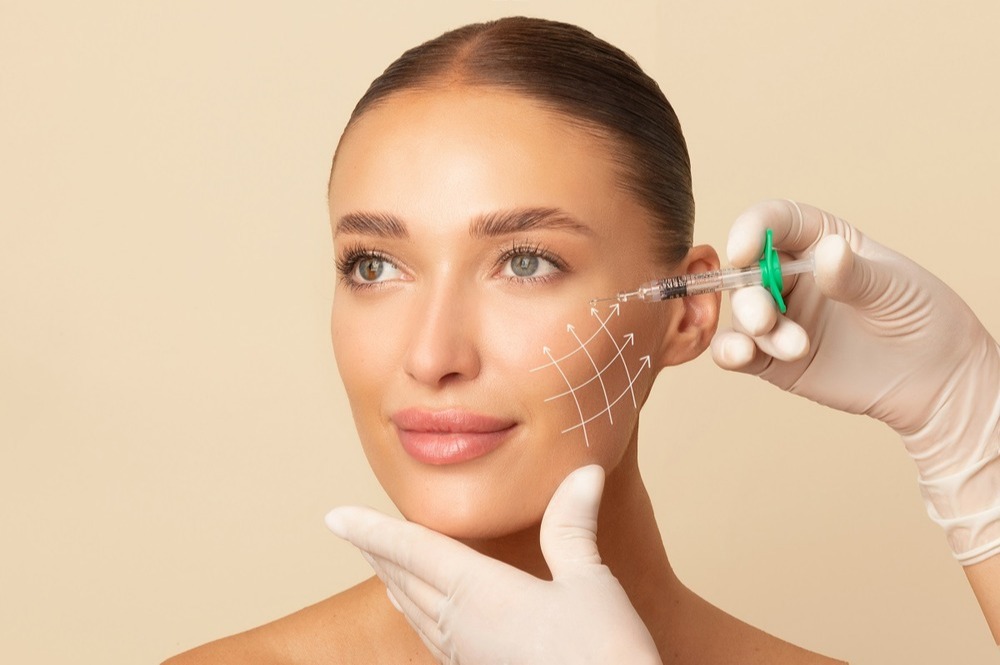
Which Areas Puff Up the Most with Fillers?
Some facial areas are naturally more sensitive to swelling and heaviness.
Under-Eye Filler
This area is extremely delicate.
It also holds water easily.
Poorly placed under-eye filler can create:
- puffiness
- swelling
- visible bags
- unnatural shadows
- strange lighting effects
And here’s the truth many clinics avoid saying:
Not everyone is actually a good candidate for under-eye filler.
Sometimes the issue is:
- skin laxity
- fat pads
- genetics
- fluid retention
not volume loss.
That distinction matters.
Cheek Filler
Cheek filler can look beautiful when done conservatively.
But excessive cheek volume often creates:
- “Pillow face”
- widened facial appearance
- unnatural projection
- heaviness during smiling
Over time, repeated cheek filler can also alter how light and shadow move across the face.
That’s one reason some women eventually feel like their face no longer looks like “them.”
Lip Filler
Natural lips usually still move naturally.
They respect:
- facial proportions
- cupid’s bow shape
- side profile balance
Overfilled lips often happen when:
- borders are stretched excessively
- filler migrates above the lip
- volume exceeds natural anatomy
This creates the “duck lip” effect many women fear.
Ironically, subtle lip filler usually looks much more youthful long term.
Can Fillers Stay in the Face for Years?
This has become one of the biggest conversations in aesthetics.
For years, filler marketing often implied:
“Fillers dissolve quickly and completely.”
But newer imaging studies suggest some fillers may remain longer than expected in certain people.
That does NOT automatically mean filler is dangerous.
But it does mean treatments should be approached thoughtfully.
In some patients:
- filler accumulates gradually
- tissues stretch slowly over time
- water retention increases
- facial heaviness develops years later
This is why many experienced injectors now prefer:
- smaller amounts
- longer spacing between appointments
- conservative maintenance
- dissolving old filler when necessary
The industry is slowly moving away from “constant topping up.”
And honestly?
That’s probably a good thing.
Why Facial Anatomy Matters More Than Trends
Not every filler trend suits every face.
This is extremely important.
A treatment that looks incredible on one woman may look completely wrong on another.
For example:
- petite faces can become overwhelmed quickly
- softer facial structures may appear puffy faster
- some ethnic facial anatomies already naturally carry beautiful volume
- certain faces benefit more from contouring than added fullness
Good aesthetic work respects individuality.
It does not try to copy someone else’s face.
That’s where many cosmetic mistakes begin.
How Experienced Injectors Prevent Puffy Results
The best injectors usually focus on harmony first.
Not syringes.
That’s a massive difference.
A thoughtful consultation often includes questions like:
- What bothers you most?
- Do you want subtle or dramatic changes?
- How does your face move naturally?
- Have you had filler before?
- Is this truly volume loss, or something else?
- Would another treatment work better first?
Experienced injectors also know when to say:
“No.”
And honestly?
That’s usually a very good sign.
Because ethical aesthetic work is not about selling the maximum number of syringes.
It’s about protecting long-term facial balance.
At clinics like Amazing New Face, consultations often focus heavily on:
- facial harmony
- natural movement
- individualized planning
- long-term aesthetics
rather than simply following cosmetic trends.
Not every face needs more filler.
Sometimes the most natural-looking result comes from combining subtle filler with skin tightening or collagen-support treatments.
A personalized consultation can help determine what actually works best for your face long term.
How To Avoid Looking Overfilled
Start Conservatively
You can always add more later.
Overcorrection is much harder to reverse.
Focus on Structure, Not Size
Youthfulness usually comes from:
- balance
- contour
- skin quality
- support
not maximum volume.
Avoid Chasing Social Media Faces
Filters are not realistic anatomy.
Your treatment should fit YOUR face.
Not an algorithm.
Choose an Injector Who Sometimes Says “No”
This is underrated.
A provider willing to refuse unnecessary filler usually prioritizes long-term aesthetics over short-term profit.
Space Treatments Properly
Constantly topping up filler increases the risk of:
- migration
- heaviness
- stretched tissues
- facial puffiness
Consider Collagen-Stimulating Treatments
Sometimes:
- HIFU
- RF microneedling
- PRP
- skin boosters
create more elegant rejuvenation than simply adding more filler.
What Questions Should You Ask Before Getting Fillers?
Before treatment, ask:
“Am I Actually a Good Candidate for Filler?”
Not every cosmetic concern is caused by volume loss.
“Could Another Treatment Work Better First?”
Sometimes tightening or collagen stimulation creates better natural outcomes.
“How Much Product Do You Recommend?”
Be cautious if large amounts are recommended immediately.
“What Happens If I Don’t Like the Results?”
Understanding dissolving options matters.
“How Will This Look Long-Term?”
The best aesthetic planning considers your future face, not just today’s selfie.
Additional resources
- What Questions Should You Ask the Doctor Before Injecting Fillers?
- Cheek Fillers vs Jawline Fillers: Which Gives the Best Lift?
- What is the best type of filler for under the eyes?
- Will Facial Filler Injections Cause Sagging in the Future?
FAQs
Why do fillers look fake on some people?
Usually because too much product was used, placement was poor, or the treatment ignored natural facial proportions.
Can filler make your face look wider?
Yes. Excessive cheek or mid-face filler can widen facial appearance over time.
What causes “pillow face”?
“Pillow face” usually refers to excessive facial fullness caused by repeated filler treatments and accumulated volume.
Can filler puffiness go away?
Mild swelling often improves after healing, but long-term puffiness may require dissolving filler.
Is less filler actually more attractive?
In many cases, yes. Conservative filler often creates more natural and youthful-looking results.
Can old filler stay in your face for years?
Some newer studies suggest certain fillers may remain longer than originally expected in some patients.
Why are celebrities dissolving fillers?
Many celebrities are moving toward more natural aesthetics and softer facial movement.
Is under-eye filler risky?
Under-eye filler requires careful technique because the area easily retains water and swelling.
How do I avoid looking overfilled?
Choose an experienced injector, start conservatively, and focus on balance instead of maximum volume.
What’s the biggest mistake people make with fillers?
Trying to copy social media trends instead of choosing treatments suited to their own facial anatomy.
Final Thoughts
The difference between beautiful filler and puffy filler usually is not luck.
It is planning.
Natural filler respects:
- anatomy
- movement
- proportion
- restraint
- long-term harmony
Puffy filler usually happens when trends override balance.
And thankfully, the beauty industry is slowly changing.
Women are becoming less interested in looking “done.”
And far more interested in looking:
- healthy
- rested
- confident
- naturally refreshed
The women who age best cosmetically usually are not the ones chasing dramatic transformation.
They are the ones protecting softness, movement, facial identity, and balance.
Because the best aesthetic work rarely changes who you are.
It simply helps you look more like yourself again.
About Amazing New Face
At Amazing New Face, we believe great aesthetic work starts with clarity, not pressure.
Every treatment is approached with balance, structure, and long-term skin health in mind, not short-term trends or exaggerated results.
Led by Dr. Alireza Hashemnejad, a graduate of Tehran University of Medical Sciences, board member of the Canadian Academy of Facial Esthetics, and practitioner with over 20 years of experience, our clinic focuses on subtle, natural-looking outcomes that still feel like you.
We offer treatments including Botox injections, dermal fillers, HIFU therapy, RF microneedling, PRP, skin boosters, and personalized non-surgical skin tightening plans tailored to your facial structure, skin quality, and goals.
With locations in Thornhill and Whitby, Amazing New Face serves clients across Toronto and the GTA who want thoughtful treatment planning instead of rushed cosmetic decisions.
Not ready for an in-person visit yet?
We also offer complimentary
At Amazing New Face, it’s never about doing more.
It’s about doing what makes sense for your face.
