
Amazing New Face Blog
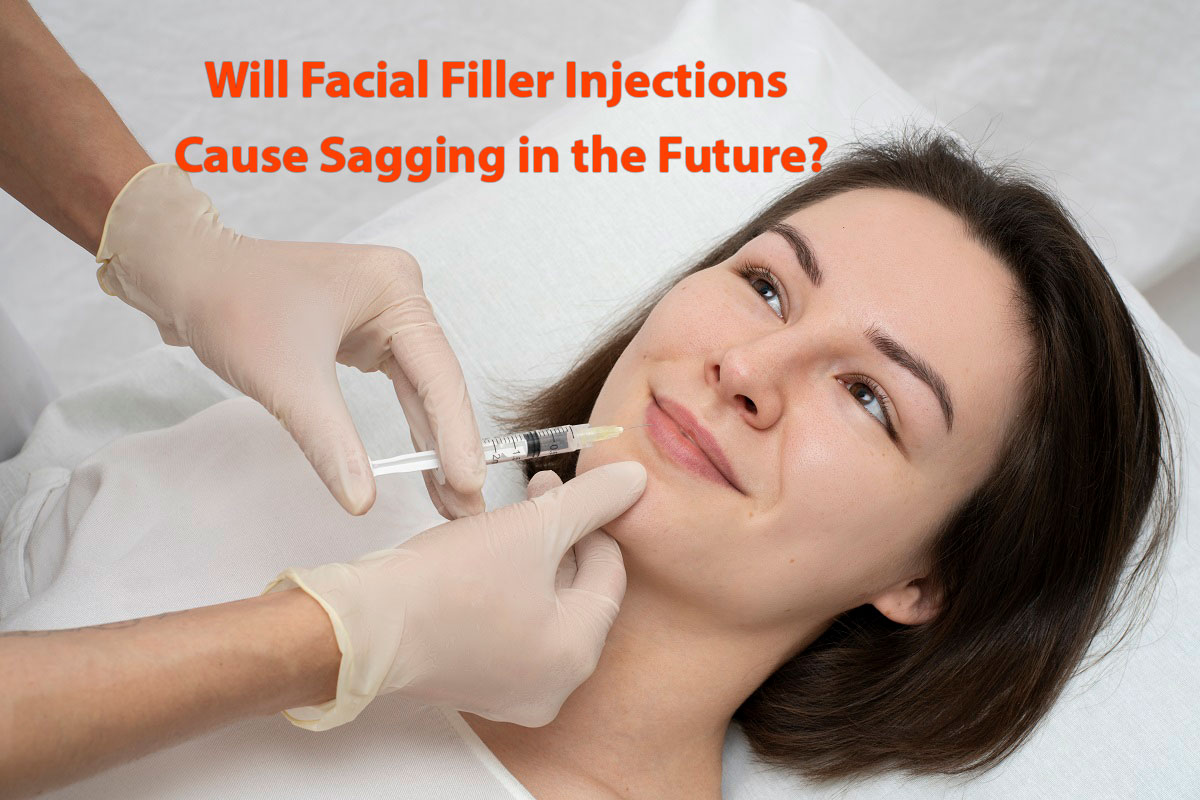
Will Facial Filler Injections Cause Sagging in the Future?
Hits: 321
If you’ve ever wondered, “Will fillers make my face sag later?”, you’re not alone.
It’s one of the most common fears women share before getting injectables. And it makes sense: you want to look refreshed today without paying for it tomorrow.
The good news? The real answer is much more reassuring than the Internet myth cycle suggests.
Let’s get into it.
Do Facial Fillers Cause Sagging Later?
The short answer: Not when they’re used properly.
High‑quality hyaluronic acid (HA) fillers don’t “stretch” your skin or cause it to sag later. In fact, fillers can temporarily support areas that naturally lose volume over time.
But here’s where the myth comes from:
If a face is overfilled, filled with the wrong product, or injected in the wrong layer, the results can look puffy, and once that swelling dissolves, the contrast can look like sagging. But the filler didn’t cause the sagging. It just revealed what was already there.
Think of it like taking out a couch you used to block a dent in the wall; the dent didn’t suddenly appear; it was always there.
Why Are People Worried About Sagging?
Because sagging is emotionally loaded.
Sagging = aging.
Aging = loss of control.
It’s easy to see how injectables get blamed for something that’s actually happening beneath the surface, loss of collagen, changes in bone structure, gravity, genetics, sun exposure, and lifestyle.
Most people don’t wake up and think:
“I bet my maxilla has resorbed 2 mm and now my midface support is compromised.”
Nope. We think:
“Why do I look tired lately?”
“Why is my jawline softer?”
“Did last year’s filler make this worse?”
So, let’s break it down simply.
How Fillers Actually Work (Explained in Real People Language)
Fillers don’t stretch the skin - they support it
Hyaluronic acid fillers act like tiny, soft cushions under the skin. Your own body is full of HA naturally: in your joints, your eyes, your connective tissue. The kind used for injectables is just a more stable version.
When placed correctly, fillers:
- Lift shadows
- Recreate youthful contours
- Replace lost volume
- Support tissues that are starting to descend
They’re like scaffolding for a structure that’s gently settling with time.
Most fillers dissolve slowly and naturally
Depending on the type of filler and where it’s placed, it gradually breaks down over 6–24 months. Your body metabolizes it, like dissolving sugar in tea.
No stretching.
No permanent distortion.
No long-term stretching effect.
Can Fillers Reveal Sagging? Yes, but that’s different from causing it.
Here’s the part most people misunderstand.
When filler dissolves, your original aging becomes visible again.
Let’s say your cheeks were losing volume before treatment, but you didn’t notice. You get filler, and everything looks smooth and lifted. Two years later, when the filler fades, you suddenly see:
- flatter cheeks
- deeper under‑eye hollows
- heavier nasolabial folds
- a slightly softer jawline
It’s natural to think, “This filler made me sag.”
But what you’re seeing is the underlying aging that was already in motion.
Think of it like taking off a push‑up bra.
Nothing changed, you just see your natural shape again.
Does Overfilling Cause Sagging?
Here’s the only scenario where fillers might contribute indirectly.
If a face is repeatedly overfilled, the weight of excess product can push tissues downward.
This doesn’t happen with light, balanced, strategic enhancements.
It happens when:
- too much filler is added too often
- filler is placed in the wrong plane
- the injector is chasing lines instead of restoring structural support
- the face becomes swollen or “pillow-like”
But even then, it’s not permanent. Once excessive filler dissolves or is dissolved with hyaluronidase, tissues usually return to their baseline state.
Good injectors avoid overfilling at all costs.
Filler is about proportion, not quantity.
What Actually Causes Facial Sagging Over Time?
If fillers aren’t the villain, then what is?
Here’s the real science, explained simply.
1. Bone Loss
Our facial bones shrink with age, especially around the cheeks, jawline, and eye sockets. That creates less “scaffolding” to hold tissues up.
2. Fat Pad Shifting
Your facial fat pads deflate and migrate downward.
3. Collagen + Elastin Decline
These proteins keep skin firm and springy. After age 25, we lose about 1% of collagen each year.
4. Gravity
The classic culprit.
5. Lifestyle Factors
Sun, smoking, poor sleep, alcohol, weight fluctuations, all speed up sagging.
6. Genetics
Your DNA is the project manager of your aging process.
None of these are caused by filler.
Why Some People Say They Look Worse After Stopping Fillers
This is such a common concern, and the answer is almost always:
The aging continued while the filler was in place, you just didn’t notice it.
It’s like painting a room.
When the colour is fresh, everything looks clean.
When the paint fades years later, the room suddenly looks older, but the walls didn’t suddenly age the day the paint faded. They aged over time.
Fillers can mask aging.
When they dissolve, you see the real timeline.
Are Newer Fillers Better for Preventing Sagging?
Short answer: Yes, modern fillers are much more advanced.
The industry shifted from “filling lines” to restoring structure.
Today’s injectors use fillers with:
- better lifting capabilities
- longer-lasting results
- more natural integration
- softer, more flexible textures
- less swelling
- more predictable outcomes
Plus, techniques have evolved.
Instead of injecting directly into folds, experts now restore the support pillars of the face:
- cheeks
- temples
- jawline
- chin
This approach looks natural and prevents overfilling.
What About Long-Term Filler Use? Is That Safe?
Good question, and an important one.
Long-term filler use is generally very safe when:
- treatments are spaced appropriately
- low doses are used
- product is chosen thoughtfully
- structural areas are prioritized
- regular check‑ins ensure the face is never overfilled
Some women prefer a “maintenance microdose” approach, tiny amounts every 12–24 months. Others space treatments out longer.
There’s no one right answer.
But long-term use does not stretch the skin or cause sagging.
How to Prevent Sagging Over Time (With or Without Fillers)
Here’s what truly helps support your face long-term.
- Choose an injector who specializes in natural, subtle results
Experience matters more than product choice.
- Focus on support, not surface lines
Treat the foundation first, cheekbones, jawline, chin.
- Keep treatments minimal and spaced out
Less is more.
Your face should never look “done.”
- Combine fillers with collagen‑boosting treatments
Examples include:
- microneedling
- radiofrequency
- laser treatments
- biostimulators like Sculptra or Radiesse* (non-HA)
- daily skincare with retinoids and SPF
These improve the skin, not the volume.
- Build healthy daily habits
Small lifestyle choices have a huge impact on sagging:
- SPF 30–50 daily
- consistent sleep
- hydration
- stable weight
- gentle skincare
Youthfulness is cumulative.

What If You Already Feel Saggy After Fillers?
You have options, and you’re not stuck.
- Let the filler naturally dissolve
Most HA fillers fade within 6–18 months.
- Dissolve with hyaluronidase
If you dislike the amount or placement, it can be reversed safely.
- Start fresh with a more strategic plan
A skilled provider can restore harmony with:
- better filler choice
- lighter doses
- improved placement
- combination treatments
- structural rather than superficial injections
Feeling “off” after fillers is fixable, often easily.
Voice Search Q&A: Natural, Everyday Answers
These are designed to match how people speak when they ask Google, Siri, or Alexa.
“Can fillers make your face sag later?”
Not when used properly. Sagging comes from aging, not filler. Overfilling can make things look puffy temporarily, but it doesn’t cause permanent sagging.
“Do fillers stretch your skin?”
No. Hyaluronic acid fillers don’t stretch the skin. They integrate softly and dissolve naturally over time.
“Why do I look worse after my filler dissolved?”
Because the filler was masking natural aging changes. When it fades, you see what was already happening beneath the surface.
“What happens if I stop getting fillers?”
Your face slowly returns to its natural baseline. You won’t sag more or age faster.
“Is long-term filler use safe?”
Yes, when used conservatively by an experienced injector who prioritizes natural results.
“How do I prevent sagging as I age?”
Support your skin with sunscreen, good sleep, skincare, and strategic collagen‑boosting treatments.
The Biggest Shift in Filler Philosophy: Less Volume, More Structure
If you feel like fillers used to look different years ago, you’re right.
Modern aesthetic medicine has moved away from:
- filling lines
- pumping cheeks
- creating “pillow faces”
And toward:
- subtle lifting
- contouring
- supporting ligaments
- enhancing bone structure
- harmonizing the face
This new structural approach prevents the overfilled look and avoids the heaviness that used to give fillers a bad reputation.
How to Know If Fillers Are Right for You
Not everyone needs fillers, and not everyone benefits the same way.
They may be a good fit if you want to:
- soften tired or sagging areas
- restore lost volume
- subtly lift the midface
- refine contours
- look refreshed, not different
They’re probably not the best option if you:
- want permanent changes
- dislike the idea of maintenance
- prefer skin‑only treatments
- need significant lifting (a surgical lift may be more appropriate)
A good consultation will help you understand realistic options.
If you’re still unsure what’s right for you after reading this, a quick call can make all the difference. We’ll take a look, talk through your goals, and help you understand what genuinely suits your face, no pressure, no commitment.
What to Ask Your Injector Before Getting Fillers
These questions empower you without sounding confrontational.
- What’s your approach to avoiding overfilling?
- Which filler are you recommending and why?
- How long will this product last in this area?
- What’s your philosophy on natural results?
- Will you be supporting the deeper structure or treating the surface?
- How can we combine fillers with skin treatments for better long-term aging?
Confidence comes from understanding, not guessing.
Additional resources
- Cheek Fillers: Lift, Volume, or Both?
- Are Filler Injections the New Secret to a More Masculine, Chiseled Look?
- Most Effective Anti-Aging Treatment Over 40 in Thornhill & GTA
- Your Complete Guide to Choosing the Right Cosmetic Clinic in Richmond Hill
The Bottom Line: Fillers Don’t Cause Sagging. Poor Technique Does.
Fillers, when used thoughtfully, do not make your face sag later.
They don’t stretch your skin.
They don’t accelerate aging.
They don’t leave lasting damage.
What they can do is:
- lift
- contour
- refresh
- enhance
- restore youthful structure
Sagging happens naturally over time due to bone loss, collagen decline, fat pad changes, and gravity, not filler.
When fillers get a bad reputation, it’s usually because
the wrong technique, too much product, or poor placement created unnatural fullness.
In the right hands, filler is subtle, strategic, and incredibly natural.
About Amazing New Face
At Amazing New Face, every treatment starts with understanding your face - not with selling a procedure.
Before recommending any treatment, we carefully assess your facial structure, muscle activity, skin condition, and natural proportions. The goal is never to change how you look, but to enhance the features that already make you uniquely beautiful.
The clinic is led by Dr. Alireza Hashemnejad, a board member of the Canadian Academy of Facial Esthetics with more than 20 years of experience. His philosophy combines medical precision with an artistic eye, focusing on results that look balanced, subtle, and completely natural - simply a refreshed version of you.
From Botox and dermal fillers to HIFU, mesotherapy, PRP, RF microneedling, skin boosters, Hair Regrowth Mesotherapy, fat‑dissolving treatments, and personalized non‑surgical lifting plans, each treatment is carefully customized to match your facial anatomy and long‑term skin goals. Nothing is rushed, and there is never a one‑size‑fits‑all approach.
With locations in Thornhill and Whitby, Amazing New Face proudly welcomes clients from Toronto and across the GTA who value thoughtful treatment planning and natural‑looking results.
Not ready to visit the clinic yet? A complimentary virtual consultation is available so you can ask questions, explore your options, and feel confident before making any decisions.
At Amazing New Face, the philosophy is simple:
It’s not about doing more treatments.
It’s about choosing the right treatment - for your face, your comfort, and your confidence.
