
Amazing New Face Blog
Facial Volume Loss vs. Skin Laxity: Why HIFU Is Not the Answer to Every Aging Concern
Hits: 5
Your cheeks look flatter than before, and your jawline seems less defined. Would HIFU treatment improve both concerns, or could it address only part of the problem?
Facial aging affects different tissues in different ways. Some changes involve loose skin, while others result from reduced facial volume, changes in skin texture, or a combination of factors.
HIFU treatment may improve certain types of skin laxity, but it cannot replace lost facial volume or correct every age-related change.
Understanding these differences helps you decide whether HIFU is worth considering before committing to a procedure.
Table of Contents
- At a Glance – Key Takeaways
- Facial Volume Loss vs. Skin Laxity: What's the Difference?
- What Can HIFU Treatment Actually Improve?
- When Might HIFU Be the Wrong Choice?
- HIFU for the Jawline and Neck: What Matters?
- HIFU Results, Risks, and Expectations
- How Can a HIFU Consultation Guide Your Decision?
- Frequently Asked Questions
- Summary
- About Amazing New Face
At a Glance – Key Takeaways
- Skin laxity involves reduced skin firmness and elasticity.
- Facial volume loss affects fullness and facial contours.
- HIFU uses focused ultrasound energy to encourage tissue tightening.
- HIFU does not replace lost cheek or under-eye volume.
- Mild to moderate laxity may respond better than significant sagging.
- Results vary depending on anatomy, skin condition, and treatment factors.
- A consultation helps determine whether HIFU or another approach is appropriate.
Facial Volume Loss vs. Skin Laxity: What's the Difference?
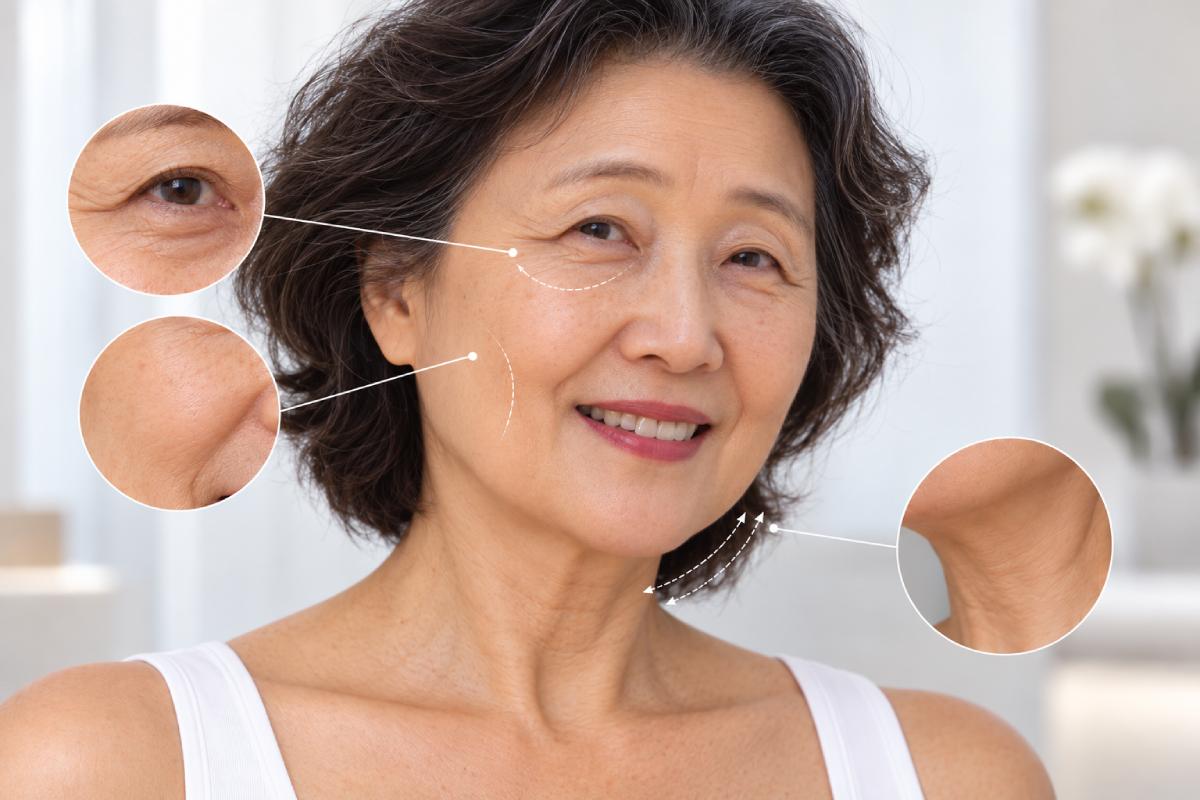
Facial volume loss and skin laxity are different changes that can occur together. Volume loss affects facial fullness and structural contours, while skin laxity involves reduced firmness and elasticity. Although both can change the appearance of your cheeks and jawline, they do not necessarily respond to the same treatment.
What causes facial volume loss?
Facial fullness depends partly on fat compartments, bone structure, and other supporting tissues.
Over time, changes in these structures may lead to:
- Flatter-looking cheeks
- More noticeable under-eye hollows
- Reduced temple fullness
- Changes in facial contours
- Deeper shadows in certain lighting
These changes are not automatically signs that treatment is necessary.
However, someone whose main concern is lost fullness may not benefit from skin tightening alone.
What causes skin laxity?
Skin laxity develops as skin loses some of its firmness and elasticity. Changes in collagen, elastin, sun exposure, and natural aging can contribute.
Common signs include looser skin around the jawline, reduced firmness beneath the chin, and mild neck sagging.
Skin texture is another separate concern. Fine surface lines, roughness, and uneven pigmentation may require different approaches.
Recognizing which change matters most is essential before selecting a treatment.
What Can HIFU Treatment Actually Improve?
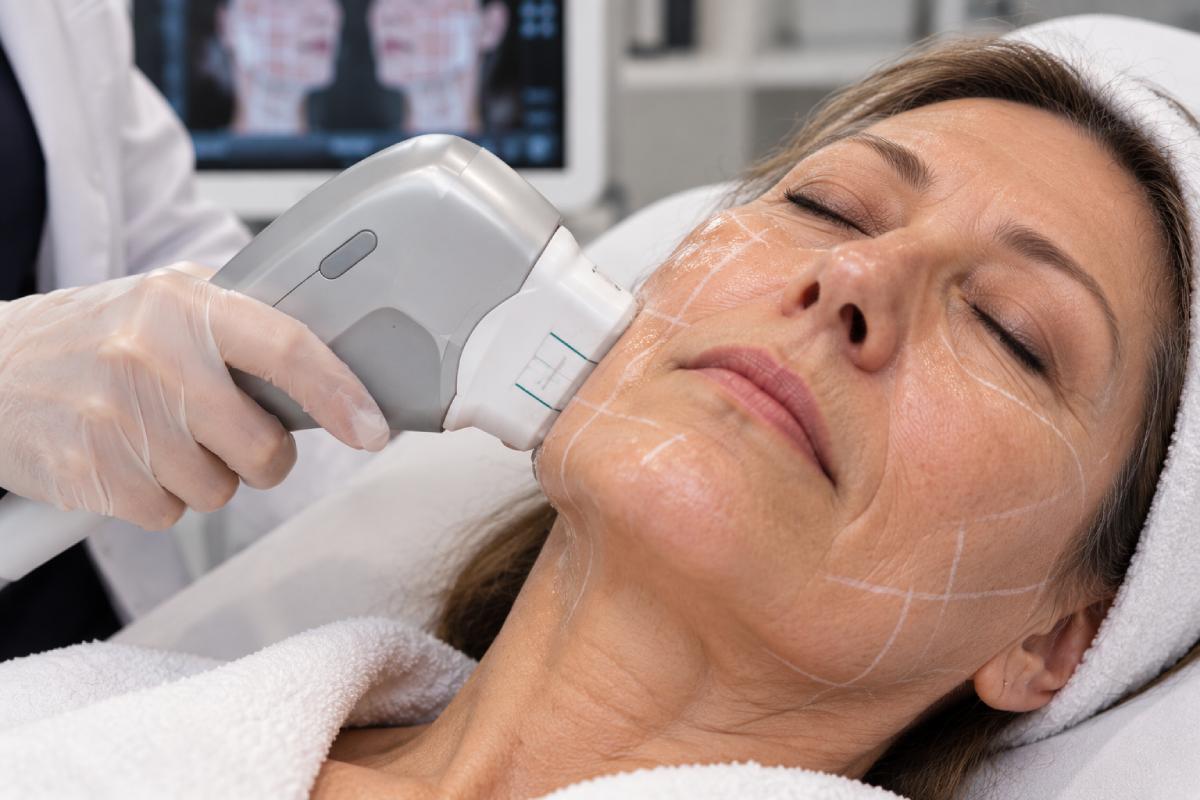
HIFU treatment uses focused ultrasound energy to heat targeted tissue beneath the skin. This process may stimulate collagen remodelling and gradually improve firmness. Clinical research suggests that certain ultrasound-based skin-tightening treatments can help mild to moderate facial laxity, although results depend on the device, technique, and individual characteristics.
How does HIFU skin tightening work?
Unlike treatments that primarily target the skin's surface, HIFU delivers energy to selected deeper tissues.
The resulting tissue response may gradually improve skin firmness.
Potential treatment concerns include:
- Mild jawline laxity
- Loose skin beneath the chin
- Selected lower-face concerns
- Certain neck laxity concerns
However, these potential improvements should not be interpreted as guaranteed outcomes.
What are HIFU's limitations?
HIFU does not restore facial fat, fill hollow cheeks, or replace lost structural volume.
It also cannot produce the same degree of tissue repositioning as surgery.
Someone expecting substantial lifting or restored facial fullness may therefore find HIFU unsuitable for their goals.
When Might HIFU Be the Wrong Choice?
HIFU may be less suitable when the main concern involves significant facial volume loss, pronounced skin sagging, or surface texture rather than laxity. Treatment suitability also depends on facial anatomy, tissue thickness, previous procedures, medical history, and individual expectations. An assessment should determine whether ultrasound tightening addresses the actual concern.
When facial volume loss is the main issue
Consider two people who notice changes around their cheeks.
One has relatively full cheeks but mild skin looseness along the jawline.
The other has flatter cheeks and noticeable under-eye hollows but relatively firm skin.
The first person may have a concern that skin tightening could potentially improve.
The second may benefit more from discussing facial volume and structural support.
Dermal fillers are sometimes considered for selected volume concerns, but they carry risks and are not appropriate for everyone.
When loose skin is more advanced
HIFU has limits when treating significant skin laxity.
People expecting dramatic lifting may not achieve their desired result through non-surgical skin tightening.
A qualified healthcare professional may discuss other approaches, including whether surgical assessment is appropriate.
When skin texture is the concern
Roughness, pigmentation, and certain fine lines may not respond meaningfully to tightening alone.
Depending on the person's skin and medical history, other skin-focused treatments may be considered.
The goal should be choosing an appropriate approach, not automatically combining multiple procedures.
HIFU for the Jawline and Neck: What Matters?
HIFU jawline and neck treatment planning depends on the degree of skin laxity, tissue characteristics, and individual anatomy. Mild looseness may be more responsive than significant sagging. However, reduced jawline definition can also result from fat distribution or changes in facial structure, which HIFU may not adequately address.
HIFU for jawline definition
A less-defined jawline does not always mean the skin needs tightening.
Natural facial structure, tissue volume, and fat distribution can all influence its appearance.
If mild skin laxity is the main concern, HIFU may be considered. If the expected change involves reshaping the jawline, its limitations should be discussed.
HIFU neck treatment
The neck requires individual assessment because skin thickness, underlying anatomy, and treatment-area characteristics vary.
Not everyone with visible neck changes is a suitable candidate.
For people exploring non-surgical skin tightening in Thornhill, Whitby, or the GTA, understanding the cause of the concern matters more than choosing a procedure based on popularity.
HIFU Results, Risks, and Expectations
HIFU results generally develop gradually as tissues respond to treatment. Some individuals may experience improved firmness, while others notice limited changes. Temporary discomfort, redness, tenderness, and swelling can occur, and less common complications are possible. Outcomes and risks vary according to the device, treatment technique, and individual characteristics.
When can results appear?
HIFU does not immediately replace lost tissue or mechanically reposition the face.
Its potential tightening effects depend on collagen remodelling, which takes time.
The degree of improvement varies, and additional sessions should not be assumed necessary simply because the initial result appears subtle.
What side effects should you consider?
Reported effects of cosmetic ultrasound tightening include temporary redness, tenderness, discomfort, and swelling.
Less common complications, including burns, nerve-related symptoms, and tissue injury, have also been described.
The exact risks depend on the specific device and treatment.
A consultation should cover potential complications, contraindications, and realistic expectations. Unexpected or concerning symptoms after treatment should be discussed promptly with the treating clinic or an appropriate healthcare professional.
How long do results last?
The duration of improvement depends on individual tissue response, skin condition, and treatment factors.
There is no guaranteed timeline that applies to everyone.
For a more detailed discussion, read How Long Do HIFU Results Last? Everything You Need to Know.
- HIFU Downtime: What Should You Plan for After a Session?
- Does HIFU Affect Facial Fat? Who Should Be More Cautious?
- HIFU Facial Price in Toronto 2026 + What Actually Affects the Cost?
- Expectations from a HIFU Session: A Step-by-Step Guide to a Non-Surgical Facelift
How Can a HIFU Consultation Guide Your Decision?
A HIFU consultation should establish whether the main concern is skin laxity, volume loss, texture, or a combination of factors. It should also address treatment suitability, possible complications, alternatives, and realistic outcomes. A well-informed decision may involve choosing HIFU, considering another approach, or deciding against treatment.
What should the consultation assess?
A HIFU consultation may include an evaluation of:
- Skin laxity and facial contours
- Facial volume and tissue thickness
- Previous cosmetic procedures
- Relevant medical history
- Expected results and treatment limitations
- Possible risks and alternative treatments
Ask which device will be used, whether it is appropriate for the intended treatment, and who will perform the procedure.
Considering HIFU in Thornhill or Whitby?
Amazing New Face offers aesthetic services, including HIFU, at its Thornhill and Whitby locations.
You can learn more about the clinic through the Amazing New Face website.
If you are unsure whether your concern involves skin laxity or lost facial volume, you can Request Consultation to discuss your goals and possible options before making a treatment decision.
Frequently Asked Questions
1. Can HIFU treatment restore lost facial volume?
No. HIFU primarily targets tissue tightening rather than volume restoration. If your cheeks look flatter or your under-eye area appears hollow, the concern may involve underlying tissue volume rather than loose skin. A consultation can help determine whether skin tightening would be relevant.
2. How can I tell whether I have skin laxity or volume loss?
Skin laxity generally involves loose or less-firm skin, while volume loss affects facial fullness and contours. Both may occur together, making them difficult to distinguish through photographs alone. An in-person assessment can help identify the contributing factors and appropriate options.
3. Is HIFU suitable for a thin face?
Not necessarily. People with naturally thin faces or limited facial fat should have their anatomy carefully assessed. Treatment-related tissue changes may be an important consideration when facial hollowing is already a concern. Suitability depends on the individual and the specific treatment approach.
4. Can HIFU improve a sagging jawline?
HIFU may improve selected cases of mild to moderate jawline skin laxity. However, jawline definition also depends on anatomy, fat distribution, and facial volume. If those factors are responsible for the appearance, ultrasound tightening alone may not provide the desired change.
5. Is HIFU better than dermal fillers?
Neither treatment is universally better. HIFU is generally considered for certain skin-tightening concerns, while dermal fillers may address selected volume or contour concerns. Each has limitations and risks. The appropriate choice depends on the underlying issue and an individualized assessment.
6. Can HIFU be combined with other treatments?
HIFU may be considered alongside other aesthetic treatments, but combining procedures is not suitable for everyone. Treatment timing, facial anatomy, previous procedures, skin condition, and potential risks must be evaluated carefully. A consultation can help determine whether combining treatments offers a meaningful benefit or whether a single approach is more appropriate.
7. What should I ask before booking HIFU?
Ask whether your concern is primarily laxity, volume loss, or texture. Discuss the device being used, possible risks, expected improvements, and alternative options. A useful consultation should explain what HIFU can realistically accomplish and why it may or may not be appropriate.
Summary
Facial volume loss and skin laxity may look similar, but they involve different changes and may require different approaches. HIFU treatment can be an option for selected skin-tightening concerns, yet it cannot restore lost facial volume or correct every age-related change. Understanding your anatomy, treatment limitations, and realistic expectations is the foundation of informed aesthetic treatment planning.
About Amazing New Face
Amazing New Face provides aesthetic services at its Thornhill and Whitby locations in Ontario. Its service offerings include HIFU, dermal fillers, microneedling, RF microneedling, and selected skin-focused procedures.
For people exploring non-surgical facial treatments, understanding the differences between facial volume loss, skin laxity, and texture concerns is an important starting point. The clinic offers consultations to discuss aesthetic goals and available options.
Not sure whether HIFU treatment is right for your skin concerns? You can
Book a consultation with Amazing New Face to discuss whether HIFU skin tightening is appropriate for your facial volume, skin laxity, and aesthetic goals.
