
Amazing New Face Blog
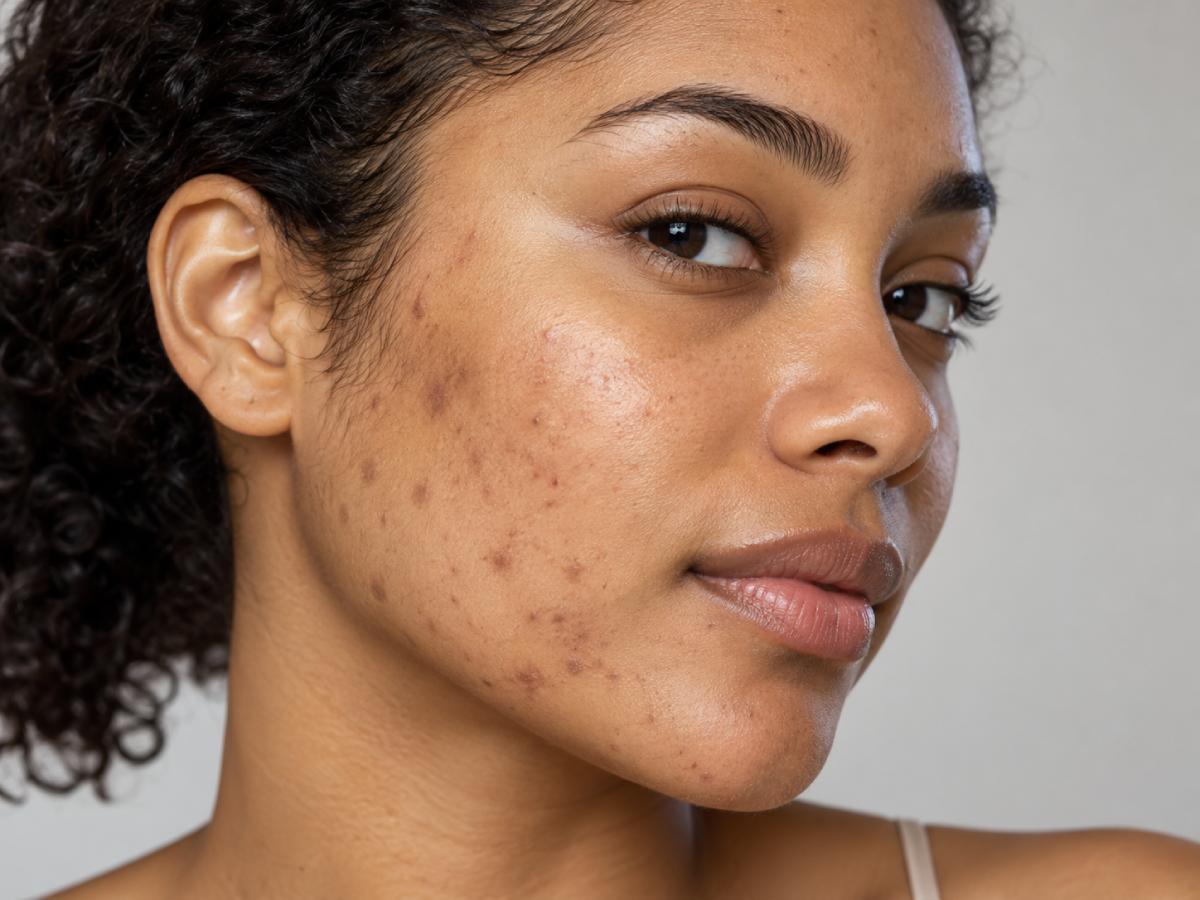
How Skin Type and Pigmentation Risk Can Affect Microneedling Planning
Hits: 21
Two people can receive microneedling for the same skin concern and experience different reactions. One person's skin may recover quickly, while another develops lingering dark marks or irritation.
If your skin tends to develop pigmentation after acne, scratches, or inflammation, this difference matters.
Microneedling is often considered for acne scars, uneven skin texture, and certain signs of ageing. However, skin tone, pigmentation history, sensitivity, and treatment settings can influence the planning process.
Understanding these factors can help you make a more informed decision before booking a procedure.
Table of Contents
- At a Glance – Key Takeaways
- How Does Skin Type Affect Microneedling?
- Why Does Pigmentation Risk Matter Before Microneedling?
- How Do Microneedling Depth and Settings Affect Results?
- Who May Need a More Cautious Approach?
- What Should You Discuss Before Treatment?
- How Does Aftercare Affect Recovery?
- Frequently Asked Questions
- Summary
- About Amazing New Face
At a Glance – Key Takeaways
- Skin type matters: Skin tone, sensitivity, and healing history can influence treatment planning.
- Pigmentation is a consideration: Skin inflammation may cause post-inflammatory hyperpigmentation (PIH).
- Darker skin needs individualized assessment: Darker skin is not automatically unsuitable for microneedling.
- Treatment depth varies: Deeper microneedling does not necessarily mean better results.
- Some conditions require caution: Active inflammation, infections, or unusual scarring may affect suitability.
- Aftercare matters: Appropriate skincare and sun protection can support recovery.
- Consultation comes first: Skin history and treatment goals should be assessed before proceeding.
How Does Skin Type Affect Microneedling?
Skin type affects microneedling planning because people differ in pigmentation, sensitivity, and healing responses. Although microneedling may be considered across different skin tones, treatment settings should reflect individual characteristics rather than follow the same approach for everyone.
Skin Tone vs. Skin Response
Skin tone is only one factor.
The Fitzpatrick skin phototype classification describes how skin typically reacts to ultraviolet exposure, including tanning and burning tendencies.
However, it cannot predict every reaction to a cosmetic procedure.
Two people with similar skin tones may have different experiences with inflammation, scarring, or discolouration.
For example, one person may recover from acne without visible marks. Another may develop brown patches that remain for months.
This history can help guide a microneedling consultation.
What About Darker Skin?
People with darker skin tones may be more prone to post-inflammatory hyperpigmentation following skin injury.
That does not automatically rule out microneedling.
Instead, providers should consider previous pigmentation problems, current skin condition, and the amount of inflammation a proposed treatment may cause.
The goal is an individualized approach that accounts for both potential benefits and risks.
Why Does Pigmentation Risk Matter Before Microneedling?
Pigmentation risk matters because microneedling creates controlled skin injuries. The resulting inflammation can sometimes trigger post-inflammatory hyperpigmentation, leaving darker areas after the initial irritation fades. People with a history of persistent dark marks may need more cautious treatment planning.
Understanding Post-Inflammatory Hyperpigmentation
Post-inflammatory hyperpigmentation, or PIH, occurs when skin produces excess pigment following inflammation or injury.
Common triggers include:
- Acne and inflammatory breakouts
- Eczema or skin irritation
- Burns and minor injuries
- Certain cosmetic procedures
PIH can affect all skin tones but is particularly common in darker skin.
Pigmentation and Skin Texture Are Different
Not every uneven-looking complexion has the same cause.
Depressed acne scars affect the skin's surface, while post-inflammatory pigmentation creates flat dark marks.
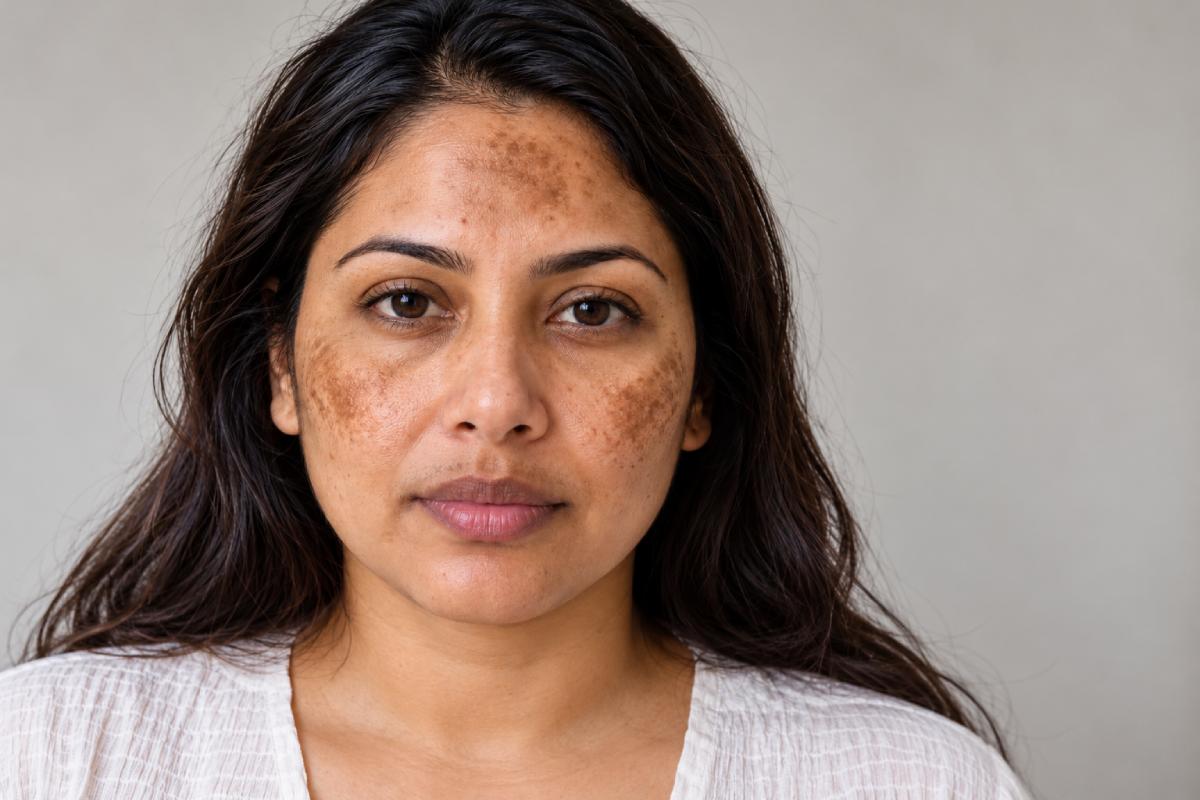
Melasma is another condition that can cause patches of discolouration.
These concerns may require different approaches.
Microneedling is often discussed as a skin texture treatment, but it may not be the appropriate first option when pigmentation is the primary concern.
Identifying what is causing the visible change is an important part of planning.
How Do Microneedling Depth and Settings Affect Results?
Microneedling depth influences how much controlled injury is created in the skin. Treatment settings may vary depending on the concern, facial area, skin characteristics, and equipment used. More aggressive treatment does not automatically provide better results and may increase irritation or unwanted reactions.
Why Depth Should Be Individualized
Different skin concerns involve different tissue structures.
Superficial texture changes and deeper acne scars may require different treatment considerations.
Skin thickness also varies across facial areas.
A provider should explain why the proposed microneedling depth is appropriate for the intended concern rather than applying identical settings everywhere.
Can Deeper Treatment Increase Pigmentation Risk?
Greater tissue injury can create more inflammation, which may contribute to pigmentation changes in susceptible individuals.
However, depth alone does not determine risk.
Technique, skin condition, previous reactions, and aftercare also matter.
Someone with a history of persistent dark marks may benefit from a more conservative discussion about the proposed treatment.
For additional information, explore Amazing New Face's microneedling treatment page.
Who May Need a More Cautious Approach?
People with previous pigmentation problems, active skin inflammation, unusual scarring, or delayed healing may require additional assessment before microneedling. Depending on the circumstances, treatment may need to be postponed or a different approach considered.
Previous Pigmentation Problems
If acne, scratches, or cosmetic procedures have caused persistent dark marks, mention this during your consultation.
Previous reactions may offer useful information about how your skin responds to inflammation.
Active Acne or Irritated Skin
Microneedling is generally not appropriate over active skin infections or significant inflammatory breakouts.
Skin that is already irritated may respond unpredictably to further injury.
Addressing the underlying condition before treatment may be necessary.
Keloid Scars or Healing Concerns
People with a history of keloid scarring or unusual wound healing should discuss these concerns with an appropriately qualified healthcare professional.
Microneedling is not suitable for everyone.
Melasma and Persistent Discolouration
Melasma requires particular consideration because inflammation can sometimes worsen pigmentation.
A dermatological assessment may be appropriate before an elective procedure, especially when pigmentation is unexplained or persistent.
If you are comparing different procedures, read Who Should Avoid RF Microneedling?.
RF microneedling uses radiofrequency energy in addition to needles, so its treatment considerations differ from conventional microneedling.
What Should You Discuss Before Treatment?
A microneedling consultation should review your skin concerns, pigmentation history, previous reactions, and expectations. The provider should also explain potential risks, anticipated downtime, and the reasons behind the proposed treatment plan. A consultation is an opportunity to determine whether proceeding is appropriate.
Seven Useful Microneedling Questions
- Is microneedling appropriate for my main skin concern?
- Does my skin history suggest a higher pigmentation risk?
- How will treatment depth be selected?
- What downtime or reactions should I expect?
- Should existing irritation be addressed first?
- What aftercare instructions will I need?
- What should I do if unusual discolouration develops?
Be prepared to discuss relevant medical history, medications, allergies, and previous cosmetic treatments.
Do not change prescribed medication without advice from the healthcare professional responsible for your care.
A skin rejuvenation consultation should also explain what results remain uncertain and whether alternative options deserve consideration.
How Does Aftercare Affect Recovery?
Microneedling aftercare supports recovery after the skin barrier has been temporarily disrupted. Unnecessary irritation and ultraviolet exposure can complicate healing, particularly for people prone to pigmentation changes. Aftercare instructions should reflect the procedure performed and the individual's skin response.
Common Skin Reactions
Temporary redness, tenderness, swelling, dryness, or mild discomfort may occur after treatment.
Microneedling downtime varies depending on treatment intensity and individual healing.
Some people may also experience pigmentation changes or other complications.
Practical Aftercare Considerations
Your provider may recommend:
- Gentle cleansing and suitable skincare
- Avoiding strong exfoliating products during early recovery
- Appropriate sun protection
- Following instructions about makeup and active skincare ingredients
- Monitoring unusual or persistent reactions
If significant irritation, unexpected pigmentation, or concerning symptoms develop, contact the treating clinic or a qualified healthcare professional.
Microneedling Consultations in Thornhill and Whitby
Amazing New Face offers microneedling services at its Thornhill and Whitby locations.
Adults in the GTA considering treatment can review the clinic's aesthetic services before discussing their individual concerns.
Ready to discuss your skin concerns?
You can request a consultation with Amazing New Face to explore whether microneedling may be appropriate for your skin type, pigmentation history, and expectations.
- Can HIFU and Microneedling Be Part of the Same Treatment Plan?
- RF Microneedling in Toronto: 12 Questions to Ask Before Your First Session
- PRP vs Microneedling for Facial Skin: Which Treatment Is Better?
- A Complete Guide to Before and After Microneedling Care
Frequently Asked Questions
Is microneedling suitable for darker skin tones?
Microneedling may be considered for darker skin tones, but suitability depends on individual circumstances. People with darker skin may be more susceptible to post-inflammatory pigmentation changes. A consultation should evaluate previous reactions, current skin condition, and the proposed treatment approach before deciding whether to proceed.
Can microneedling cause hyperpigmentation?
Yes. Microneedling creates controlled skin injuries that can trigger inflammation and, occasionally, post-inflammatory hyperpigmentation. People who develop dark marks after acne or irritation may be more susceptible. Appropriate planning and aftercare can help reduce avoidable risks, but pigmentation changes cannot be completely ruled out.
Does microneedling depth affect downtime?
Treatment depth can influence the degree of skin injury and may affect recovery. However, downtime also depends on technique, skin characteristics, and individual healing responses. Your provider should explain the expected recovery for the proposed procedure rather than assuming everyone will experience the same timeline.
Can microneedling improve acne scars and dark spots?
Microneedling may improve certain depressed acne scars and texture concerns, but dark spots are different from scars. Pigmentation caused by acne or melasma may require another approach. An assessment can help determine the main concern and whether microneedling is a reasonable treatment option.
Should people with sensitive skin avoid microneedling?
Sensitive skin does not automatically make someone unsuitable for microneedling. However, active irritation, dermatitis, or other skin conditions may require additional caution. A provider should assess the skin's current condition and previous reactions before recommending treatment. Sometimes postponing the procedure is the more appropriate choice.
What should I avoid after microneedling?
Avoid harsh exfoliation and potentially irritating skincare products during early recovery unless your provider advises otherwise. Follow specific instructions about cleansing, sun protection, makeup, and returning to your normal skincare routine. Aftercare needs vary, so personalized recommendations are preferable to general advice found online.
Summary
Skin type and pigmentation history are important considerations when planning microneedling. Previous reactions, skin sensitivity, treatment depth, and aftercare can influence the procedure and recovery. Although microneedling may be suitable for different skin tones, no single approach works for everyone. A thorough consultation helps clarify potential benefits, limitations, and risks before treatment.
About Amazing New Face
Amazing New Face is an aesthetic services clinic with locations in Thornhill and Whitby, Ontario. Its services include RF microneedling, dermal fillers, HIFU Treatment. and other non-surgical aesthetic procedures.
The clinic provides information about treatment options for adults considering improvements in skin texture and other aesthetic concerns.
Understanding treatment suitability, potential risks, and realistic expectations is an important part of making informed decisions.
Individual results and recovery experiences may vary, and treatment suitability should be assessed before proceeding.
Not sure whether microneedling is right for your skin type or pigmentation concerns? You can
Book a consultation with Amazing New Face to discuss whether microneedling is appropriate for your skin tone, pigmentation history, skin texture concerns, and aesthetic goals.
